



Antique Baker Display
An antique baker display brings utilitarian strength and rustic charm to a room, offering robust ironwork and generous shelving for practical storage.
Antique Baker Display
An antique baker display encompasses sturdy bakers racks, shelving units, console tables, and shop display models originating primarily from the nineteenth century and the early twentieth century. These pieces trace their lineage to French boulangeries and English bakeries, where robust construction was essential for handling heavy loaves and pastries.
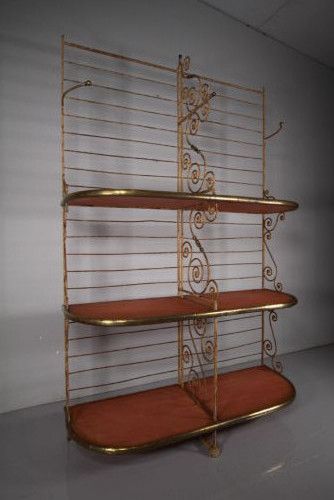
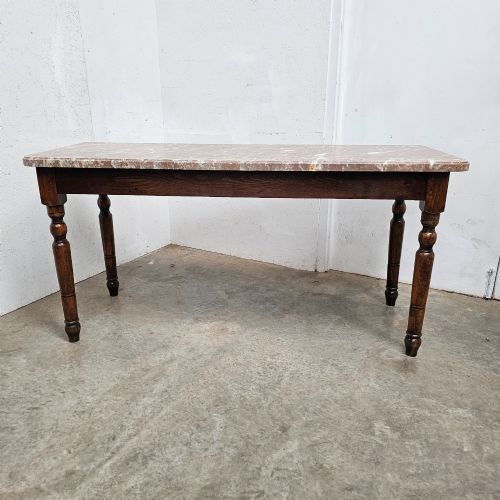
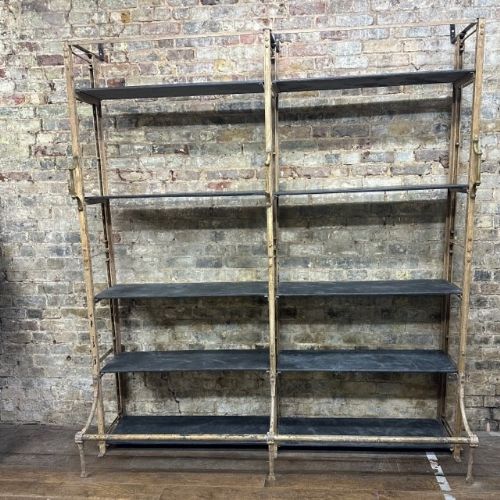
The version most commonly encountered on this page is the French bakers rack, frequently forged from wrought iron and paired with open shelving. Alongside these stands, buyers also find marble-topped patisserie display tables, slate shelving units, and unusual shop display models such as model loaves of bread.
Stylistically, these pieces lean towards French country, French industrial, and Victorian aesthetics, combining functional utility with decorative metalwork. They serve today as commanding focal points in kitchens, pantries, and living spaces, offering ample open storage for contemporary collections.
How these displays were constructed
Makers utilised durable materials such as wrought iron, steel, and brass to form the structural frames and decorative scroll-work of bakery racks. These metals provided the necessary load-bearing strength to support heavy daily use in commercial shops.
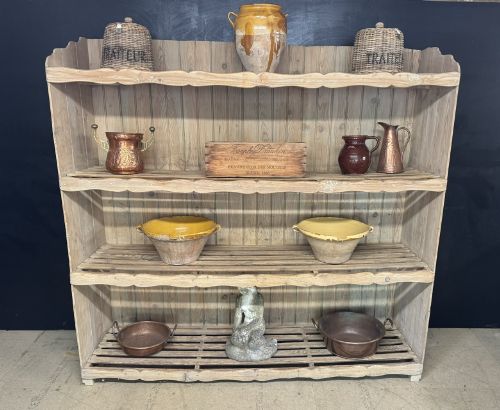
Wooden elements, notably pine, were frequently incorporated alongside natural stone surfaces like marble and slate to create hygienic, easy-to-clean counters and shelving tiers. Painted and stamped finishes further distinguished pieces produced by specific regional workshops.
Materials recorded across the inventory include wrought iron, brass, steel, pine, wood, marble, slate, plaster, and paint.
What separates the finest examples
Quality in an antique baker display rests upon the refinement of the metalwork, distinguishing simple utilitarian iron frames from pieces featuring elaborate scroll-work and maker stamps. Superior examples often display balanced proportions and robust construction that has survived heavy commercial service.
The choice of surfacing materials also indicates distinction, with thick marble or slate slabs commanding greater presence than standard wooden boards. Original patination, authentic wear, and maker marks add historical weight to the best pieces.
Dubois of Lyon
The Antique Baker Display Glossary
- Bakers rack
- A tall metal or wooden shelving unit originally used in bakeries for cooling and displaying bread. These structures typically feature multiple open tiers supported by robust vertical frames.
- Patisserie display table
- A specialised console or table, often topped with marble, designed for presenting pastries and baked goods in a shop setting. The stone surface provided a cool counter for handling dough and sweets.
- Wrought iron
- A tough, malleable form of iron that can be heated and hammered into decorative scrolls and sturdy structural shapes. It forms the backbone of many nineteenth-century French commercial racks.
- Boulangerie rack
- A French term for a baker display unit, reflecting the origins of many surviving pieces in traditional Parisian bread shops. They combine industrial utility with provincial design.
Antique Baker Display: Frequently Asked Questions
What are antique baker displays?
Antique baker displays are robust iron and wood shelving units, tables, and racks originally built for commercial bakeries and patisseries. They range from tall Parisian boulangerie racks to marble-topped console tables.
Today, these pieces are repurposed for domestic interiors to display books, kitchenware, and plants, valued for their open industrial aesthetic.
How were bakers racks used?
In historical bakeries, these iron and wooden structures held freshly baked loaves, pastries, and cooling equipment. Their open shelving allowed air circulation around hot bread.
Merchant shops also utilised specialised display stands and tables to present goods attractively to customers passing through the storefront.
How do I style a baker display?
Living with these pieces involves balancing heavy industrial frames with curated collections of ceramics, glassware, or books. The open structure works well against plain walls where the iron scroll-work can stand out.
Kitchens and pantries offer natural homes for marble-topped consoles and tall racks, echoing their original commercial purpose.
How do I identify a nineteenth-century piece?
Nineteenth-century examples are distinguished by hand-forged wrought iron, heavy pine timbers, and genuine wear from commercial use. Structural joinery and traditional metalworking techniques offer clues to their age.
Certain pieces may also feature maker stamps or distinct regional French and English styling from the Victorian era.