


Antique Automaton Clock
An antique automaton clock brings timekeeping to life with mechanical movement.
Antique Automaton Clock
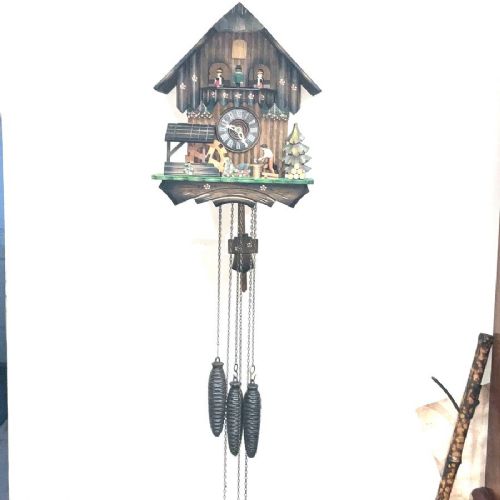
An antique automaton clock combines traditional horology with moving mechanical figures or scenes. When you search for an antique automaton clock, you are looking at timepieces that incorporate animated elements like rocking ships, moving eyes, or working windmills.
The examples found here span several distinct periods including the Georgian and Victorian eras, alongside mid-twentieth-century pieces. Common forms range from grand longcase clocks and mantel clocks to wall-mounted variants and picture clocks.
Makers integrated movement into the dial or case to create a visual spectacle alongside the chime. These pieces originate from English, French, and Venetian workshops, showing diverse regional styles from rococo flourishes to industrial designs.
How they were made
Horologists constructed the housings using timbers such as mahogany and walnut, often complemented by brass, steel, and slate components. Painted iron and glass feature heavily in the dials and protective cases.
Mechanisms were hand-assembled to link the gear train of the clock with cams and cranks that drive the animation. Artisans painted figures and landscapes directly onto dials or constructed miniature scenes inside the clock face.
Listings feature mahogany, walnut, brass, and slate materials across Georgian, Victorian, and industrial styles.
What varies in quality
The complexity and smoothness of the movement separate standard pieces from exceptional examples. Fluid motion in a rocking ship or realistic action in a mechanical feature indicates superior craftsmanship.
Case materials and artistic execution also determine the standard of the piece. Finely figured mahogany or walnut paired with detailed painted ironwork elevates the overall standing of the clock.
Richard Biggs Romsey·John Thompson London·Garman Meonstoke·Andre Guilmet·John Sly of Weymouth·Vurley of Wisbech
The Antique Automaton Clock Glossary
- Automaton
- A self-operating machine or mechanical figure designed to follow a predetermined motion. In horology, this refers to animated scenes integrated into the clock face or case.
- Longcase clock
- A tall, freestanding pendulum clock enclosed in a wooden case with a weighted movement. Often called a grandfather clock, these frequently housed rocking ship mechanisms.
- Ormolu
- Gilded bronze or brass used for decorative mounts and figures on furniture and clocks. This technique provides a bright metallic finish popular in eighteenth-century design.
- Picture clock
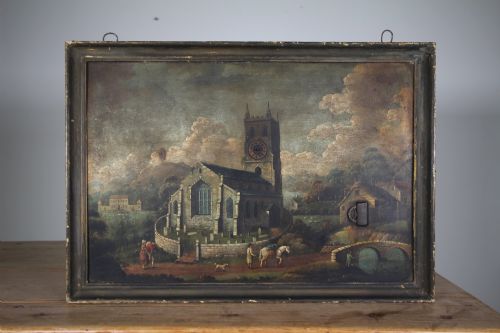
- A clock integrated into a framed painting or visual scene, where the movement often animates elements of the artwork such as a watermill or figures.
Antique Automaton Clock: Frequently Asked Questions
What is an antique automaton clock?
An antique automaton clock is a timepiece featuring integrated moving figures or mechanical scenes, such as a rocking ship or a working windmill.
These pieces combine standard gear trains with cams and linkages to create animation alongside the usual timekeeping and striking functions.
How do the moving parts work?
The mechanical movement of the clock drives a secondary set of gears or cranks connected to the figures on the dial or inside the case. As the clock runs or strikes, these linkages cause the automation to move.
Different makers designed systems for specific effects, ranging from rolling waves on a painted sea to blinking eyes on a lion.
What periods do these clocks come from?
The available pieces originate from various historical eras, with a strong representation from the Georgian and Victorian periods. You will also find eighteenth-century examples and later nineteenth-century industrial designs.
Cabinet styles and mechanical complexity usually reflect the prevailing tastes and engineering capabilities of their specific decade.
Where were these clocks made?
These timepieces originate from several regions, with notable English provincial makers operating in towns such as Romsey, Weymouth, and Wisbech. Other examples stem from French workshops and Venetian makers.
Regional differences appear in the cabinetry timber, such as mahogany and walnut, and the decorative styles applied to the dial.