




Antique Asprey Silver
Collecting antique asprey silver brings refined luxury into daily life through exquisite luxury objects crafted by a distinguished London maker.
Antique Asprey Silver
When searching for antique asprey silver, buyers encounter functional luxury items and desk accessories originating from the famous London retailer. The selection includes tableware, cocktail shakers, vanity items and novelty pieces spanning the Victorian, Edwardian and Art Deco periods.
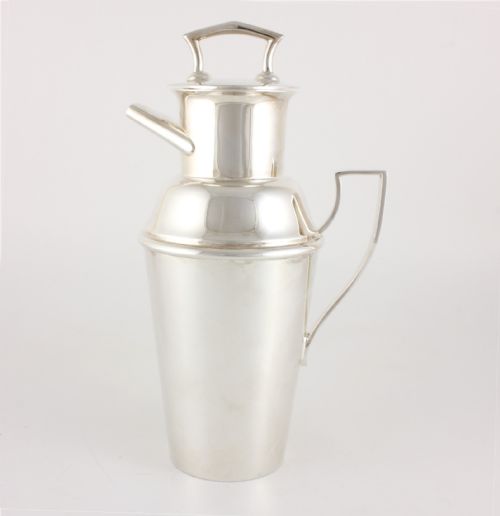
The pieces on this page range from small personal items like pill boxes and letter openers to larger hospitality vessels such as claret jugs and cocktail shakers. Art Deco designs and Edwardian sterling silver accessories appear frequently across the inventory.
Objects reflect the changing social habits of British society from the late nineteenth century through the interwar years. Practical domestic items receive meticulous treatment, elevating everyday items into decorative works of art.
How these pieces were made
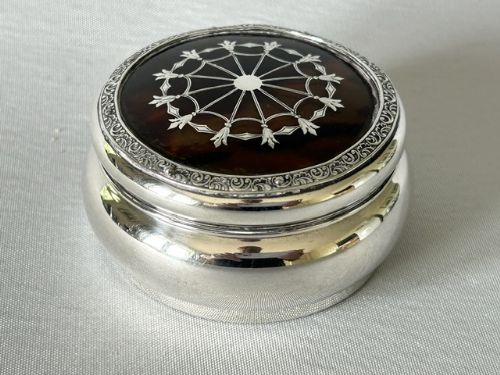
Craftsmen utilised sterling silver, silver plate and silver gilt, frequently combining precious metals with organic materials such as tortoiseshell, shagreen, glass and velvet. Artisans applied specialised techniques including hammering, etching, guilloche enamel and pique work to finish individual items.
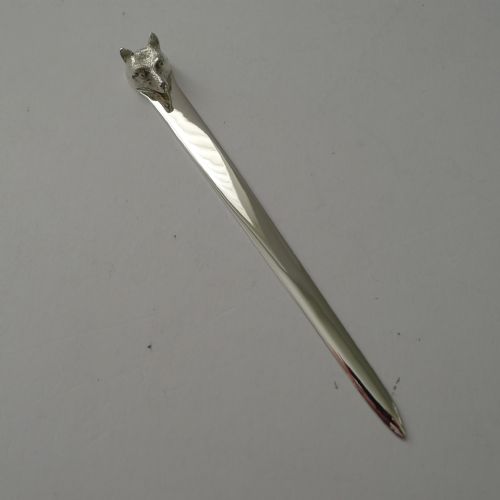
Novelty forms required ingenious mechanical design alongside traditional silversmithing methods to create items shaped like milk churns, paint tins and fox masks. Cut glass components paired with fitted silver mounts demanded precise collaboration between glass cutters and metalsmiths.
A painted tin tea caddy disguised as industrial hardware sits alongside delicate silver pill rings and fox-shaped letter openers.
What varies in quality
The presence of crisp hallmarks and specialised novelties distinguishes standard utility wares from superior workshop commissions. The integrity of delicate mechanisms in items such as mechanical bookmarks or fitted vanity cases dictates the overall grade of the object.
Asprey and Co Ltd·Asprey and Co
The Antique Asprey Silver Glossary
- Sterling silver
- A standard alloy composed of ninety-two point five percent silver and seven point five percent other metals, usually copper. This composition provides the durability required for detailed silversmithing.
- Silver gilt
- Sterling silver that has been coated with a thin layer of gold on the surface. This technique produces a rich golden interior or exterior finish.
- Pique work
- The decorative process of embedding tiny points of gold or silver into tortoiseshell or ivory. It creates intricate geometric or floral patterns on small boxes and vanity items.
- Guilloche enamel
- A decorative technique where a precise mechanical pattern is engraved beneath a translucent layer of enamel. This method creates shimmering depth of colour on vanity sets and compacts.
- Shagreen
- Untanned skin from the back of a shark or ray, recognised by its rough, pebble-grained texture. It was frequently dyed and applied to luxury desk accessories during the Art Deco period.
Antique Asprey Silver: Frequently Asked Questions
What items are available in this category?
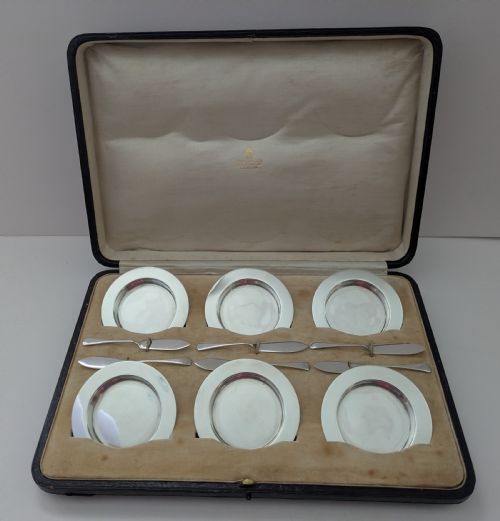
The selection includes practical objects ranging from desk accessories and cocktail shakers to vanity boxes and menu holders. Many pieces incorporate alternative materials like glass, tortoiseshell and shagreen alongside sterling silver.
Items reflect distinct eras spanning from the Victorian period through the Art Deco movement. Functional objects dominate the inventory, designed for both personal use and domestic hospitality.
How do I identify the date of a piece?
British silver typically bears hallmarks that indicate the assay office, standard of silver and year of manufacture. Stamped letters correspond to specific date cycles determined by the regional office.
Stylistic cues also help determine the period, such as clean geometric lines for Art Deco items or ornate floral motifs for Victorian and Edwardian pieces. Maker marks associated with the retailer provide additional chronological context.
How were these silver objects used originally?
Many pieces served specific social functions within affluent households, including the service of drinks, dining table arrangement and correspondence. Cocktail shakers, claret jugs and menu holders supported formal entertaining.
Personal items like pill boxes, vanity brushes and letter openers belonged to dressing tables and private desks. Their design combined practicality with decorative display for daily use.
How should I care for silver and mixed materials?
Silver requires gentle cleaning with appropriate non-abrasive polishes to maintain its finish without removing thin surface layers or damaging hallmarks. Care must be taken around delicate components like enamel, glass or organic materials.
Storage conditions should avoid excessive moisture and direct sunlight to protect vulnerable elements such as tortoiseshell, shagreen and velvet linings. Regular handling encourages a natural, protective patina on the metal.