
Antique Asian Textile
When gathering an antique asian textile, collectors encounter tangible histories woven through nineteenth-century nomadic ceremonies and domestic dowries.
Antique Asian Textile
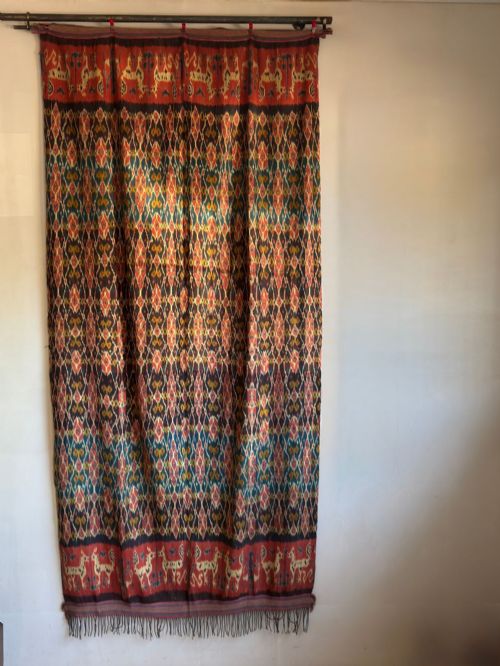
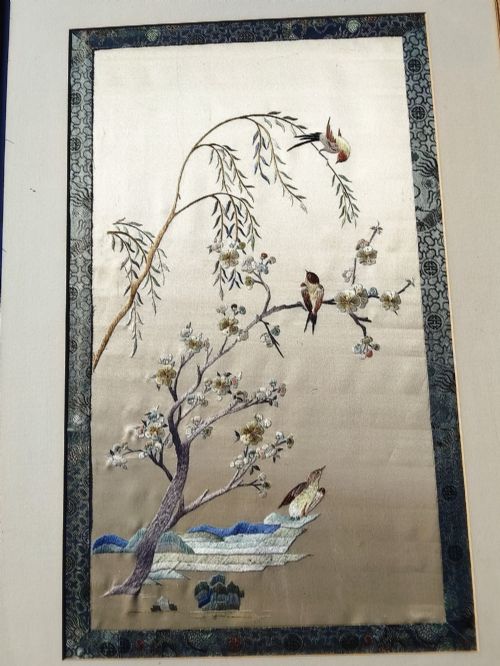
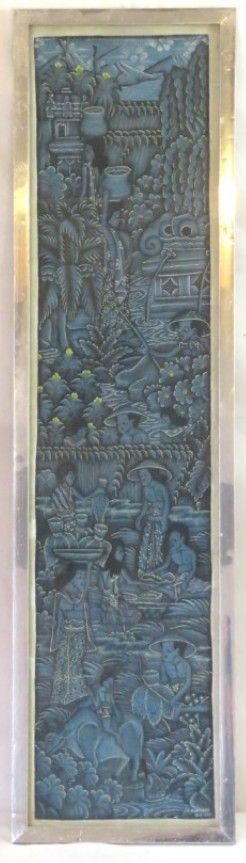
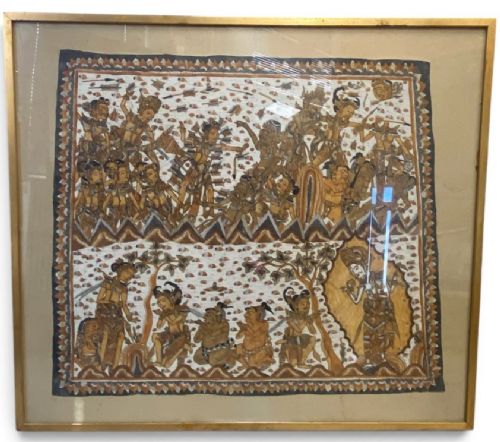
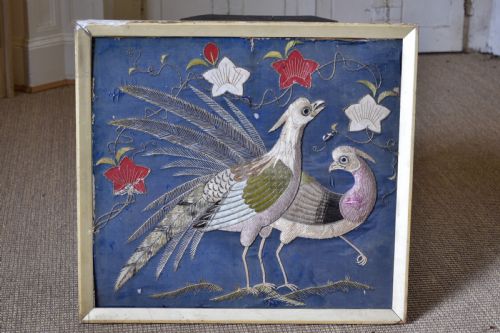
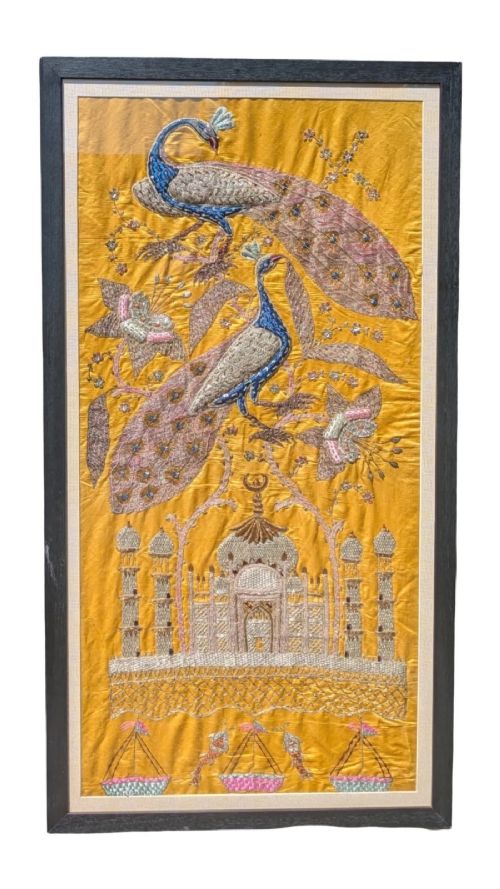
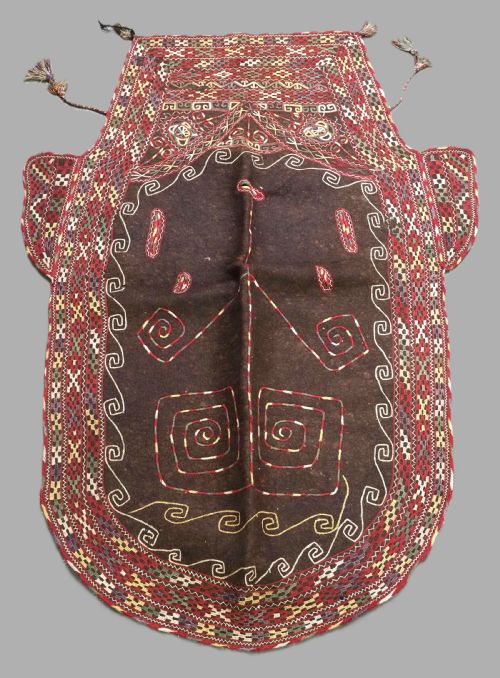
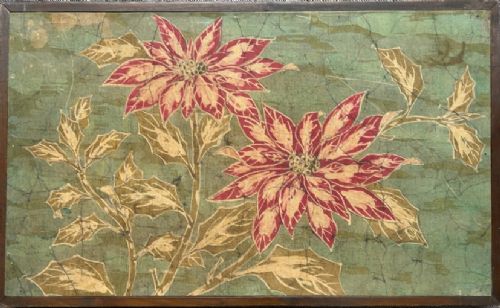
An antique asian textile encompasses diverse historical objects ranging from nomadic Turkmen horse covers and Uzbek dowry embroideries to Balinese paintings on textile and Chinese silk panels. These items reflect traditional regional crafts spanning the nineteenth and early twentieth centuries.
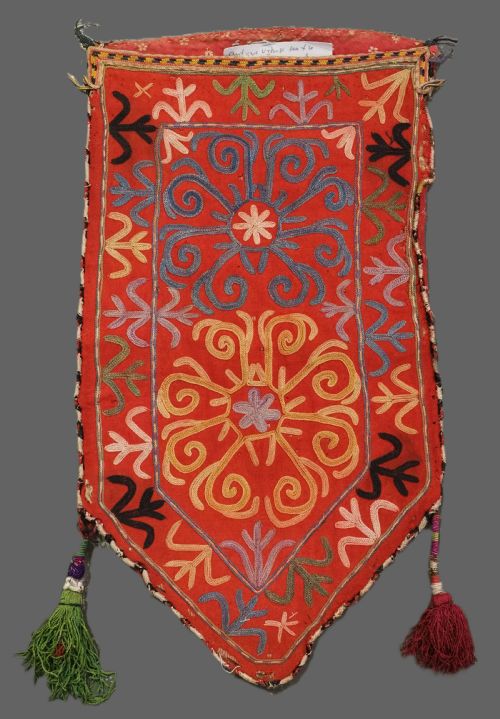
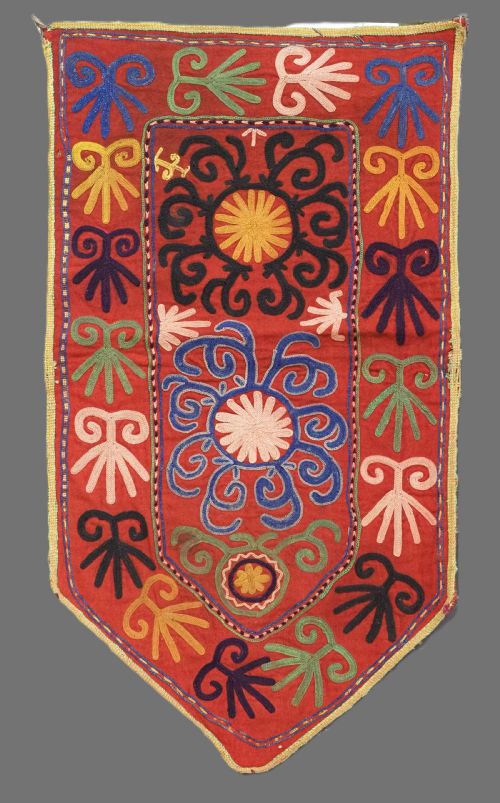
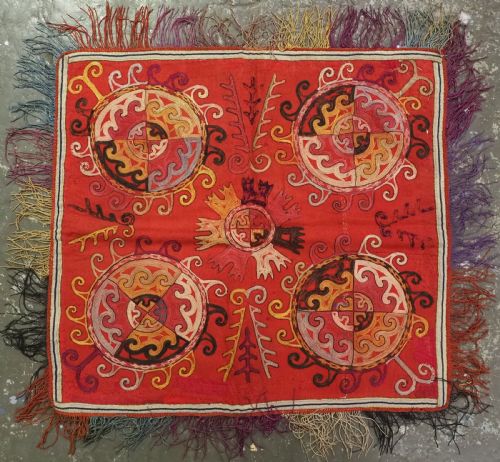
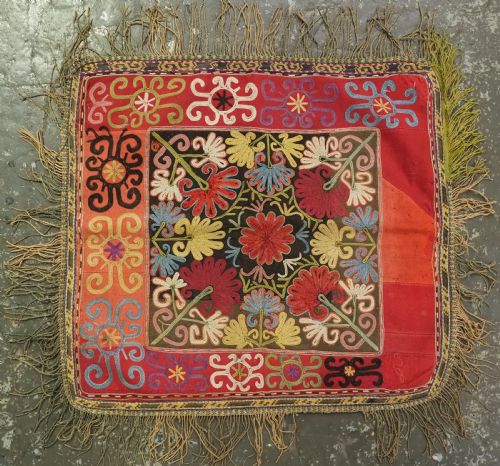
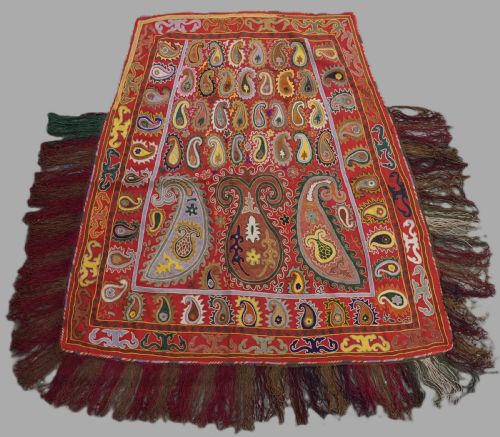
The most common examples on this page are tribal embroideries, wall hangings, and ceremonial saddle covers created by Central Asian groups such as the Lakai and Yomut tribes. Suzani embroideries and woven bags also appear frequently among the listings.
Pieces from this category function primarily as decorative wall art, floor coverings, or preserved examples of indigenous needlework traditions. Each item records the specific aesthetic vocabulary of its maker and geographic origin.
How They Were Made
Artisans utilised natural materials including silk, cotton, wool, and felt as foundations for intricate needlework and construction. Metallic threads and natural dyes provided colour and variation within individual designs.
Makers employed hand-sewn embroidery techniques, often working silk thread onto cotton or silk foundations to form dense pictorial and geometric motifs. Felt served as a durable base for heavy ceremonial horse blankets and tribal rugs.
Specialised items incorporated supplementary elements such as glass components and wooden elements, alongside original tassels and multi-register painted surfaces on textile backings.
Listings feature items dated across the nineteenth and early twentieth centuries, including pieces from eighteen-fifty, eighteen-seventy, and nineteen-twenty.
What Varies in Quality
The level of execution in the needlework and the complexity of the design distinguish exceptional items from standard examples. Finer pieces demonstrate meticulous stitch control and harmonious application of natural dyes across the textile surface.
Completeness and original condition strongly influence the standing of an object within the range. Pieces retaining original tassels, intact backing materials, and well-preserved metallic threads represent superior survivals of their type.
The Antique Asian Textile Glossary
- Suzani
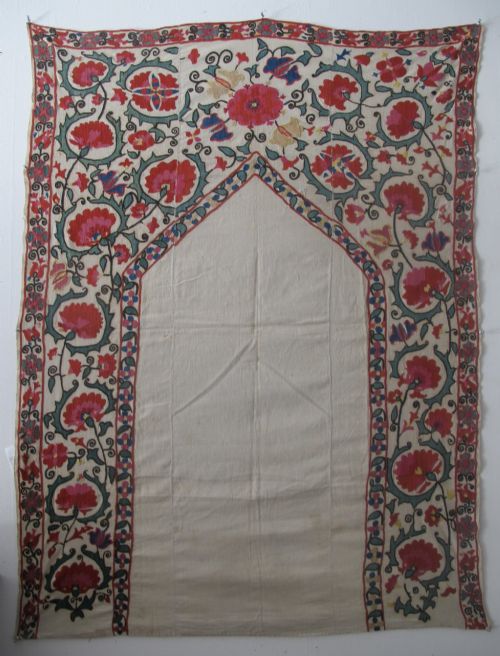
- An embroidered wall hanging from Central Asia, traditionally made as part of a bride's dowry. These textiles feature large-scale floral or architectural designs worked in silk on a cotton or linen ground.
- Ilgich
- A specific type of Central Asian embroidery used for wall hangings and dowry furnishings. They frequently display the distinct geometric and figurative motifs associated with the Lakai tribe.
- Chuval
- A large face-woven storage bag made by Turkmen nomadic groups for domestic use inside a yurt. They feature repetitive gull motifs arranged in rows across the main field.
- Jollar
- A long, narrow Turkmen bag used for household storage or tent decoration. These items display tribal patterns executed in weaving or embroidery.
Antique Asian Textile: Frequently Asked Questions
How were suzanis used in traditional homes?
Suzanis served primarily as decorative wall hangings, ceremonial bedcovers, or domestic furnishings within Central Asian households. Families displayed them to signify status and honour festive occasions.
During weddings, larger examples functioned as bridal covers or central elements of the dowry presentation. Their intricate designs held cultural and protective meanings for the household.
What is a Lakai ilgich?
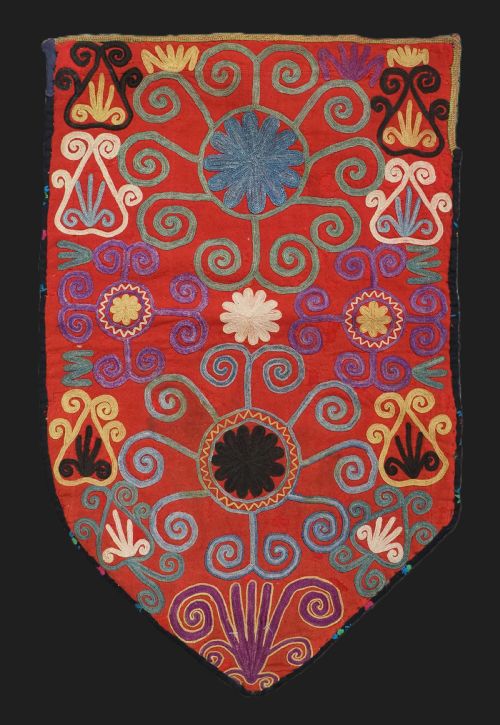
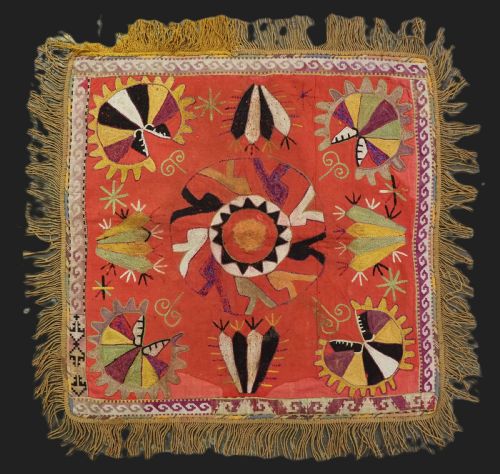
A Lakai ilgich is a nomadic embroidery piece created by the Lakai tribe in Uzbekistan during the late nineteenth and early twentieth centuries. Women stitched these items as part of traditional dowry preparations.
These textiles are recognised by dynamic geometric shapes, appliquéd felt, and vibrant silk threadwork. They were typically hung on interior walls as decorative covers.
How do I care for antique textiles?
Protect antique textiles from direct sunlight to prevent natural dyes and silk threads from fading over time. Keep them in stable environments away from excessive moisture and fluctuating temperatures.
Display wall hangings using professional mounting methods that distribute weight evenly across the fabric. Avoid washing historic pieces with water and consult a textile conservator for cleaning.
What distinguishes Yomut tribal pieces?
Yomut tribal items originate from the Trans-Caspian steppes and are characterised by distinct geometric patterns and rich colour palettes. Artisans utilised wool, felt, and silk to construct functional horse covers, bags, and asmalyks.
These objects reflect the nomadic lifestyle and weaving traditions of the Yomut people. Their construction prioritised durability alongside symbolic tribal ornamentation.