
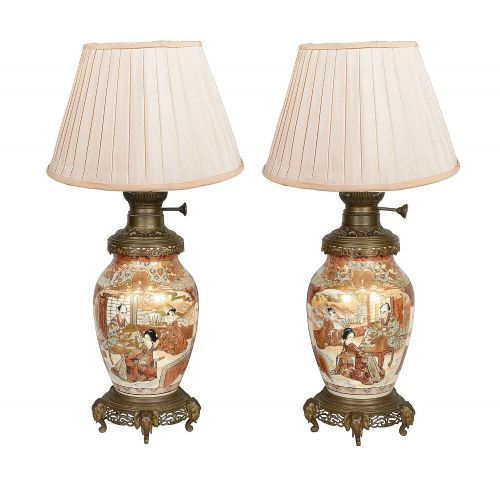
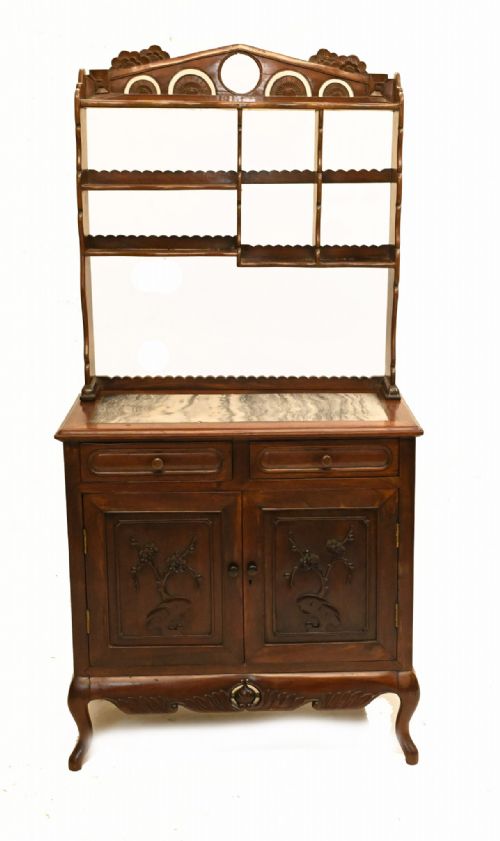
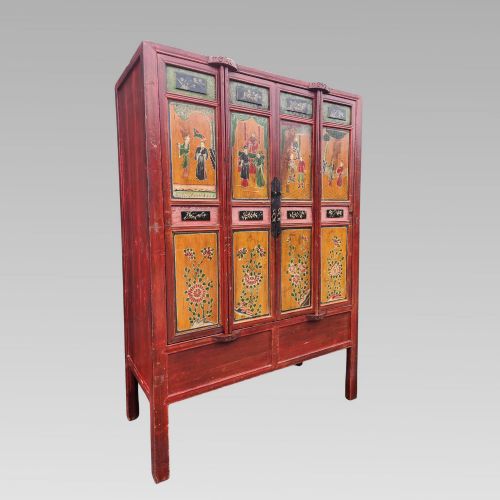


Antique Asian Sideboard
These antique asian sideboard pieces bring striking colour and grain into a room, offering practical storage through provincial and dynastic forms.
Antique Asian Sideboard
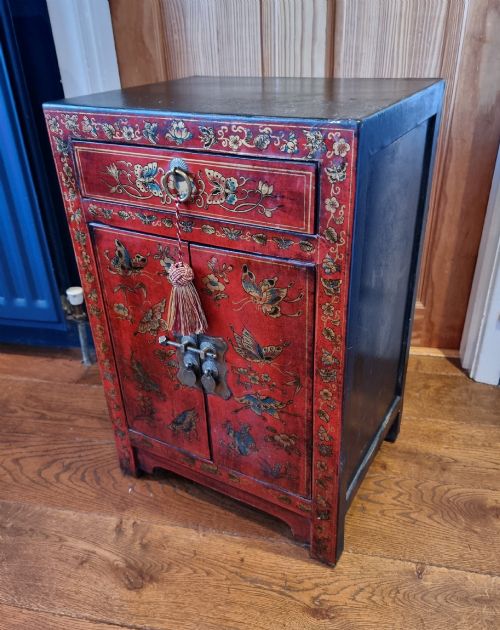
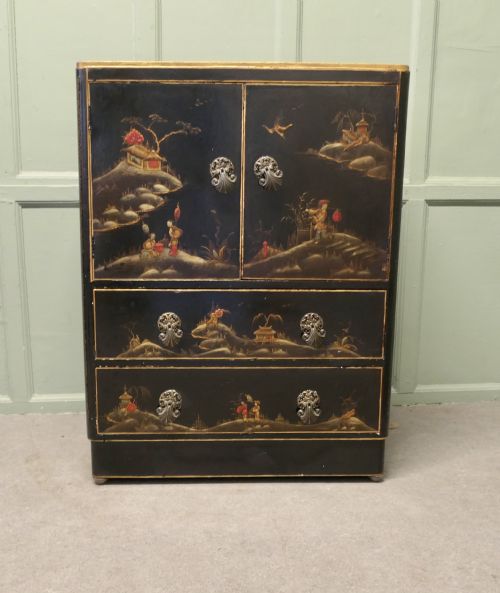
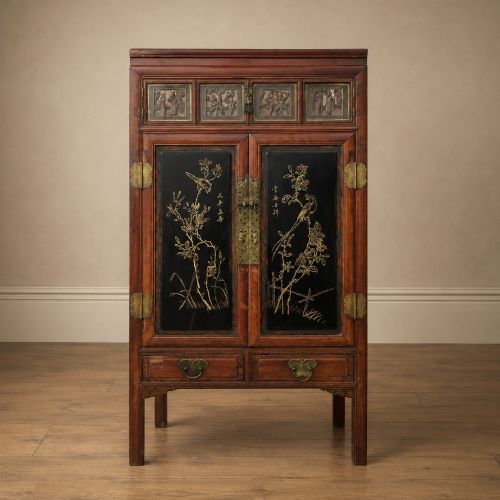
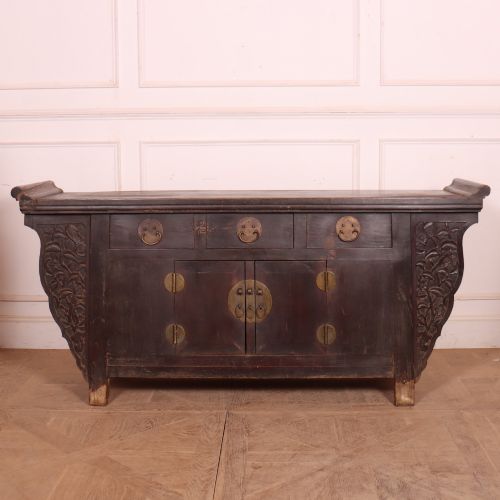
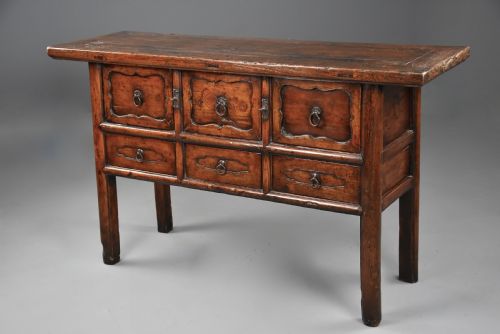
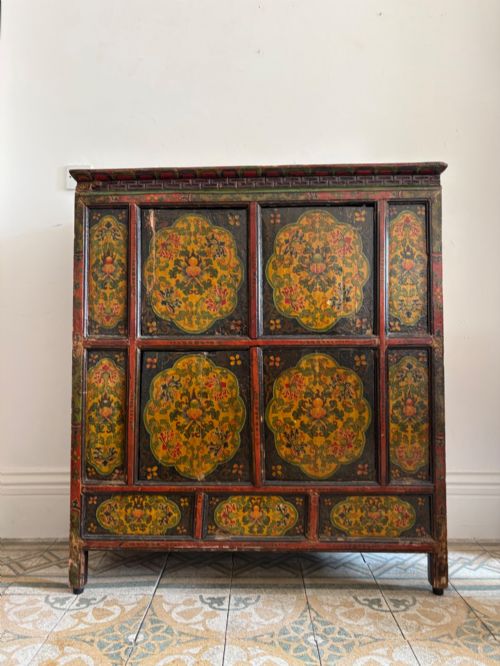
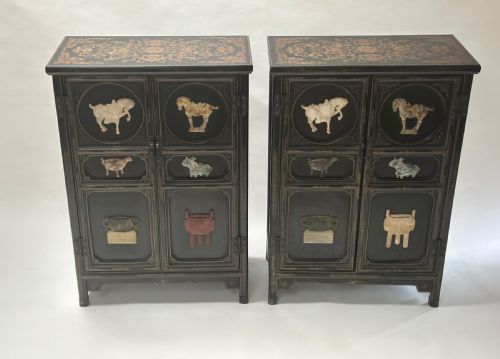
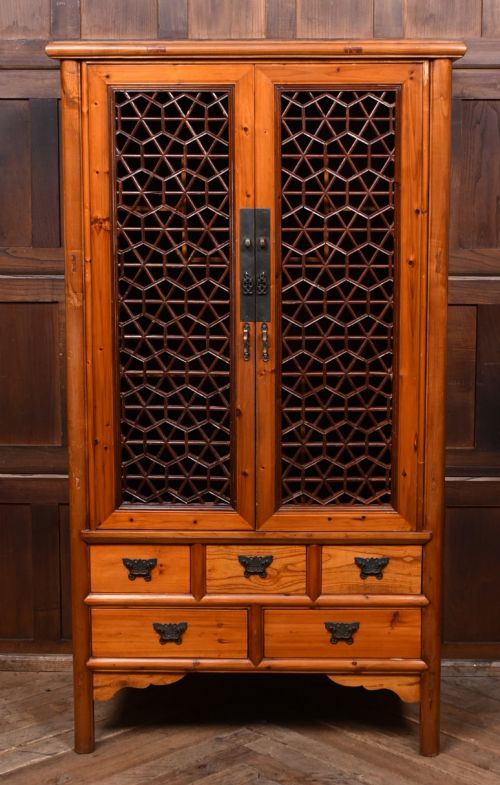
When you search for an antique asian sideboard, you encounter substantial storage pieces originating from China, Japan, Korea, Tibet and Burma. The selection spans the nineteenth and early twentieth centuries, including rustic elm dressers, red and black lacquered cabinets, and carved sideboards.
The most common examples on this page are Chinese elm sideboards and lacquered cupboards bearing provincial or Qing Dynasty influences. You also find regional variants such as Japanese tansu chests and Korean side cabinets.
Materials and Construction
Carpenters utilised native timbers such as elm, teak, pine, keyaki and dense hardwoods, often joining structural elements without complex metal fixings. Surfaces frequently received multiple coats of lacquer in red or black, sometimes complemented by hand-painted floral decoration and gilt work.
Hardware typically involves brass or iron plates, hinges and lock boxes that secure the doors while adding metallic contrast to the timber and lacquered finishes.
Listings feature pieces spanning the nineteenth century up to nineteen thirty, constructed in elm, hardwood, pine and lacquered wood.
Distinction in Craft and Finish
Quality rests in the integrity of the timber grain, the depth of the lacquer surface and the retention of original hand-painted details. Pieces with a fine natural patina on exposed elm show superior ageing compared to heavily restored surfaces.
Carving depth and the crispness of gilded highlights separate standard utility storage from finer decorative cabinets produced for domestic or export markets.
The Antique Asian Sideboard Glossary
- Lacquer
- A durable resin finish applied in thin layers to wood, often polished to a high sheen and coloured in red or black. It protects the underlying timber while providing a smooth canvas for painted or carved ornamentation.
- Tansu
- A traditional Japanese mobile storage chest designed for domestic use, merchant inventories or kitchen organisation. These pieces typically feature multiple drawers and sliding doors constructed from keyaki or other regional woods.
- Chinoiserie
- European decorative style reflecting Chinese artistic motifs, appearing on cabinets and cupboards finished in black or red lacquer with painted birds, flowers and figures.
- Elm
- A tough, resilient hardwood prized for its visible grain patterns and structural stability. It serves as the primary material for rustic Chinese sideboards and console tables.
Antique Asian Sideboard: Frequently Asked Questions
How do I clean an antique lacquered cabinet?
Dust the surface regularly with a soft, dry cloth to prevent particulate buildup on the delicate finish.
Avoid chemical polishes and water, which can damage aged lacquer and lift painted or gilded details.
Where were these sideboards originally placed?
Many served in dining areas, hallways or principal rooms to store household textiles, documents and tableware.
Larger cupboards and marriage cabinets often held ceremonial items and family valuables within the main living quarters.
How do I distinguish regional styles?
Chinese pieces often display carved hardwood frames, elm grain or bright red lacquer schemes linked to specific provinces.
Japanese tansu chests and Korean side cabinets utilise distinct internal drawer arrangements and characteristic iron or brass hardware.
Can these cabinets handle modern daily use?
Sturdy hardwood construction and solid joinery allow these pieces to function reliably as sideboards or media consoles.
Careful placement away from direct heat sources protects the antique timber and lacquer from cracking or warping.