



Antique Asian Scrolls
Antique Asian scrolls bring centuries of Eastern artistry into your home through delicate painted silks and historic framed ancestral portraits.
Antique Asian Scrolls
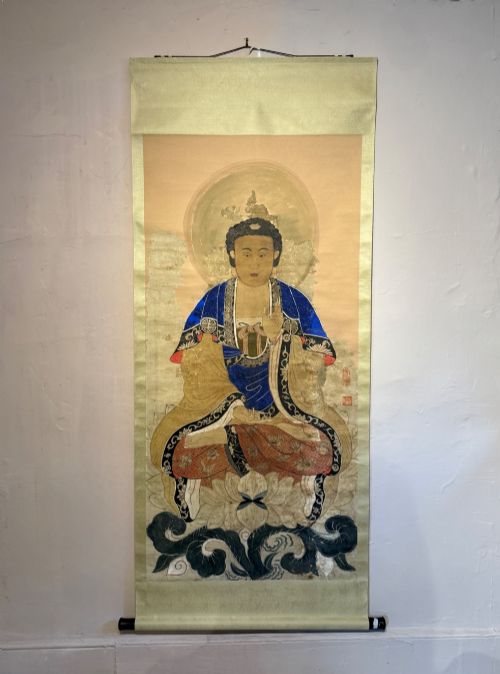
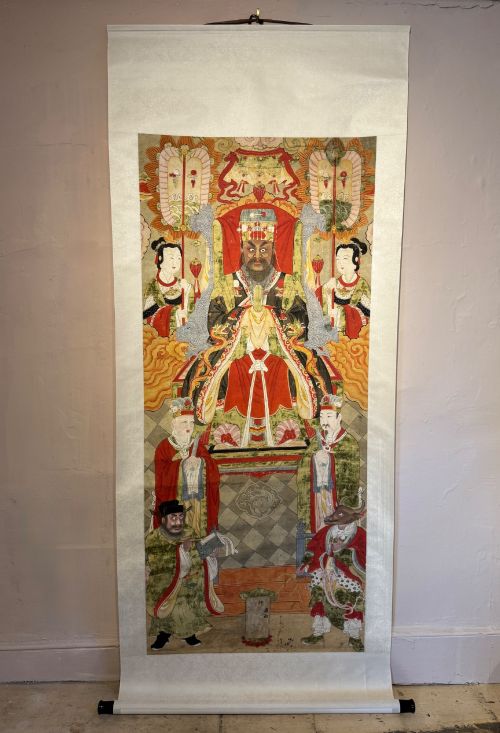
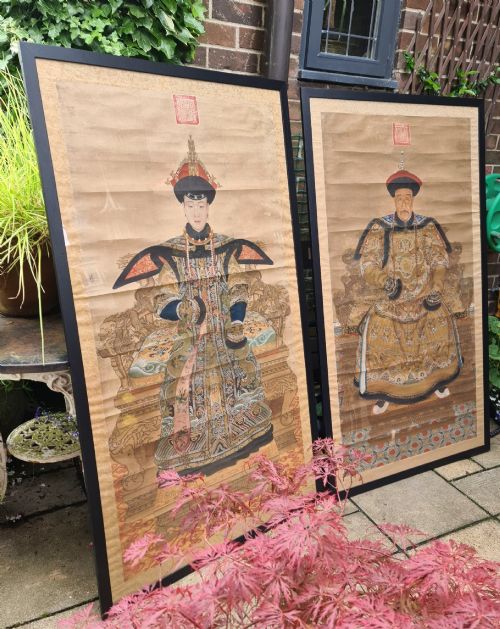
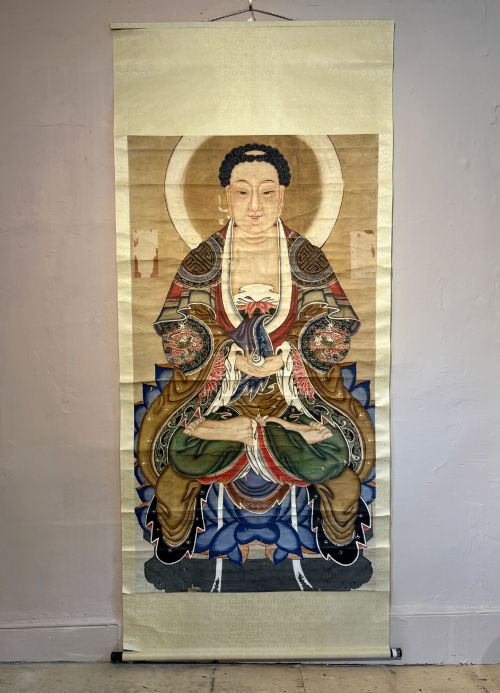
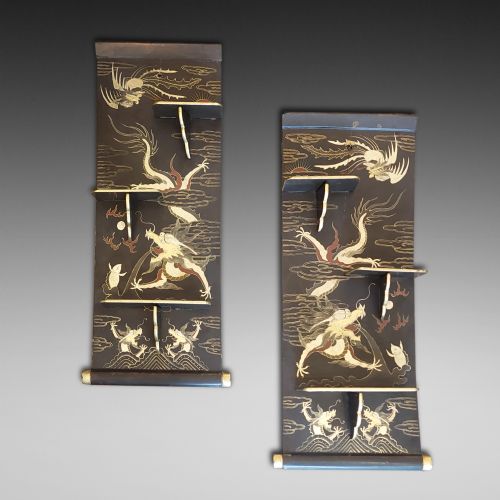
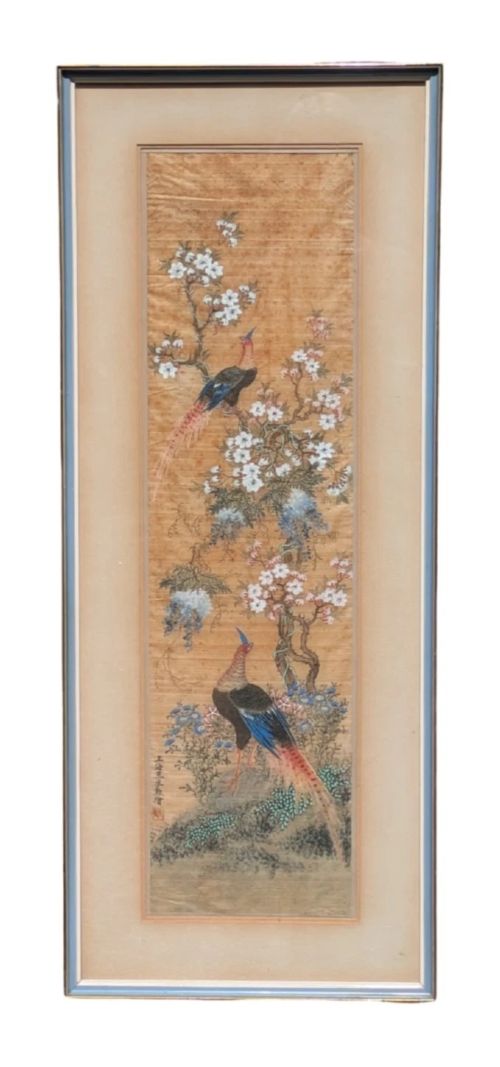
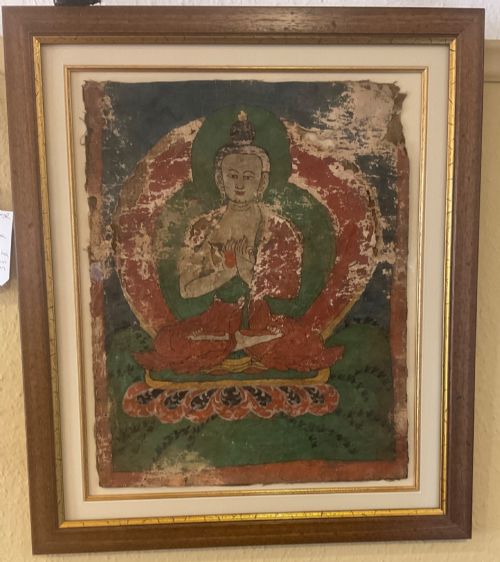
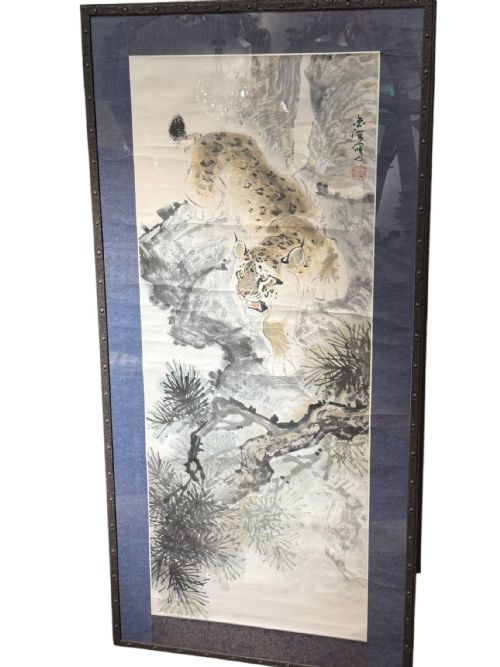
When searching for antique asian scrolls, collectors encounter a focused selection of framed ancestral portraits, painted silk works, and Buddhist thangkas spanning the nineteenth century. These items capture traditional iconography, including depictions of snow leopards, Daoist immortals, and the Vairocana Buddha across paper and silk surfaces.
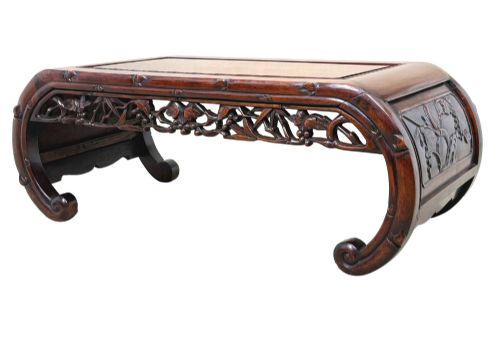
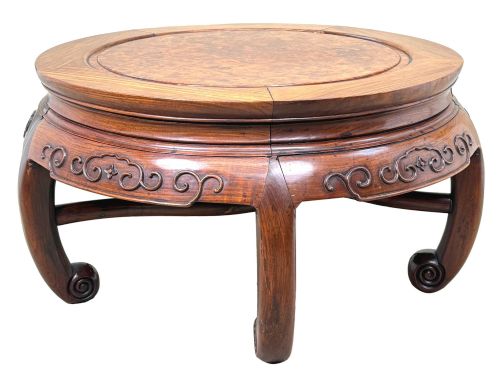
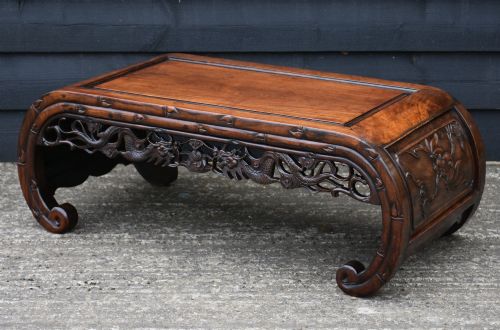
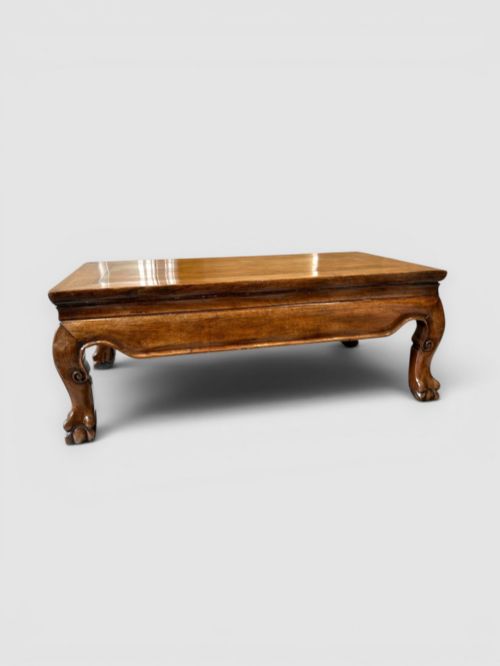
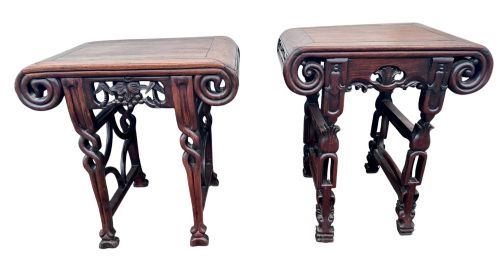
The material record also encompasses related items bearing scroll motifs, such as carved huali and hongmu opium tables featuring distinct scroll-end designs. Alongside these are hardwood altars, low tables, and ceramic dishes decorated with moulded floral scroll borders from earlier dynastic periods.
How they were made
Painters and artisans utilised delicate silk and paper supports, applying mineral and organic pigments to create detailed watercolours and religious iconography. These works were frequently mounted as hanging scrolls or framed for preservation.
Woodworkers constructed companion tables and furniture from dense timbers such as rosewood, elm, and huali, employing traditional carving techniques to shape scroll ends and dragon details. Ceramics from the period incorporate moulded floral patterns into the body of the dish before glazing.
Antique Asian Scrolls Retail Price Guide 2026
Typical asking prices for asian scrolls among the pieces listed under this phrase on Sellingantiques today, from the lower quarter to the upper quarter. They describe what is for sale here now, not the wider market.
Opium tables double wonderfully as low coffee tables today, happily trading narcotics for art books and teapots.
What varies in quality
The refinement of the painted detail on silk and paper dictates the upper tier of pictorial works, distinguishing skilled brushwork from simpler execution. Pigment preservation and original framing also elevate specific ancestral scrolls and thangkas.
Woodwork quality rests on the choice of dense hardwoods like hongmu and huali alongside the crispness of carved scroll ends and structural joinery. Furniture displaying intricate dragon details or balanced proportions achieves greater distinction.
The Antique Asian Scrolls Glossary
- Scroll
- A length of painted or calligraphic silk or paper designed for vertical or horizontal display. These works are frequently mounted in frames for modern interiors.
- Thangka
- A Tibetan Buddhist painted panel depicting deities or mandalas on cotton or silk. These works utilise mineral pigments and often feature elaborate brocade borders.
- Kang table
- A low platform table placed on a heated brick bed in traditional Chinese homes. Examples often exhibit carved scroll ends in dense hardwoods.
- Celadon
- A ceramic glaze displaying pale green or grey-green tones resembling jade. This finish frequently covers dishes decorated with moulded floral patterns.
- Hongmu
- A dense, dark tropical hardwood utilised by Chinese cabinetmakers for scholar's furniture and tables. The timber allows for sharp, durable carving.
Antique Asian Scrolls: Frequently Asked Questions
How do I hang an antique scroll?
Framed scrolls require secure wall anchors suitable for the weight of the wood and glass. Keep them away from direct sunlight to protect the pigments on silk.
Ensure placement avoids damp areas to prevent moisture damage to the paper and fabric components.
What is a Tibetan thangka?
A thangka is a traditional painted religious scroll used as a teaching tool and aid for meditation. They portray sacred figures and cosmic diagrams.
Most examples employ mineral pigments on a fabric base, often preserved within protective frames.
How do I clean hardwood tables?
Dust the timber regularly with a soft, dry cloth to prevent dirt accumulation in carved recesses. Avoid liquid polishes and silicone sprays.
Maintain stable room humidity to prevent the dense hardwood from splitting or warping over time.