
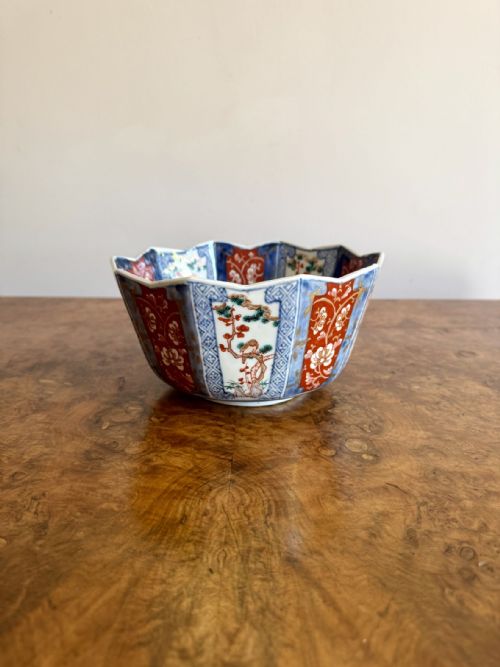


Antique Asian Porcelain Basin
These antique asian porcelain basin examples bring together centuries of Chinese and Japanese craftsmanship for your home.
Antique Asian Porcelain Basin
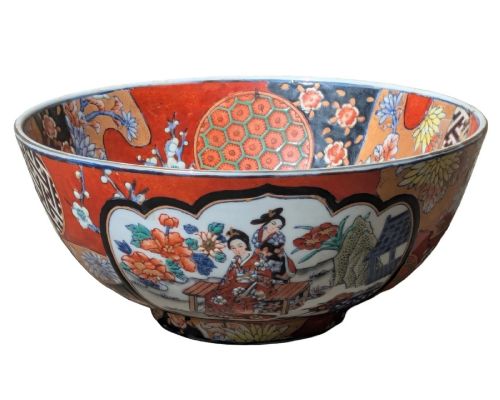
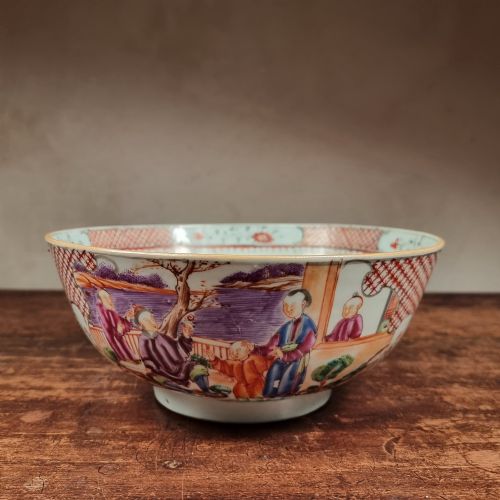
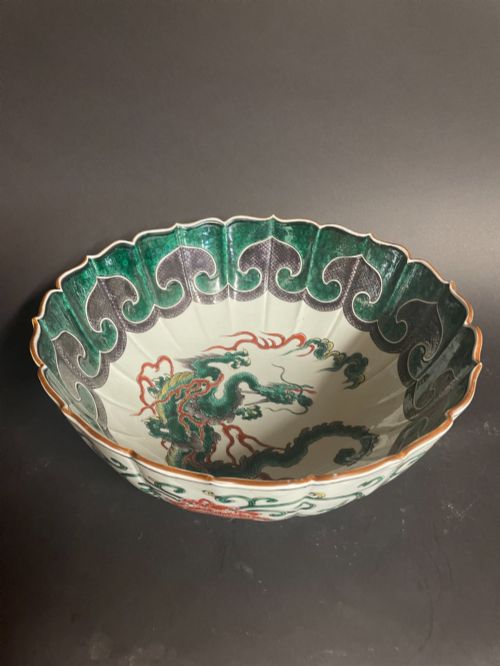
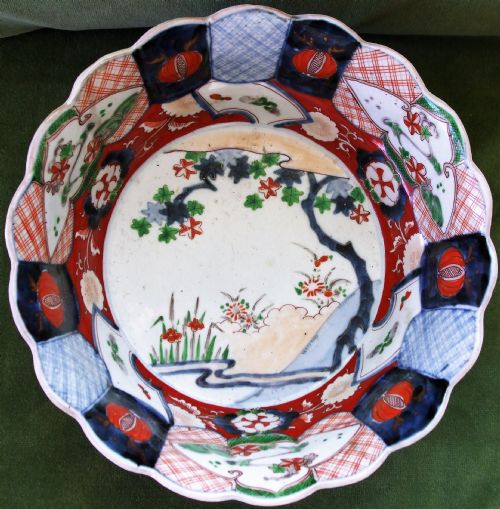
When you search for an antique asian porcelain basin, you encounter a range of forms from decorative bowls to large jardinieres and chargers spanning the seventeenth through to the early twentieth century. The selection leans heavily towards Japanese Imari and Meiji period Satsuma wares alongside Chinese blue and white pieces.
The objects serve varied decorative and functional purposes, appearing as large fish bowls, punch bowls, sugar bowls, and shallow vessels. Many originate from the nineteenth century, though earlier examples from the Kangxi and Ming periods also emerge within the selection.
Buyers meet both Chinese imperial and export traditions alongside Japanese works from the Edo, Meiji, and Showa periods. The forms include standard circular vessels as well as hexagonal shapes paired with associated hardwood stands.
Distinctions in Quality and Execution
Quality separates standard production wares from pieces bearing specific studio signatures and period marks, such as Kangxi or Qianlong indicators. The intricacy of the hand painting and the crispness of the enamel and gold leaf application dictate the standing of each vessel.
The scale and weight of the porcelain, alongside the preservation of the glaze and any associated hardwood stands, influence how a piece is regarded. Older seventeenth and eighteenth-century items bring distinct historical weight compared to later nineteenth and twentieth-century interpretations.
Ryuzan·Shozan
The Antique Asian Porcelain Basin Glossary
- Imari
- A style of Japanese porcelain decorated in underglaze blue and overglaze red, gold, and green. This aesthetic developed during the Edo period and proved popular for export.
- Satsuma
- A type of Japanese earthenware featuring a pale, ivory-coloured crackle glaze. Artisans typically decorated these surfaces with elaborate polychrome enamels and gilt.
- Jardiniere
- A large ornamental pot or basin designed to hold plants or flowers. These vessels often sit on associated hardwood stands.
- Cobalt Glaze
- A blue pigment applied beneath the transparent glaze before firing. This technique creates the durable blue and white designs seen on Chinese and Japanese ceramics.
- Meiji Period
- The era of Japanese history lasting from 1868 to 1912. Objects from this time frequently display detailed hand painting and complex decorative schemes.
Antique Asian Porcelain Basin: Frequently Asked Questions
How do I identify a Meiji period piece?
Meiji period items date between 1868 and 1912, often featuring dense hand-painted enamel decoration or distinct Satsuma crackle glazes. Many carry artist signatures from specific Kyoto studios.
Comparing the painting style and palette to documented examples helps confirm this era of Japanese craftsmanship.
Where were jardinieres used?
Jardinieres functioned as large ornamental basins meant to house potted plants and flowers within domestic interiors. Their sturdy porcelain or earthenware construction accommodated soil and moisture.
Homeowners frequently placed larger versions on associated hardwood stands in prominent reception rooms.
How should I care for these basins?
Maintain these ceramic pieces by dusting them gently with a soft dry cloth to protect the enamel and gold leaf surfaces. Avoid using liquid cleaners or abrasive materials that might damage the glaze.
Keep them positioned away from direct sunlight and areas prone to sudden temperature fluctuations.