





Antique Asian Mirror
An antique asian mirror brings centuries of fine craftsmanship and distinct regional character into a room, offering both decorative depth and traditional artistry.
Antique Asian Mirror
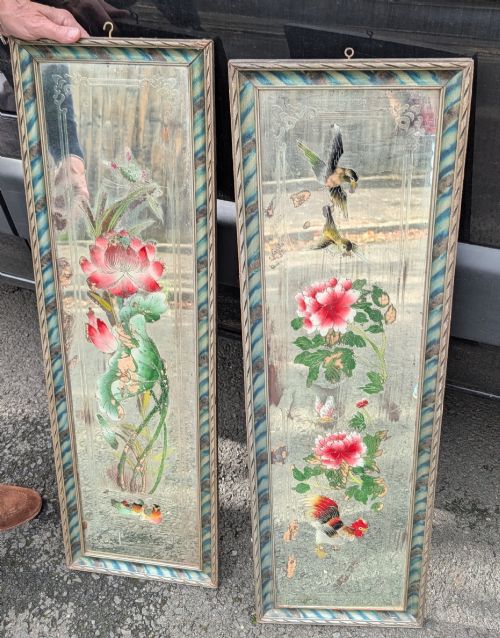
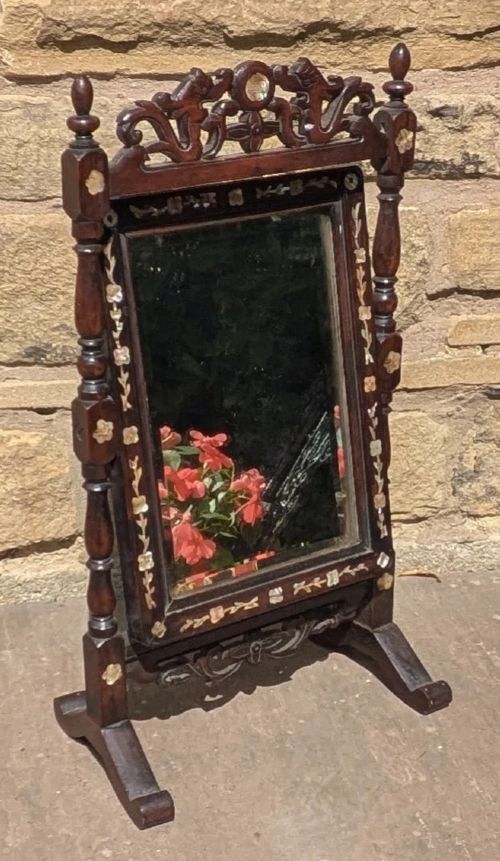
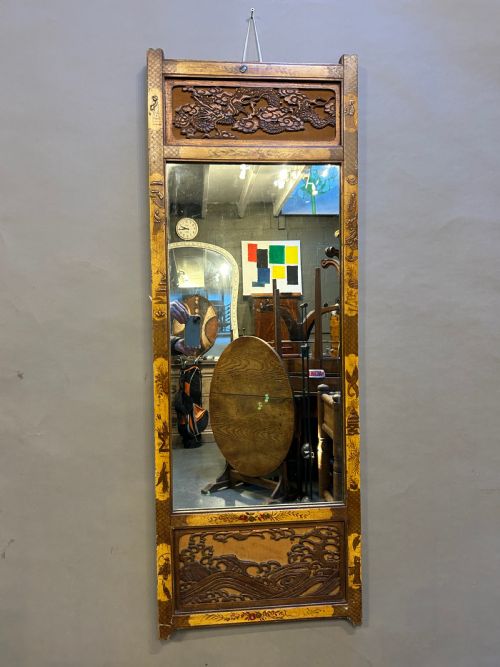
An antique asian mirror encompasses a diverse selection of wall hanging mirrors, table mirrors, and framed pieces reflecting rich cultural traditions. Buyers searching for an antique asian mirror will encounter items ranging from nineteenth century Chinese hardwood cheval mirrors to lacquered wall hangings and Edwardian interpretations.
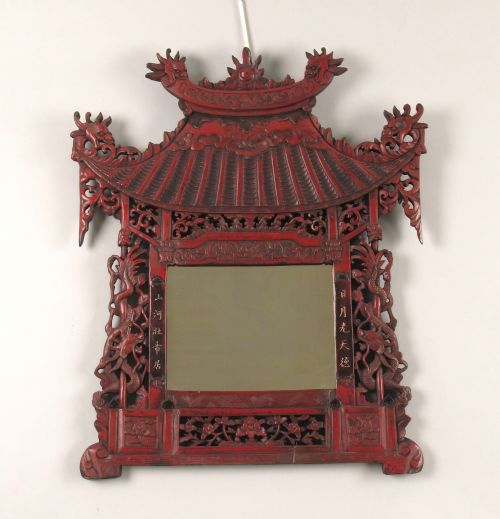
The objects listed on this page span several distinct periods including the nineteenth century, the Edwardian era, and the early twentieth century. Forms vary from red lacquer pagoda frames and oval wall mirrors to intricately carved oriental designs and textile-covered mirror frames.
How they were made
The construction of these pieces relies heavily on traditional woodworking techniques utilising hardwoods, applied lacquer, and gilt finishes. Artisans incorporated delicate materials such as mother of pearl inlay within hardwood frames to create intricate surface patterns.
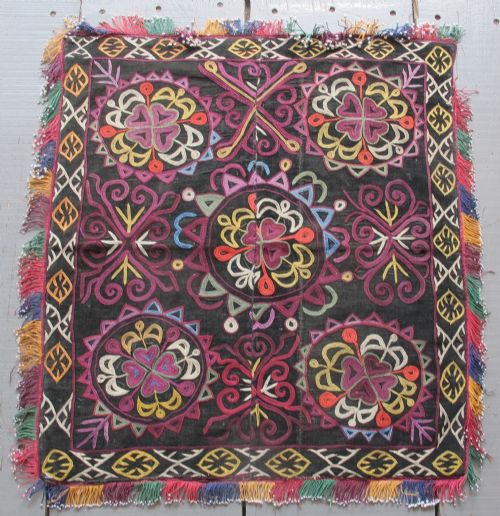
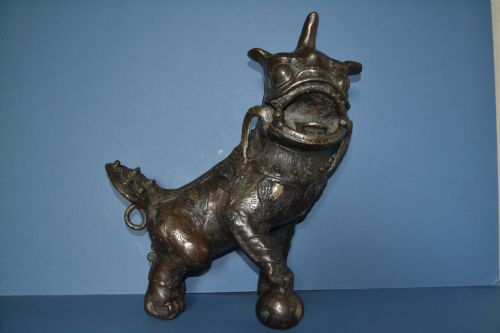
Beyond woodwork, some examples incorporate textile artistry, demonstrated by silk embroidered mirror covers originating from Central Asia. Other objects utilise bronze and mirror glass, combining metal casting with reflective surfaces as seen in temple lion sculptures.
Antique Asian Mirror Retail Price Guide 2026
Typical asking prices for asian mirror among the pieces listed under this phrase on Sellingantiques today, from the lower quarter to the upper quarter. They describe what is for sale here now, not the wider market.
What varies in quality
Quality in these pieces is determined by the precision of the carving, the condition of the lacquer or paintwork, and the integrity of any mother of pearl inlay. Finer examples display meticulous attention to detail in their decorative motifs and structural joinery.
The sophistication of the stylistic execution also separates standard items from exceptional ones, particularly within Chinoiserie and Qing Dynasty pieces where hand-painted or carved elements dictate visual depth.
The Antique Asian Mirror Glossary
- Chinoiserie
- A European stylistic interpretation of Chinese and East Asian artistic traditions, often utilising lacquer and gilt decoration. This style gained particular popularity during the Edwardian period and early twentieth century.
- Lacquer
- A durable resin finish applied in multiple layers to wood surfaces, frequently pigmented in red or black. It provides a smooth, glossy protective coating that can be carved or painted.
- Mother of pearl
- An iridescent inner layer of mollusc shells used for decorative inlay work. Craftsmen cut thin pieces to form intricate patterns embedded in hardwood frames.
Antique Asian Mirror: Frequently Asked Questions
Where should I hang an antique asian mirror?
These mirrors suit hallways, living rooms, and bedrooms where their reflective glass and decorative frames can catch natural light. Pairing them with complementary period furniture enhances their visual impact in a domestic interior.
Ensure the wall fixings can support the weight of heavier hardwood or lacquered frames. Positioning them opposite a window will maximise the reflection of light around the room.
How do I care for lacquered wood frames?
Dust the surface regularly with a soft, dry cloth to prevent dirt accumulation. Avoid using chemical cleaners or excessive moisture, which can damage aged lacquer and paint.
Keep the mirror away from direct sunlight and fluctuating heat sources to protect the wood and inlay work from warping or cracking over time.
Can I use a table mirror on a desk?
Table mirrors provide a functional and decorative accent when placed on dressing tables, sideboards, or desks. Their smaller scale allows them to be moved easily between rooms.
Check the stability of the support mechanism before placing the mirror on a surface. Ensure it rests on a flat area to prevent accidental tipping.