

Antique Asian Lamp
An antique asian lamp brings centuries of craftsmanship into a room, offering a functional light source shaped from transformed porcelain, bronze, and carved hardwood.
Antique Asian Lamp
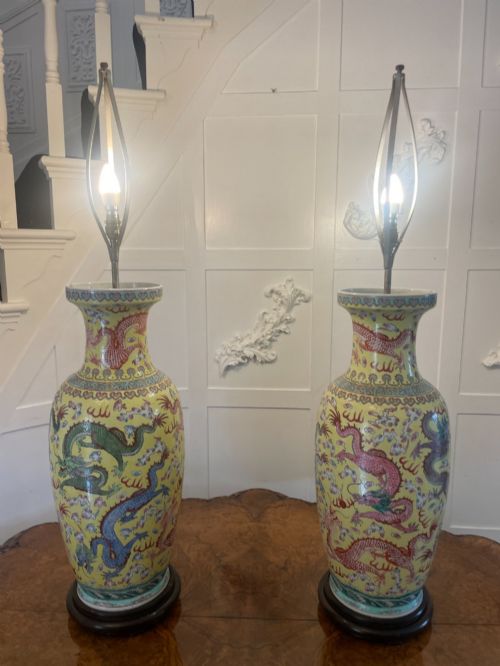
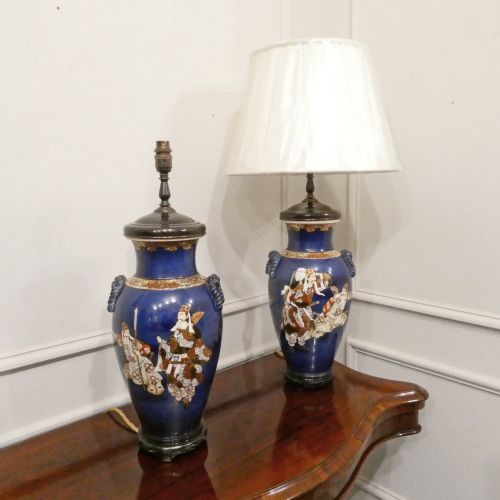
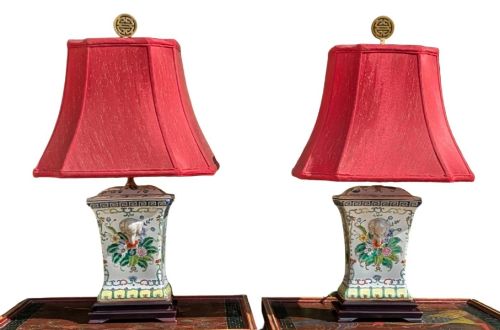
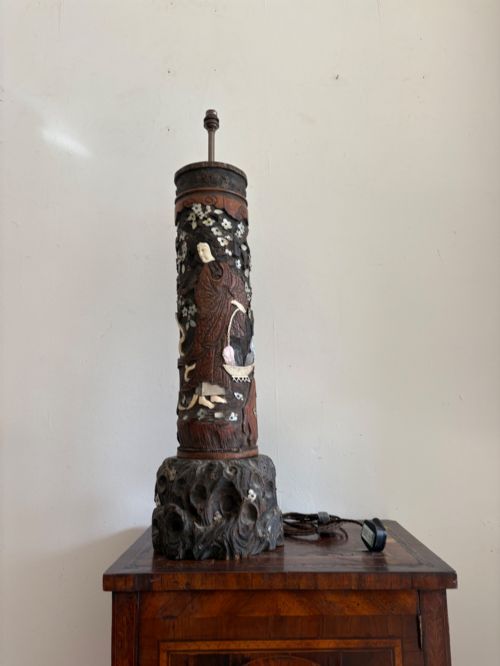
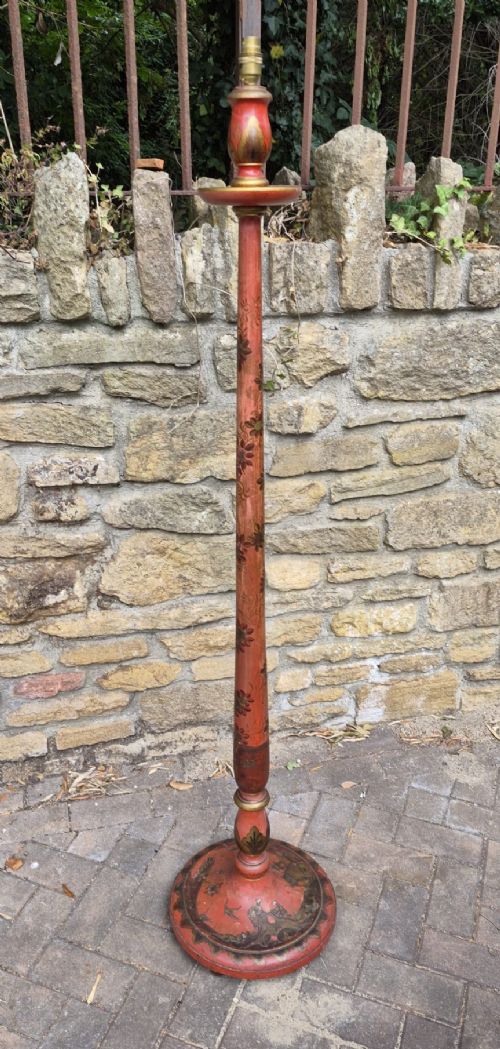
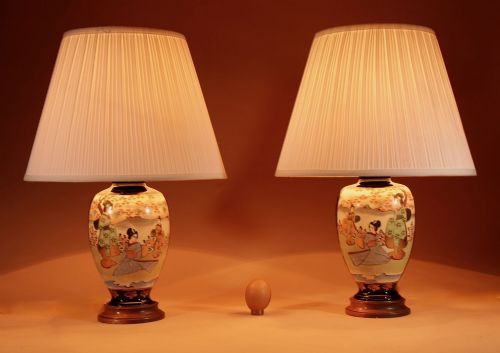
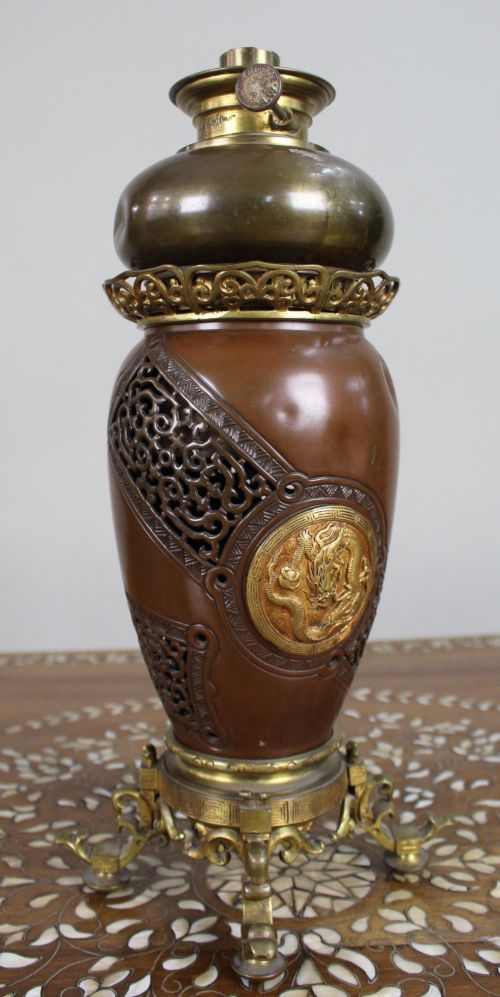
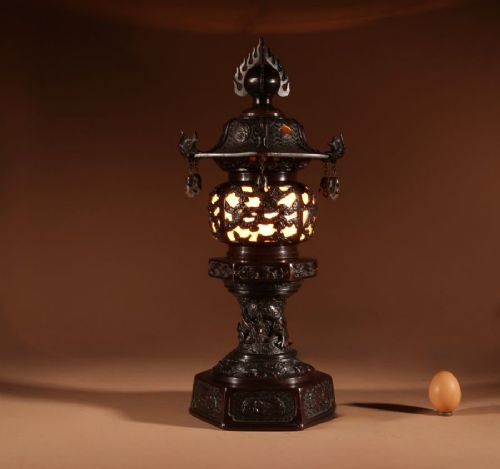
When searching for an antique asian lamp, collectors encounter a diverse range of objects originating from Chinese and Japanese traditions, spanning the nineteenth century through the early decades of the twentieth century. These domestic fixtures often take the form of table lamps, standard lamps, and oil lamps, many created by adapting earlier ceramic vessels, bronze lanterns, and carved brush pots into modern wiring.
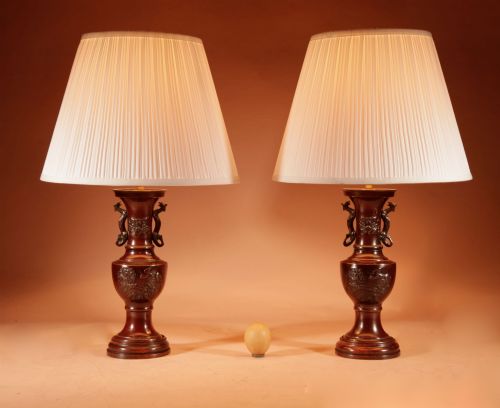
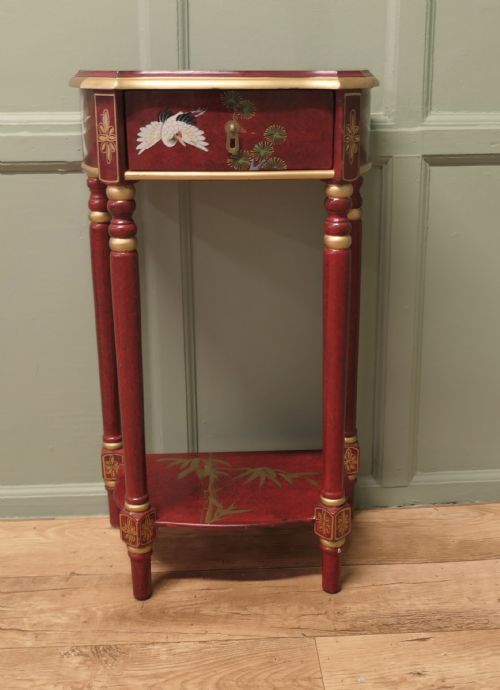
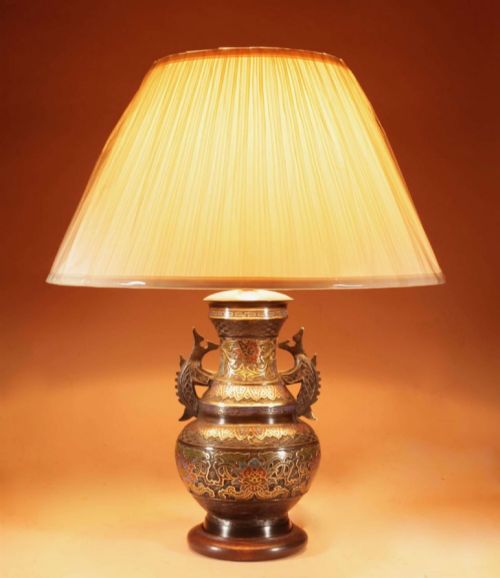
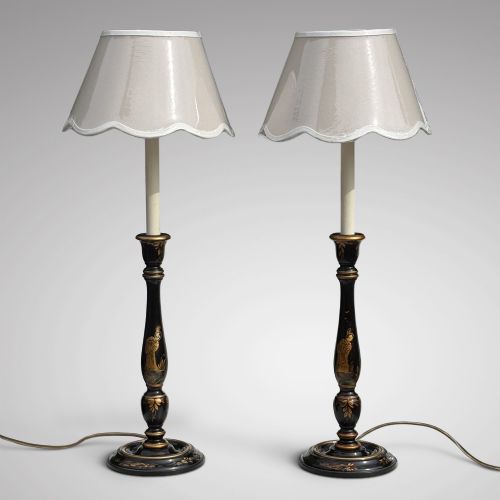
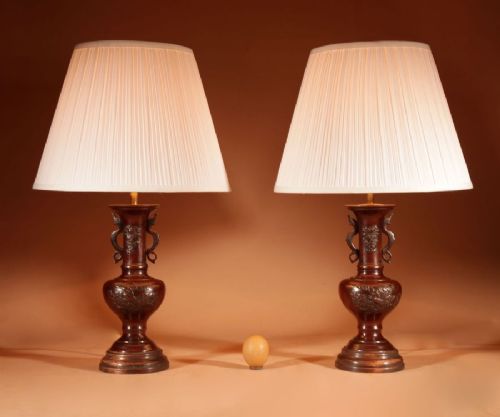
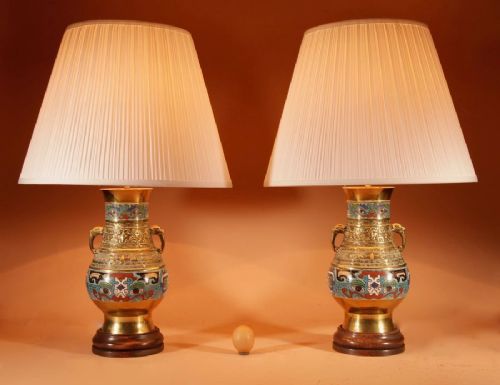
The inventory on this page relies heavily on Japanese Meiji period bronzes, Satsuma porcelain pieces, and Chinese export ceramics alongside Chinoiserie and Edwardian reinterpretations. Buyers meet pairs of large vase lamps, cloisonné enamel examples, and lacquered standards that reflect both eastern artistry and western domestic utility of the past.
Materials and Technique
Makers utilised durable metals like bronze, brass, and copper, often employing champlevé and cloisonné techniques to embed vibrant enamels into intricate surface patterns. Bronze forms were cast using traditional methods, sometimes incorporating sculpted figures of dragons or elephants.
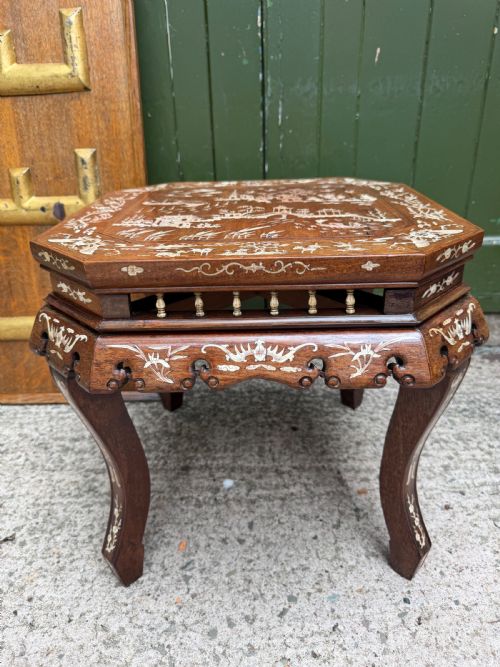
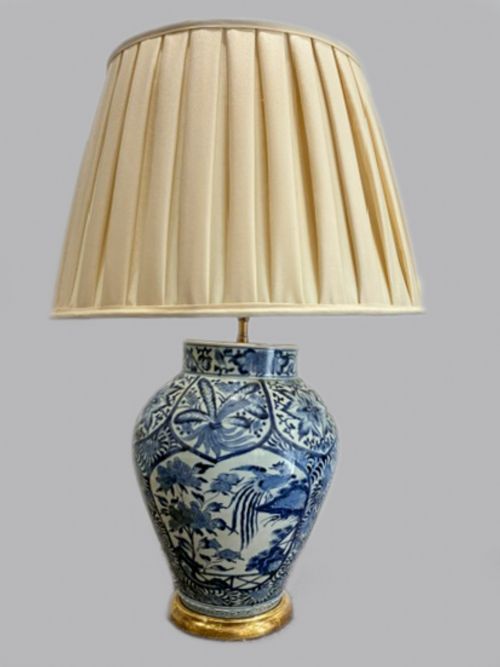
Ceramic bodies such as Satsuma and blue and white porcelain provide smooth canvases for hand-painted glazes, whilst wooden elements utilise carved hardwood, elm, and lacquered finishes. Many pieces integrate bone inlay or mother-of-pearl to accent rich timber surfaces.
Antique Asian Lamp Retail Price Guide 2026
Typical asking prices for asian lamp among the pieces listed under this phrase on Sellingantiques today, from the lower quarter to the upper quarter. They describe what is for sale here now, not the wider market.
Distinctions in Quality
The refinement of a piece rests on the precision of its hand-carved details and the crispness of its bronze casting, where deeply chased motifs outshine shallow, hurried work. Ceramic elements demonstrate superiority through finely controlled glazes, balanced proportions, and intricate hand-painting rather than mechanical transfer printing.
Conversion methods also define standard; professional adaptations preserve the original vessel's integrity without compromising the ancient body, whereas rough drilling diminishes the historical value of a transformed vase or jar.
The Antique Asian Lamp Glossary
- Champlevé
- An enamelling technique where troughs are gouged into a metal surface and filled with vitreous enamel before firing.
- Cloisonné
- A method of decorating metalwork objects with coloured material held in place by flat metal wire soldered to the body.
- Satsuma
- A type of Japanese earthenware originating from Satsuma Province, traditionally characterised by a crackled ivory glaze and polychrome enamel decoration.
- Chinoiserie
- A European artistic style reflecting Chinese artistic influences, prominent in British furniture and decorative objects during various periods.
- Brush pot
- A cylindrical vessel traditionally used in East Asian calligraphy to hold brushes, frequently carved from bamboo, wood, or ivory.
Antique Asian Lamp: Frequently Asked Questions
What is an antique asian lamp?
These items are domestic lighting fixtures created from historic East Asian objects, such as Chinese porcelain vases, Japanese bronze lanterns, or carved wooden vessels.
Many of these pieces began as decorative works of art or utilitarian containers before being converted into lamps during the nineteenth or early twentieth centuries.
How were these lamps used?
Originally manufactured for lighting grand interiors, converted vase lamps and standard lamps provided ambient illumination for Victorian and Edwardian sitting rooms.
They served both a practical domestic function and a decorative purpose, displaying exotic craftsmanship within western homes.
How do I live with one?
Placing these fixtures on sturdy occasional tables or pairing standard lamps with neutral surroundings allows the detailed bronze or porcelain bodies to stand out as focal points.
Ensure the electrical wiring meets modern safety standards while preserving the historic character of the base.
How do I tell periods apart?
Distinguishing eras relies on examining the manufacturing style, such as identifying Meiji period bronzes by their sculptural depth or recognising Edwardian Chinoiserie through its painted lacquer finish.
Materials and decorative motifs often align with late nineteenth-century export standards or early twentieth-century domestic adaptations.