
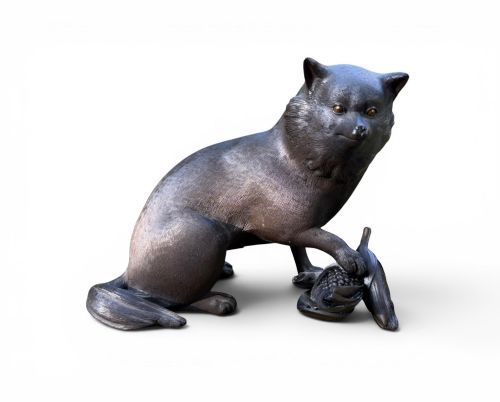
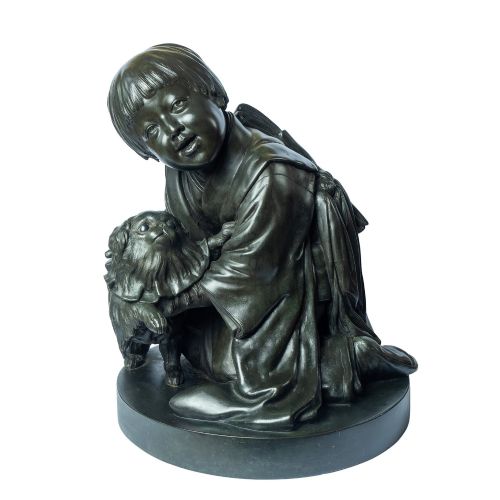
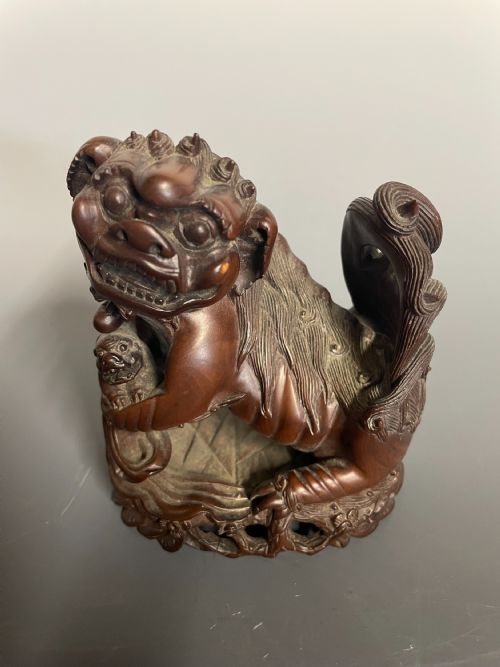


Antique Asian Dog Sculpture
These antique asian dog sculpture pieces range from bronze temple lions to carved wood foo dogs, bringing historic guardianship figures into your home.
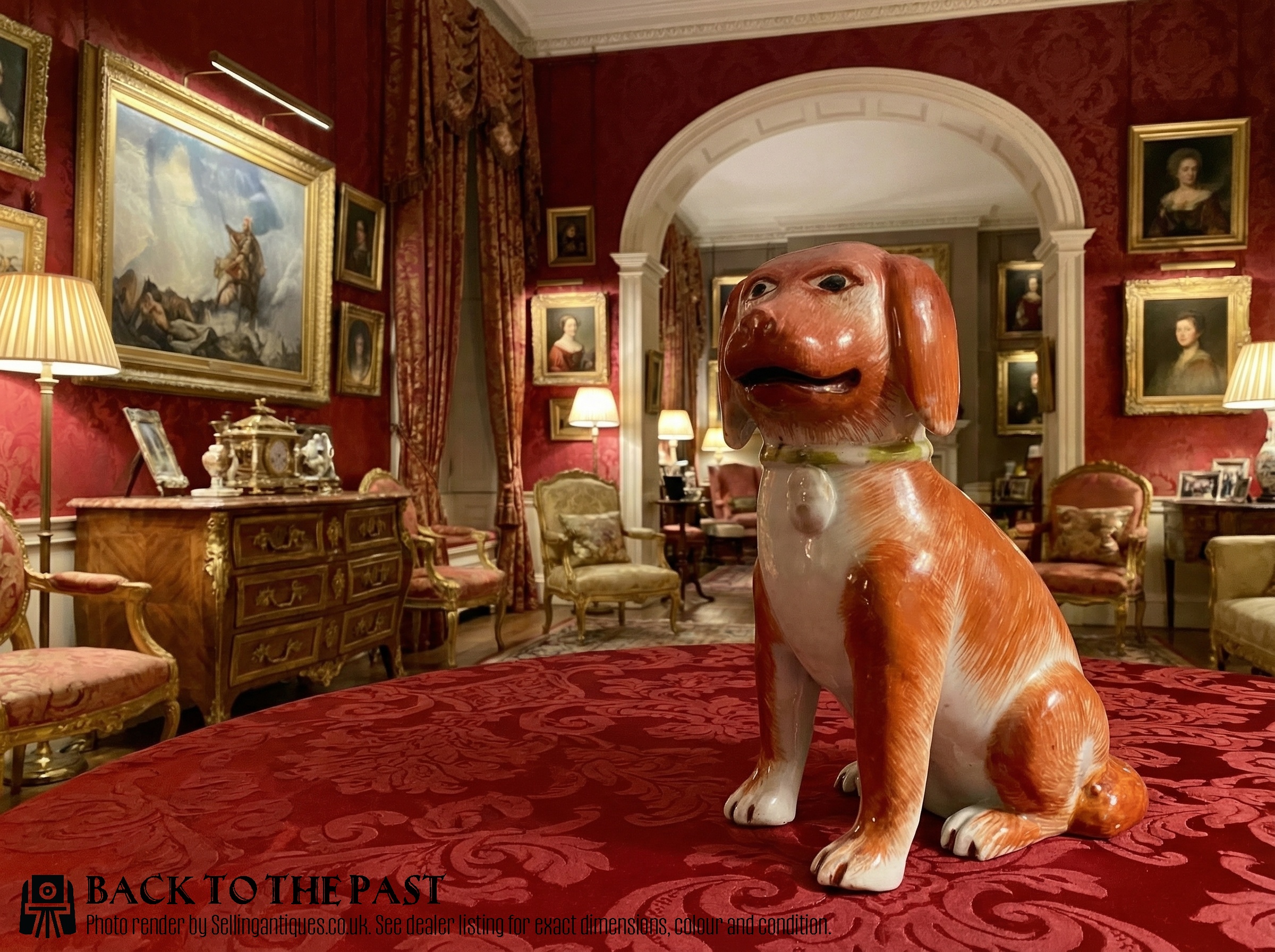
Antique Asian Dog Sculpture
When you search for an antique asian dog sculpture, you encounter figures known variously as foo dogs, shishi, temple lions, and Buddhist lions. These guardian animals derive from Chinese and Japanese traditions, serving historically as protectors of sacred spaces and elite residences.
The selections span multiple centuries, incorporating Ming and Qing dynasty aesthetics alongside Japanese Meiji period works. You meet materials stretching from cast bronze and gilt to carved wood, soapstone, and porcelain.
Forms vary from monumental pairs intended for temple thresholds to small desk seals and okimono intended for scholar spaces. The most frequent discoveries on this page are carved wood pairs and bronze temple figures.
How They Were Made
Metal sculptures utilise lost-wax casting techniques in bronze, brass, and iron, often enriched with gilt or gold leaf finishes. Artisans chased surface details by hand, defining manial curls and muscular forms.
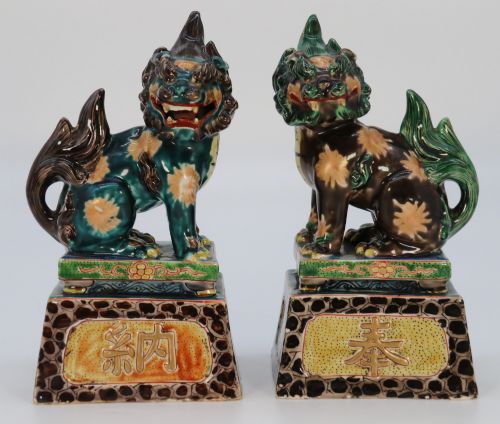
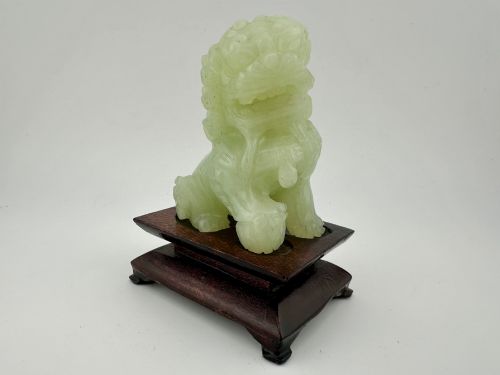
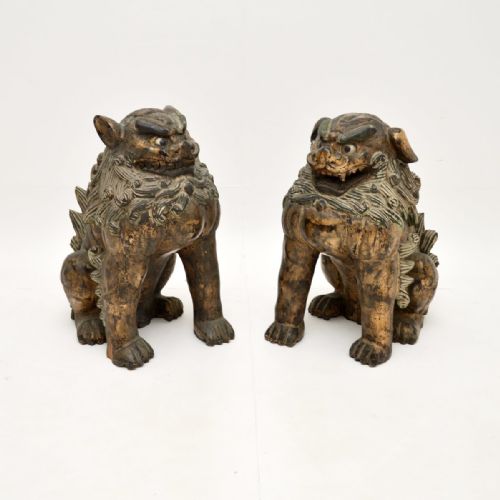
Carved pieces rely on dense timbers, root wood, soapstone, and boxwood, shaped with gouges and chisels to capture the swirling coats and fierce expressions of the guardian beasts. Ceramic examples employ porcelain with enamels and Kutani glazes, fired in kilns to achieve vibrant surface decoration.
Represented periods include the 17th century, 18th century, 19th century, Meiji period, and Qing dynasty.
What Varies in Quality
Execution of anatomical detail and facial expression dictates the standing of a piece, separating spirited carving from stiff replication. Finer sculptures display dynamic tension in the limbs and intricate rendering of the curly manes and tails.
The integrity of the material and patination also drive distinction, whether through the deep, warm oxidation of ancient bronze or the preserved grain of centuries-old root wood and boxwood. Original gilding and polychrome enamels retain depth and vibrancy on superior examples.
Masaaki
The Antique Asian Dog Sculpture Glossary
- Shishi
- A mythical Japanese or Chinese lion-dog that guards sacred spaces and wards off evil spirits. These figures appear frequently in bronze, porcelain, and carved wood.
- Foo Dog
- A popular Western term for the Chinese guardian lion or shishi. They typically sit in pairs with one guarding a ball and the other a cub.
- Okimono
- A Japanese display piece designed for interior decoration, commonly placed in a tokonoma alcove. Many Meiji period examples depict animals and folklore subjects.
- Kutani
- A style of Japanese coloured porcelain known for bold palettes and intricate enamel work. Figures from this tradition often incorporate detailed gilding.
- Seal
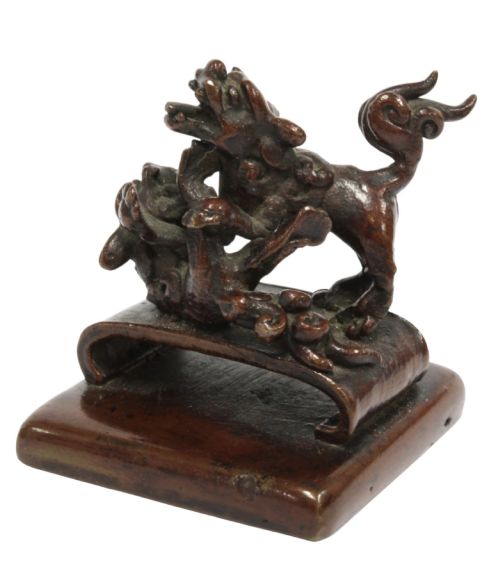
- A carved stamp used for official signatures, frequently topped with a small guardian lion sculpture. Scholars utilised these carved soapstone or bronze desk accessories.
Antique Asian Dog Sculpture: Frequently Asked Questions
How were temple lions used?
Temple lions stood in pairs flanking doorways to guard sacred thresholds and important buildings. The male traditionally holds an embroidered ball under his paw, representing supremacy over territory.
The female holds a cub under her paw, representing nurture and lineage. Together they maintain balance and protection within the space they occupy.
Where should I place a sculpture?
These sculptures suit prominent display on sideboards, mantelpieces, or dedicated display tables where their carved or cast details remain visible. Pairs look balanced when flanking a focal point or entranceway.
Smaller desk seals and okimono fit well within study spaces or cabinets among books and other scholarly antiques.
How do I date these pieces?
Dating relies on stylistic markers associated with specific periods such as the Ming Dynasty, Qing Dynasty, or Meiji Period. Material wear, casting methods, and tool marks help establish the age of the bronze or wood.
Artisans utilised distinct decorative motifs and glazing techniques that shift across centuries, providing clues to the era of manufacture.