
Antique Artwork Print
When you search for an antique artwork print, you are looking at centuries of historic imagery, from eighteenth-century mezzotints to twentieth-century lithographs.
Antique Artwork Print
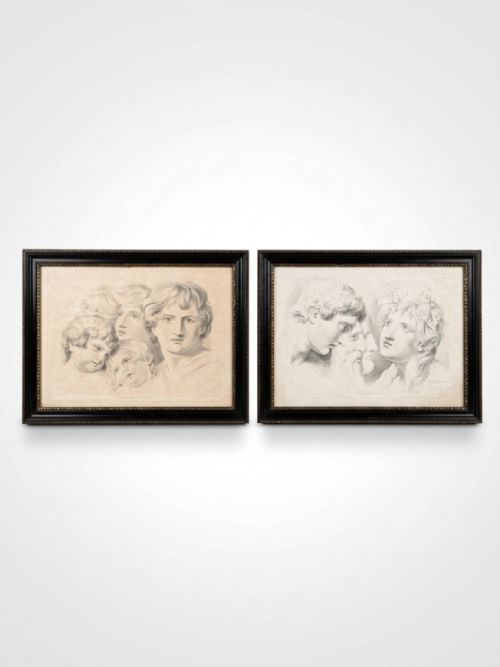
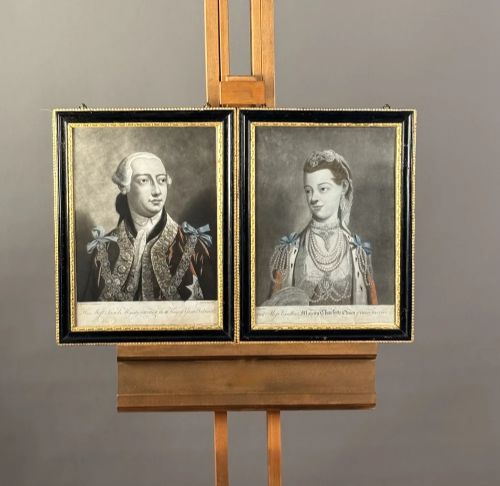
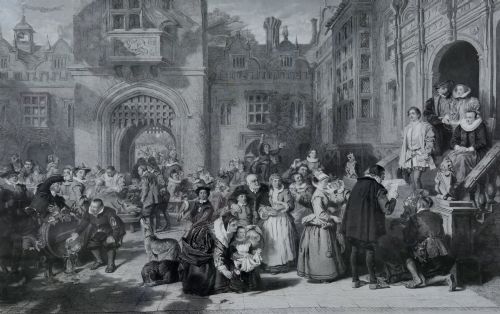
An antique artwork print encompasses various historic graphic works, including framed prints, wall art, and engravings spanning from the seventeenth century through the mid-twentieth century. Buyers searching this phrase most frequently encounter eighteenth-century mezzotint portraits alongside nineteenth-century lithographs and early twentieth-century decorative prints.
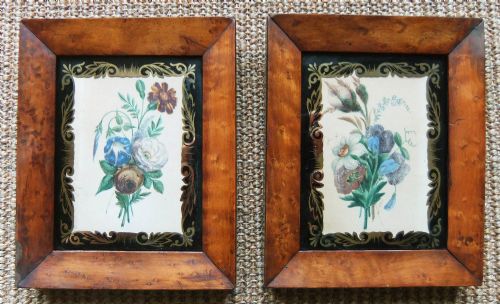
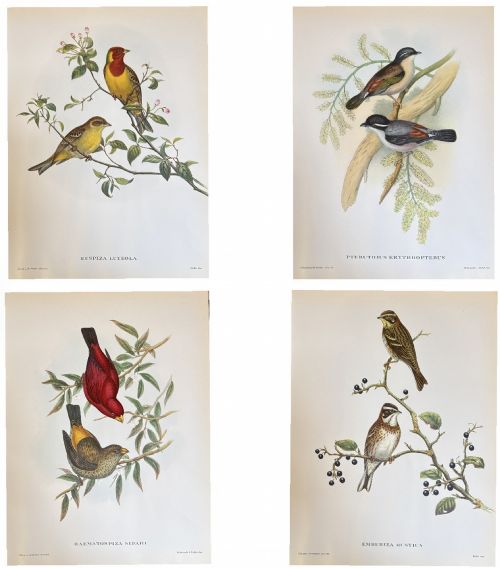
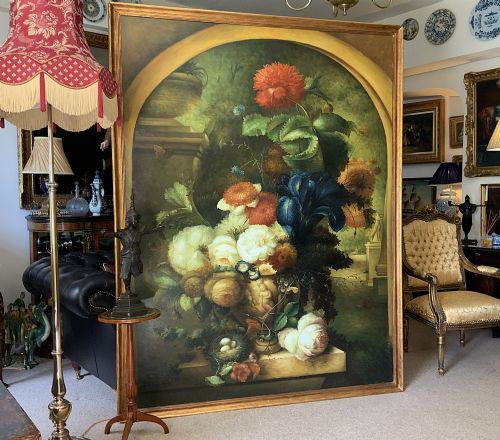
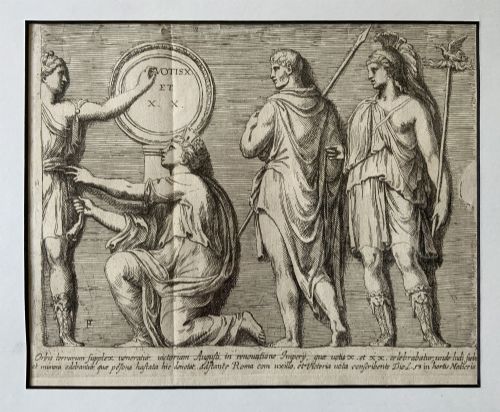
The selection ranges from detailed botanical and anatomical plates to landscape watercolours and advertising posters set within period frames of wood or gilded wood. Each piece reflects the dominant aesthetic of its era, moving from Baroque and Neoclassical sensibilities through to Edwardian illustration and Art Deco graphic design.
How they were made
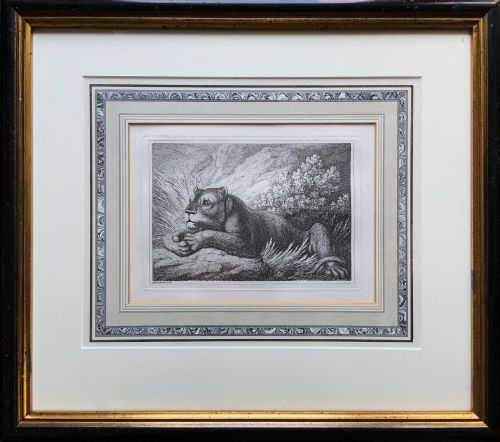
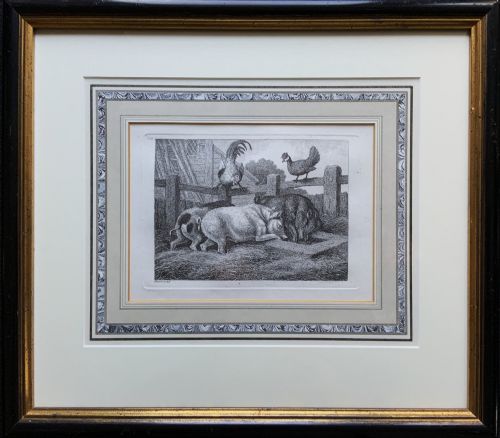
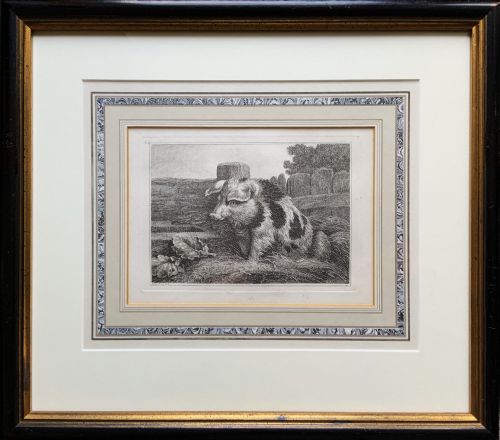
Makers produced these works using paper, ink, and watercolour, applying traditional techniques such as mezzotint engraving, lithography, and woodblock printing. Printers often worked from original paintings by prominent artists, transferring compositions onto metal plates or stones.
Framing involved timber surrounds, occasionally incorporating glass, gold leaf, and gilded wood to protect and display the paper or silk surface beneath.
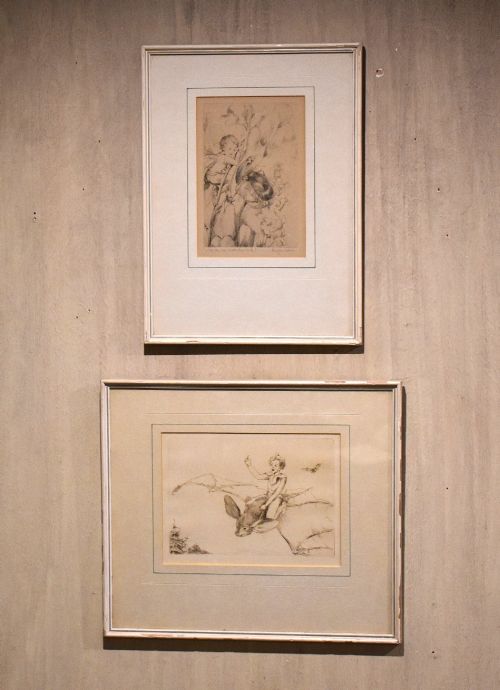
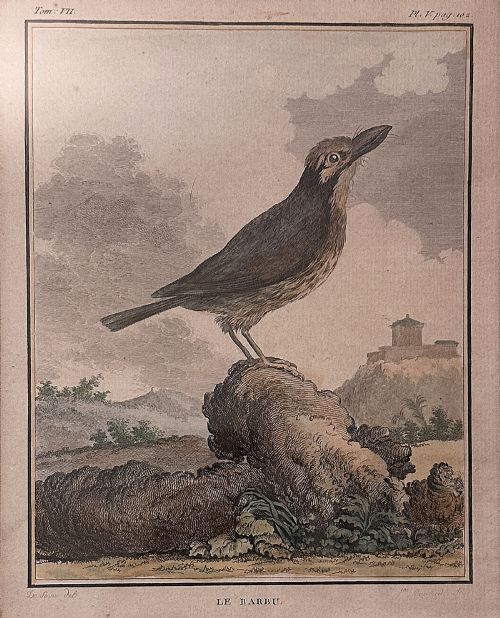
Pekingese dogs, tropical birds, and mischievous cupids all stare out from the archive alongside serious statesmen.
What varies in quality
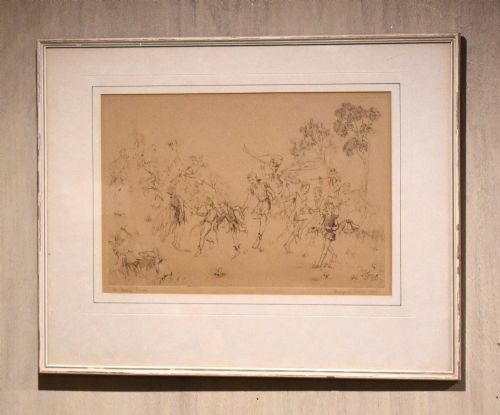
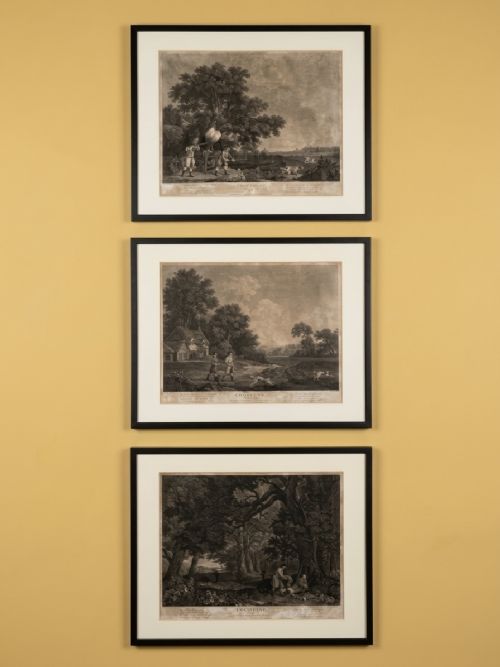
The distinction between tiers rests upon the crispness of the ink impression and the depth achieved in processes like mezzotint or etching. Early pulls from a plate display fine tonal gradations, whereas worn plates yield muddier results.
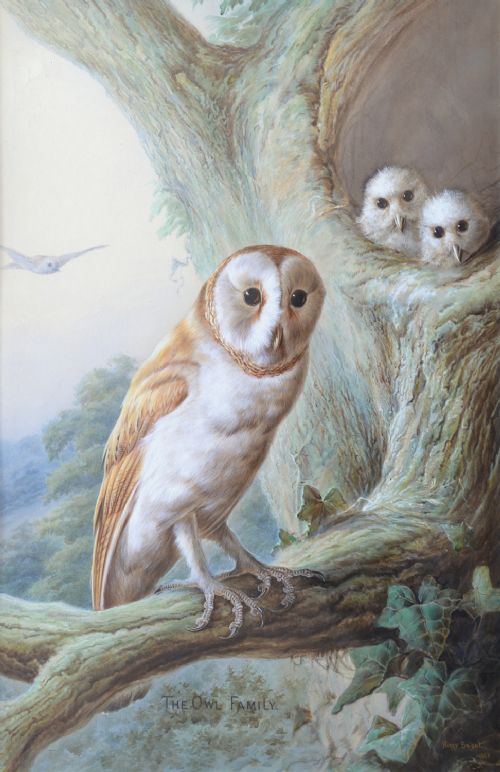
Materials also dictate the grade, with genuine hand-applied watercolour or gold leaf showing superior textural richness compared to standard mechanical colour application.
John Simon·Edward Fisher·John Smith·James Watson·Herbert Dicksee·Sir William Nicholson
The Antique Artwork Print Glossary
- Mezzotint
- A printmaking process where the copper plate is roughened evenly to produce rich dark tones and subtle gradations of light. This technique was widely utilised for eighteenth-century portraiture.
- Lithograph
- A planographic printing method using a flat stone or metal plate on which image areas repel water and accept ink. It allowed for mass production of colourful posters and botanical plates.
- Etching
- A technique where acid bites lines into a metal plate to hold the ink for printing. Artists used this method to create fine, expressive lines.
- Woodblock
- A relief printing method where image areas are carved into a block of wood, leaving the printing surfaces prominent. Japanese examples show precise linear control.
- Gilt
- A thin layer of gold applied to wood frames or surfaces to provide a decorative metallic sheen. It ages with a distinctive patina.
Antique Artwork Print: Frequently Asked Questions
How do I care for my antique print?
Keep your framed print away from direct sunlight to prevent the ink and paper from fading over time. Maintaining a stable room temperature protects the paper fibres from moisture damage.
Ensure the piece hangs securely using appropriate wall fixings suited to the weight of the timber or gilded frame.
How can I tell a print from a painting?
Examine the surface of the artwork closely under magnification to look for the distinct dot patterns, ink lines, or plate marks characteristic of printed media. Paintings display raised brushstrokes and layered pigment.
Prints on paper often show indentation around the image border where the printing plate pressed into the sheet.
What periods do these prints cover?
The inventory spans multiple centuries, beginning with seventeenth-century works and extending through the eighteenth, nineteenth, and early twentieth centuries. Each period brings distinct printing techniques and subject matter.
Earlier centuries favour portrait mezzotints, while later eras introduce advertising posters and botanical sets.
Were these prints always framed?
Many historical prints were sold as loose sheets intended for portfolios or private binding rather than immediate wall display. Subsequent owners selected frames suited to their domestic interiors.
Some items survive in original frames of wood or gilded wood, while others enter the market unframed.