



Antique Artillery
Antique artillery brings together scale models, signal cannons, trench art, and personal military items spanning several centuries.
Antique Artillery
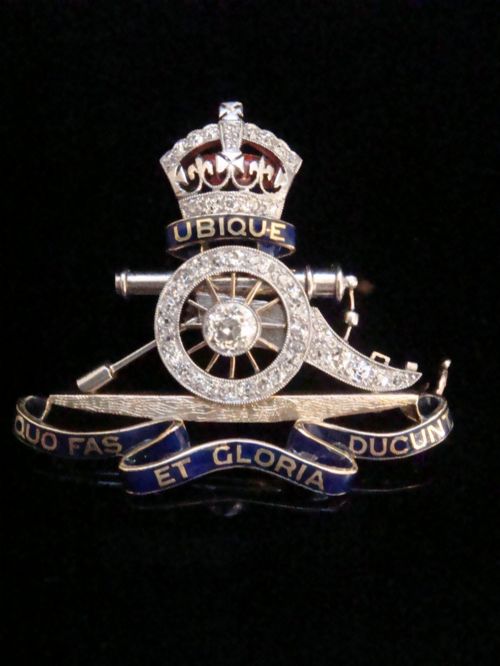
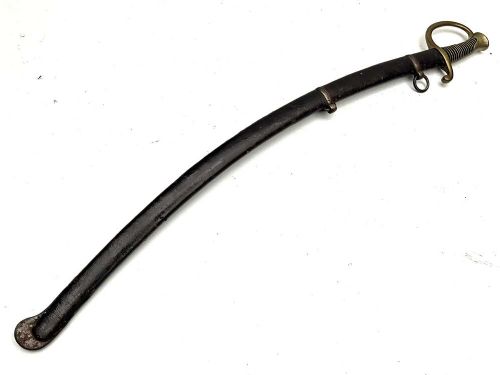
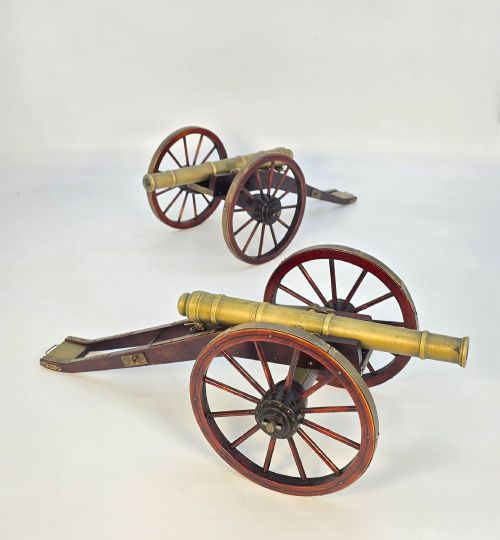
When you search for antique artillery, you encounter a varied assortment of objects ranging from functional signal cannons and scale models of field guns to decorative items, brooches, and framed embroidery. The items on this page bridge domestic display and military history, often reflecting specific maritime and land campaigns.
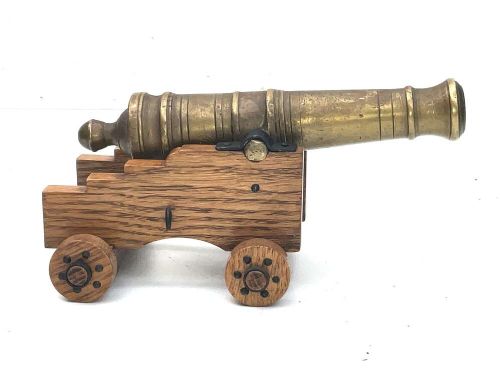
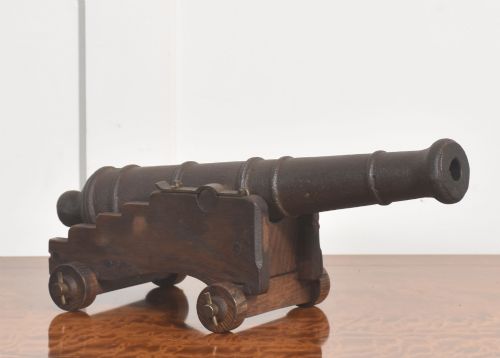
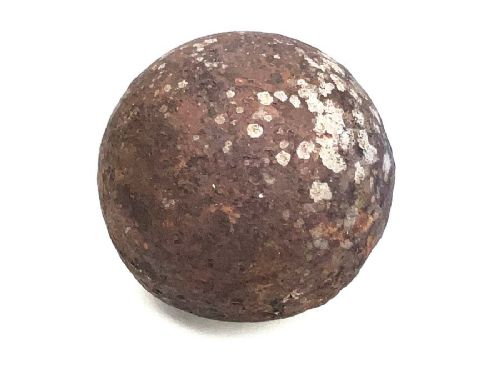
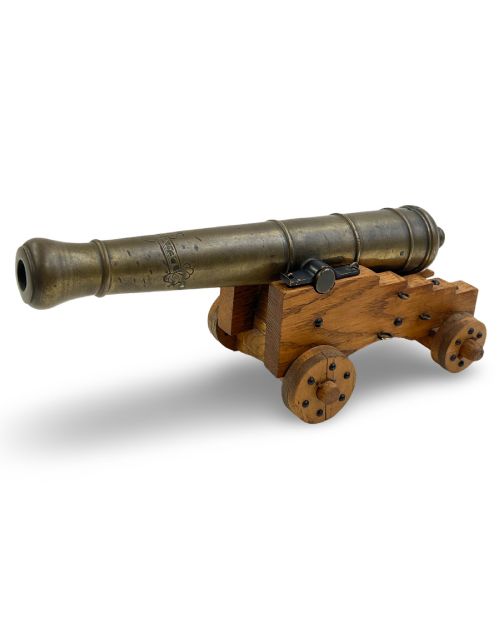
You are most likely to meet 19th-century and early 20th-century pieces, including cast iron and bronze signal cannons mounted on wooden carriages, alongside trench art fashioned from empty shell cases. Smaller personal pieces like Royal Artillery brooches, silk work, and portrait miniatures also form a regular part of the selection.
The origins span English, French, and German workshops, drawing on Georgian, Victorian, and Edwardian styles. Whether looking at a brass barrelled ship's cannon or a pocket watch issued to naval artillery, each piece records the craftsmanship and material culture of its era.
Materials and construction
Metalworking dominates the physical evidence, utilising cast iron, bronze, brass, polished steel, and silver plate to shape barrels, carriages, and decorative mountings. Founders cast bronze and iron for models and signal cannons, achieving detailed surface textures on barrels and fittings.
Antique Artillery Retail Price Guide 2026
Typical asking prices for artillery among the pieces listed under this phrase on Sellingantiques today, from the lower quarter to the upper quarter. They describe what is for sale here now, not the wider market.
Listings feature items spanning the 18th, 19th, and 20th centuries, utilising brass, bronze, cast iron, oak, and glass.
Assessing quality and execution
Quality in antique artillery rests on the precision of the casting and the fidelity of the scale model. Finer pieces display crisp lettering, accurate proportions in the carriage and barrel, and careful finishing of the metal surfaces rather than rough or generalized shapes.
The integrity of the materials and associated mountings further separates standard items from superior examples. Original timber carriages, authentic period inscriptions, and securely set gemstones in personal items indicate higher levels of original craftsmanship.
The Antique Artillery Glossary
- Signal cannon
- A small piece designed to produce a loud report for starting races, signaling hours, or saluting rather than for combat. These are frequently mounted on wood or metal carriages.
- Trench art
- Objects fashioned by soldiers, prisoners of war, or civilians from discarded war material such as spent brass shell cases. They often incorporate engraving, hammering, and military insignia.
- Gribeauval system
- A standardised artillery system introduced in France by Jean-Baptiste Gribeauval during the 18th century, notable in models representing field guns of the period.
- Guilloche enamel
- A decorative technique involving intricate, repetitive patterns engraved beneath translucent enamel, seen on fine Edwardian and later brooches.
Antique Artillery: Frequently Asked Questions
How do I identify trench art?
Trench art is typically made from discarded military detritus, most commonly brass artillery shell cases. Makers used hammers, chisels, and engraving tools to transform scrap metal into vases, lighters, and decorative desk pieces.
Evidence of hand-working, period dates, and military motifs or unit badges help distinguish genuine period pieces. Many items also retain stamps or markings from the original ordnance factories on the base.
Were model cannons functional?
Some model cannons, particularly signal cannons and certain scale replicas, were built with bored barrels capable of firing small charges. Others served purely as static desk ornaments or display pieces.
Care should be taken with older pieces, as metal fatigue or historic alterations mean testing them is generally discouraged. Inspecting the touchhole and barrel interior helps determine whether a piece was designed to be fired.
How should I display brass cannons?
Brass and bronze artillery pieces look best on stable wooden surfaces where their polished metal and dark wood carriages can be fully appreciated. Desk tops, sideboards, and specialised display cabinets provide ideal settings.
Keep them away from damp environments to prevent corrosion of the metal and warping of the wooden carriages. Gentle dusting with a soft cloth is usually sufficient for routine maintenance.