

Antique Artifact
These antique artefact examples span global cultures, centuries of ritual use, and utilitarian history, offering tangible pieces of the past to collectors.
Antique Artifact
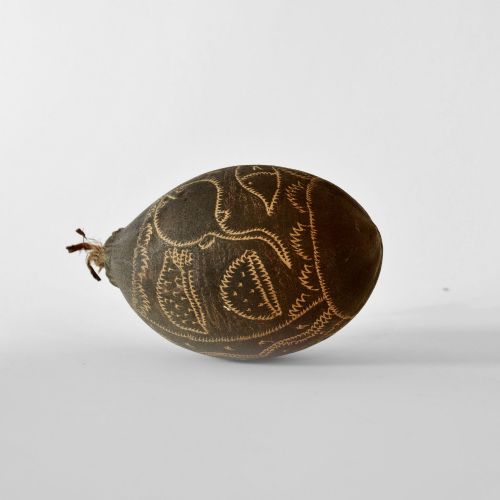
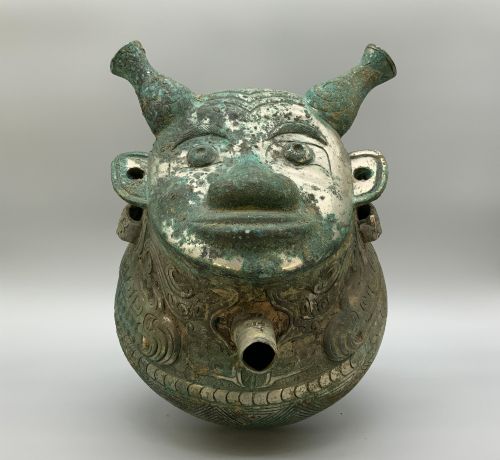
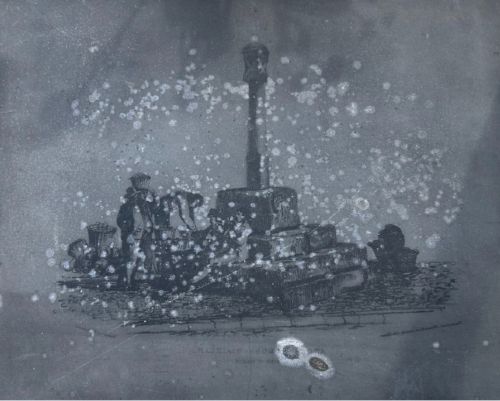
When you search for antique artefact, you encounter a diverse assemblage of objects spanning multiple continents, centuries, and cultural traditions. The selection ranges from ancient vessels and tribal implements to maritime equipment and religious sculptures.
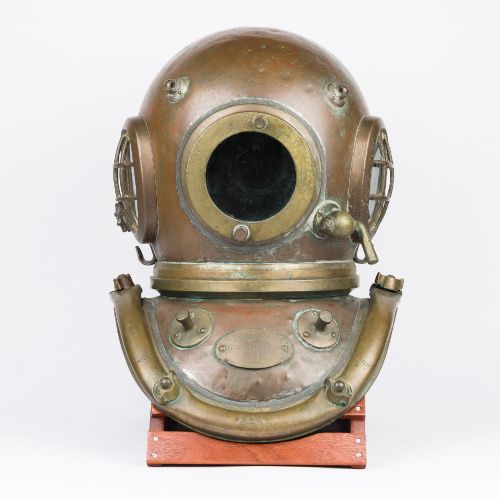
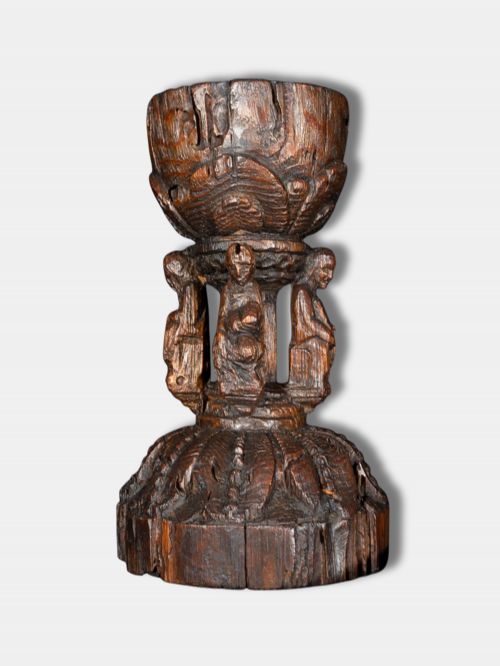
The objects frequently met on this page include 19th-century tribal weapons, ritual bronzes, early carved wood sculptures, and utilitarian maritime items. Each piece carries the distinct cultural or functional purpose of its era of origin.
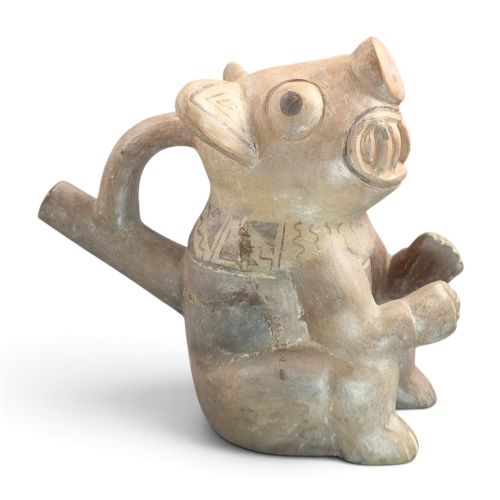
The chronological scope reaches from pre-Columbian ceramics and Han dynasty figures to 20th-century diving helmets and industrial plates. This wide span encompasses ritual items, ceremonial regalia, and everyday tools preserved from diverse global societies.
How they were made
Materials span durable bronze, cast iron, and brass alongside organic media such as hardwood, bone, terracotta, and marble. Artisans shaped these substances using traditional casting, hand-carving, and repoussé techniques appropriate to each culture.
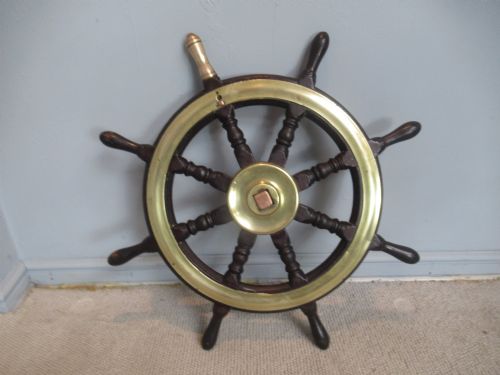
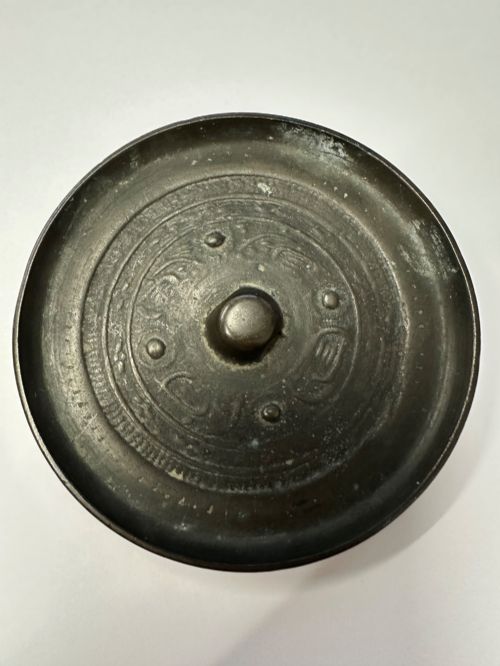
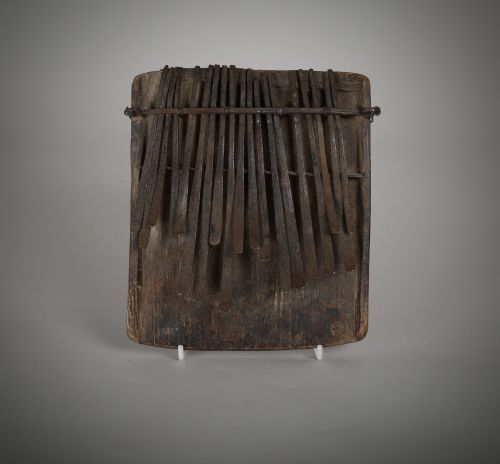
Metal objects utilise bronze casting and iron forging, demonstrated by cast censers, mirrors, and wrought iron anchors. Wood and bone artefacts rely on hand-carving methods, visible in tribal clubs, masks, and manuscript boards.
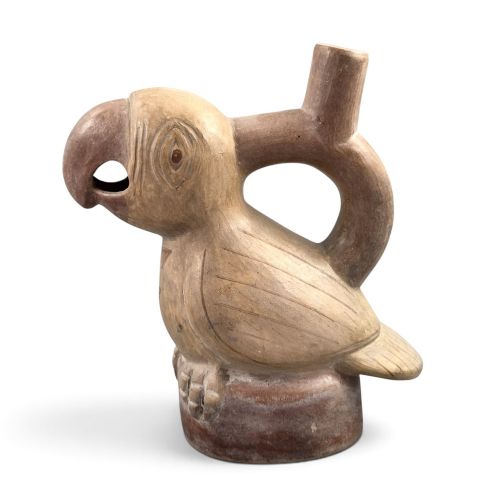
Ceramic pieces incorporate terracotta shaping and painting, seen in pre-Columbian vessels and tomb figures. Surface decorations often involve enamelling, gilding, or detailed repoussé framing on metalwork.
Antique Artifact Retail Price Guide 2026
Typical asking prices for artifact among the pieces listed under this phrase on Sellingantiques today, from the lower quarter to the upper quarter. They describe what is for sale here now, not the wider market.
Items intended for quiet scholarly pursuits sit alongside heavy iron anchors and diving helmets designed for deep-sea work.
What varies in quality
The standard of an antique artefact depends on the crispness of the carving, the integrity of the material, and the preservation of original surface details. Objects with clear iconography and intact patination demonstrate superior craftsmanship.
The execution of fine details, such as high-relief chasing on metal or precise facial expressions on carved wooden masks, separates standard examples from exceptional ones. Wear patterns that reflect genuine period use without structural compromise enhance the integrity of the piece.
The Antique Artifact Glossary
- Repoussé
- A metalworking technique where the artisan hammers the material from the reverse side to form a raised design on the front. This method appears on decorative dagger frames and ritual plates.
- Ornithomorphic
- Shaped in the form of a bird. This descriptor applies to ancient terracotta vessels and ritual objects.
- Mingqi
- Chinese spirit artefacts or tomb figures made for burial with the dead. These terracotta figures represent attendants, animals, or guardians from early dynasties.
- Knobkerrie
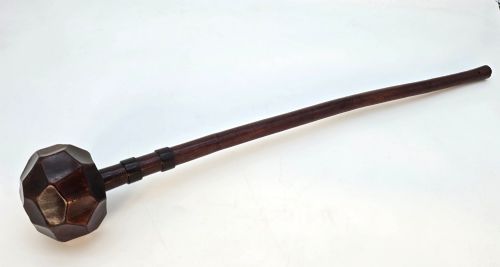
- A traditional African weapon consisting of a heavy wooden club with a rounded knob at the striking end. Examples often feature carved tribal motifs.
- Tsuba
- The guard situated at the base of the grip on a Japanese sword. These metal components frequently display intricate relief carvings.
Antique Artifact: Frequently Asked Questions
What defines an antique artifact?
An antique artefact is a surviving object made or shaped by human workmanship in a past era, typically possessing cultural, historical, or ritual significance.
The selections available span from ancient ritual bronzes and pre-Columbian ceramics to 19th-century tribal weapons and maritime instruments.
How were ritual bronzes made?
Ancient and historic metal items were frequently produced using complex casting techniques such as lost-wax casting. Artisans poured molten bronze into moulds to achieve intricate details.
Surface decoration was often added afterwards through chasing, engraving, or the application of enamel and gilt.
How do I care for wooden tribal items?
Wooden sculptures, masks, and clubs require stable environmental conditions away from direct sunlight and extreme humidity fluctuations. Maintaining consistent indoor climates prevents the wood from drying out or splitting.
Handling should be kept to a minimum to preserve the natural patination and surface pigments accumulated over centuries.
How can I tell the age of pottery?
Dating ceramic objects involves examining the clay body, firing technique, pigment style, and surface wear associated with specific cultures or periods. Pre-Columbian and Han dynasty terracottas exhibit distinct regional characteristics.
Consulting historical context and stylistic evolution helps place unlabelled ceramic vessels within their correct historical timeframe.