


Antique Art Tripod Stand
An antique art tripod stand brings together three-legged support and period craft, offering versatile display or lighting for the home.
Antique Art Tripod Stand
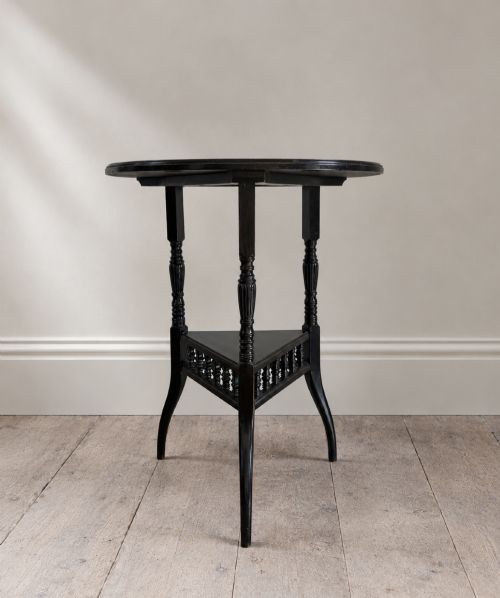
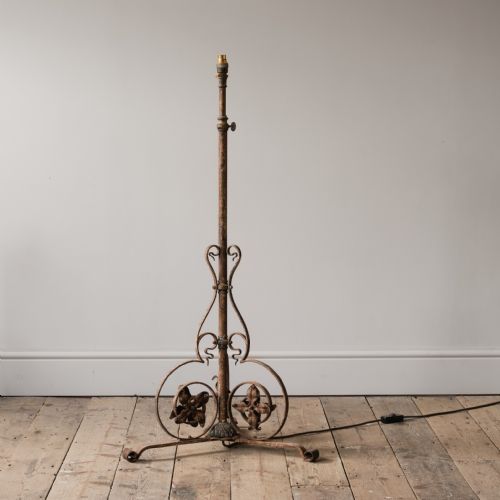
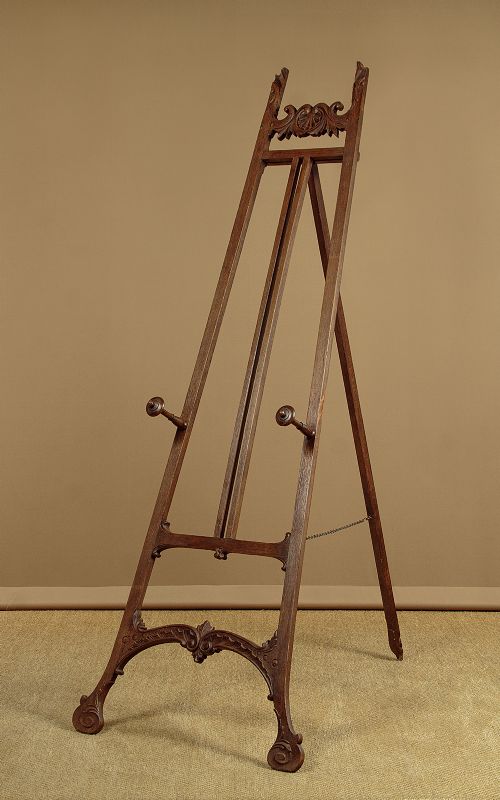
When buyers search for an antique art tripod stand, they encounter a diverse selection of three-legged supports configured for varied domestic purposes. The inventory spans functional lighting and display items, including floor lamps, side tables, plant stands, and display easels.
The objects on this page originate from distinct eras, stretching from the eighteenth century through the Victorian period, Edwardian years, and early twentieth-century decades like 1900, 1910, and 1920. Styles such as Arts and Crafts, Art Nouveau, and Gothic Revival heavily influence the design language of these tripod items.
Forms vary significantly according to their intended function. Tall standard lamps and adjustable floor lamps sit alongside compact side tables, carved jardiniere stands, and specialised pieces like rushlight holders and pokerwork stools.
How they were made
Makers utilised a combination of metals and timbers to construct these three-legged supports. Brass and copper feature prominently in lamps and stands, often paired with wrought iron for structural stability in adjustable floor lighting.
Woodworking traditions are represented through carved oak, ebonised hardwood, and general turned elements such as bobbin turning. Additional materials like fabric and engraved copper trays appear on specific tables and lampshades.
A Scottish nineteenth-century pokerwork stool bears the defiant inscription 'Touch me wha daur'.
What varies in quality
The standard of execution in these pieces depends heavily on the ambition of the design and the skill applied to materials like brass, wrought iron, and carved oak. Examples featuring deliberate artistic detailing, such as engraved copper trays or specific stylistic motifs, demonstrate higher design ambition.
Mechanical complexity also differentiates the range, particularly in adjustable lighting and telescopic standard lamps where functional movement is integrated into the tripod frame.
The Antique Art Tripod Stand Glossary
- Tripod stand
- A piece of furniture or lighting supported by three legs. This configuration ensures stability on uneven floors.
- Standard lamp
- A tall floor-standing lamp designed to provide ambient room illumination. These often incorporate adjustable heights or telescopic mechanisms.
- Jardiniere stand
- A tall pedestal or table designed specifically to hold a plant pot or flower arrangement. They elevate greenery to display height.
- Ebonised hardwood
- Timber treated with a dark finish to imitate expensive ebony wood. This technique was popular in nineteenth-century decorative arts.
- Pricket candlestick
- A candle holder featuring a central spike designed to secure the base of a candle. They frequently appear in ecclesiastical or decorative metalwork contexts.
Antique Art Tripod Stand: Frequently Asked Questions
What is an art tripod stand?
An art tripod stand is a three-legged piece intended for display, lighting, or support within a room. These objects incorporate design movements like Arts and Crafts and Art Nouveau.
They serve practical roles as tables, lamps, and easels while contributing distinct period character to an interior.
How do I use a tripod floor lamp?
Tripod floor lamps provide freestanding illumination in living spaces and reading corners. Many historical examples feature adjustable arms or telescopic columns to direct light.
Position them beside seating areas where their three-legged bases can sit securely on floorboards or rugs.
What materials are common in these stands?
Makers constructed these pieces using metals like brass, copper, and wrought iron. Timber varieties such as oak and ebonised hardwood are equally prevalent.
Some items combine these mediums, pairing metal tripod bases with wooden surfaces or fabric elements.
How do I identify Arts and Crafts pieces?
Arts and Crafts items emphasise visible craftsmanship, honest materials, and functional simplicity. They often showcase hammered brass, exposed construction details, and unpretentious wood surfaces.
Look for structural integrity combined with subtle decorative motifs rather than excessive ornamentation.