


Antique Art Pedestal
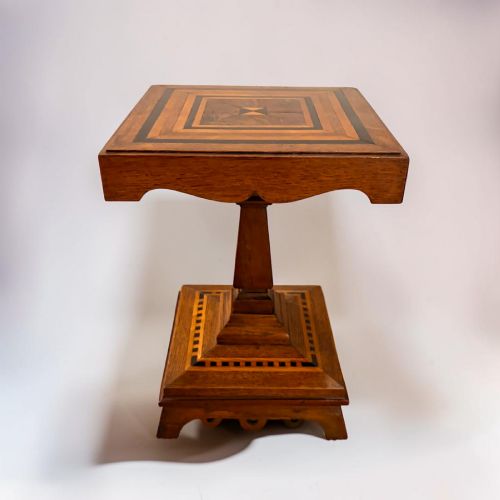
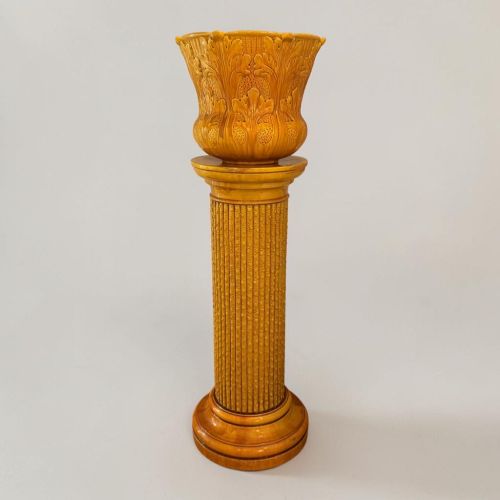
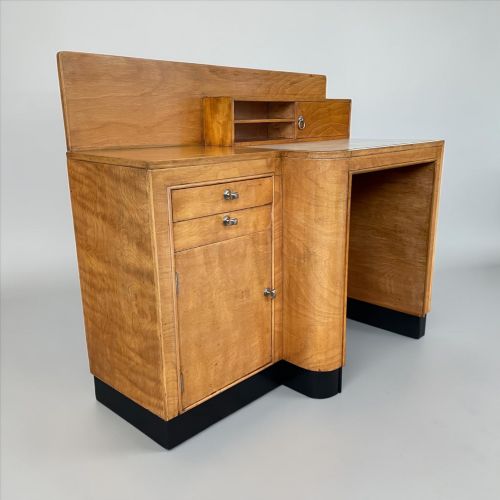
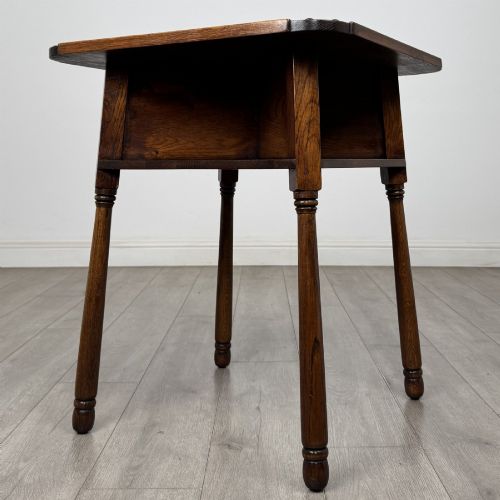
These antique art pedestal pieces include desks, plant stands, and tables spanning the Victorian period through to the 1940s, offering functional surfaces with distinct decorative character.
Antique Art Pedestal
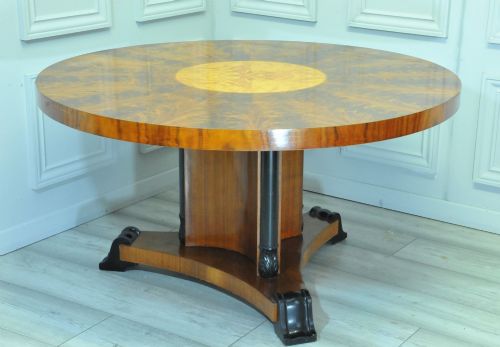
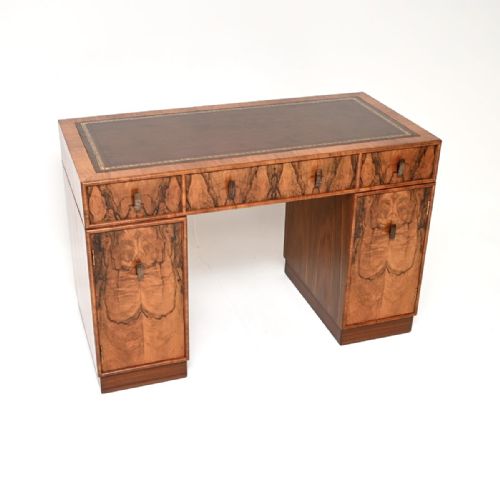
When searching for an antique art pedestal, buyers encounter a diverse selection of furniture and decorative objects rooted in periods from the 19th Century to 1940. The listings encompass substantial twin pedestal office desks in walnut and oak, alongside slender plant stands and occasional tables.
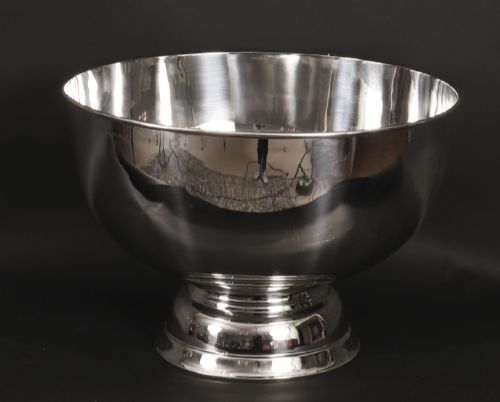
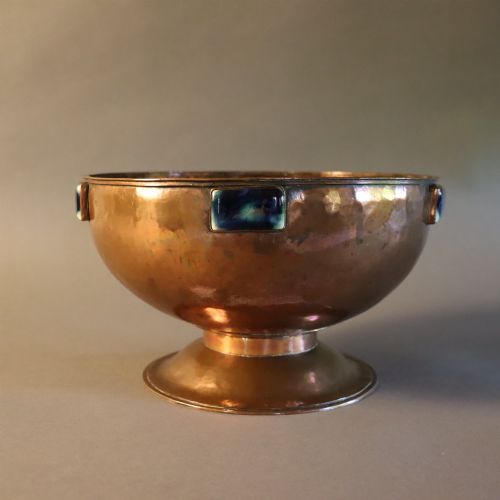
The prevalent forms originate largely from the Art Deco and Arts and Crafts movements, accompanied by Edwardian and Victorian examples. Alongside desks and plant stands, the selection includes bedside cabinets, side tables, and decorative bowls.
Constructed across varied decades, these pieces reflect specific design shifts, moving from carved oak Arts and Crafts forms to sleek burr walnut Art Deco writing desks. The majority present established utilitarian or decorative functions intended for domestic and office interiors.
Materials and construction techniques
Makers utilised solid timbers such as oak, elm, and pitch pine, frequently pairing them with decorative veneers including burr walnut, rosewood, and satin birch. Surface details range from hand-carved vegetal motifs and linenfold panels to brass scroll bases and leather writing inserts.
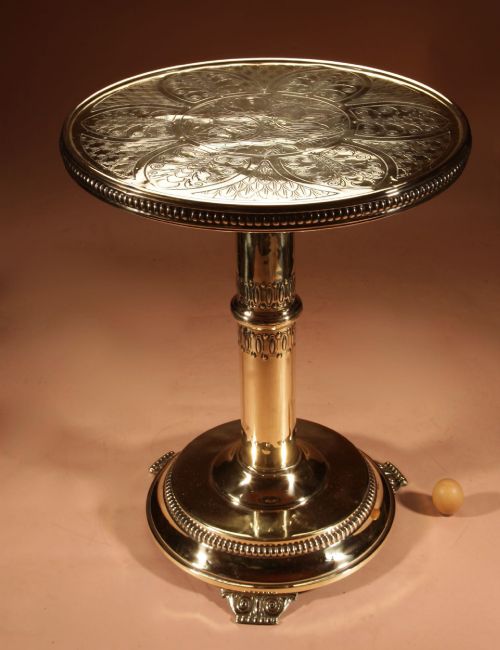
Construction methods combine traditional joinery with period-specific finishing techniques, such as limed oak treatments and hammered silver work. Metal components incorporate brass and sterling silver, while auxiliary materials span glass, marble, and velvet.
Antique Art Pedestal Retail Price Guide 2026
Typical asking prices for art pedestal among the pieces listed under this phrase on Sellingantiques today, from the lower quarter to the upper quarter. They describe what is for sale here now, not the wider market.
Early twentieth-century fairground columns appear alongside domestic desks and plant stands, bringing unexpected architectural theatre indoors.
Assessing quality in construction and design
Quality rests upon the selection of timber veneers and the execution of carved or inlaid details. Pieces employing figured burr walnut or select oak exhibit greater visual depth than plain surfaces.
Integrity of construction defines the upper tier, where drawers operate smoothly, structural joints remain tight, and secondary materials like original leather inserts or brass scrollwork retain their integrity.
Liberty and Co·Bulstrode Cambridge·Goldsmiths and Silversmiths Company·Walter Carter Harrods
The Antique Art Pedestal Glossary
- Art Deco
- A design style from the 1920s and 1930s characterised by streamlined geometric forms and polished wood veneers. It appears frequently on desks and tables in these listings.
- Arts and Crafts
- A movement prioritising traditional craftsmanship and simple forms, often seen in carved oak plant stands and desks. The aesthetic values visible hand-working over mass production.
- Pedestal desk
- A heavy writing table supported by two pillars of drawers or cupboards. Examples here span Edwardian oak and Art Deco walnut versions.
- Plant stand
- A tall, slender support designed for holding flora, constructed in materials like oak, elm, or iron with marble tops. These items often feature multi-tiered platforms.
- Burr walnut
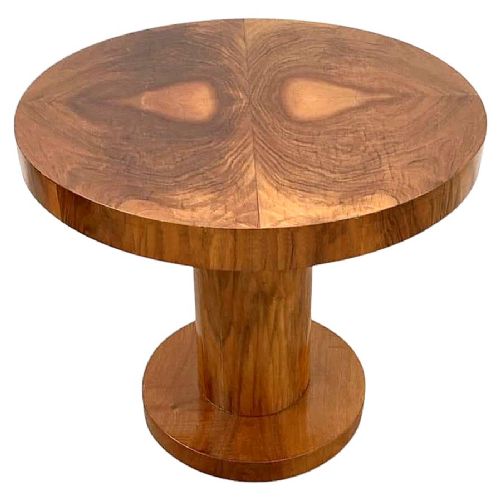
- A wood veneer taken from the growth growths of a walnut tree, creating intricate swirling patterns. Cabinet makers select this material for prominent surfaces on Art Deco desks.
Antique Art Pedestal: Frequently Asked Questions
What defines an Art Deco desk?
Art Deco desks utilise geometric silhouettes, clean lines, and decorative wood veneers like burr walnut and satin birch. They frequently incorporate integrated pedestals and leather writing surfaces.
These pieces date predominantly from the 1930s and reflect a modern, streamlined approach to domestic and office furniture design.
How were plant stands used?
Plant stands served as decorative interior supports to elevate potted plants and urns within Victorian and Edwardian reception rooms. Their tall, narrow profiles allowed them to fit into corners and empty alcoves.
Many examples feature multi-tiered platforms or brass detailing to enhance their display function.
How do Arts and Crafts items differ?
Arts and Crafts items showcase visible hand-craftsmanship, simple structural lines, and plain timber grains like oak and elm. They avoid excessive machine ornamentation in favour of honest construction.
Decoration on these pieces often includes subtle hand-carved motifs or exposed metal hinges and handles.