




Antique Art Object
An antique art object brings centuries of craftsmanship into a room, offering a tangible link to diverse global traditions and domestic vernacular histories.
Antique Art Object
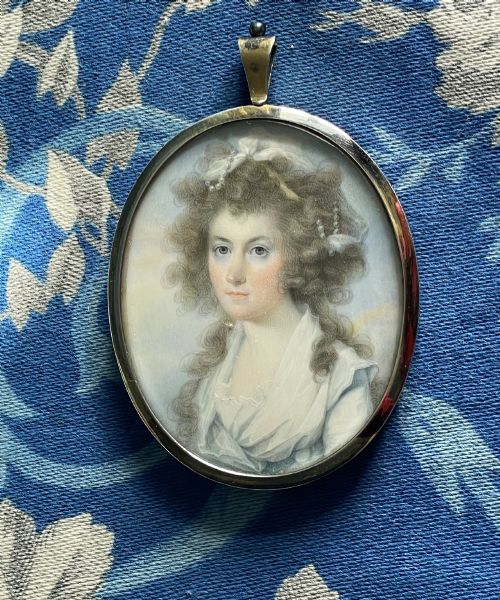
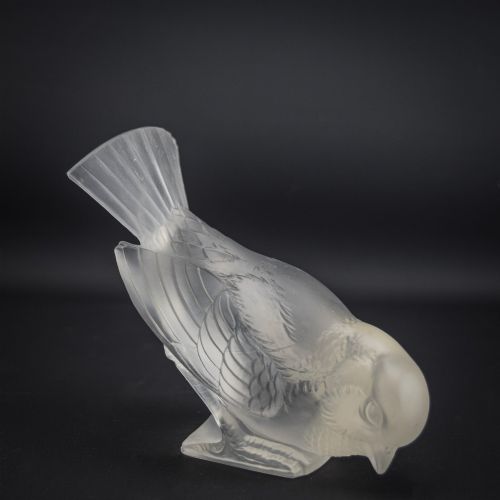
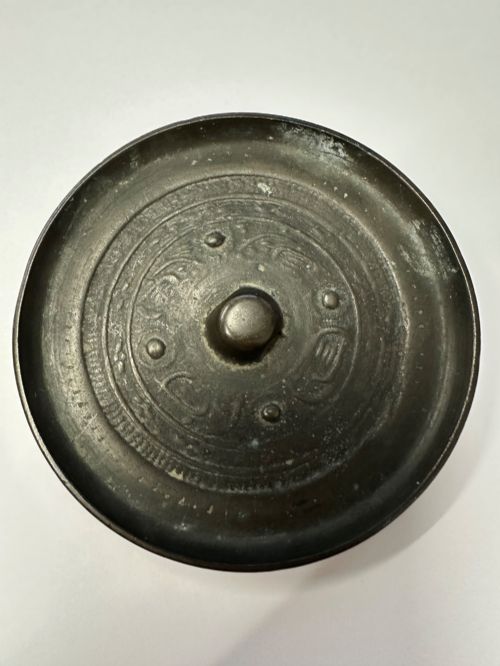
When someone searches for an antique art object, they encounter a broad category spanning utilitarian carvings, ritual vessels, and sculptural works from various centuries. These pieces cross multiple continents, encompassing Asian bronzes, European treen, tribal sculpture, and folk art items.
Origins range from Georgian and Victorian Britain to Qing Dynasty China, the Meiji period in Japan, and pre-Columbian Ecuador. This wide geographic and temporal distribution means collectors encounter distinct cultural aesthetics within a single category.
How they were made
Makers utilised traditional methods suited to their medium, such as lost-wax casting for bronze ritual vessels and hand-carving for hardwood sculptures, treen, and tortoiseshell objects. Artisans also worked with specialised materials like cloisonne enamel, layered jade, soapstone, and blown glass.
Many items combine mixed media, mounting carved bone, ivory substitutes, or metal elements onto wooden bases or trunks. Surface finishes involve natural polishing, paint, ebonising, and intricate pietra dura stone inlay.
Antique Art Object Retail Price Guide 2026
Typical asking prices for art object among the pieces listed under this phrase on Sellingantiques today, from the lower quarter to the upper quarter. They describe what is for sale here now, not the wider market.
Among the historical items, a tiny string ball made of Karelian birch offers a delightful touch of tactile domestic craftsmanship.
What varies in quality
The standard of execution depends on the precision of the carving, the balance of the composition, and the fidelity of the casting details. Pieces executed by skilled hands display crisp lines in jade and bronze, alongside naturalistic proportions in figurative sculptures and animalier works.
Quality also rests on the preservation of the original surface, whether that is a patinated bronze skin, an undisturbed enamel panel, or aged fruitwood grain. Material purity and the complexity of the design distinguish standard domestic items from superior sculptural examples.
The Antique Art Object Glossary
- Treen
- Small handmade wooden household objects. These functional pieces include items like apple corers, knitting sheaths, and nutcrackers.
- Pietra dura
- An artistic technique using cut and fitted polished coloured stones to create decorative images. Italian examples often incorporate specimen marbles.
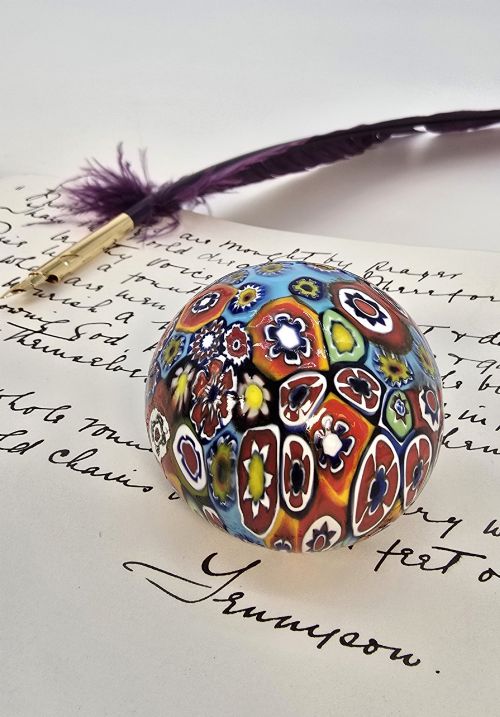
- Millefiori
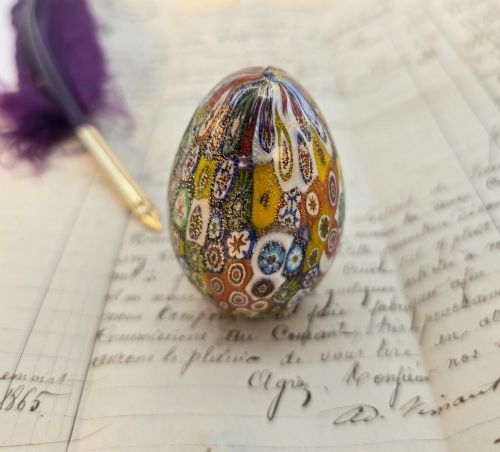
- A glasswork technique producing distinctive patterned designs. This method appears frequently in decorative paperweights.
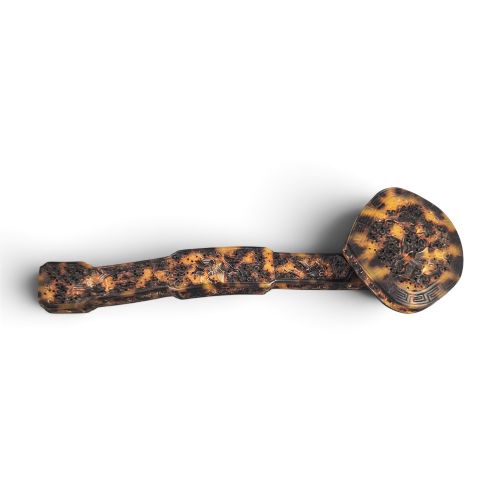
- Ruyi sceptre
- A curved decorative object originating in China that signifies power and good fortune. They are traditionally carved from materials such as jade and tortoiseshell.
- Qilin
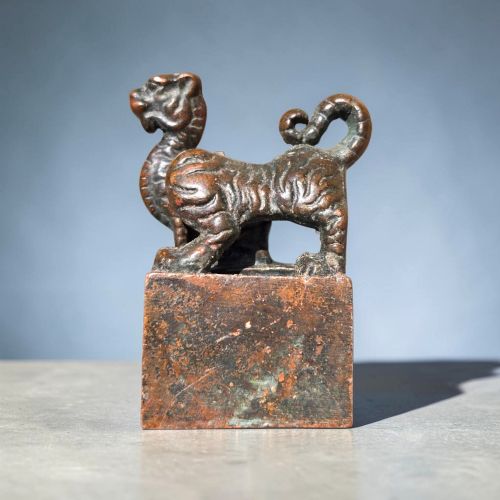
- A mythical hooved Chinese creature appearing in scholarly art and bronze work. Representations of this beast often form part of scholar desk sets.
Antique Art Object: Frequently Asked Questions
What counts as an antique art object?
This category includes diverse sculptural, decorative, and functional pieces created across multiple centuries and global traditions. Items range from Asian bronze vessels and jade carvings to European folk art and treen.
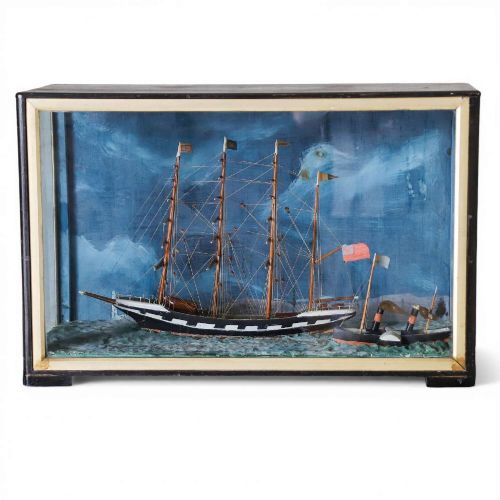
Buyers encounter everything from small scholarly desk items to large maritime dioramas and carved figures. The unifying factor is age combined with artistic or cultural intent rather than a single specific form.
How were scholarly objects used?
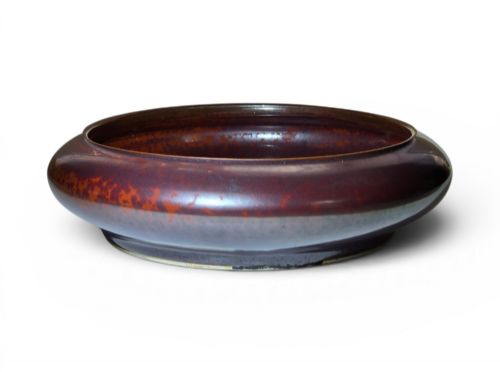
Scholarly items such as brush washers, seals, and sceptres served practical and contemplative functions in traditional studies. Scholars used brush washers to clean ink brushes and soapstone or bronze seals to stamp documents.
These objects were valued for their tactile qualities and symbolic resonance, often kept on desks to inspire refined thought and scholarly pursuits.
How do I care for wooden treen?
Wooden treen and carved objects require stable indoor humidity away from direct heat sources to prevent the wood from drying or splitting. Dusting with a dry, soft cloth preserves the natural surface and patina accumulated over generations.
Avoid using modern liquid polishes or aggressive cleaning agents on antique wood or painted surfaces, as these can alter the historical finish.
How do I identify the period?
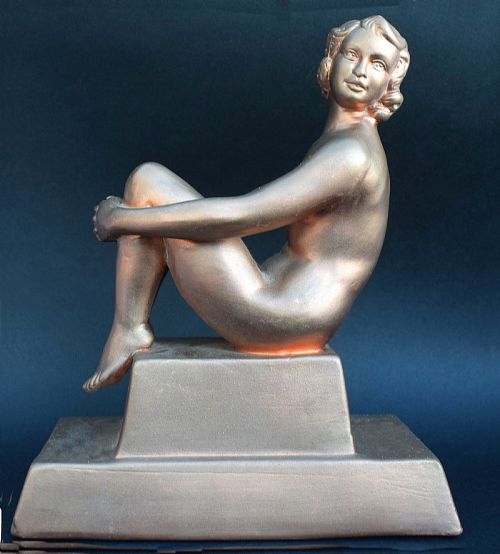
Dating relies on material characteristics, tool marks, stylistic conventions, and cultural markers such as specific dynastic reigns or European design movements like Art Deco. Examining how a piece was constructed reveals period-specific manufacturing techniques.
Comparing items to documented examples from eras like the Meiji period or Georgian Britain helps establish accurate chronological context.