



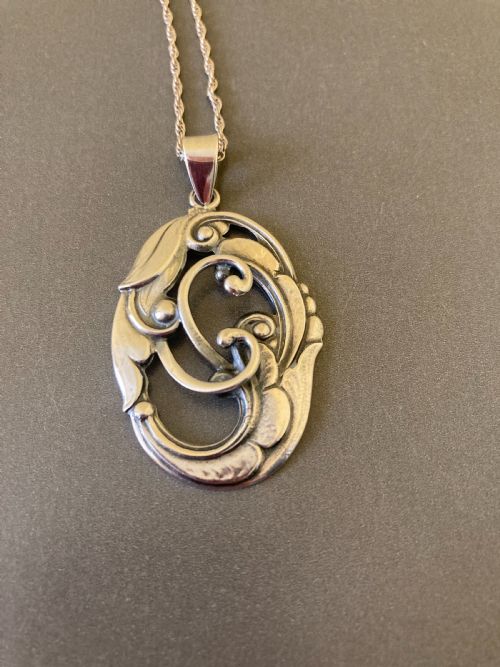

Antique Art Medallion
These antique art medallion pieces unite wearable devotional gold, framed Grand Tour casts, and enamel pendants from the nineteenth and early twentieth centuries.
Antique Art Medallion
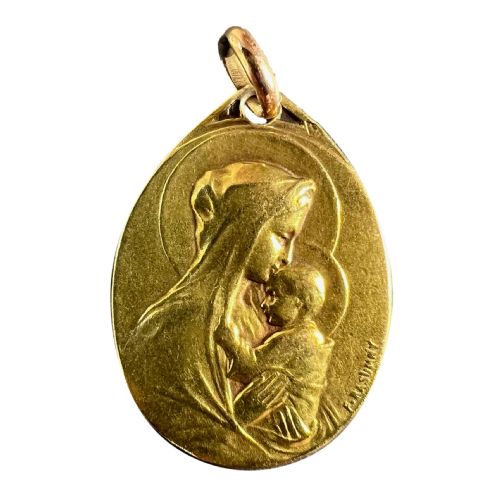
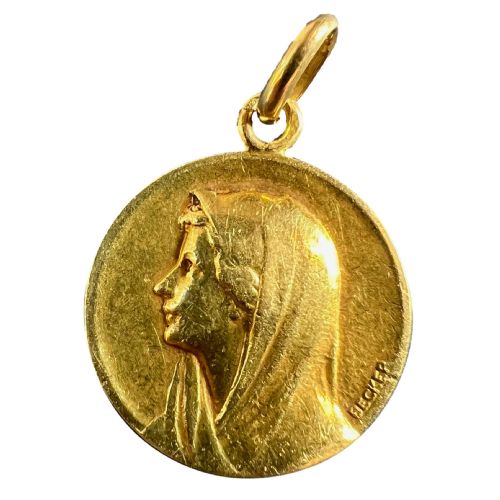
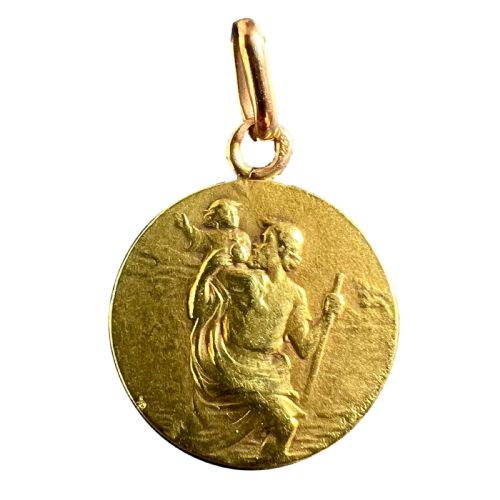
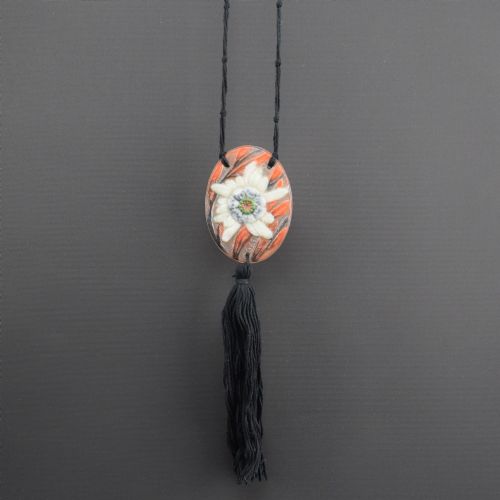
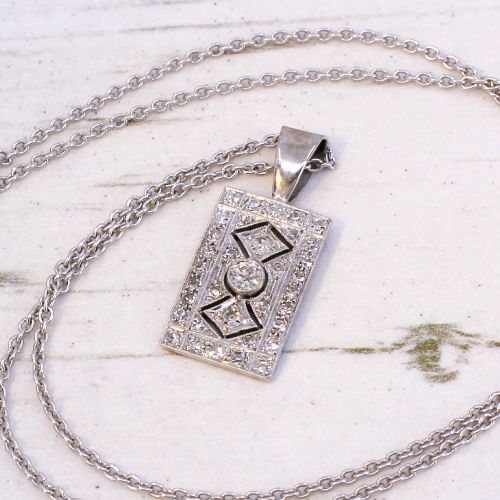
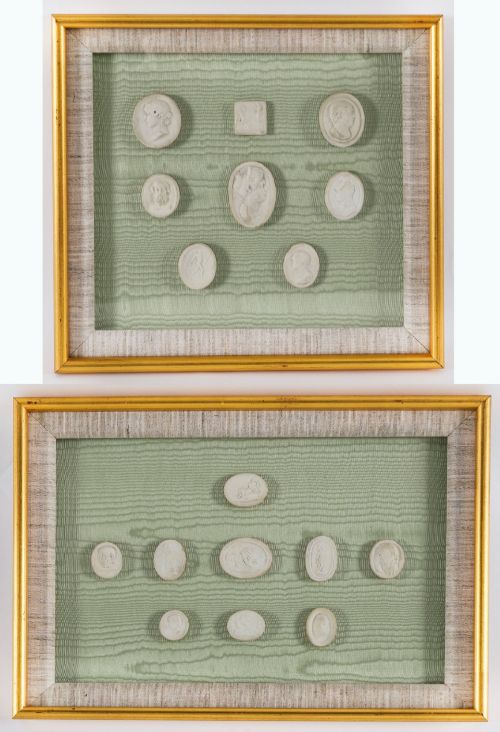
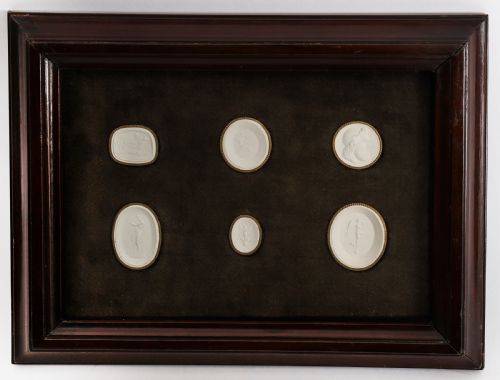
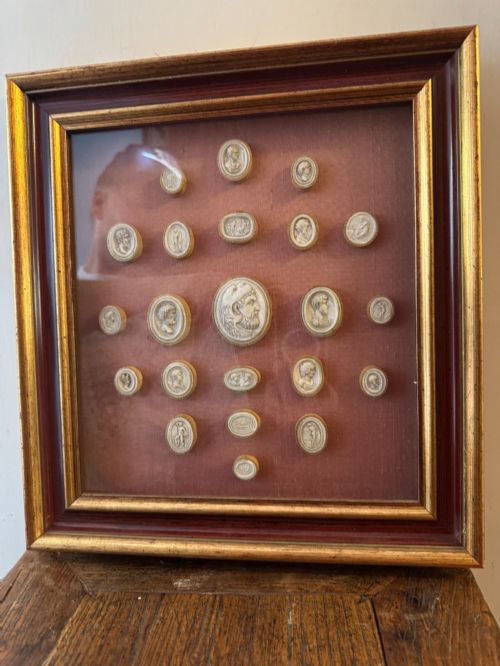
When buyers search for an antique art medallion, they encounter a diverse range of objects spanning wearable jewellery and framed wall displays. The selection primarily includes French religious and commemorative gold medals, intricate enamel pendants, and classical Grand Tour plaster intaglios.
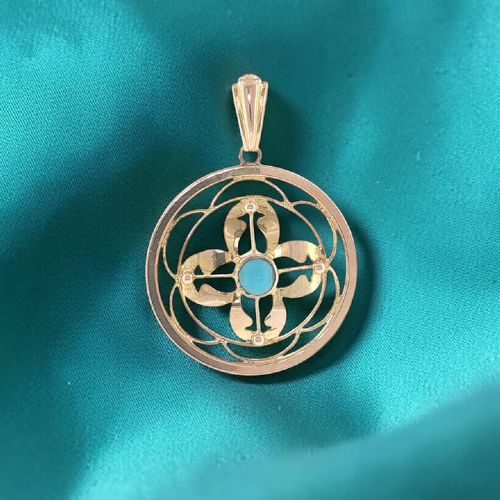
The wearable forms appear most frequently as 18ct yellow gold pendants and charms bearing detailed depictions of religious figures, sporting scenes, or hunting motifs. Framed collections of gypsum and plaster intaglios represent the decorative wall-hanging counterpart within this category.
Dating predominantly from the nineteenth century through the Art Deco and Edwardian eras, these pieces reflect distinct periods of craftsmanship ranging from Georgian miniatures to Arts and Crafts silver work.
How they were made
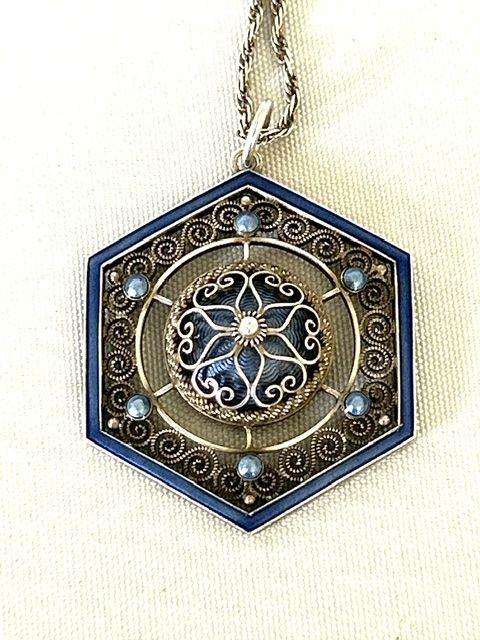
Makers utilised precious metals such as 18ct yellow gold and sterling silver alongside specialised glass techniques like plique-a-jour and guilloche enamel. These materials provide the translucent colour and durable structure essential for detailed medal pendants.
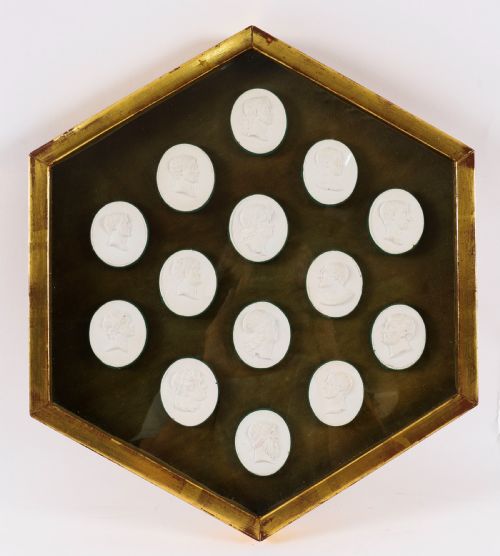
Framed wall pieces rely on plaster, gypsum, and paste to cast classical intaglios and cameo panels derived from ancient sources. Skilled hands set these casts into velvet-lined frames to preserve collections amassed during Grand Tour travels.
Antique Art Medallion Retail Price Guide 2026
Typical asking prices for art medallion among the pieces listed under this phrase on Sellingantiques today, from the lower quarter to the upper quarter. They describe what is for sale here now, not the wider market.
Listings feature items spanning the 18th century through the 1930s, incorporating gold, silver, glass, enamel, and plaster.
What varies in quality
The distinction between standard items and superior examples lies in the crispness of the casting and the depth of the enamel work. Medals bearing signature marks from established French medallists display sharper relief and finer facial expressions.
In framed intaglio collections, the uniformity of the plaster casts and the quality of the surrounding frame determine the overall standing of the piece. Preserved surfaces without chipping or heavy restoration command greater appreciation among collectors.
Charles Horner·Marius Hammer·Clement Messier·Emile Monier·Paul Brandt·Emile Dropsy·Ovide Yencesse·George Engleheart
The Antique Art Medallion Glossary
- Intaglio
- A design engraved into a material so that the impression sits below the surface. These are frequently found in Grand Tour plaster collections.
- Plique-a-jour
- An enamelling technique where the enamel is applied without a backing, allowing light to shine through like stained glass. This method appears on fine Edwardian and Art Nouveau pendants.
- Grand Tour
- A cultural journey undertaken by wealthy young Europeans to study classical art and antiquities. Souvenirs from these trips included framed plaster cast medallions.
- Guilloche
- A decorative technique where a precise repeating pattern is mechanically engraved into metal beneath translucent enamel. This finish is characteristic of early twentieth-century silver pendants.
- Medallion
- A large medal-shaped ornament worn as a pendant or displayed as a plaque. They often commemorate religious figures or sporting events.
Antique Art Medallion: Frequently Asked Questions
What is an antique art medallion?
An antique art medallion refers to small sculptural works made of gold, silver, enamel, or plaster, created as wearable jewellery or framed wall art.
They encompass French religious pendants, sporting medals, and classical Grand Tour intaglio panels from the nineteenth and early twentieth centuries.
How were Grand Tour medallions displayed?
Grand Tour intaglios and plaster casts were typically arranged in custom frames lined with velvet or fabric.
Travellers brought these collections home to display on walls as evidence of their classical education and European travels.
How do I care for enamel pendants?
Enamel requires careful handling to prevent scratching or impact damage to the glass surface.
Keep them away from harsh cleaning chemicals and store them in padded compartments away from harder metals.
How can I tell the period of a medal?
Dating relies on hallmark stamps, the style of the metalwork, and the specific costume or lettering depicted.
Art Nouveau and Art Deco pieces display distinct geometric or flowing organic motifs respective to their decades of production.