




Antique Art Display Easel
An antique art display easel holds a canvas, portrait miniature or photograph with steady poise, bringing structural grace to any tabletop or studio corner.
Antique Art Display Easel
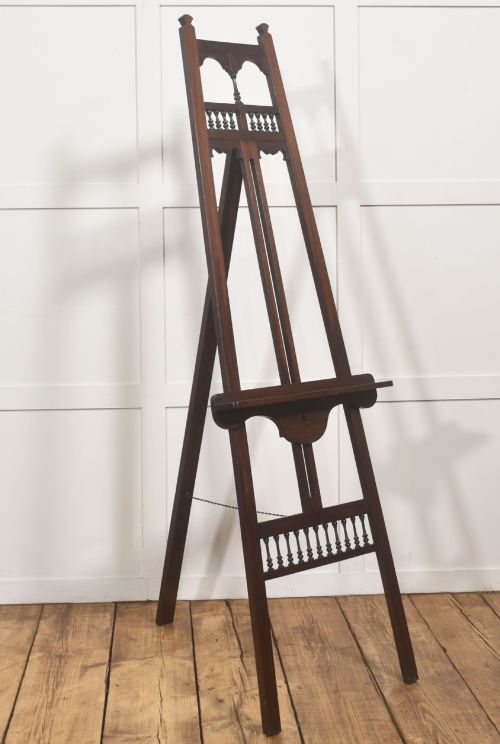
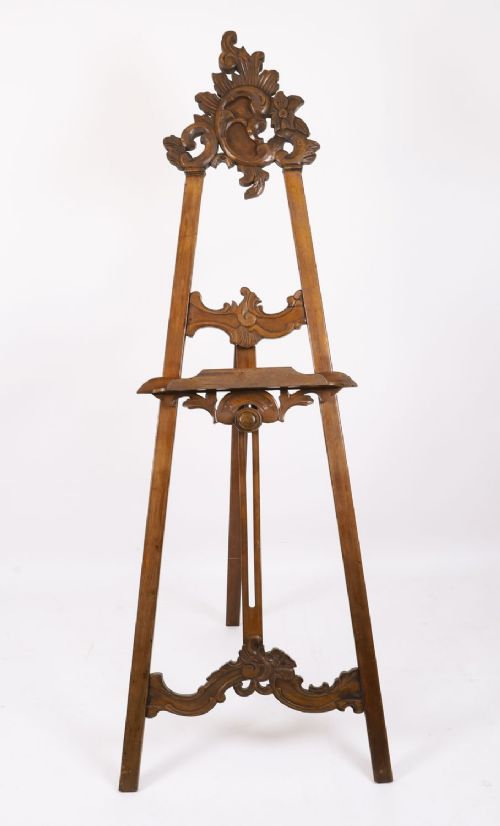
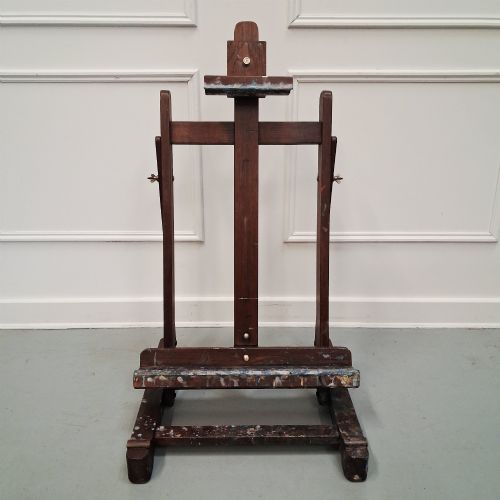
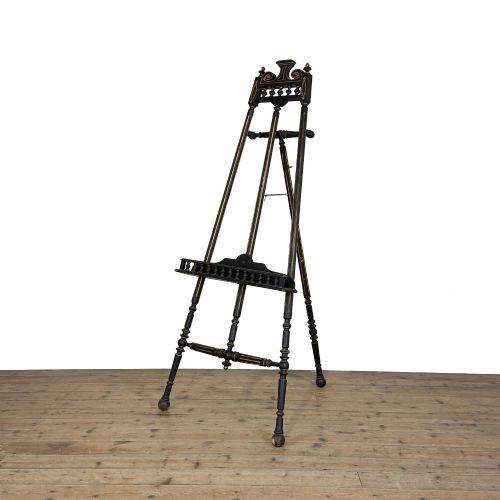
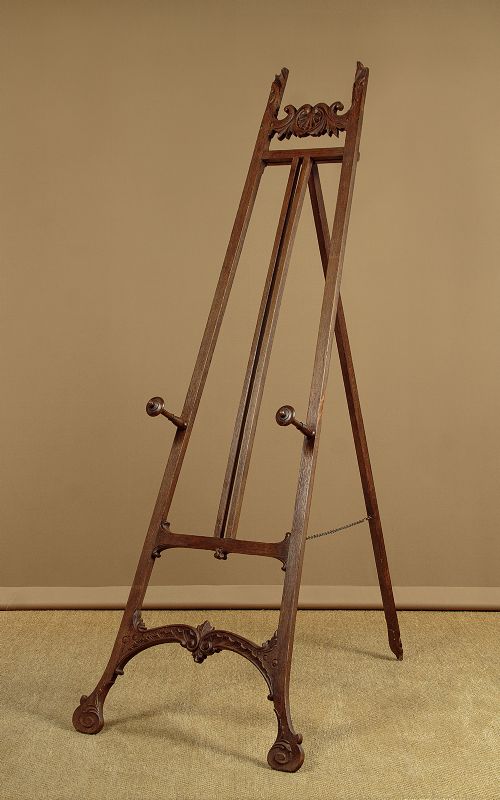
When you search for an antique art display easel, you encounter a specialised piece of studio and interior equipment designed to exhibit paintings, frames and photographs. These functional objects range from large floor-standing studio frames to compact tabletop stands meant for domestic display.
The versions you meet most frequently on this page span the nineteenth century and the early twentieth century, taking forms such as gallery models, double-sided stands and folding tabletop supports. They originate from British, French and Italian workshops, reflecting diverse regional tastes in interior decoration.
Makers produced these stands in various configurations, including tall artist studio models and diminutive portrait miniature holders. Each piece balances practical utility with decorative woodworking or metalwork typical of its period.
Materials and construction methods
Cabinetmakers utilised hardwoods such as oak, mahogany, walnut and pitch pine to build sturdy frames that could bear the weight of heavy canvases and framed works. Ebonised finishes and exotic veneers like ebony appeared alongside intricate details including ivory inlay and gold leaf.
Metalworking played a significant role, yielding structural elements and decorative frames cast in brass, sterling silver and gilt metal. Artisans employed carving, turning and joinery techniques to shape the legs, ledges and adjustment mechanisms of each stand.
Antique Art Display Easel Retail Price Guide 2026
Typical asking prices for art display easel among the pieces listed under this phrase on Sellingantiques today, from the lower quarter to the upper quarter. They describe what is for sale here now, not the wider market.
Periods represented across the inventory span the Victorian era, the Edwardian period, and the early twentieth century up to nineteen-thirty.
Judging quality and craftsmanship
The finest examples display meticulous hand-carving and careful selection of timber grain, whether in figured mahogany or quarter-sawn oak. Superior joinery ensures that adjusting mechanisms operate smoothly and structural joints remain rigid under weight.
Refinement in decorative details, such as precise brass mounts, delicate ivory inlay or well-executed ebonising, separates standard utility items from pieces made for formal reception rooms. The integrity of the original finish and the balance of the proportions dictate the standing of an individual piece.
The Antique Art Display Easel Glossary
- Gallery easel
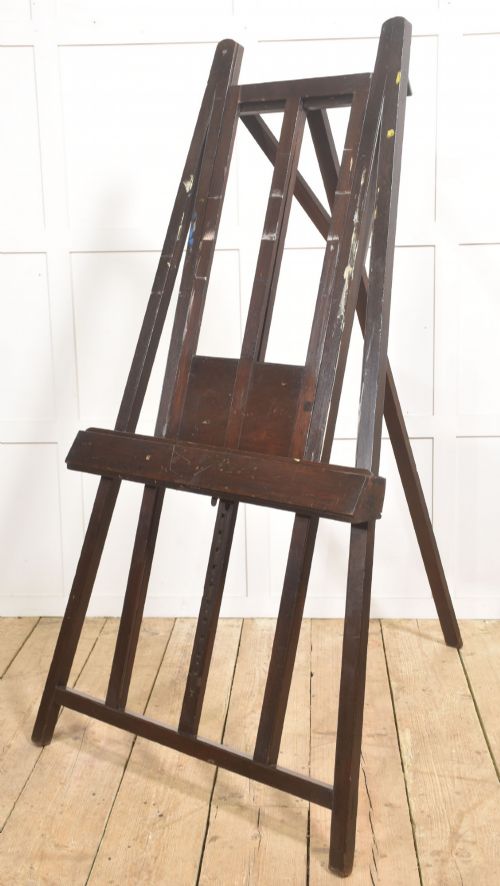
- A display stand featuring a wide adjustable ledge specifically designed to showcase finished paintings or framed artworks in a gallery or drawing room.
- Ebonised wood
- Timber treated with a dark stain or finish to imitate the appearance of expensive ebony, frequently used in nineteenth-century decorative items.
- Portrait miniature
- A small, highly detailed painting, often on ivory or vellum, housed within its own specialised stand or folding frame.
- Pitch pine
- A resinous softwood utilised in furniture and easel construction during the late nineteenth and early twentieth centuries, valued for its distinct grain pattern.
Antique Art Display Easel: Frequently Asked Questions
What is a tabletop easel?
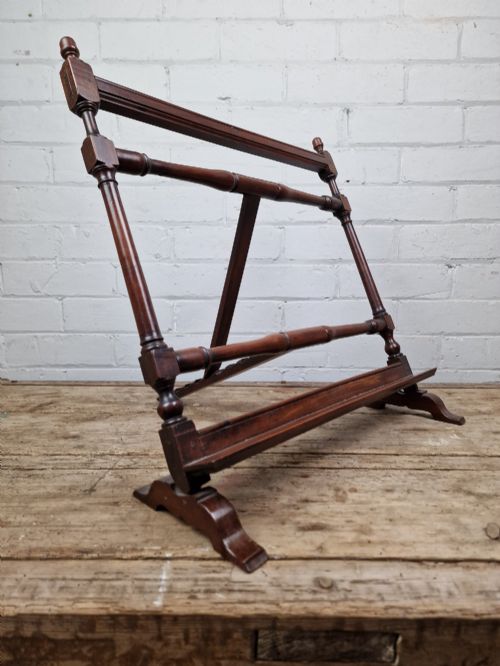
A tabletop easel is a smaller scale support designed to sit on a desk, chest or table rather than stand directly on the floor. These pieces generally hold photographs, small canvases or decorative plates.
They offer a way to display art items in rooms with limited floor space while retaining the architectural character of larger studio models.
How do I date an antique easel?
Dating relies on identifying the prevailing timber choices, construction techniques and stylistic motifs such as Aesthetic Movement or Art Nouveau details. Hardware types and screw threads also provide clues to the era of manufacture.
Comparing the piece to documented examples from periods like the Victorian era or the Edwardian years helps narrow down the decade of production.
Where were these easels used?
Historically, artists utilised large wooden easels in their studios for painting, while domestic households employed smaller display stands in drawing rooms and parlours. They served both as working tools and as decorative furniture to highlight valued pictures.
Today, collectors use them in similar ways to exhibit framed photographs, antique mirrors and works of art within modern interiors.
What materials are common?
Traditional timbers include oak, mahogany and walnut, often complemented by secondary woods like pine. Metal elements in brass, sterling silver and gilt metal appear frequently on frames and adjustment screws.
Specialist pieces incorporate decorative touches such as bamboo, ebonised surfaces and inlay work in ivory.