





Antique Armorial Porcelain
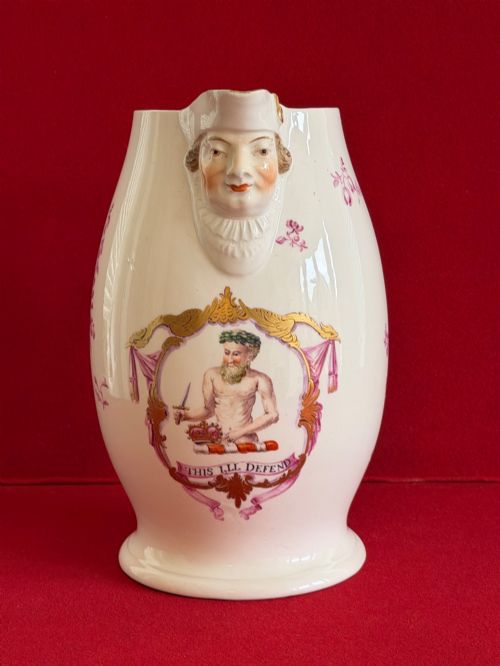
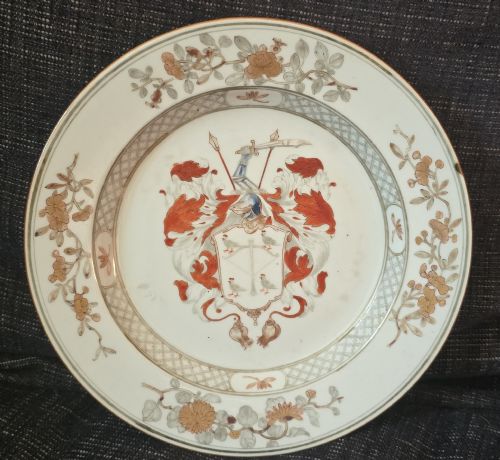
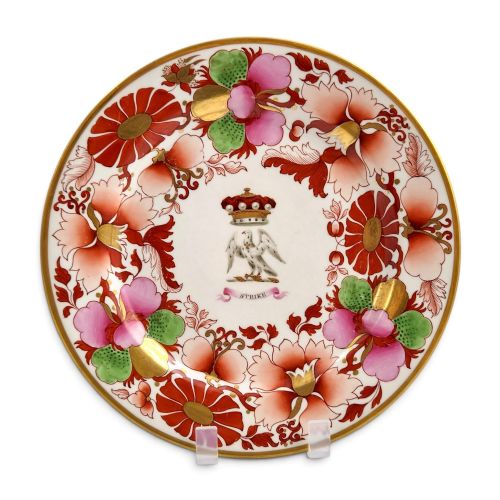
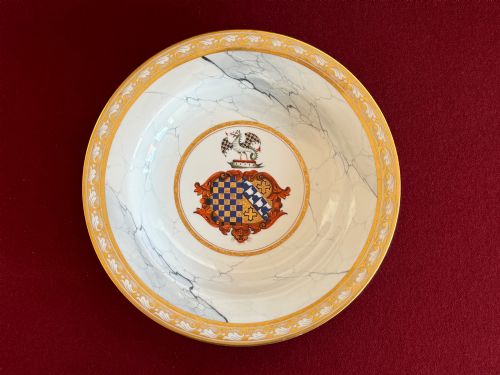
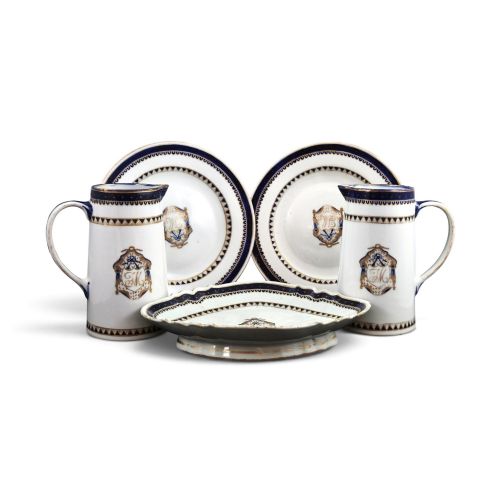
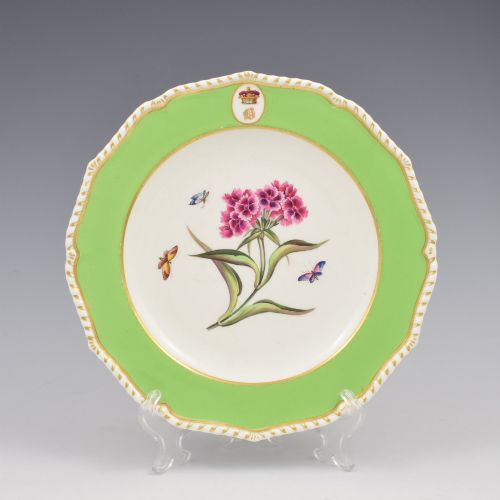
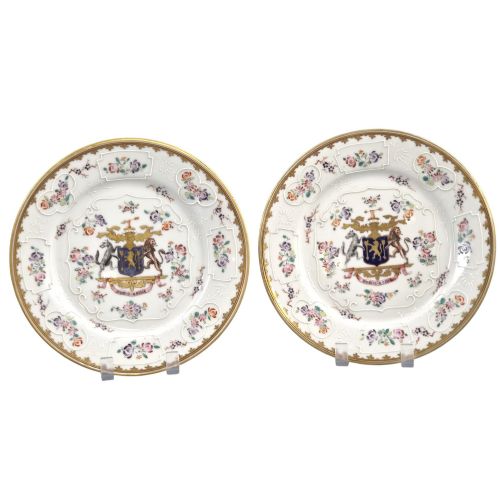
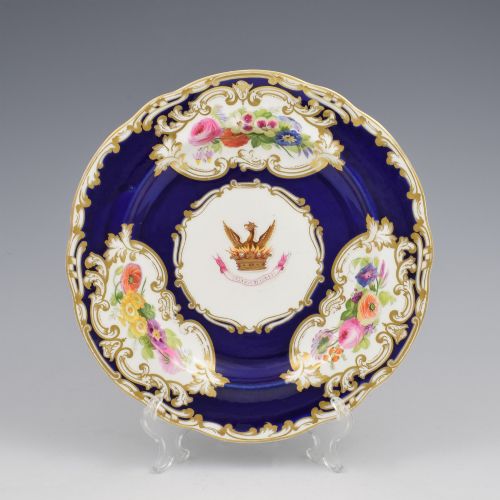
Antique armorial porcelain carries the painted crests and coats of arms of notable families, offering a direct link to historical lineage on plates, vases and tureens.
Antique Armorial Porcelain
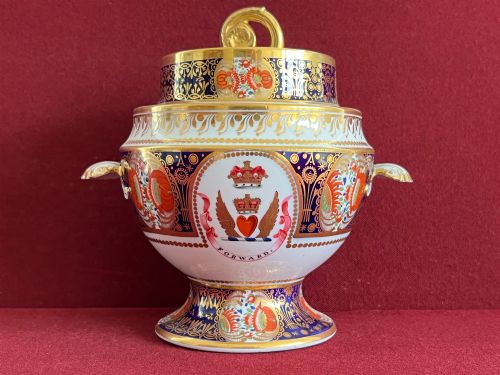
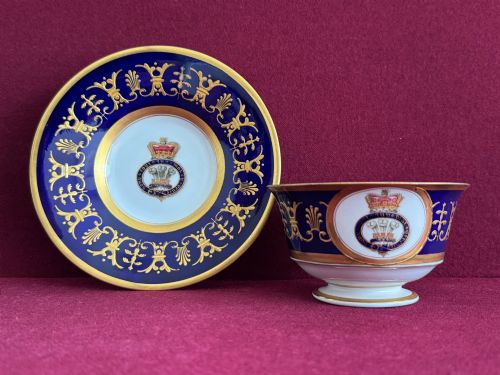
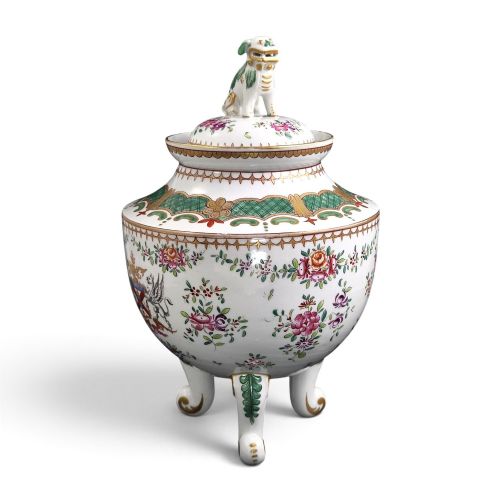
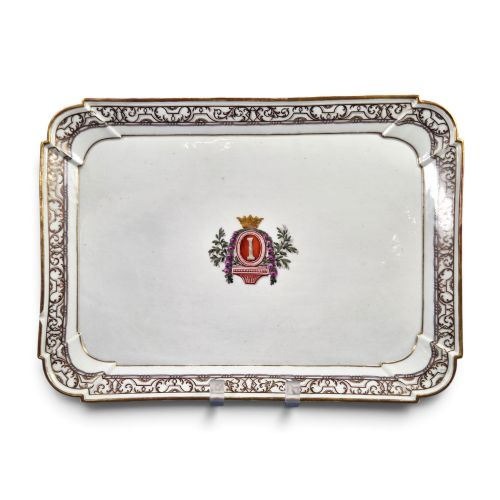
Antique armorial porcelain comprises ceramic tableware and decorative vessels painted with heraldic crests, shields or monograms. Buyers seek these items for their historical provenance and the visual appeal of family lineages hand-painted onto hard-paste ceramic surfaces.
The selections encountered here span the eighteenth and nineteenth centuries, originating from English factories such as Worcester and Derby, Chinese export kilns, and continental workshops in France and Germany. Plates, soup dishes, tureens and vases form the majority of the objects available for study and collection.
How they were made
Potters shaped hard-paste porcelain and tin-glazed earthenware before applying detailed enamels and gold leaf by hand. Kiln firing fixed the underglazes and polychrome pigments, often followed by secondary gilding applications.
Factories utilised specialised painters to execute intricate coats of arms and botanical borders accurately. The precision of the brushwork and the stability of the glaze reflect the technical standards of the respective English, continental and Chinese kilns.
Antique Armorial Porcelain Retail Price Guide 2026
Typical asking prices for armorial porcelain among the pieces listed under this phrase on Sellingantiques today, from the lower quarter to the upper quarter. They describe what is for sale here now, not the wider market.
Listings feature hard-paste porcelain, enamel, and gold leaf across eighteenth-century and nineteenth-century periods, including Georgian and Regency styles.
What varies in quality
Quality rests primarily in the precision of the heraldic painting and the crispness of the porcelain body. Superior pieces demonstrate meticulous brushwork in rendering minute details of crests and armorial bearings without blurring or misaligned enamel.
The reputation of the manufactory and the specific historical commission elevate certain services above standard production pieces. Intact gilding and well-preserved polychrome enamels distinguish better-surviving examples from those with heavy surface wear.
Barr & Barr Worcester·Barr Flight And Barr·Chamberlain Worcester·Bloor Derby·Coalport Porcelain·Ludwigsburg Porcelain·Minton·Veuve Perrin
The Antique Armorial Porcelain Glossary
- Armorial
- Bearing a coat of arms or heraldic crest. These heraldic devices identify the original aristocratic or notable owner of the porcelain service.
- Hard-Paste Porcelain
- A dense, vitrified ceramic material composed of kaolin and petuntse. It fires at high temperatures to produce a durable, translucent white body.
- Enamel
- Opaque vitreous glass fused to the ceramic surface during firing. Painters utilise these coloured compounds to accurately reproduce heraldic tinctures.
- Gilding
- The application of gold leaf or powdered gold onto the ceramic surface. This technique highlights rims, handles and heraldic details with metallic lustre.
- Famille Rose
- A palette of opaque pink and rose enamel colours introduced in Chinese porcelain decoration during the eighteenth century. It frequently frames armorial shields on export plates.
- Tureen
- A deep, covered serving vessel designed for soups or stews. Armorial versions display family crests prominently on the lid and body.
Antique Armorial Porcelain: Frequently Asked Questions
Who ordered armorial porcelain?
Aristocrats, high-ranking military officers, clergy and wealthy merchants commissioned these services to display their lineage. British families frequently ordered armorial porcelain from Chinese export kilns or domestic English factories.
Specific services commemorated marriages, political appointments or titles, linking the physical tableware directly to historical archives and family trees.
How are periods identified?
Periods are determined through a combination of paste composition, glaze characteristics, factory marks and stylistic conventions. Eighteenth-century pieces often feature Chinese export styles or early English soft and hard pastes.
Nineteenth-century examples, including Regency and Victorian productions, display distinct factory marks from Worcester, Derby or French makers such as Samson. Comparing the heraldic elements against historical armorial records also assists in dating.
How should armorial porcelain be displayed?
These pieces require secure display in cabinets or on stable plate rails away from direct sunlight. Proper lighting enhances the detailed enamels and gold leaf without exposing the ceramic to environmental risks.
Handling should be minimised, and pieces ought to be washed by hand in lukewarm water using mild soap when cleaning is necessary. Avoid abrasive materials that could damage the antique glaze and over-glaze painting.