
Antique Architectural Wall Art
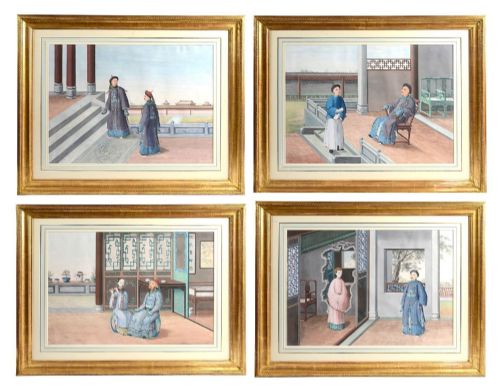
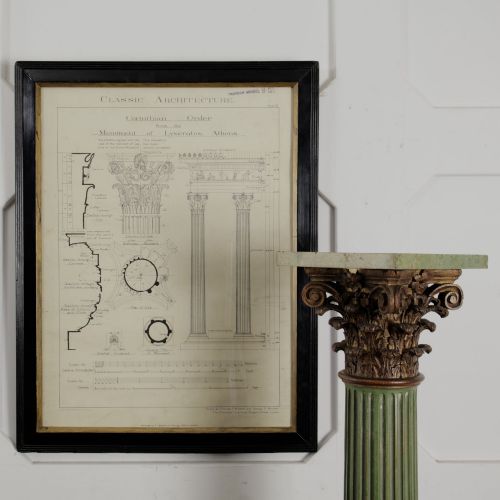
When you search for antique architectural wall art, you find framed plates, carved panels, and oil paintings spanning several centuries.
Antique Architectural Wall Art
Antique architectural wall art comprises framed works, panels, and reliefs that depict buildings, street scenes, and classical orders or originate from structural salvage.
The selections on this page draw from the eighteenth, nineteenth, and early twentieth centuries, including Victorian, Georgian, Edwardian, and Art Deco periods.
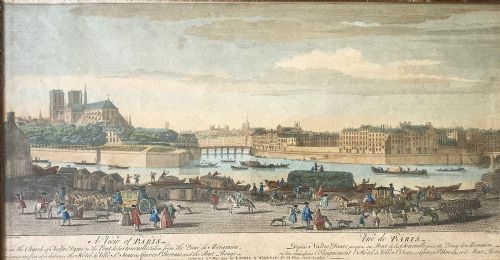
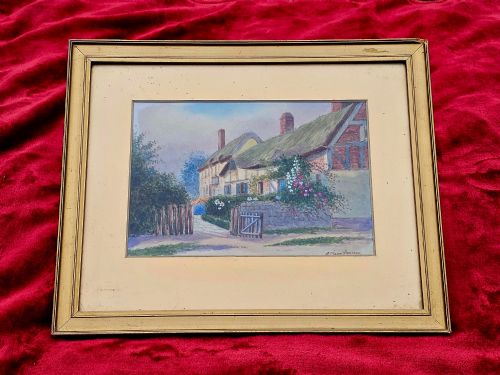
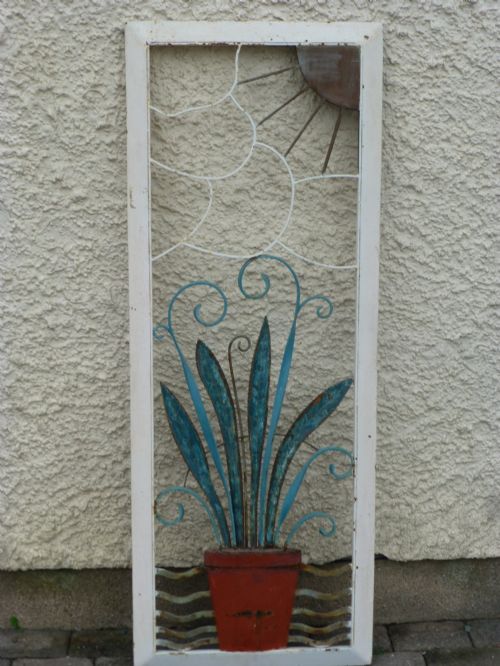
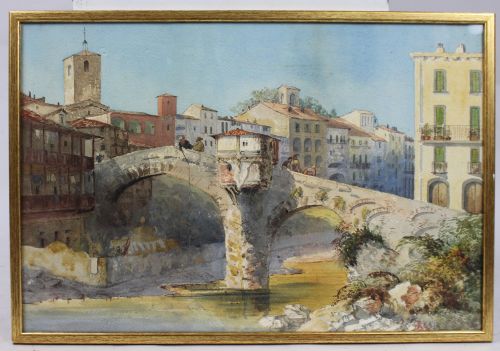
Buyers encounter items ranging from hand-coloured engravings of city views and watercolour studies of cathedrals to carved wooden overdoor panels and iron garden screens.
How they were made
Makers utilised traditional supports such as canvas, paper, wood panels, and copper or iron, applying oil paint, watercolour, ink, and gold leaf.
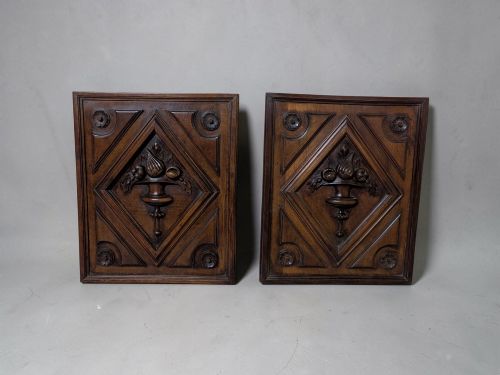
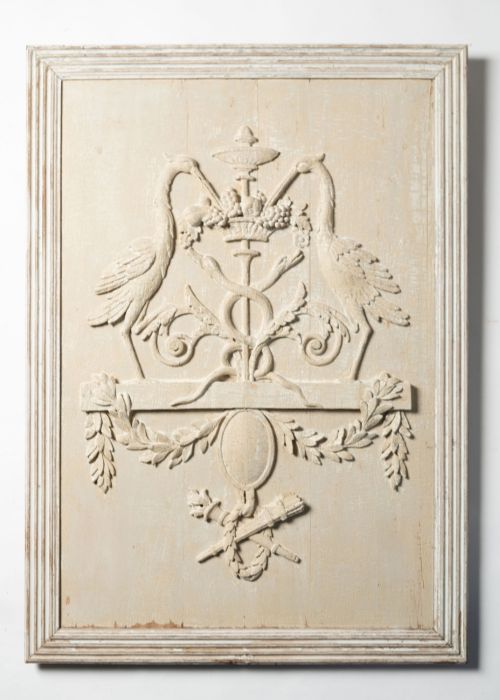
Carved wooden overdoors, temple panels, and relief dioramas display hand-carved detailing, while architectural plates utilise early printmaking techniques like engraving and lithography.
Framing often involves original materials, including Hogarth mouldings and period gilt or wooden surrounds.
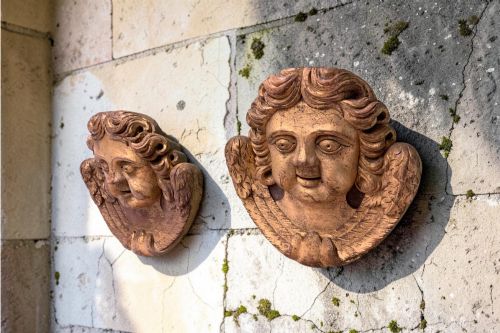
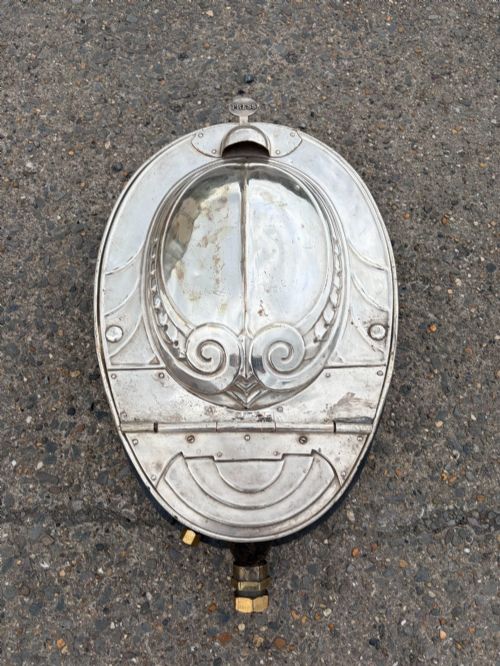
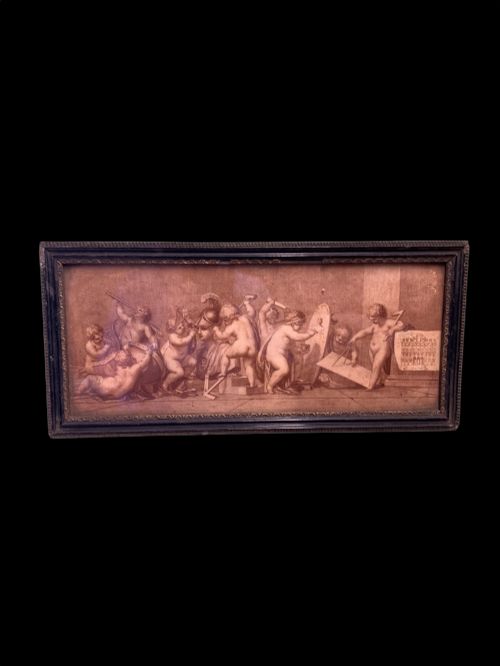
Cherubs peer down from eighteenth-century carved overdoors while railway carriages contribute silver plate sinks to the wall art mix.
What varies in quality
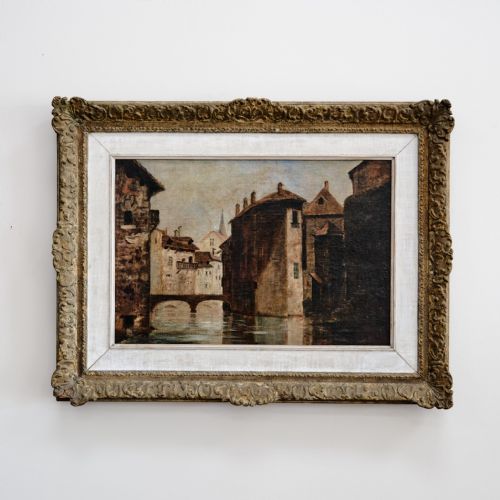
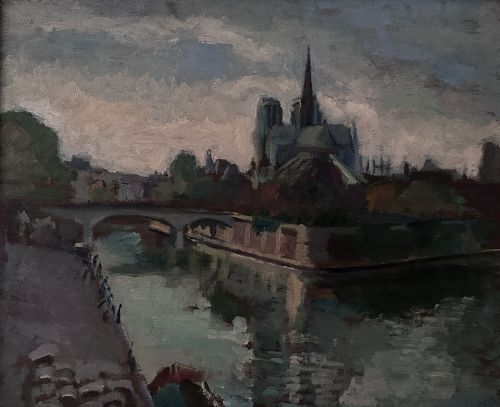
Quality rests in the precision of the hand-carving on wooden panels and iron scrolls, alongside the skill demonstrated in perspective and brushwork on oil paintings and watercolours.
The integrity of the original surface, such as untouched hand colouring on engravings or original gilding on temple panels, elevates an item's standing.
The survival of original framing, including period maker labels or specific moulding types like Hogarth frames, contributes significantly to the integrity of the piece.
Raymond Subes·David Roberts·Alfred Wolmark·Henri Charles Angéniol·Paul-Élie Gernez
The Antique Architectural Wall Art Glossary
- Engraving
- A printmaking process where an image is incised into a metal plate, holding ink to transfer fine lines onto paper. This technique produced detailed architectural views and city plates in the eighteenth and nineteenth centuries.
- Pietra dura
- An artistic technique using cut and fitted polished coloured stones to create geometric or figurative designs. It appears in Italian framed panels from the late nineteenth century.
- Overdoor
- A decorative panel or painting positioned directly above a doorway, often carved with figures or architectural motifs during the eighteenth and nineteenth centuries.
- Lithography
- A planographic printing method using a stone or metal plate to produce flat-surface illustrations. It was frequently utilised for architectural folios and topographical prints during the Victorian period.
- Watercolour
- A painting method where pigment is suspended in a water-based solution on paper. It was widely employed by artists recording landscape and city scenes.
Antique Architectural Wall Art: Frequently Asked Questions
What periods do these pieces date from?
The items span the eighteenth, nineteenth, and early twentieth centuries, encompassing Georgian, Victorian, Edwardian, and Art Deco aesthetics.
Specific dates within listings range from the seventeen-fifties through to the nineteen-forties.
What materials are used in these artworks?
Makers worked with oil paint, watercolour, and ink on canvas, paper, and wood panels. Structural elements incorporate carved wood, wrought iron, bronze, and silver plate.
Paper prints frequently feature hand colouring, while metal items show original casting or patination.
How were these architectural pieces originally used?
Many items functioned as interior decoration within buildings, such as carved wooden overdoors, temple panels, and decorative iron balustrades. Others served as framed studies, topographical records, or grand tour souvenirs.
Engineered components like railway compartment sinks and garden screens also served practical domestic or transport functions before becoming wall art.
How do I identify a Grand Tour artwork?
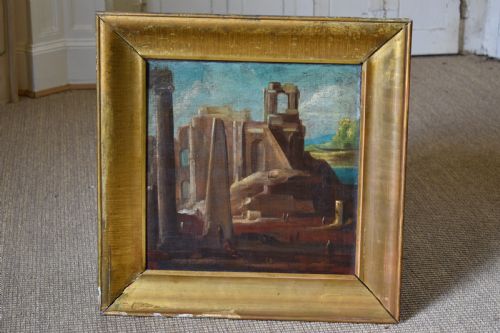
Grand tour pieces generally depict classical European monuments, ruins, or cityscapes like Venice and Rome, created during the nineteenth century. They were acquired by travellers journeying through cultural centres on the continent.
These works typically take the form of detailed oil paintings or watercolours capturing famous architectural landmarks.