

Antique Architectural Ornament
Antique architectural ornament brings historical weight into a room or garden through carved stone, weathered metal and aged wood salvaged from buildings past.
Antique Architectural Ornament
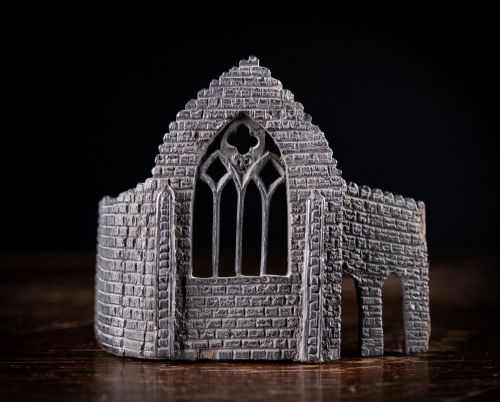
Antique architectural ornament encompasses salvaged fragments, structural elements and decorative pieces removed from buildings, formal gardens and monumental sites. When searching for antique architectural ornament, buyers encounter everything from medieval stone tracery and oak ceiling boss panels to staddle stones and cast iron finials.
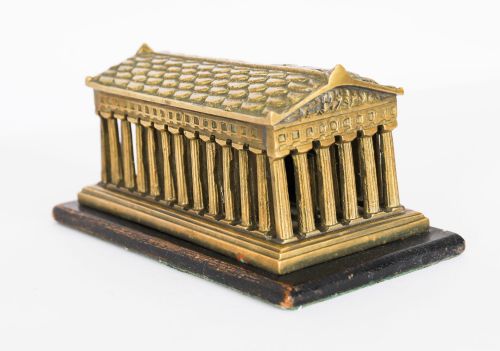
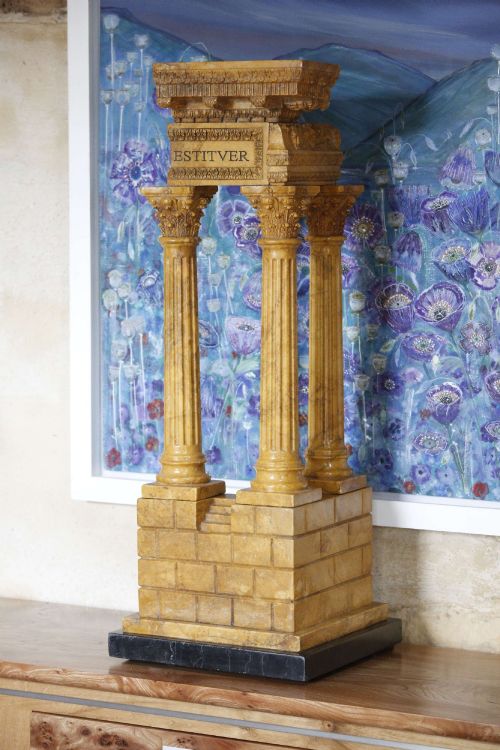
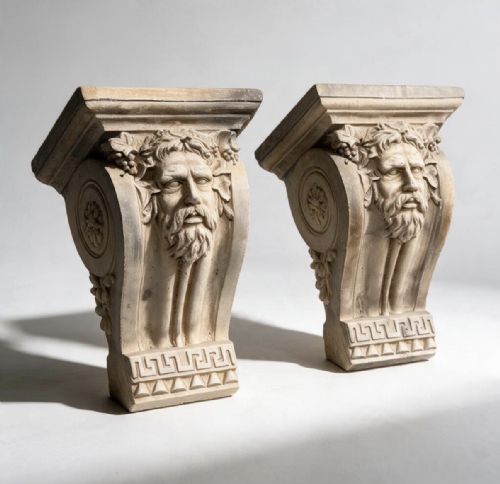
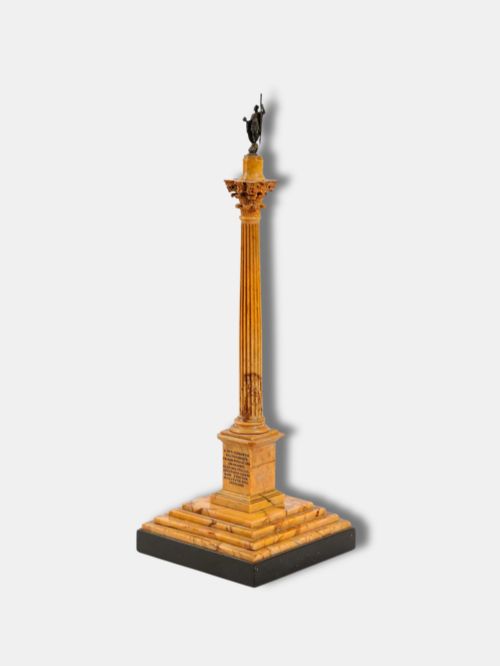
The selection ranges from pre-sixteenth century medieval carvings and eighteenth-century French wall carvings to nineteenth-century copper weather vanes and Grand Tour marble models. Cornish granite staddle stones, sandstone keystones, and Gothic pinnacles form part of the recurring stock.
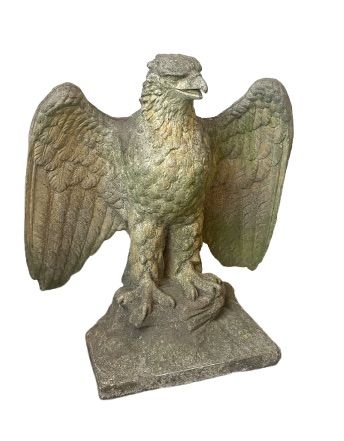
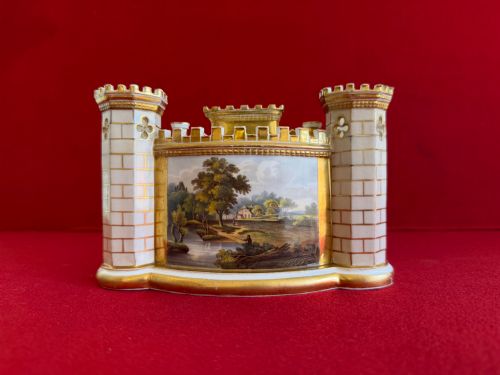
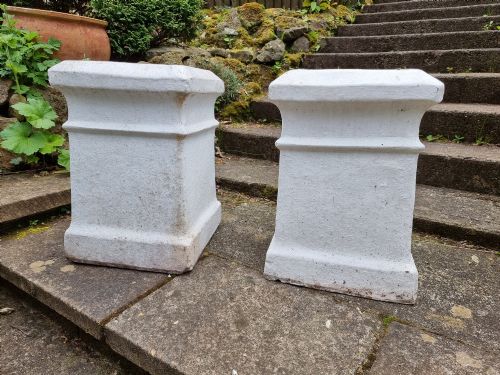
Pieces appear in forms spanning architectural salvage, garden ornaments, garden statues, weather vanes, and architectural models. Buyers choose these items to anchor a landscape or interior with tangible history and material presence.
How they were made
Masons and carvers worked local materials by hand, shaping Cornish granite, Yorkshire limestone, sandstone, and oak into functional and decorative structural components. Stonework relies on chiselling and relief carving, evident in medieval busts and ceiling boss panels.
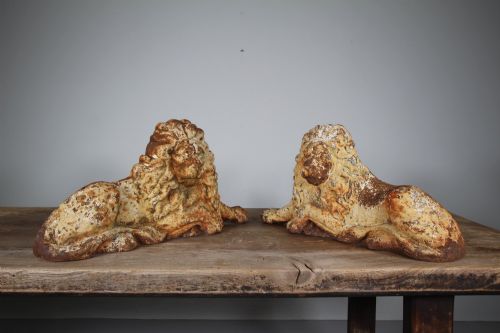
Metalworking techniques encompass casting and beating, producing cast iron staircase finials, garden urns, and hitching posts alongside copper weather vanes. Artisans also utilised limewood, terracotta, bronze, zinc, and marble to execute detailed models, fountain heads, and spire finials.
Antique Architectural Ornament Retail Price Guide 2026
Typical asking prices for architectural ornament among the pieces listed under this phrase on Sellingantiques today, from the lower quarter to the upper quarter. They describe what is for sale here now, not the wider market.
Listings feature materials spanning Cornish granite, Siena marble, oak, terracotta, zinc, and cast iron across periods from the medieval era to the twentieth century.
What varies in quality
Quality rests upon the crispness of the original hand-carving or the precision of the metal casting, alongside the integrity of the material itself. Pieces sourced directly from significant structures, such as limestone pinnacles from minsters or oak elements from châteaux, demonstrate superior sculptural ambition.
Surface patination and weathering dictate the visual depth of stone, metal, and wood over centuries. Items retaining original paint layers or uncompromised structural geometry distinguish themselves from heavily eroded or altered fragments.
Thomas Chippendale
The Antique Architectural Ornament Glossary
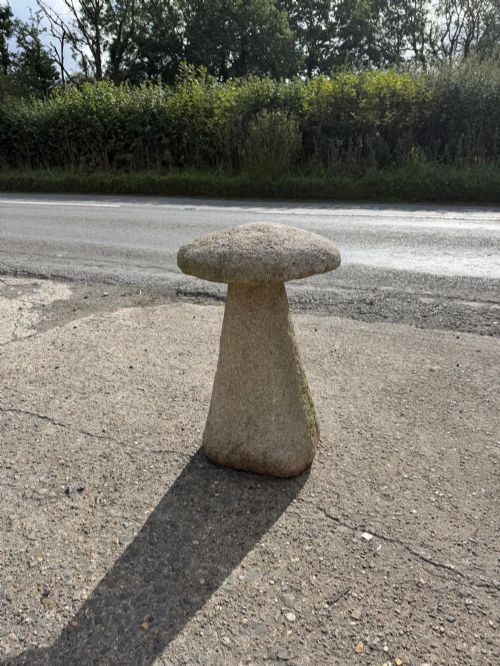
- Staddle stone
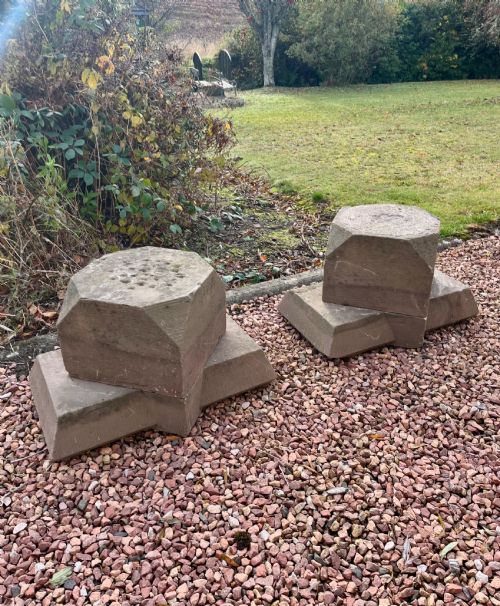
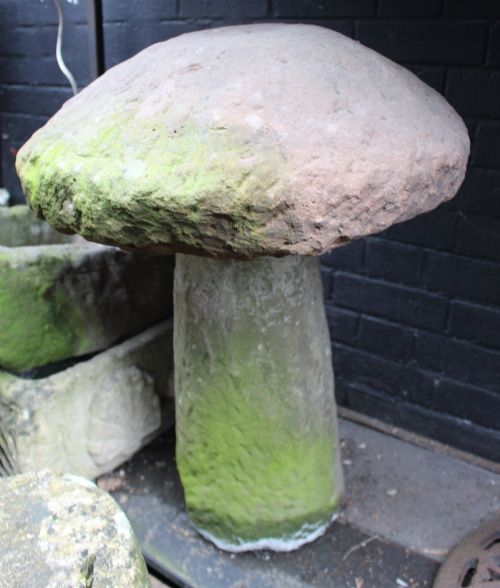
- A mushroom-shaped stone support formerly used to elevate granaries and barns off the ground to prevent damp and vermin. They appear frequently in Cornish granite and sandstone.
- Ceiling boss
- A decorative projecting block of wood or stone placed at the intersection of ribs in a vaulted ceiling. Examples in the evidence feature carved oak and Tudor Gothic roses.
- Weather vane
- An instrument mounted on roofs to indicate wind direction, traditionally featuring a directional pointer and a decorative silhouette. Copper and folk art specimens from the nineteenth and early twentieth centuries dominate this category.
- Grand Tour model
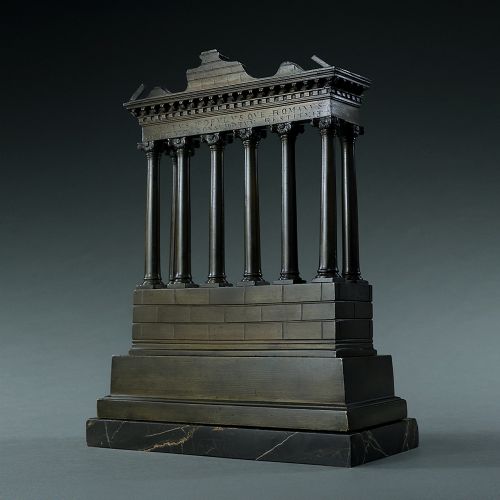
- A miniature replica of a classical monument, temple, or column acquired by travellers in Europe during the eighteenth and nineteenth centuries. Materials include Siena marble, bronze, and terracotta.
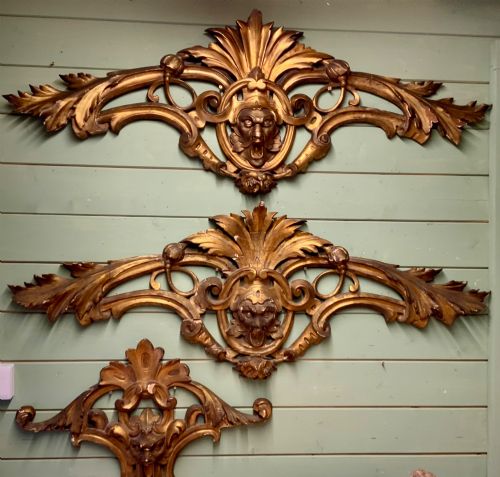
- Architectural fragment
- A detached piece of a building, such as a carved stone bust, tracery, or gothic element, preserved for its historic and sculptural value.
Antique Architectural Ornament: Frequently Asked Questions
What is an architectural fragment?
An architectural fragment is a salvaged portion of a building, such as a carved stone bust, a ceiling boss panel, or a Gothic tracery piece. These items are preserved independently once the parent structure has been altered or demolished.
Buyers place them on walls or display surfaces to appreciate the historic hand-carving and detail up close.
How were staddle stones used?
Staddle stones served as sturdy support piers for timber granaries, hayricks, and barns. The mushroom shape kept the wooden floor elevated to protect stored grain from ground moisture and rodents.
Today, they are utilised widely as garden ornaments and pedestals.
What are Grand Tour models?
Grand Tour models are miniature replicas of famous classical buildings, columns, and temples produced in bronze, marble, and terracotta. Wealthy young Europeans collected them as souvenirs during educational travels across the continent in the eighteenth and nineteenth centuries.
They function as desktop sculptures and cabinet pieces.
Can iron ornaments stay outdoors?
Cast iron and copper items like hitching posts, garden urns, and weather vanes were built for exterior exposure. They develop a stable rust or verdigris patination over decades when subjected to the weather.
Placing them in gardens or courtyards aligns with their original functional purpose.
How do I identify medieval stone?
Medieval stone pieces, including carved busts and Gothic tracery, exhibit the distinct tool marks and weathering patterns of pre-sixteenth-century masonry. They often originate from religious or defensive structures.
Comparing the stone type, such as Yorkshire limestone, to known architectural contexts helps confirm the era.