

Antique Architectural Furniture
Antique architectural furniture brings scale and structural integrity indoors, transforming rooms with elements built to last centuries.
Antique Architectural Furniture
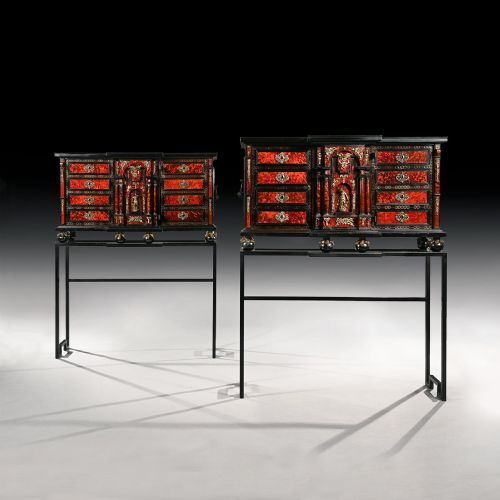
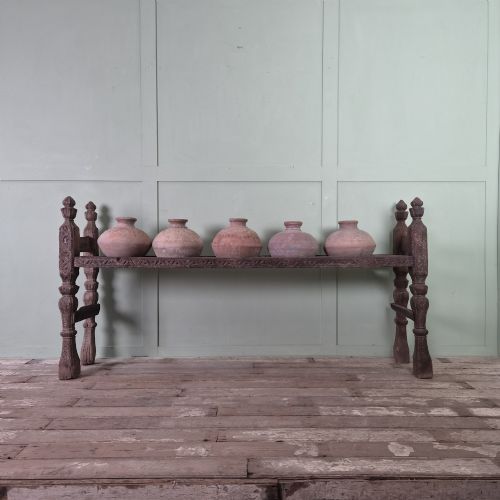
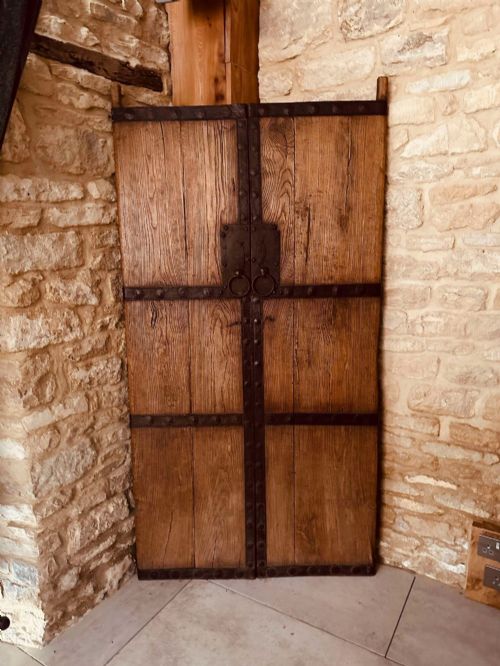
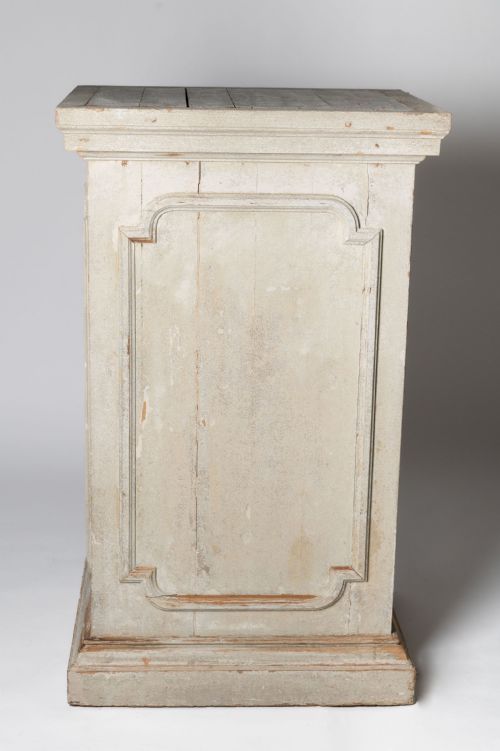
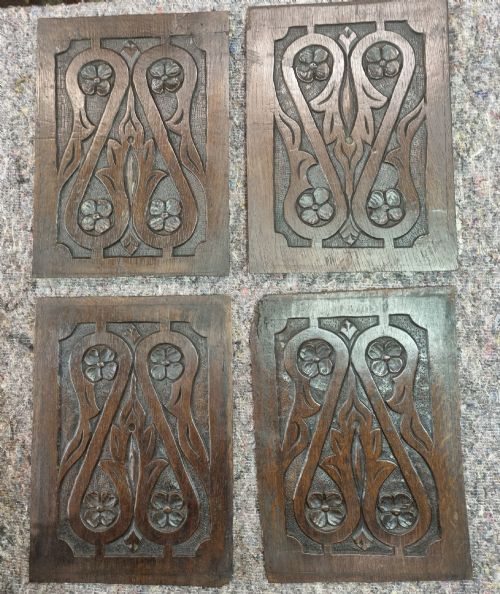
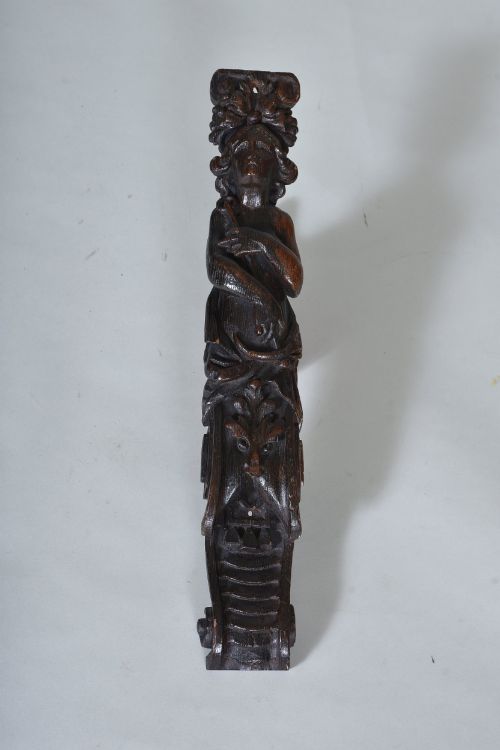
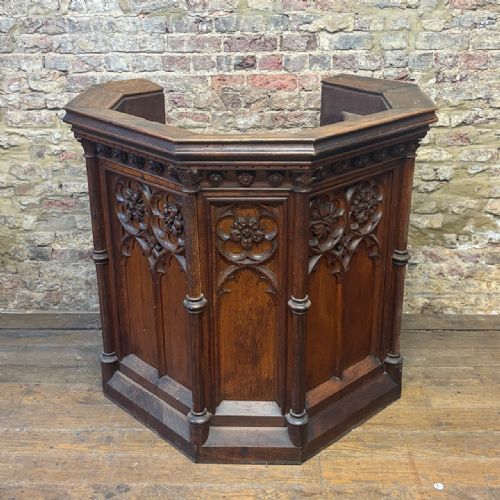
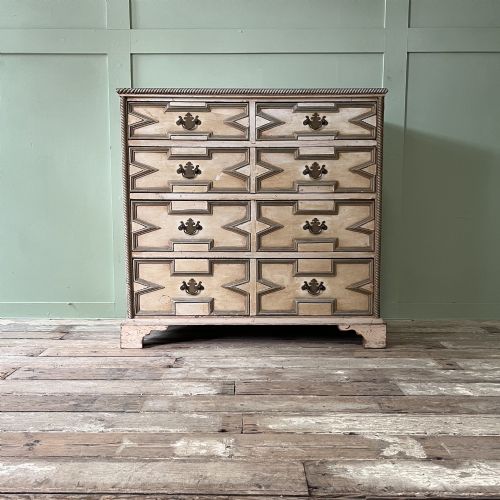
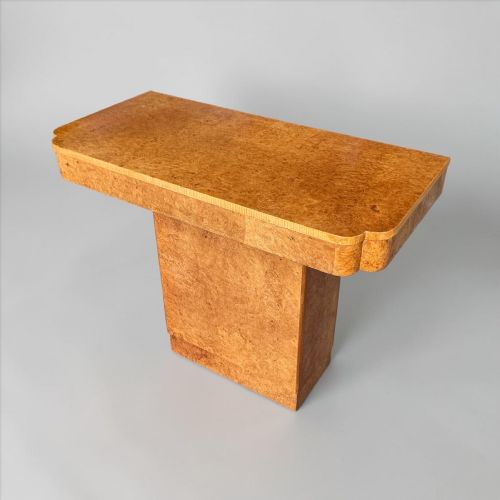
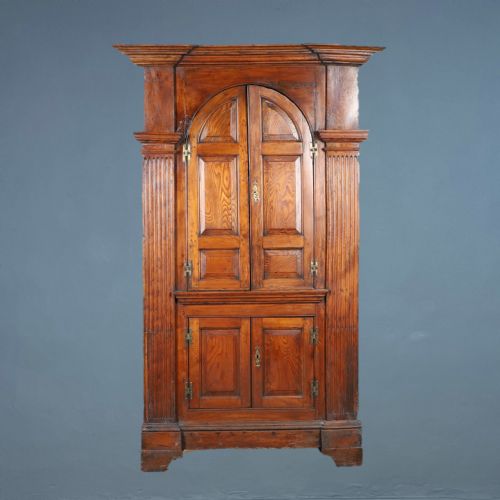
When you search for antique architectural furniture, you find items that incorporate building components or mimic large-scale design elements within domestic pieces. These objects range from massive oak church pulpits and carved panels to refined console tables, cabinets on stand, and substantial entrance screens.
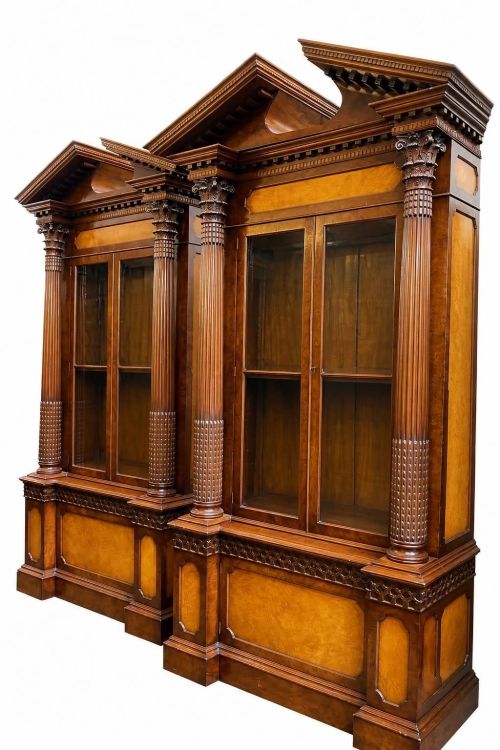
The pieces on this page lean heavily towards the nineteenth and seventeenth centuries, mixing sturdy oak, pine, and ebonised wood with decorative metalwork. You will frequently encounter fixtures drawn directly from buildings, such as door hardware, panels, and pulpits, alongside freestanding furniture built in the Gothic Revival, Regency, and Art Deco styles.
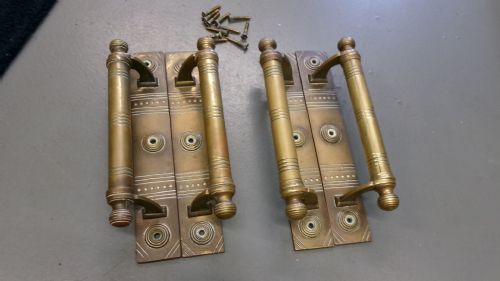
Smaller functional items also fall into this category, including cast brass door knockers, handles, and finger plates alongside decorative storage cabinets. Whether you select a monumental corner cupboard or a set of carved terminals, each piece borrows its authority from classical or ecclesiastical architecture.
Materials and construction methods
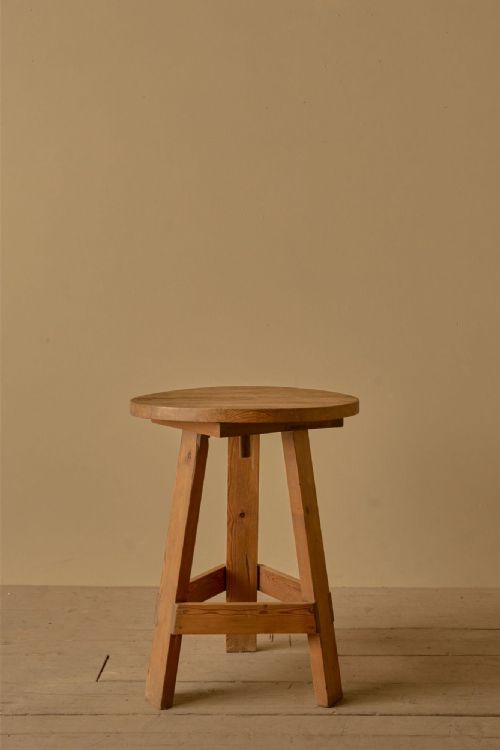
Makers relied primarily on solid timbers like oak, pine, and birch, often enriching surfaces with tortoiseshell, bone, and marquetry veneers. Carved details on panels, terminals, and pulpits required skilled hand chiselling, while larger case pieces utilised robust joinery suited to structural demands.
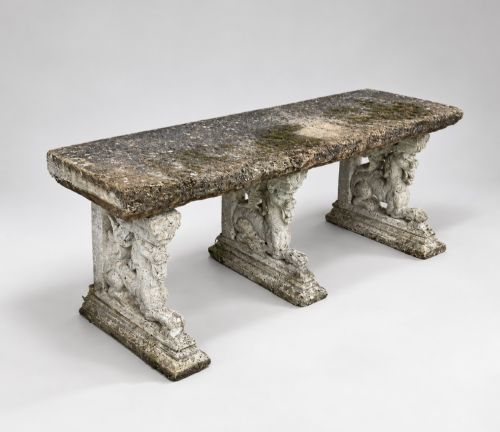
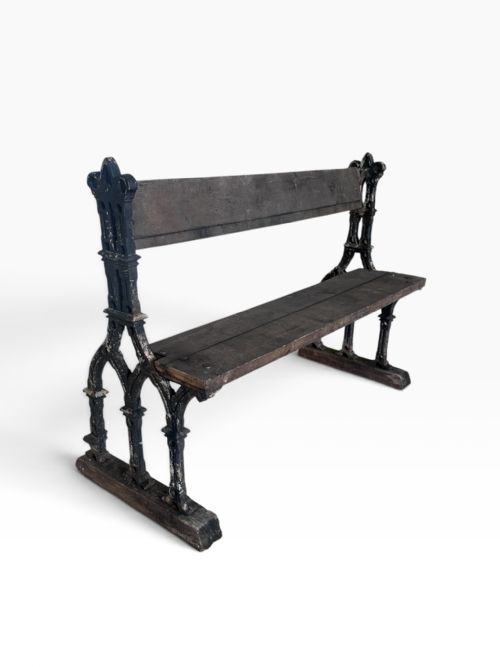
Metal components draw heavily on cast iron, bronze, and solid brass, particularly for door hardware, knockers, and garden benches. These metals were cast and hand finished, providing durable fittings that complemented the heavy timber structures of the period.
Antique Architectural Furniture Retail Price Guide 2026
Typical asking prices for architectural furniture among the pieces listed under this phrase on Sellingantiques today, from the lower quarter to the upper quarter. They describe what is for sale here now, not the wider market.
Listings feature items spanning the seventeenth through to the twentieth centuries, utilising oak, pine, bronze, and brass across various revival styles.
What determines quality
Quality rests upon the depth of hand carving and the integrity of the original materials rather than surface embellishment alone. Pieces retaining their structural oak panels, crisp bronze casting, or authentic tortoiseshell and bone inlays command attention for their tactile presence.
Proportion and the handling of distinct stylistic revivals, such as Gothic or Empire, separate standard utility items from exceptional works. The best examples demonstrate rigorous attention to architectural scale, whether executed in a grand bookcase or a pair of church pew end rails.
Sir Clough Williams-Ellis·Benjamin Taylor And Sons·Gillow S·Maison Krieger
The Antique Architectural Furniture Glossary
- Gothic Revival
- A nineteenth-century design movement drawing inspiration from medieval architecture, pointed arches, and ecclesiastical motifs. It appears frequently in carved oak panels, pulpits, and iron hardware.
- Cabinet on Stand
- A raised storage container supported by an independent table structure or base frame. This form often showcases elaborate materials like ebony, tortoiseshell, and marquetry.
- Hikite
- A recessed Japanese door pull or handle designed for sliding doors. These items often feature detailed enamel work.
- Console Table
- A wall-mounted or heavily bracketed table supported by legs or console brackets at the front. Examples often incorporate marble tops and classical architectural motifs.
- Ebonised Wood
- Timber treated with a dark stain or finish to imitate ebony. This technique was widely utilised in cabinets and decorative furnishings.
Antique Architectural Furniture: Frequently Asked Questions
What counts as architectural furniture?
This category encompasses domestic furnishings that incorporate actual building elements or echo large-scale architectural design. It includes items repurposed from interiors, such as carved oak panels and entrance screens, alongside pieces built with strong classical lines.
Cabinetry like cabinets on stand, standing corner cupboards, and console tables also fit this description. They bring structural weight and historical design principles directly into a room.
How do I style an architectural piece?
These substantial objects anchor a room, working best when given space to display their scale and materials. Pair a heavy oak panel or a carved church pulpit against plain walls to let the timber grain and depth of carving stand out.
Smaller items like brass door knockers or handles can be mounted or displayed as sculptural objects. Larger case pieces serve as focal points in hallways or living areas without needing extra decoration.
How do I identify Gothic Revival pieces?
Gothic Revival items typically display pointed arches, trefoils, quatrefoils, and heavy carved oak construction. Look for structural elements borrowed directly from medieval churches and cathedrals, such as pew end rails and pulpit panels.
Nineteenth-century makers embraced these medieval motifs to create domestic furnishings with a solemn, monumental presence. The carving is usually deep, linear, and strictly symmetrical.
What is a cabinet on stand?
A cabinet on stand consists of an enclosed storage box resting on an elevated base frame with legs. This form lifts the main body off the floor, creating a balanced and formal silhouette often seen in seventeenth-century pieces.
These cabinets frequently feature exotic surface treatments such as tortoiseshell, bone inlay, and marquetry. The raised stand prevents the heavy case from looking overwhelming in an interior.