

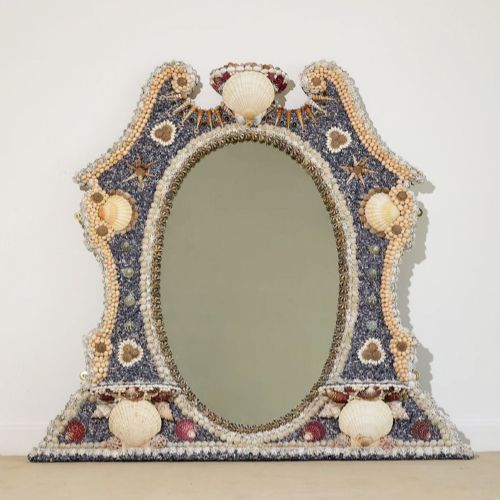




Antique Architectural Folk Art
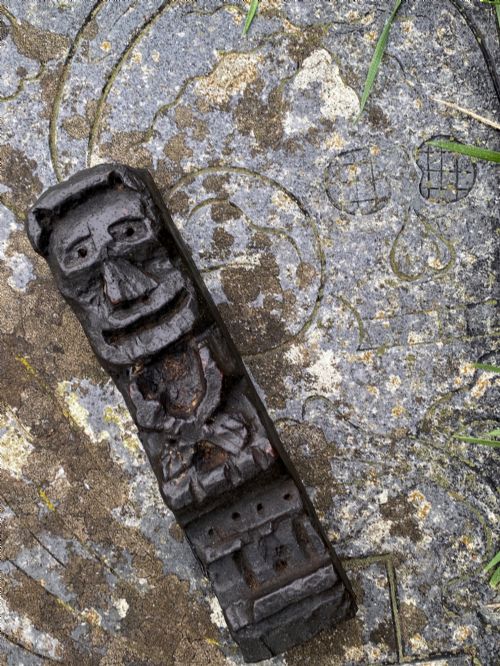
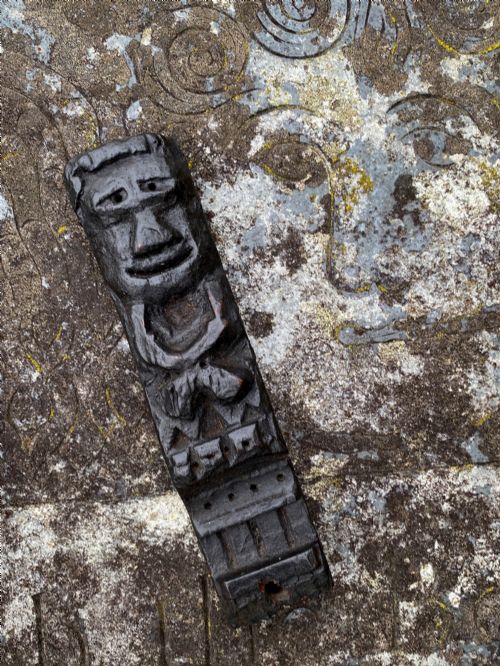
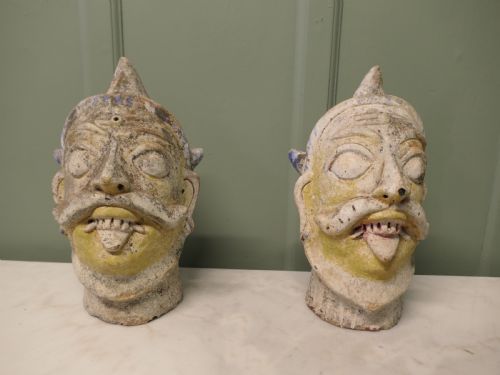
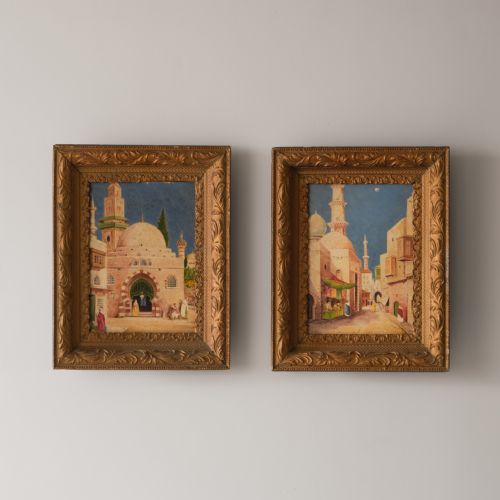
Antique architectural folk art brings vernacular buildings and structures into domestic spaces through the hands of untrained makers.
Antique Architectural Folk Art
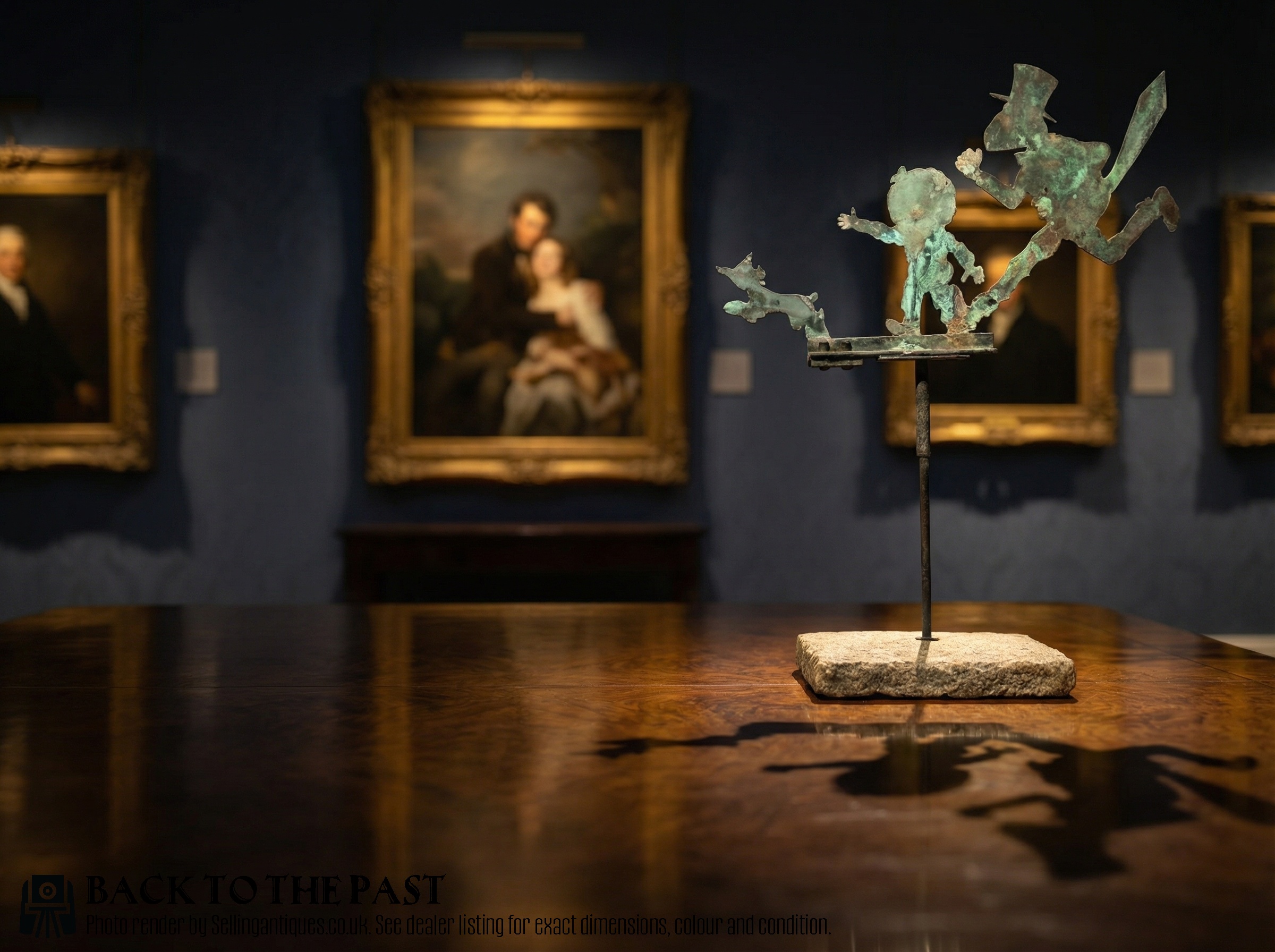
The selections span numerous centuries and regional aesthetics, moving from Georgian silhouettes to mid-century creations. Weather vanes and detailed building models dominate the forms, reflecting how everyday makers observed their built environment.
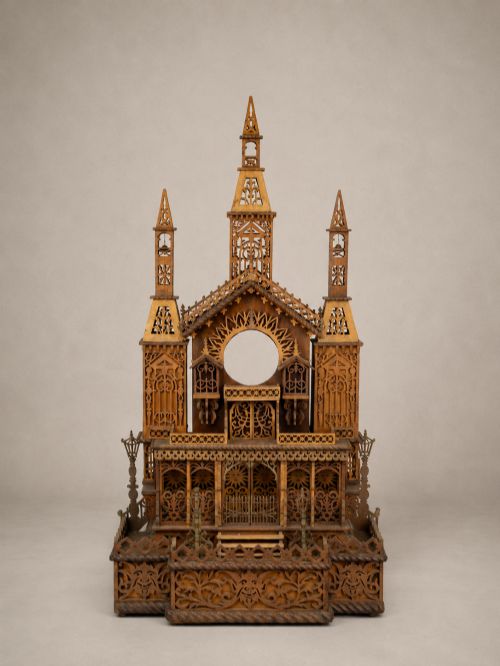
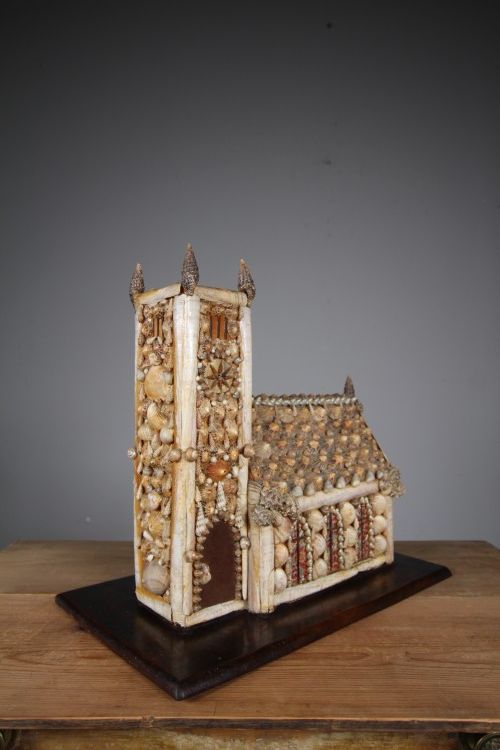
Makers utilised humble substances to construct churches, houses, and trade signs, resulting in tactile objects that carry personal interpretations of architecture. Each surviving piece demonstrates a direct dialogue between local craftsmanship and vernacular design.
Materials and construction
Makers fashioned these structures from accessible raw materials including timber, stone, slate, and assorted metals like copper and wrought iron. Working without industrial machinery, artisans shaped structural elements by hand, often retaining tool marks and surface irregularities that reveal their fabrication.
Surfaces frequently display layers of old paint, natural weathering, or patinated metal finishes accumulated over decades of exposure. These tactile qualities emphasise the utilitarian origins of the items, whether built for a roof ridge, a shop front, or a parlour shelf.
Antique Architectural Folk Art Retail Price Guide 2026
Typical asking prices for architectural folk art among the pieces listed under this phrase on Sellingantiques today, from the lower quarter to the upper quarter. They describe what is for sale here now, not the wider market.
Someone once spent their time carefully gluing matchsticks together to build a model medieval house.
Assessing quality in folk pieces
Quality rests upon the strength of the maker's observation and the character of the surviving surface rather than adherence to strict architectural proportions. An engaging irregularity often elevates a piece, showing creative translation rather than technical failure.
The integrity of the original materials and the honesty of the wear patterns determine the visual weight of an object. Pieces that retain untouched old paint or natural oxidisation offer greater historical presence than those with over-restored surfaces.
The Antique Architectural Folk Art Glossary
- Folk art
- Creative work produced by self-taught individuals outside mainstream academic traditions. It prioritises direct expression over strict technical rules.
- Weather vane
- A moveable device mounted on roofs to show wind direction, frequently shaped as animals or figures. These items spent decades exposed to the elements.
- Architectural model
- A small-scale representation of a building or structure, created for display, design, or amateur amusement. They often reveal domestic construction techniques.
- Trade sign
- A bold exterior identifier used by businesses to advertise their services to passersby. These objects rely on clear, graphic forms to communicate function.
Antique Architectural Folk Art: Frequently Asked Questions
What is antique architectural folk art?
These pieces are handmade representations or functional elements of buildings created by self-taught makers. They range from metal weather vanes to detailed models of houses and churches.
Such items capture vernacular building traditions through personal interpretation rather than formal architectural training. Their appeal lies in this direct, unpretentious engagement with the built environment.
Where were these pieces displayed?
Many items, such as weather vanes and trade signs, originally sat on exterior roofs or shop fronts exposed to the weather. Other objects like models and carvings lived inside domestic parlours or workshops.
Their placement shifted as structures were demolished or modernised, moving these functional elements into collector interiors. Today they provide sculptural focal points within contemporary rooms.
How do I identify the age of a piece?
Dating relies on examining tool marks, construction methods, and the natural ageing of materials like wood and metal. Layers of old paint and surface wear offer vital clues about how long an object has existed.
Comparing structural forms to known architectural styles of the eighteenth, nineteenth, and early twentieth centuries helps narrow down the period of creation.
How should I care for these objects?
Keep items away from direct sunlight and damp conditions to protect fragile wooden surfaces and historic paint layers. Gentle dusting with a dry cloth maintains the surface without disturbing patination.
Avoid applying modern polishes or aggressive cleaning agents, as these can strip away the historical wear that defines the character of the piece.