
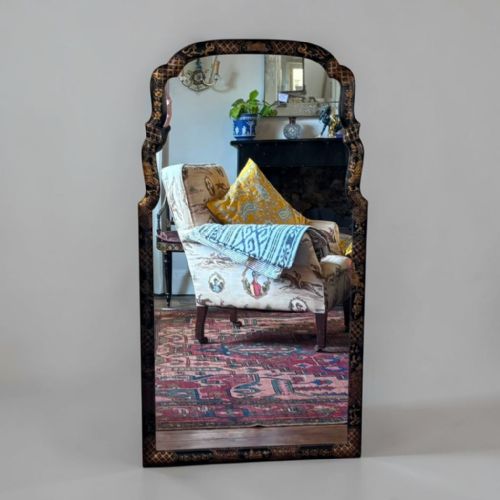
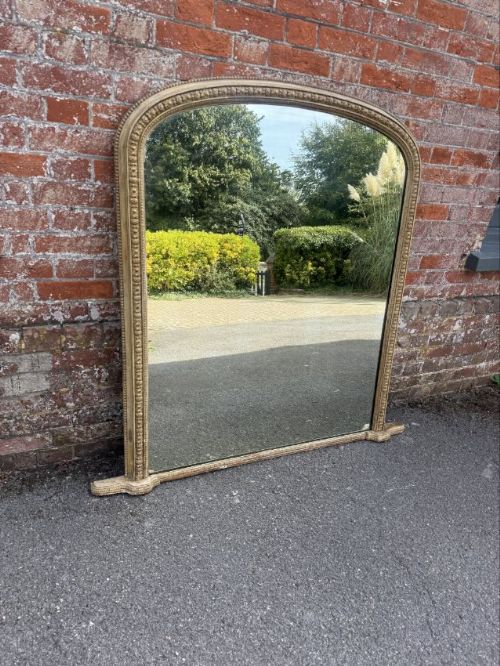
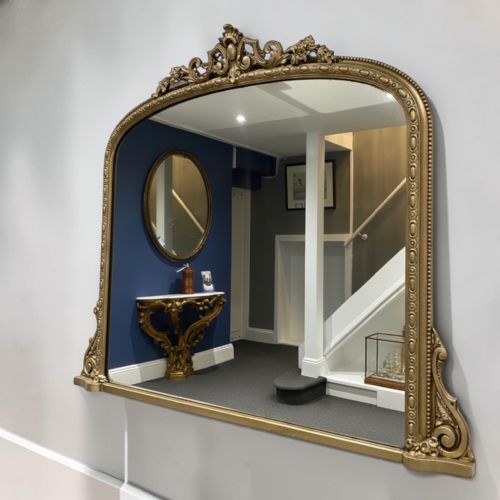
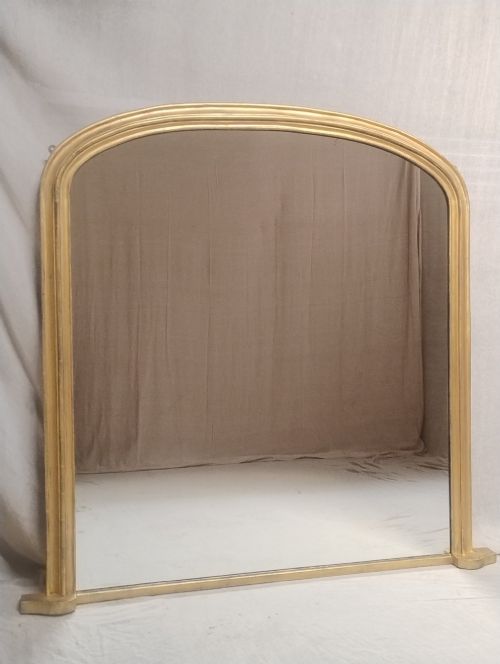
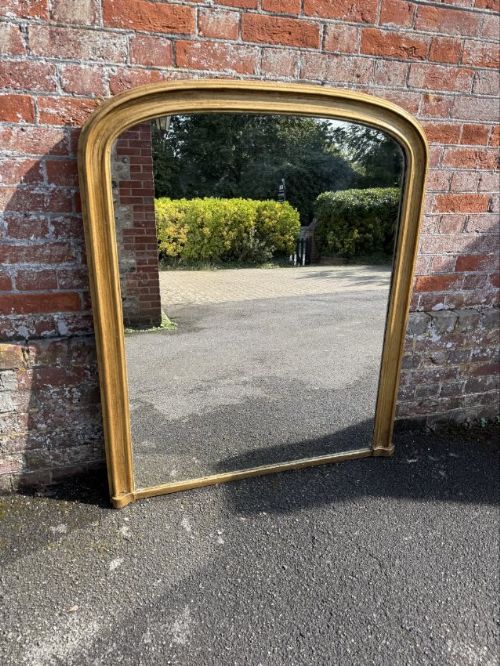
Antique Arched Gilt Mirror
An antique arched gilt mirror brings light and presence to a room, combining curved architectural lines with gilded surfaces from the nineteenth century and earlier.
Antique Arched Gilt Mirror
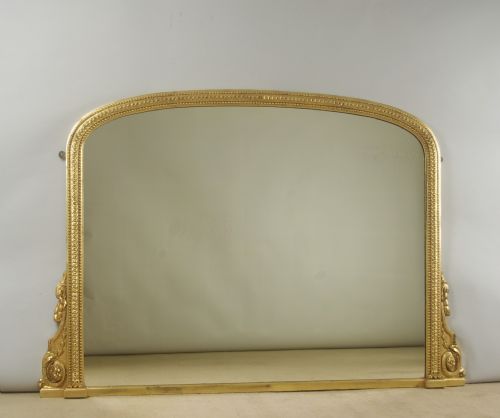
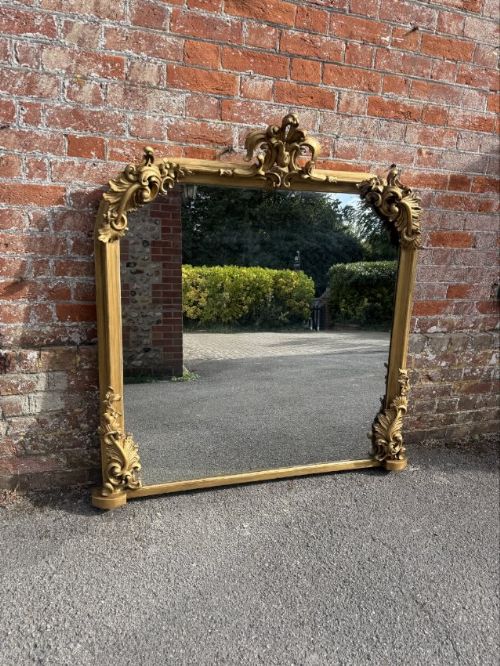
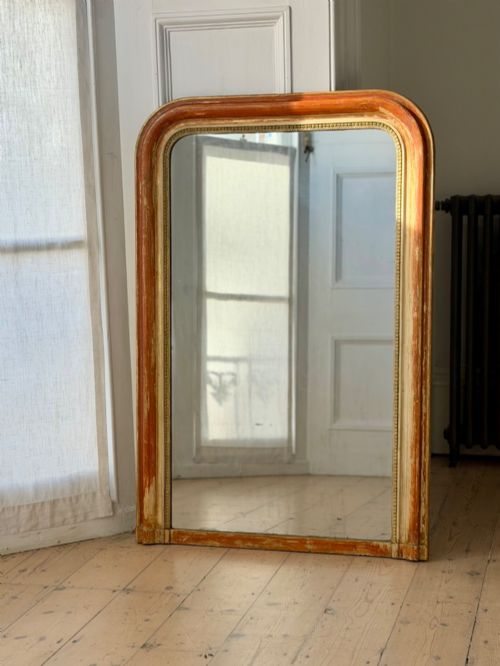
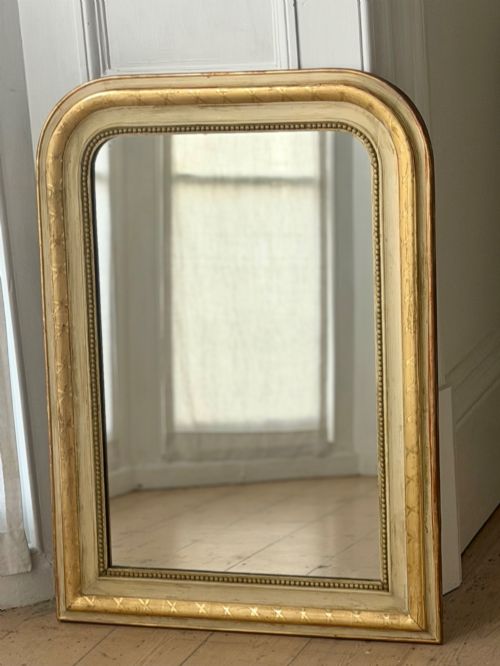
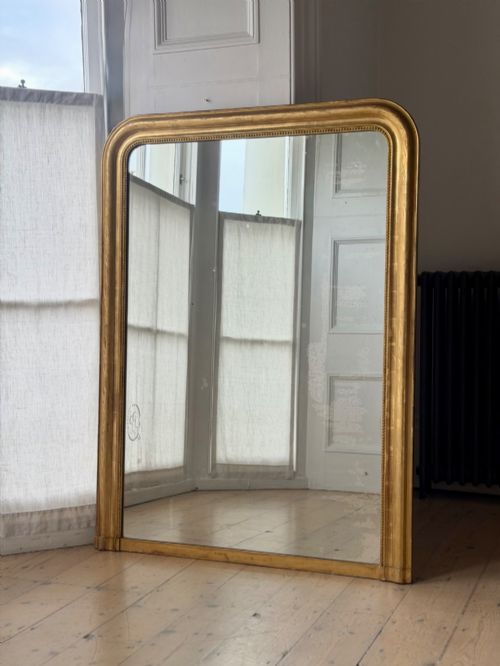
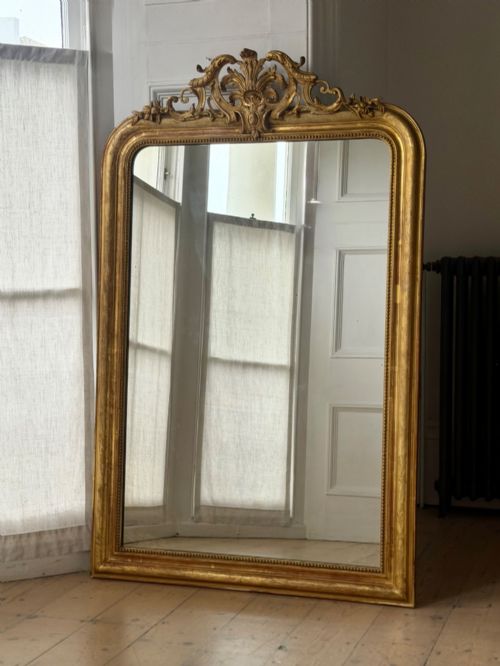
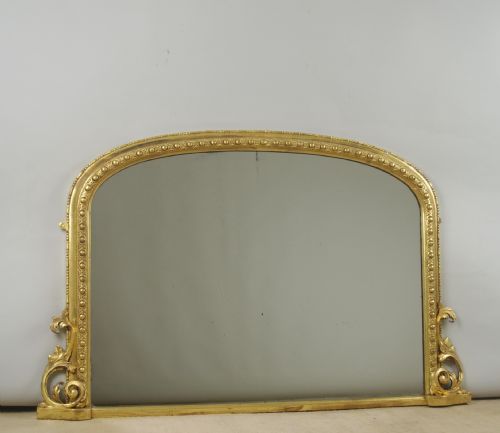
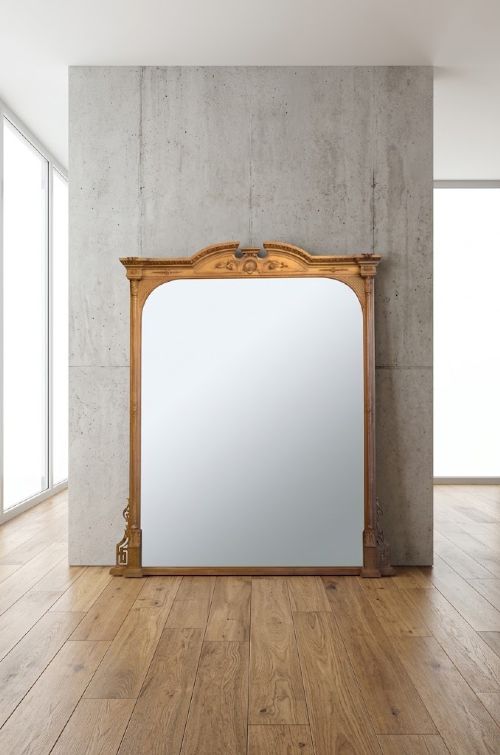
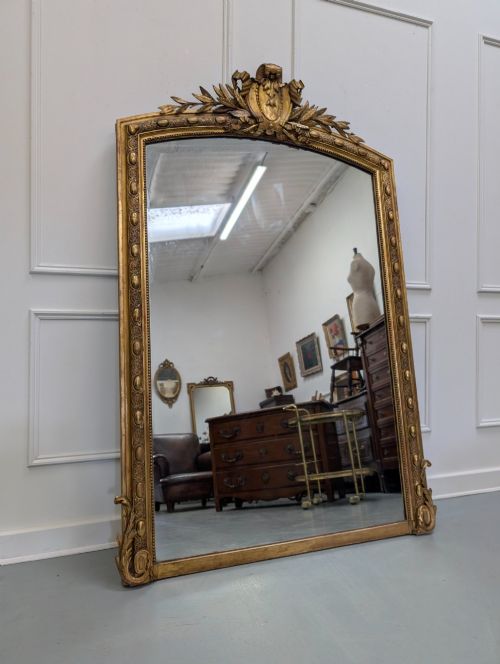
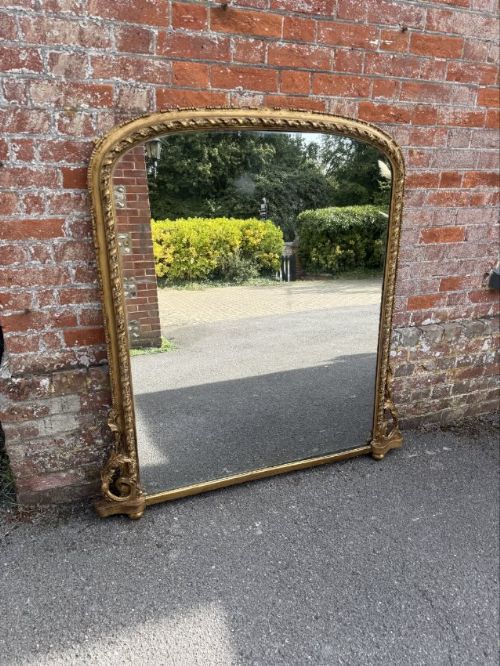
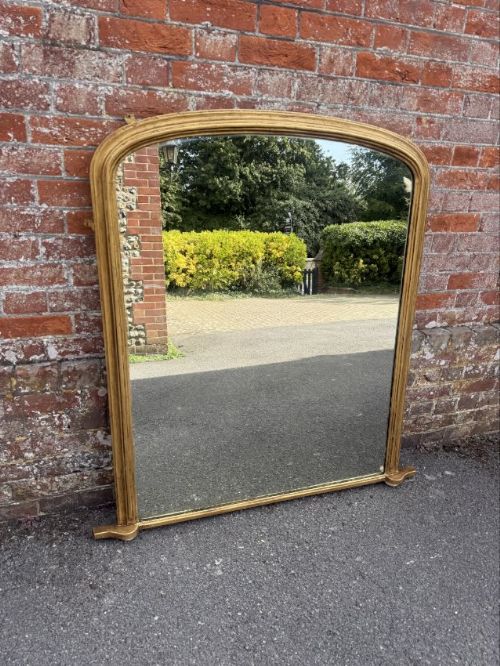
When searching for an antique arched gilt mirror, buyers encounter substantial overmantel mirrors and large wall mirrors designed for nineteenth-century interiors. The selection spans Victorian English pieces and French Louis Philippe designs, with shapes ranging from simple arched tops to ornate crested frames.
The English examples often take the form of heavy overmantel mirrors intended to sit above a fireplace, frequently constructed with carved wood and gesso frames. French pieces from the period bring simpler architectural lines, sometimes accompanied by crests at the apex.
Most items on the page date from the nineteenth century, particularly the decades around eighteen-seventy, alongside occasional eighteenth-century George II period pieces and early twentieth-century additions. The forms serve both practical reflection and decorative expansion of interior space.
How they were made
Makers built the structural frames using wood, applying layers of gesso to create smooth surfaces for gilding. Carved details like rope twist patterns or ribbed moulding were worked directly into the gesso and wood substrate before applying gold leaf or gilt finish.
Glass production relied on traditional techniques, with mercury glass appearing in earlier French examples to impart a distinct depth and mottled patina to the reflection. Composition material also appears on frames to form repetitive decorative motifs efficiently.
Materials recorded across the inventory include glass, gesso, giltwood, gold leaf, wood, composition, and mercury glass.
What varies in quality
The distinction between standard and superior pieces rests on the crispness of the carved details within the gesso and the depth of the gilding. Heavier frames with intact original giltwood and well-defined structural crests command greater appreciation from collectors.
Condition of the mirror glass itself alters the character of the piece, where age-related foxing and original mercury backing show authenticity. The structural integrity of the large wooden frame supporting the heavy glass remains central to the overall standard.
The Antique Arched Gilt Mirror Glossary
- Giltwood
- Wood that has been coated with gold leaf or a gilt finish. This surface treatment gives the frames their characteristic metallic sheen.
- Gesso
- A plaster-like mixture applied to wood frames to create a smooth surface for carving and gilding. It allows for intricate decorative details and crisp mouldings.
- Overmantel mirror
- A large mirror specifically designed to be hung on the wall directly above a fireplace mantelpiece. These pieces often feature horizontal proportions or arched tops to fit architectural spaces.
- Mercury glass
- A type of double-walled glass filled with a silvering mixture, common in nineteenth-century French mirrors. It produces a soft, atmospheric reflection with characteristic dark spots.
- Louis Philippe
- A French stylistic period from the mid-nineteenth century characterised by restrained curves and simple arched frames. These designs avoid excessive ornamentation in favour of elegant proportions.
Antique Arched Gilt Mirror: Frequently Asked Questions
Where should I hang an overmantel mirror?
These large mirrors traditionally rest above a fireplace mantelpiece where they reflect light from windows across the room. Their scale also suits placement on a primary living room wall to anchor the spatial arrangement.
Ensure the wall construction supports considerable weight, as nineteenth-century wooden frames combined with thick glass create heavy loads that require secure mounting hardware.
How do I identify a French Louis Philippe mirror?
French Louis Philippe mirrors are distinguished by their gently rounded upper corners forming an arch, combined with unpretentious frames that often feature subtle bead or ribbon carvings. They frequently retain original mercury glass with natural foxing.
Unlike heavily ornamented Victorian revival pieces, these French examples rely on clean architectural lines and proportion rather than excessive surface decoration.
What causes dark spots on antique mirror glass?
Dark spots and patches, known as foxing, occur as the silvering or mercury backing behind the glass degrades over decades of exposure to air and moisture. This ageing process is a natural characteristic of antique mirrors.
Many collectors value original glass with moderate foxing because it confirms the age of the piece and offers a softer, historic reflection compared to modern replacements.
How do I clean an antique gilt frame?
Dust the gilded wooden surface gently with a soft, dry brush to remove particles without disturbing the delicate gesso or gold leaf layers. Avoid using water, chemical sprays, or abrasive cloths.
Harsh cleaning products strip the historic gilt finish and damage the composition ornaments, so gentle maintenance preserves the integrity of the antique surface.