

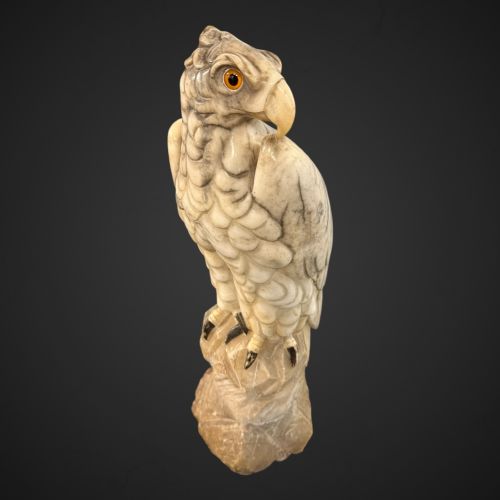
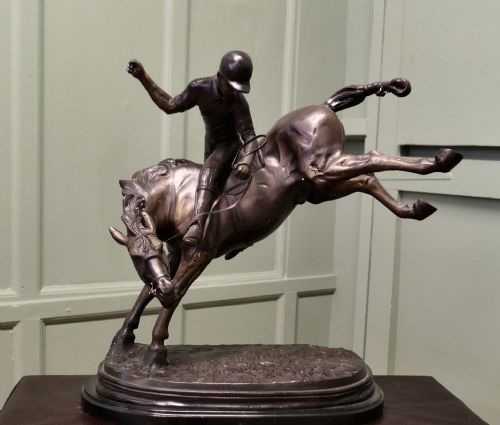
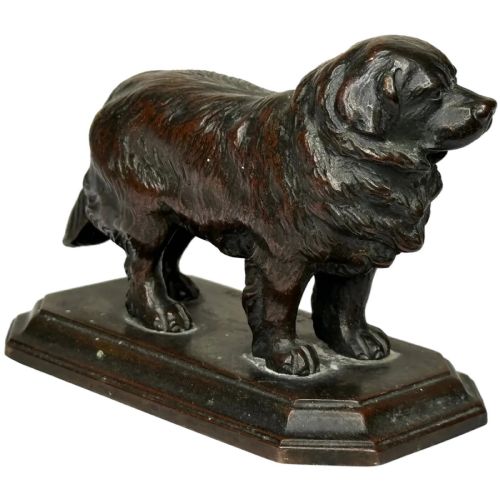
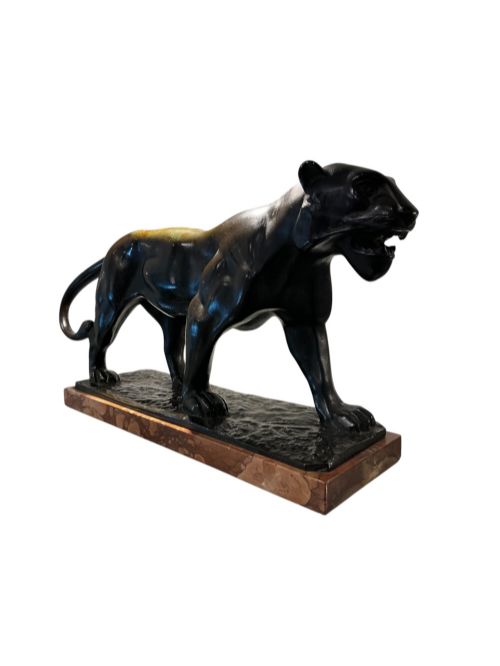
Antique Animalier Statue
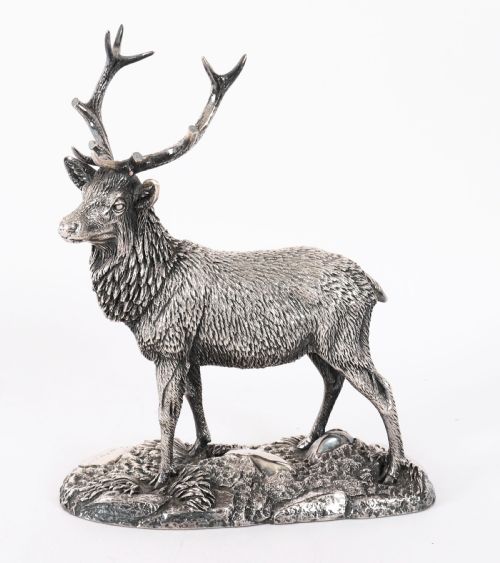
An antique animalier statue captures the raw musculature and natural behaviour of wild and domestic creatures, crafted by sculptors who studied animals in motion.
Antique Animalier Statue
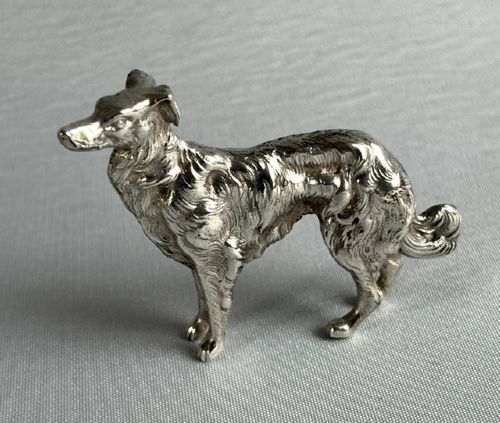
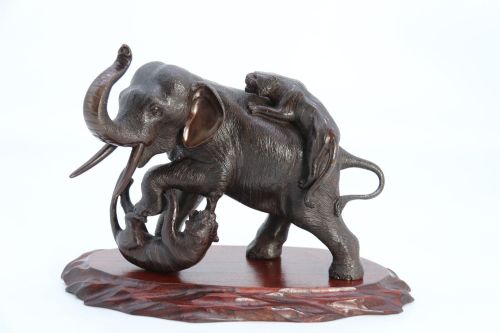
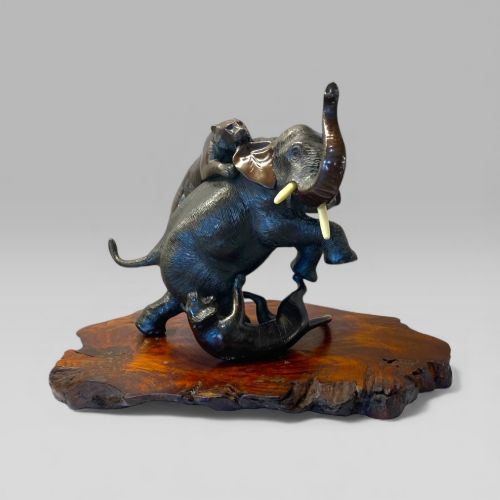
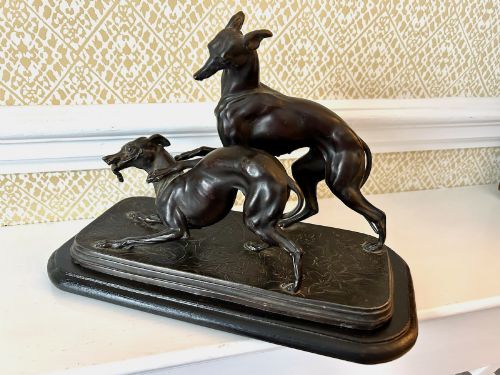
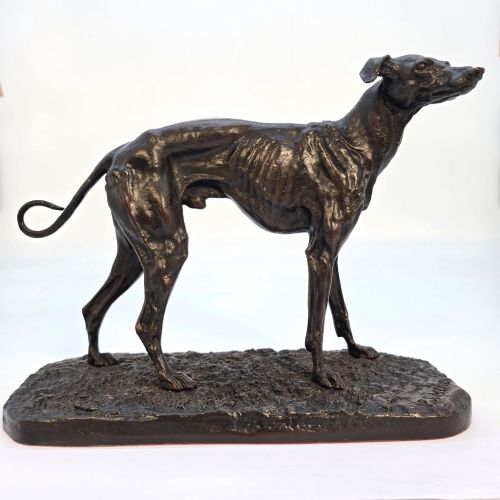
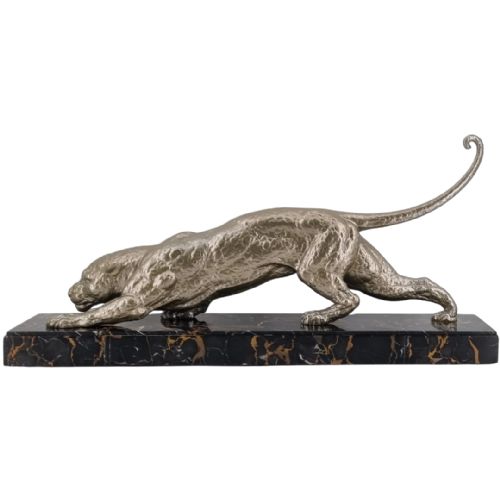
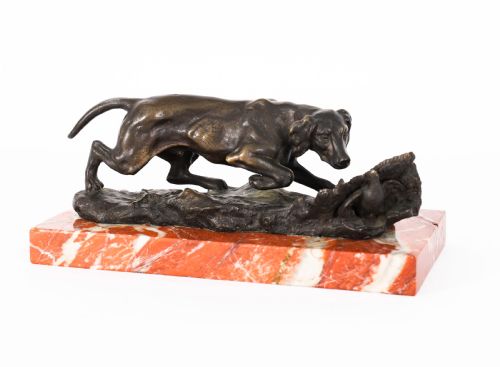
An antique animalier statue represents creatures ranging from domestic whippets and racing horses to prowling panthers and fighting tigers. These figures capture precise anatomical movement, often shown in moments of tension, rest or combat.
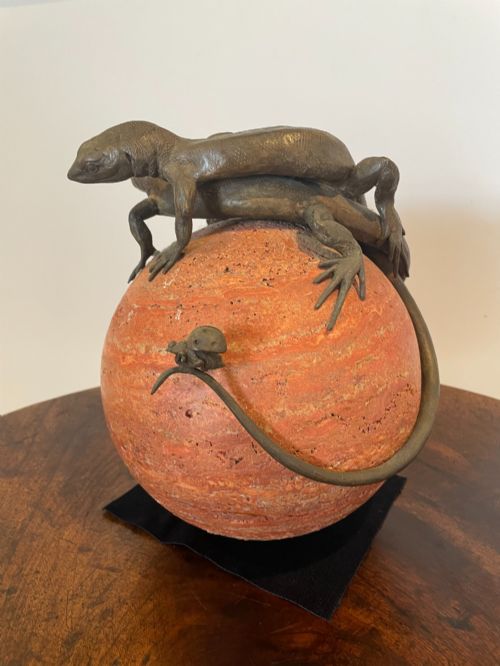
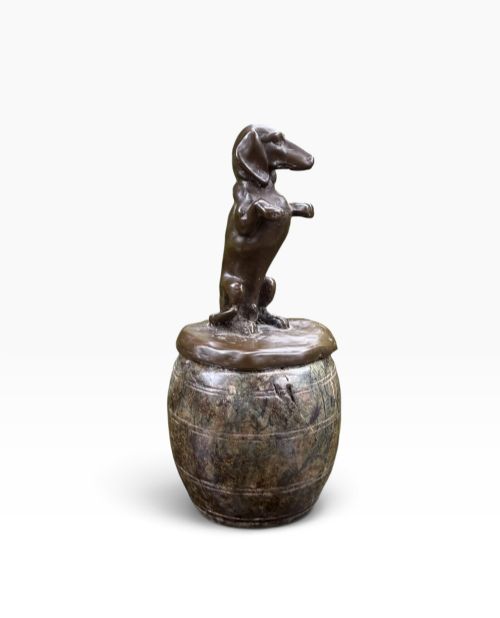
The versions most common here are French and Japanese bronzes from the nineteenth and early twentieth centuries. Many pieces stand on marble or onyx plinths, while others incorporate materials such as bone or ivory highlights.
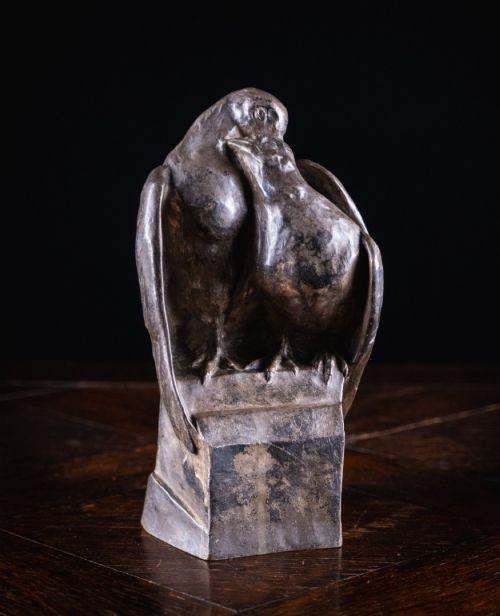
Makers shaped these sculptures to reflect naturalism, later shifting towards stylised Art Deco forms. Buyers encounter hounds, stags and birds cast in bronze, patinated metal or silver.
Materials and casting methods
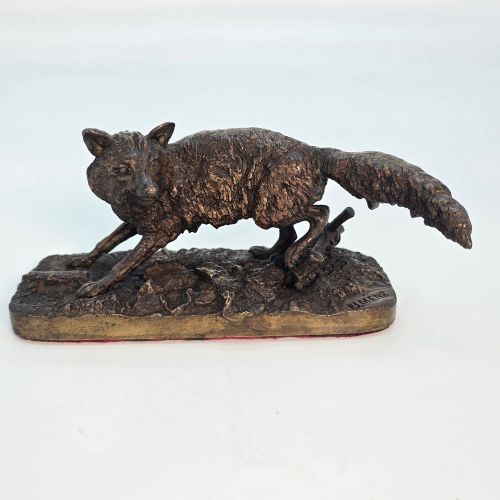
Foundries utilised the lost-wax casting method to capture fine details in bronze, patinated metal and nickel bronze. This technique allowed artisans to render fur texture, muscle definition and facial expressions with precision.
Many sculptures incorporate heavy stone bases such as marble or onyx to anchor the metal figures securely. Certain Vienna bronze pieces received polychrome cold-painted finishes applied directly to the surface.
Antique Animalier Statue Retail Price Guide 2026
Typical asking prices for animalier statue among the pieces listed under this phrase on Sellingantiques today, from the lower quarter to the upper quarter. They describe what is for sale here now, not the wider market.
Listings feature 19th Century, 1920, 1900, 1870, 1880, 1930, 1850 and 1860 production periods.
Assessing craftsmanship
The distinction between tiers rests upon the crispness of the chase work executed after casting. Superior examples retain sharp feather details, distinct claws and clean musculature without softening from worn moulds.
Base integration also affects the piece, as genuine antique sculptures fit flush into their original marble or onyx plinths. Patination depth contributes further, where rich, stable patinas demonstrate proper age and chemical treatment.
Tsunemitsu·P. J. Mène·D. H. Chiparus·Carl Kauba·Louis Emile Cana·Frederique Cederlund-Ozanne·Christophe Fratin·Emile Carlier·Alexandre Ouline·Alfred Dubucand·Alfred Barye·Kunio Itô·Franz Bergman·Dora Heber
The Antique Animalier Statue Glossary
- Animalier
- A nineteenth-century artistic movement focused on the realistic portrayal of animals, particularly in sculpture. Practitioners studied live subjects in menageries and rural settings.
- Cold-painted bronze
- A Vienna bronze technique where paint is applied to a cold metal surface rather than fired in a kiln. This finish is delicate and prone to chipping if handled roughly.
- Lost-wax casting
- A method where a molten metal is poured into a mould that has been created by means of a wax model. The wax is melted and drained away prior to pouring.
- Patination
- The surface coloration and ageing applied to metal through chemical or natural means. It protects the bronze and adds depth to the sculptural details.
- Spelter
- A zinc alloy frequently utilised as a less expensive alternative to bronze during the nineteenth and early twentieth centuries. It is lighter and softer than bronze.
Antique Animalier Statue: Frequently Asked Questions
How do I clean an antique bronze animal sculpture?
Dust the sculpture gently with a soft, dry brush to remove surface particles. Avoid chemical polishes or water, which can strip the historic patina.
Apply a microcrystalline wax sparingly if the metal requires protection, buffing it gently with a clean cloth.
Are these sculptures solid metal or hollow?
Most antique animalier bronzes are hollow castings produced through the lost-wax method. This kept weight and material costs manageable while maintaining structural strength.
Solid casts do exist, particularly among smaller figures and lizards, but they are considerably heavier.
How can I tell spelter apart from bronze?
Spelter is lighter than bronze and feels slightly softer to the touch. It often shows a greyish metal beneath worn areas of paint or patination.
Bronze exhibits a warm copper tone where exposed and rings with a clearer tone when tapped gently.
Did all animalier sculptors sign their work?
Prominent artists inscribed their signatures or foundry marks directly into the bronze base during the moulding process. Many smaller or unsigned works remain anonymous production pieces from European foundries.
Signatures should be examined closely to ensure they were cast into the metal rather than scratched on later.