






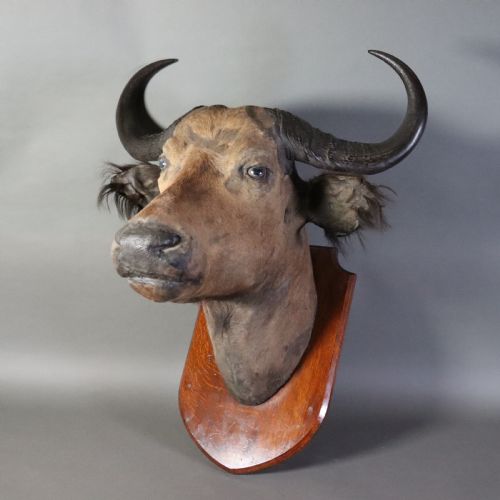


Antique Animal Mounting
When you search for antique animal mounting, you encounter preserved specimens, taxidermy trophies, and sculptural representations that capture historical fascination with wildlife.
Antique Animal Mounting
The search for antique animal mounting brings together a diverse selection of preserved specimens, taxidermy trophies, and sculptural works featuring animal forms. Pieces span the nineteenth century through the early decades of the twentieth century, including the Victorian and Edwardian eras, encompassing taxidermy mounts, walking sticks, wall sculptures, and carved trophies.
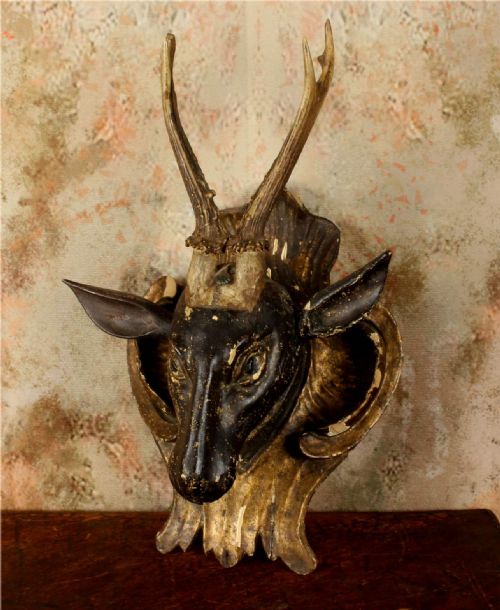
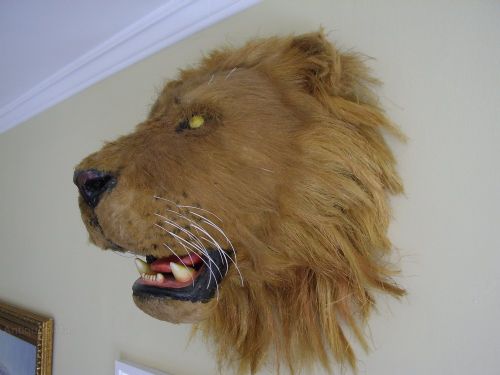
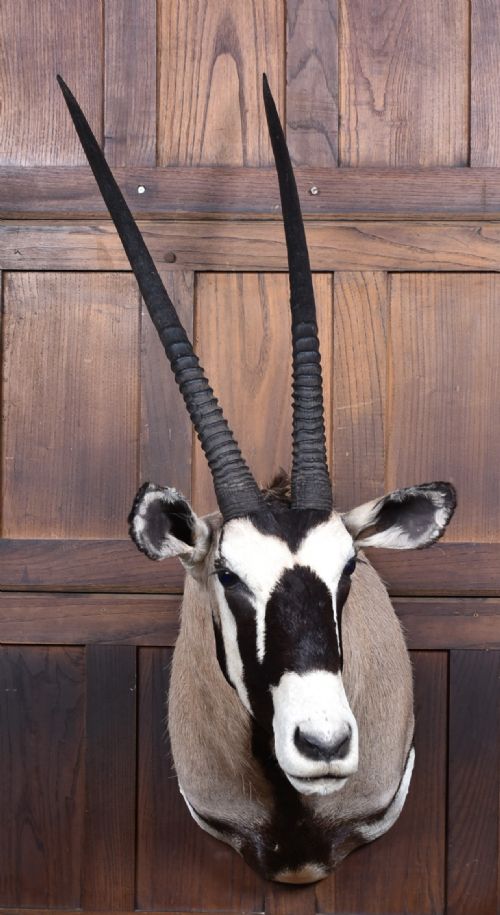
Buyers most frequently encounter taxidermy heads and horns mounted on wooden shields, alongside carved wood and bronze animal studies. Materials range from bone and horn to glass, wood, and silver, reflecting both natural history collecting and decorative arts of the period.
Materials and construction methods
Taxidermy mounts and animal trophies were constructed using animal hides, horns, and skulls secured to wooden backing boards or carved plinths. Preserved specimens required careful treatment of skins and bones, often incorporating glass eyes to achieve a lifelike appearance in Victorian and Edwardian displays.
Sculptural pieces utilise carved wood, cast bronze, and sterling silver, sometimes combined with onyx or ebony bases. Carvings in walnut and whalebone demonstrate traditional hand-tool techniques applied by artisans to shape natural materials into decorative vessels and figures.
Antique Animal Mounting Retail Price Guide 2026
Typical asking prices for animal mounting among the pieces listed under this phrase on Sellingantiques today, from the lower quarter to the upper quarter. They describe what is for sale here now, not the wider market.
Listings feature items from the nineteenth century, nineteen-hundred, nineteen-ten, nineteen-twenty, and nineteen-thirty, incorporating materials such as wood, horn, brass, and silver.
Distinctions in quality and execution
Quality in taxidermy mounts and animal sculptures rests on the anatomical accuracy and expression achieved by the taxidermist or sculptor. Works by established workshops display superior handling of natural forms, whereas lesser examples lack lifelike proportion and fine detail.
The selection of materials and the integrity of the mounting framework differentiate fine decorative items from utilitarian pieces. Superior items feature well-preserved hides, stable horn structures, and high-grade mounting metals such as silver and bronze.
Peter Spicer & Sons·Gerrard & Sons London·Edward Gerrard & Sons·Doulton Lambeth
The Antique Animal Mounting Glossary
- Taxidermy mount
- The preservation and mounting of animal skin over an artificial form to represent the living animal. These specimens often include glass eyes and are fitted to wooden shields or wall brackets.
- Cold painted bronze
- A method of painting bronze sculptures with non-heat-set paints, commonly seen in Austrian animal studies. The technique allows for intricate polychrome detailing on small animal figures.
- Tyg
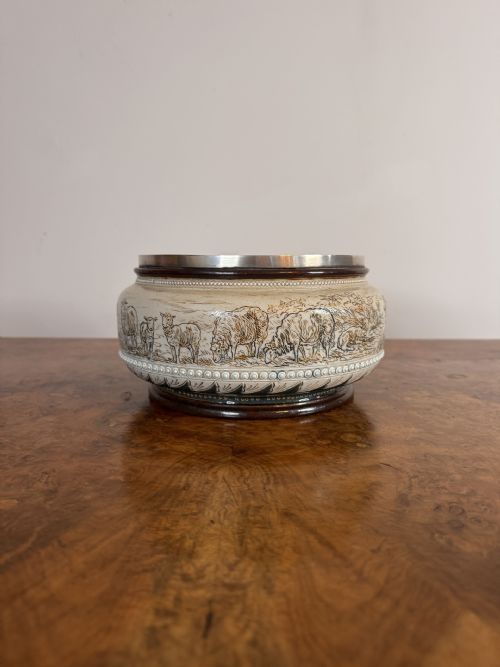
- A large ceramic drinking vessel with multiple handles, exemplified by nineteenth-century stoneware pieces. They frequently feature detailed decorative motifs and applied ornamentation.
- Folk art
- Utilitarian or decorative objects created by self-taught or traditional craftsmen using local materials. In this category, items include hand-carved wooden deer and antler trophies.
- Plinth
- A heavy base supporting a statue, trophy, or sculptural animal study. Materials range from polished wood and ebony to green onyx.
Antique Animal Mounting: Frequently Asked Questions
What periods do these pieces date from?
The pieces span the nineteenth century and the early twentieth century, including Victorian, Edwardian, and Art Deco periods.
Most items date from roughly eighteen-hundred through nineteen-thirty, reflecting the craft and collecting habits of those eras.
How should I display taxidermy mounts?
Taxidermy mounts and horn trophies are typically hung on interior walls using secure brackets attached to wooden backing boards.
They require placement away from direct sunlight and excessive moisture to protect natural hides and bone structures.
What materials are used in these items?
Materials include organic elements such as animal bone, horn, fur, and whalebone combined with carved wood and metal elements.
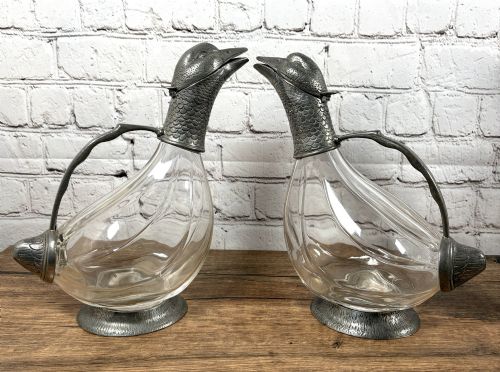
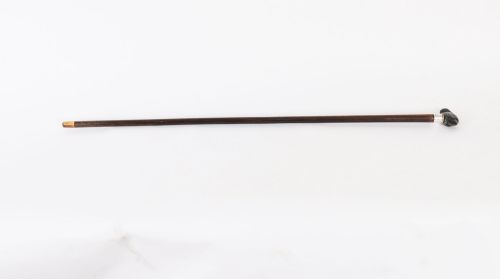
Bronze, silver, brass, and glass also appear frequently in decorative sculptures, walking sticks, and display vessels.
How do I identify different styles?
Victorian and Edwardian taxidermy often prioritises naturalistic presentation on wooden shields, whereas Folk Art pieces display simpler, hand-carved regional characteristics.
Art Deco and later twentieth-century items incorporate stylised forms and contrasting materials like onyx and ebony.