



Antique Animal Miniature
These antique animal miniature pieces bring charm and character to a room, offering fine craftsmanship in delightfully small scales.
Antique Animal Miniature
An antique animal miniature represents small-scale sculptures, figures, and functional items depicting creatures from various periods and traditions. Buyers searching for an antique animal miniature will encounter works ranging from European desk ornaments to Asian decorative objects.
The selections span Victorian, Edwardian, and early twentieth-century eras, incorporating diverse cultural origins including Austrian, Chinese, and Japanese craftsmanship. Most examples tend to be metal figures, carved wood animals, or novelty pin cushions.
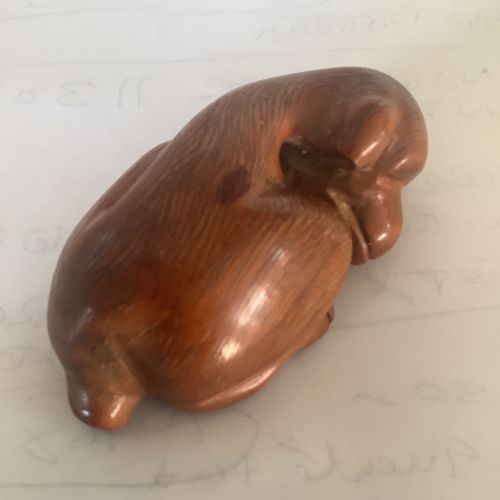
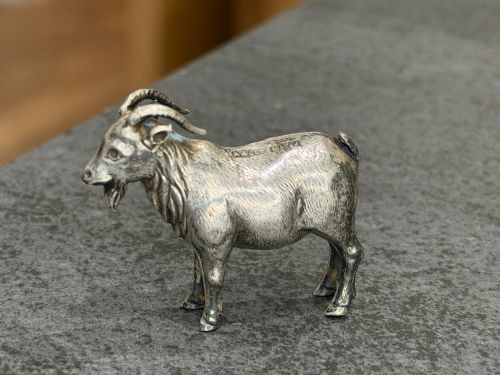
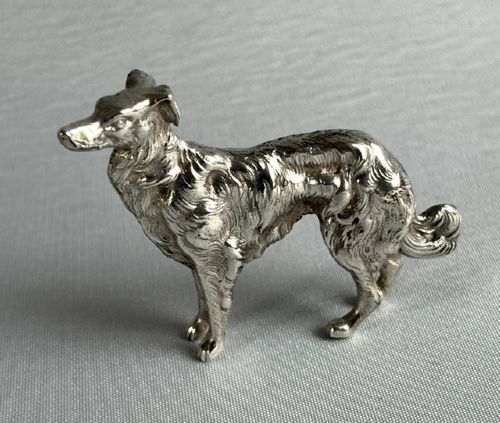
Makers utilised familiar creatures such as dogs, birds, frogs, and lions, often shaped with notable attention to anatomical detail. These pieces serve as collectable desk accessories or cabinet displays rather than large statement artworks.
How They Were Made
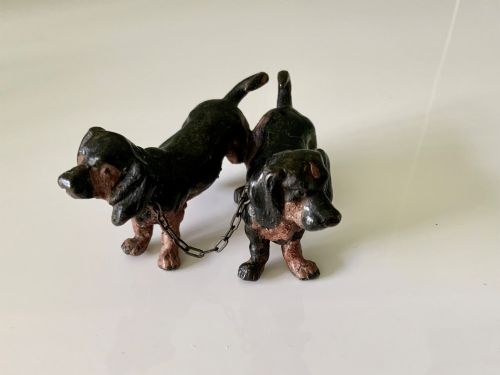
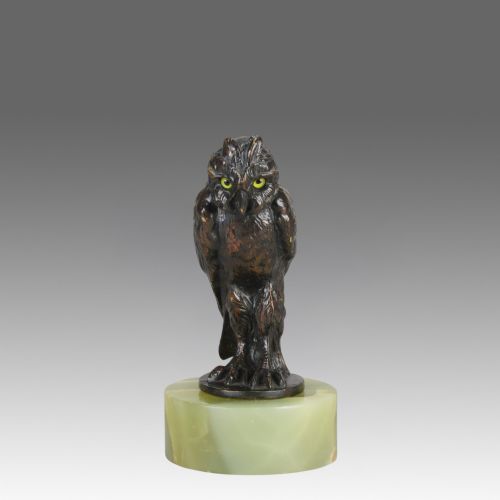
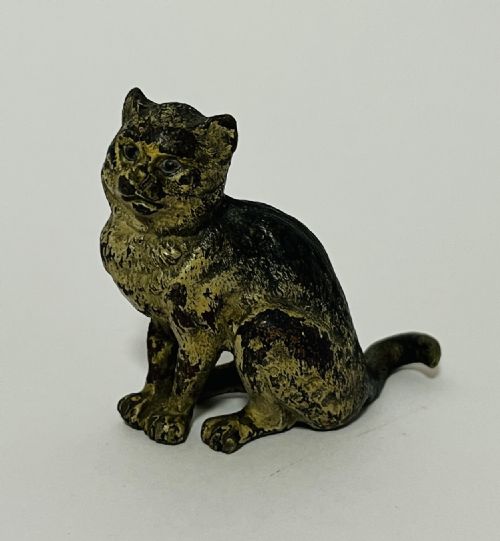
Makers shaped many metal pieces using traditional casting methods, often finishing the surface with cold-painted pigments or patination. Bronze and silver form the foundation for numerous sculptural figures and novelty items.
Carved works rely on organic materials such as hardwood, jade, and bone, shaped meticulously with hand tools. Painters applied fine pigments on paper surfaces for two-dimensional representations.
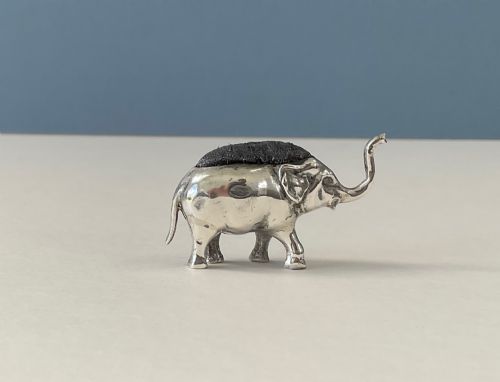
Novelty silver pin cushions combine metalwork with velvet textiles, requiring precise assembly by silversmiths and upholsterers.
Antique Animal Miniature Retail Price Guide 2026
Typical asking prices for animal miniature among the pieces listed under this phrase on Sellingantiques today, from the lower quarter to the upper quarter. They describe what is for sale here now, not the wider market.
Listings feature bronze, silver, jade, paper, and velvet across Victorian, Edwardian, and twentieth-century periods.
What Varies in Quality
The crispness of the casting or carving defines the upper tier of these objects, where facial expressions and fur textures remain sharp and distinct. Poorer examples show smoothed details and hurried finishing work.
Cold-painted surfaces demand careful preservation of the original pigments, whilst worn paint diminishes the visual impact of metal figures. Maker stamps and registration marks also separate standard production pieces from signed masterworks.
Franz Bergman·Berthold Muller·Edith Parsons·Herbert Dicksee
The Antique Animal Miniature Glossary
- Cold painted
- A technique where bronze figures are painted with natural colours without subsequent kiln firing. This method results in a characteristic matte surface texture.
- Geschützt
- A German term often stamped on Austrian bronzes indicating legal protection or a registered design. It frequently appears on metal animal figures from the early twentieth century.
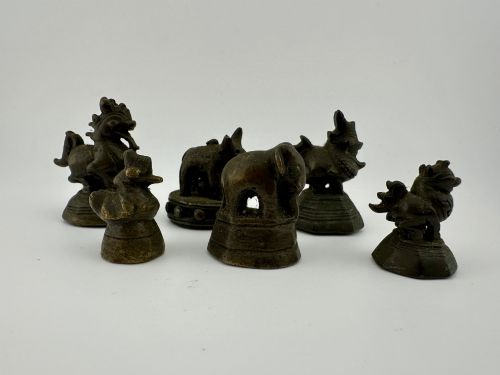
- Opium weight
- A traditional trade weight cast in the form of animals such as birds or beasts. These Southeast Asian bronzes served practical economic functions before becoming collectable.
- Pin cushion
- A sewing accessory often fashioned into animal shapes using silver and velvet during the Edwardian period. These dual-purpose objects combined utility with decorative charm.
- Netsuke
- A small carved toggle used in traditional Japanese dress to secure small pouches. Artists carved these intricate miniature forms from wood or ivory.
Antique Animal Miniature: Frequently Asked Questions
What materials were used for these miniatures?
Makers employed bronze, sterling silver, hardwood, jade, and painted paper to create these small figures. Metal pieces often feature cold-painted finishes or dark patination.
Organic materials like wood and jade show traditional carving techniques applied by regional artisans.
How do I identify Austrian cold-painted bronzes?
Austrian cold-painted bronzes display distinct matte pigments applied over cast metal animal forms. Many pieces originate from Vienna workshops active around the early twentieth century.
Look for foundry stamps or registration words like Geschützt on the underside of the sculpture.
Were silver pin cushions used daily?
Edwardian silver novelty pin cushions served practical sewing needs on dressing tables and desks. Their animal forms made them both functional tools and decorative conversation pieces.
The velvet inserts held pins while the silver bodies provided sturdy structural bases.
How are wooden animal miniatures carved?
Carvers utilised dense hardwoods to shape small animal figures with precise hand tools. Black Forest carvings and Japanese netsuke demonstrate this meticulous attention to grain and form.
These objects rely entirely on subtractive sculpture techniques rather than casting.