




Antique Animal Jewellery
Antique animal jewellery captures life in miniature, offering charming representations of creatures in gold, silver, and precious stones.
Antique Animal Jewellery
Antique animal jewellery encompasses brooches, pendants, bracelets, and charms fashioned to resemble domestic pets, wild beasts, birds, and insects. These pieces span periods from the nineteenth century through the Edwardian era and into the mid-twentieth century.
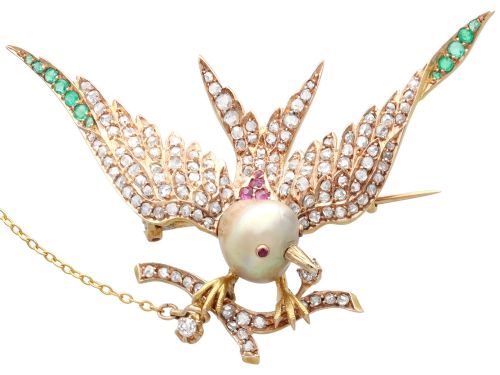
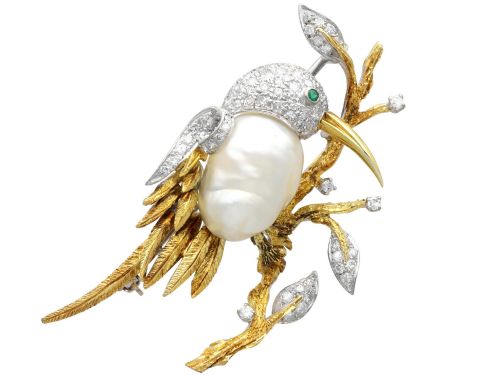
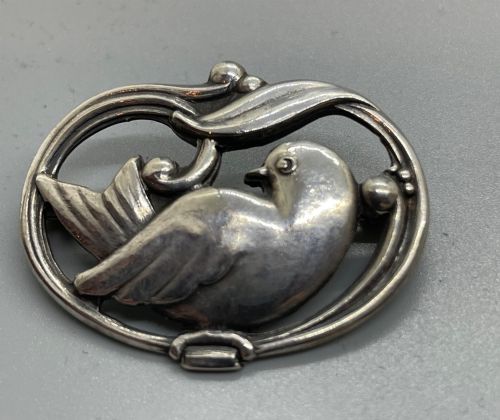
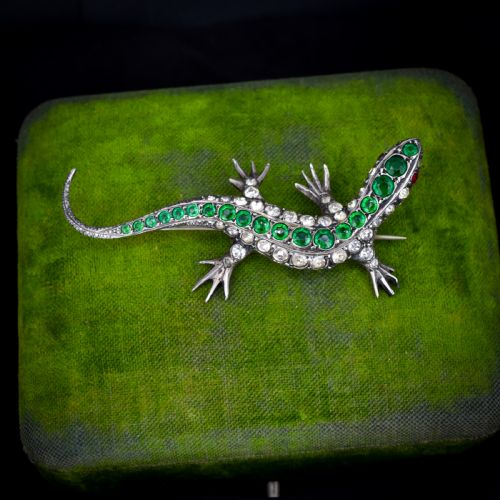
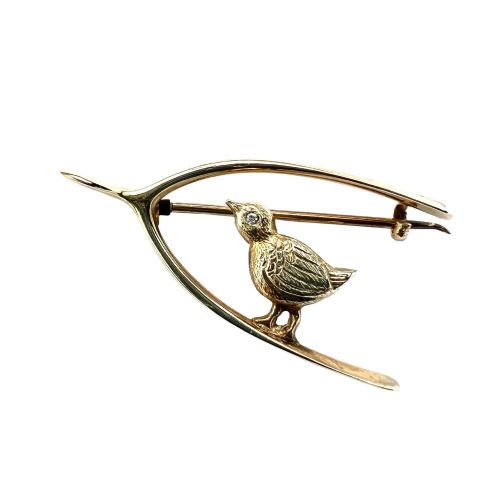
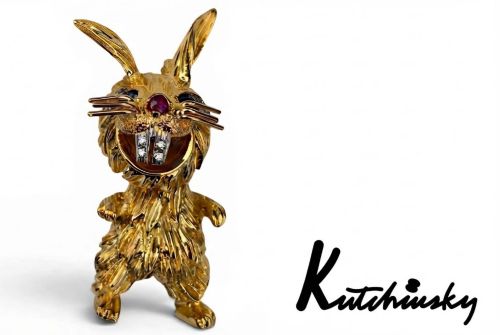
Brooches form the most common type encountered here, frequently depicting dogs, birds, and lizards rendered in silver or gold. Items range from simple silver novelties to intricate jewels set with diamonds, rubies, and enamel.
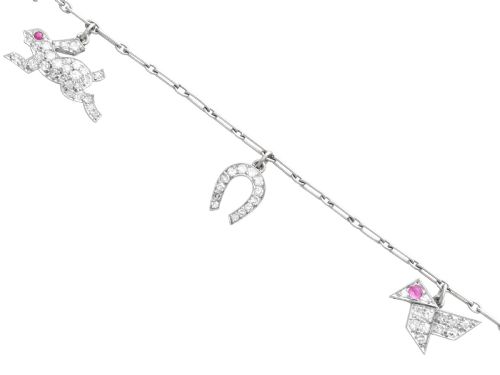
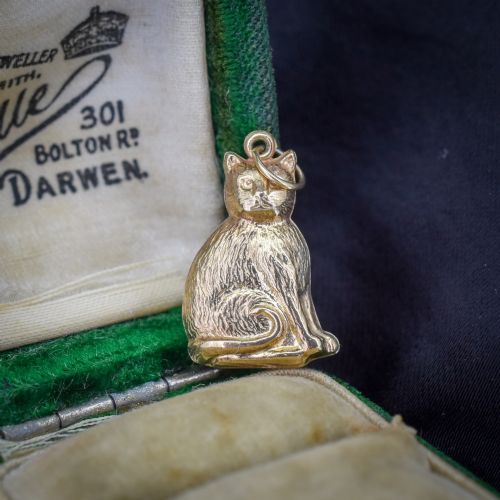
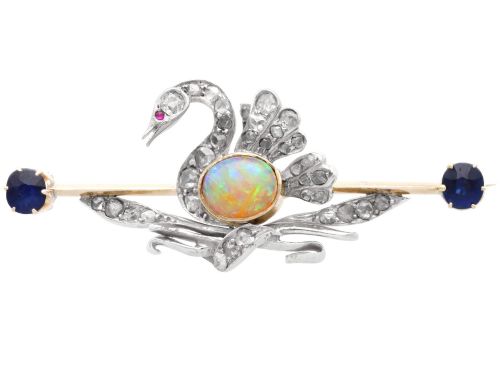
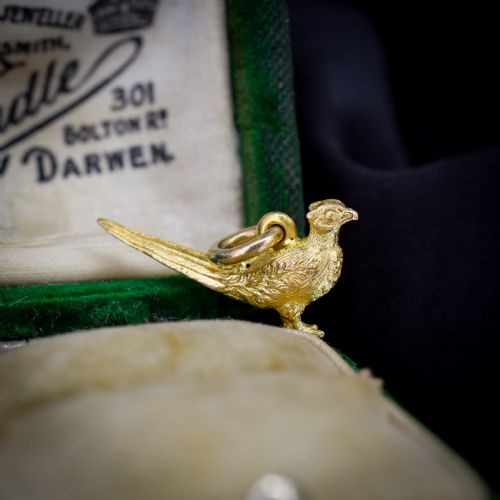
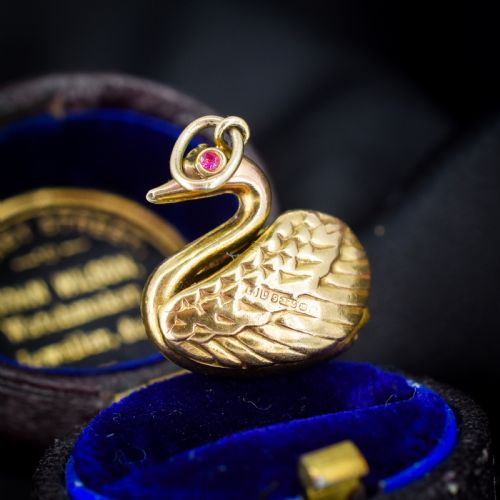
The assortment includes charms and pendants designed as lions, pigs, and swans, alongside novelty items like boars used as pencils. Pieces reflect diverse styles including Victorian equestrian themes, Edwardian naturalism, and Art Deco geometry.
How they were made
Craftsmen utilised gold, silver, and platinum as the primary foundations for mounting gemstones and enamel work. Yellow gold in various carat weights provides warmth to animal figures, while silver offers a bright contrast for detailed chasing.
Gems such as diamonds, rubies, emeralds, sapphires, and green paste serve as eyes or body ornamentation, adding colour and light. Enamel provides realistic plumage and fur details, fused onto the metal through skilled firing techniques.
Antique Animal Jewellery Retail Price Guide 2026
Typical asking prices for animal jewellery among the pieces listed under this phrase on Sellingantiques today, from the lower quarter to the upper quarter. They describe what is for sale here now, not the wider market.
A tiny silver boar doubles as a functioning pencil, ready to jot notes from the hunt.
What varies in quality
The finesse of the miniature carving and engraving dictates the distinction between standard and superior examples. High-grade items display anatomically convincing forms and delicate feather or fur texturing.
Material selection significantly influences overall merit, separating simple silver items from those encrusted with fine diamonds, rubies, and high-carat gold. Intact enamel work and secure gem settings elevate a piece's standing.
Hamilton & Co. Calcutta·Ilias Lalaounis
The Antique Animal Jewellery Glossary
- Brooch
- A decorative pin designed to be fastened to clothing. These pieces often secure with a traditional pin and C-clasp mechanism.
- Charm
- A small decorative pendant suspended from a bracelet or chain. They frequently depict miniature animals or lucky symbols.
- Paste
- Faceted glass used as an economical substitute for gemstones. It is often set into silver to imitate diamonds or coloured stones.
- Fob seal
- A small pendant historically used for stamping wax seals on correspondence. They frequently incorporate hardstones and animal motifs.
- Enamel
- Vitreous material fused to metal through heat to add permanent colour. It appears frequently on wings, bodies, and hunting scenes.
Antique Animal Jewellery: Frequently Asked Questions
What animals appear most often?
Dogs, birds, and lizards dominate the selection of figures, appearing across multiple eras in silver and gold.
Insects and farm animals also feature regularly as charms and brooches.
How are these pieces worn?
Brooches pin directly onto lapels, scarves, or hats, while pendants and charms suspend from chains or bracelets.
Bangles fit snugly around the wrist as standalone statement items.
Are gemstones real in these pieces?
Gems vary between precious stones like diamonds, rubies, emeralds, and sapphires, and synthetic alternatives such as paste.
Higher-end items utilise fine stones for eyes and body highlights.
How do I date antique animal jewellery?
Dating relies on metal hallmarks, the style of the setting, and characteristic motifs of periods like the Victorian or Edwardian eras.
Specific catches and pins also offer clues to the decade of manufacture.