
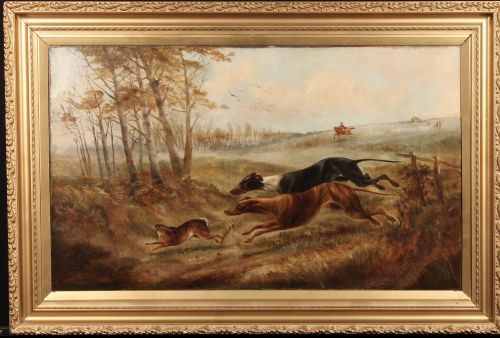
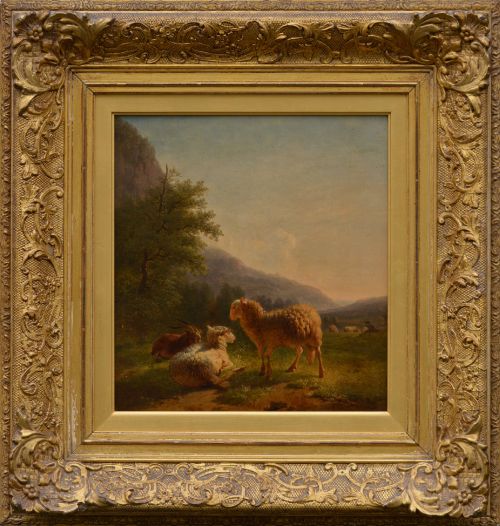
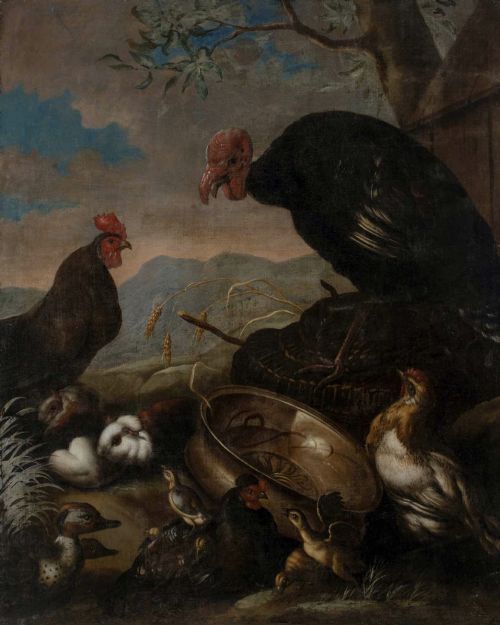
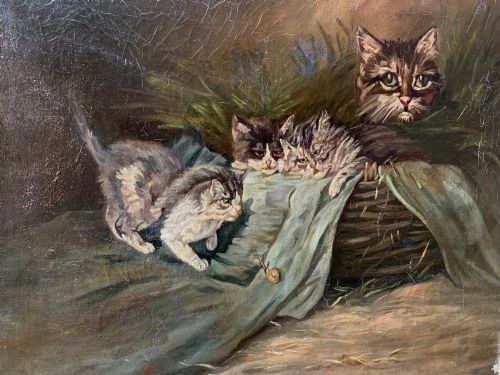
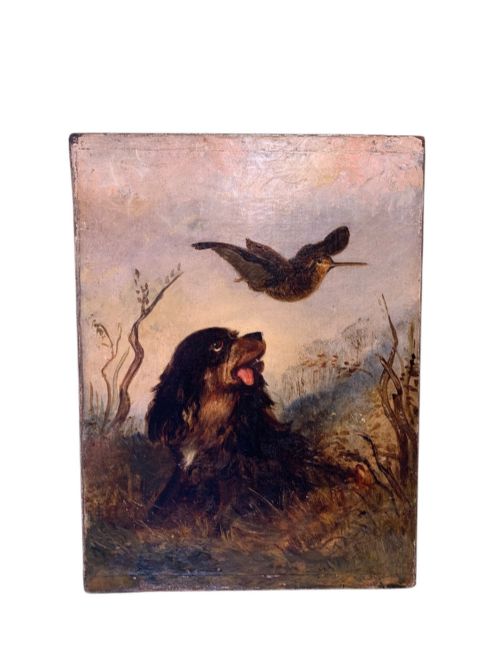
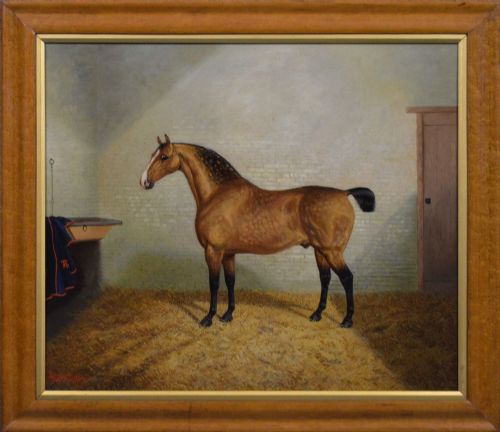
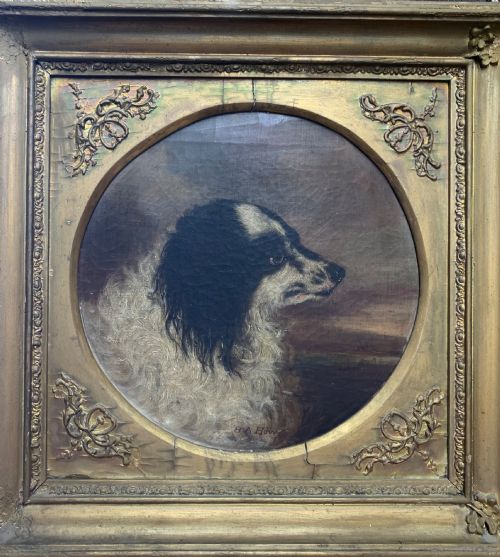
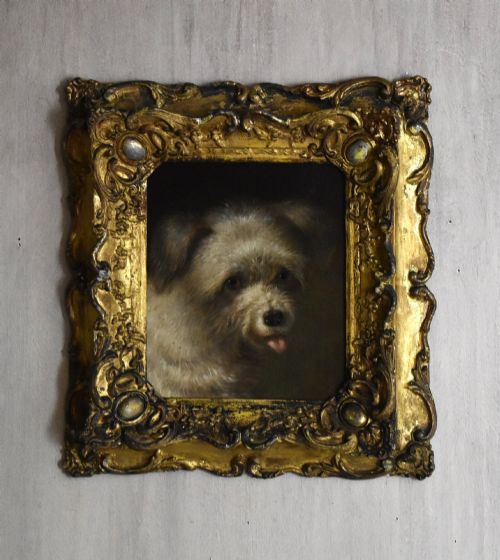
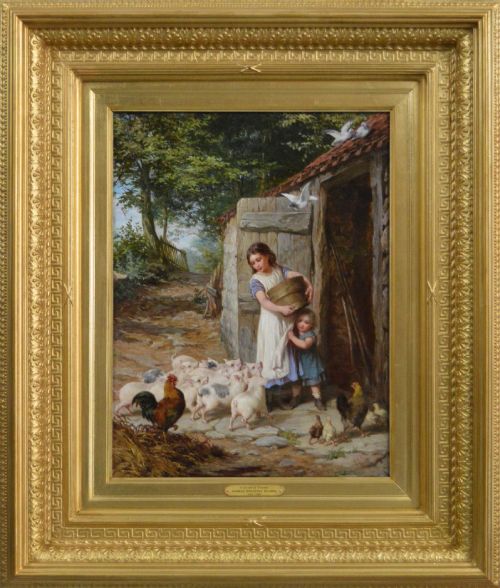
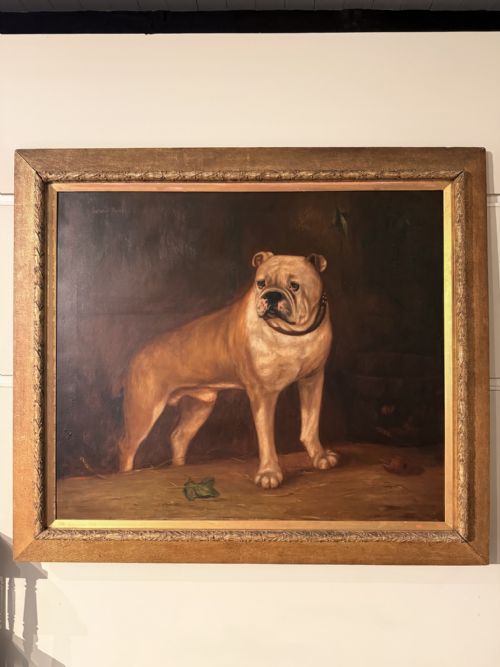
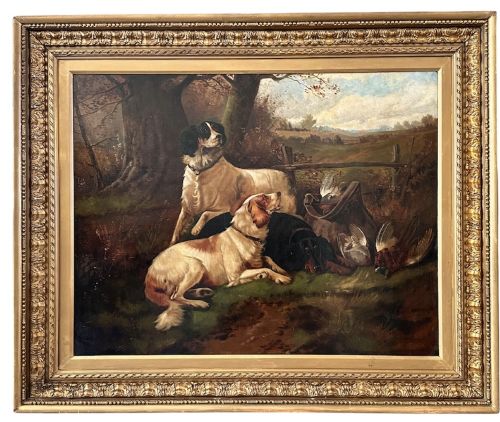
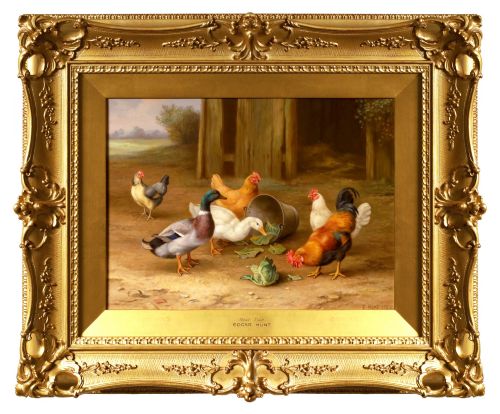
Antique Animal Canvas Painting
An antique animal canvas painting brings home centuries of observation, capturing horses, hounds, and farm stock in rich oil and pigment.
Antique Animal Canvas Painting
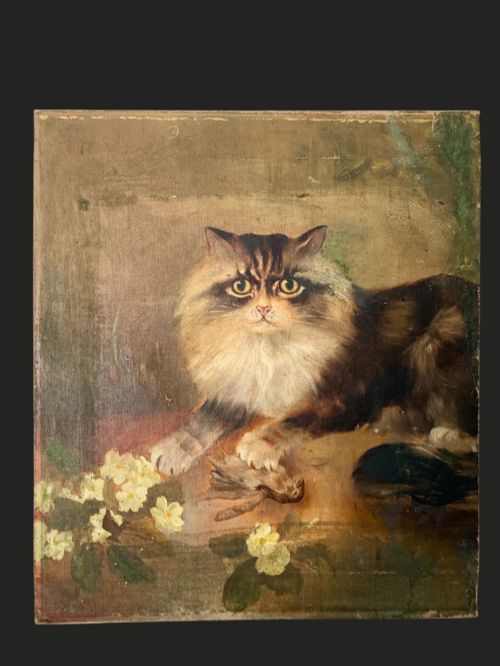
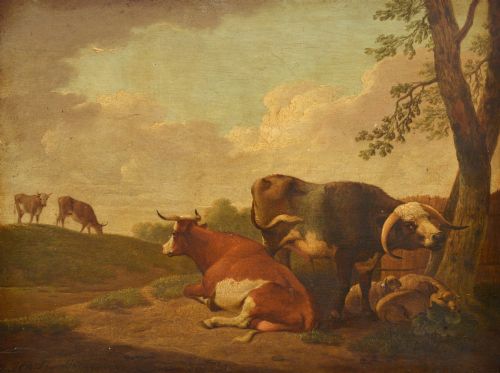
When you search for an antique animal canvas painting, you encounter works spanning from the seventeenth century through to the early twentieth century. These canvases capture domestic livestock, working dogs, and horses, often rendered within detailed pastoral landscapes or domestic interiors.
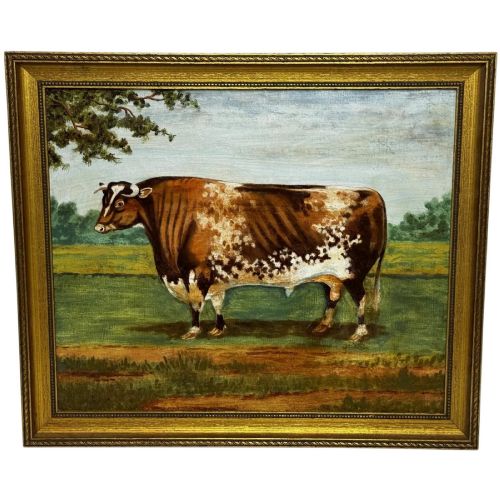
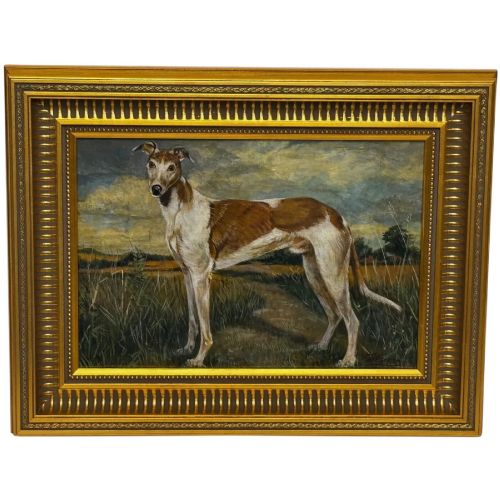
The Victorian period dominates the selections here, alongside pieces from the eighteenth and early twentieth centuries. Works range from naive folk art portraits of single creatures to formal sporting art depicting prized bulls, racehorses, and gun dogs with their day's bag.
Artists from British, French, and Belgian schools appear frequently across these listings. You will find both signed compositions by named painters and expressive works from anonymous hands within the nineteenth-century school.
Materials and methods
Painters of these works applied oil paint directly onto woven canvas supports, utilising the tooth of the fabric to build texture in animal coats and surrounding foliage. Pigments were mixed with drying oils to achieve deep tones for dark animal hides and luminous highlights for horse flesh and feathers.
Makers housed these canvases within wooden frames, frequently finished in giltwood or gilt wood to complement the domestic interiors of country houses and parlours. The combination of oil on canvas within a heavy gilded surround protects the perimeter of the textile while adding visual weight to the composition.
Kittens, snails, and lions share the canvas space with prize bulls and working sheepdogs.
Factors of distinction
Superior examples demonstrate a firm command of anatomy and movement, capturing the weight of a Shorthorn bull or the alert posture of a lurcher dog with anatomical precision. Lesser works rely on stiff formulas, where the proportions of legs or heads lack the convincing posture seen in master paintings.
The treatment of light and background detail separates accomplished academic output from simpler naive pieces. While folk art charm relies on flat perspective and direct expression, works by recorded artists use subtle tonal gradations in the landscape to give depth to the animal subject.
George Armfield·Eugène Verboeckhoven·Angelo Maria Crivelli·Hendrik Willem Schweickhardt·Albert Clark·Martin Theodore Ward·George Augustus Holmes·John Sargent Noble·Edgar Hunt·Robert Watson·Sir Edwin Henry Landseer·Fred Fitzpatrick·William Watson Jnr·Alfred Arthur Brunel de Neuville·Henry Schouten·Claude Cardon·John Emms·LM Webb·Henry Robinson Hall·William Henry Mander·Thomas Sidney Cooper
The Antique Animal Canvas Painting Glossary
- Canvas
- A heavy woven fabric, typically linen or cotton, stretched tightly across a wooden frame to serve as the primary support for oil paintings. Painters apply a sizing and ground layer to the surface before beginning their composition.
- Giltwood
- Wood carved and coated with a thin layer of gold leaf or gold paint, frequently used for the ornate frames enclosing nineteenth-century paintings. This finish catches candlelight and natural illumination in a room.
- Sporting art
- A genre of painting dedicated to horses, hounds, shooting, and rural pursuits, popular among landowners and gentry. These works document prized livestock, racehorses, and hunting scenes with meticulous detail.
- Naive school
- Art produced by painters without formal academic training, characterised by flattened perspective and direct, unpretentious handling of subject matter. These pieces offer a charmingly direct record of domestic animals.
- Oil paint
- A slow-drying medium made by mixing pigments with a drying oil such as linseed, allowing artists to blend colours smoothly on the canvas. This medium permits rich impasto effects and subtle glazes.
Antique Animal Canvas Painting: Frequently Asked Questions
What periods do these paintings cover?
The listings span from the seventeenth century through the Regency and Victorian eras up to the early twentieth century. You will encounter seventeenth-century Dutch and Italian canvases alongside late Victorian and Edwardian sporting works.
Victorian pieces form a large part of the selection, reflecting the era's deep fascination with domestic pets, working dogs, and prize-winning agricultural livestock.
How should I hang an oil painting?
Select a wall away from direct sunlight and sudden temperature shifts to protect both the canvas and the wooden gilt frame. Secure the frame using sturdy fixings suited to the weight of the wood and canvas.
Keep the centre of the canvas at roughly eye level, mirroring the traditional display methods common in nineteenth-century domestic interiors.
Who painted these animal portraits?
The selection includes both named academic painters and anonymous practitioners from various European schools. Some works bear signatures or attributions to prominent nineteenth-century animaliers and sporting artists.
Other canvases originate from naive or folk art traditions, capturing beloved pets and farm animals through direct, untrained observation.
How do I care for canvas art?
Dust the surface of the canvas and its giltwood frame gently with a soft, dry brush to prevent particle buildup. Avoid using water, chemical cleaners, or damp cloths on either the painted surface or the frame.
Maintain a stable indoor climate to prevent the canvas from slackening on its stretcher frames or the wooden components from warping.