



Antique Angel Lights
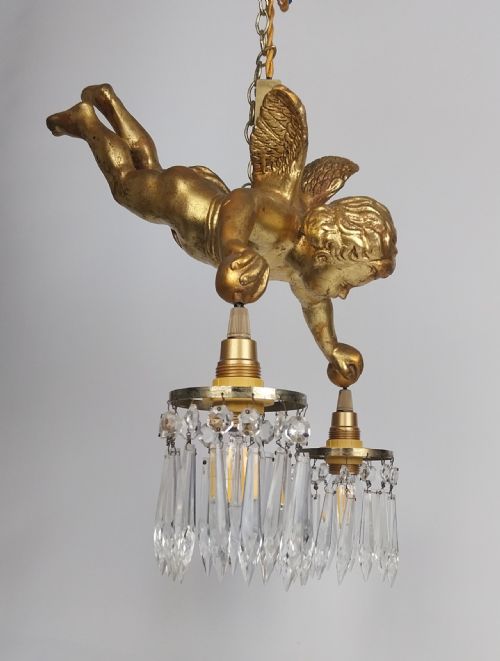
Antique angel lights bring figural charm and illumination to a room, combining cast metal cherubs with glass drops and branches.
Antique Angel Lights
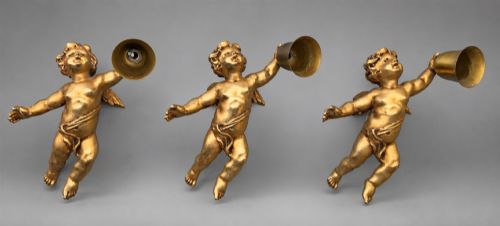
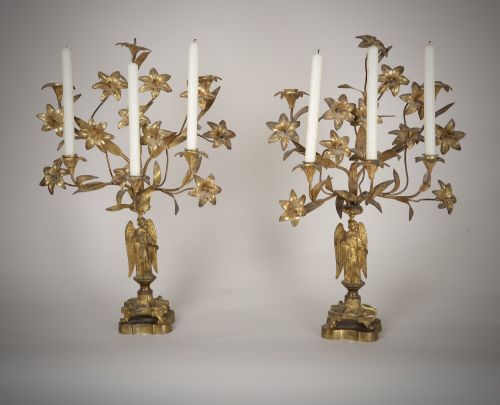
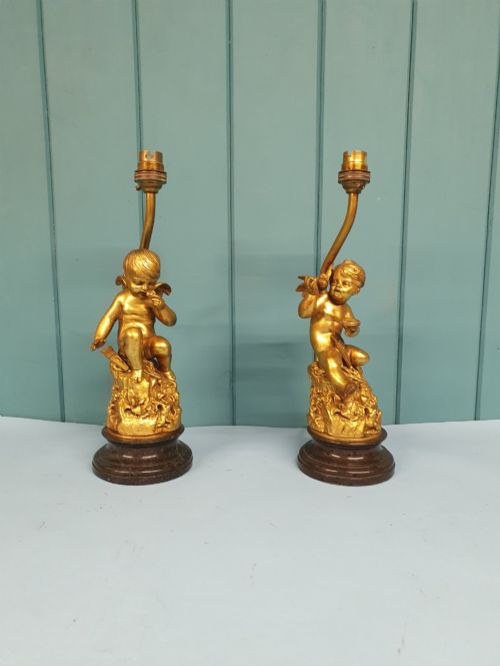
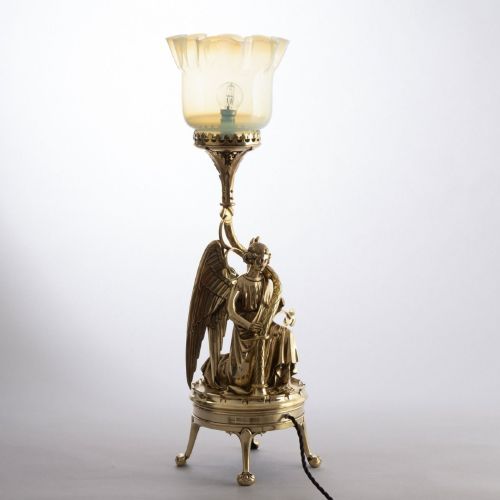
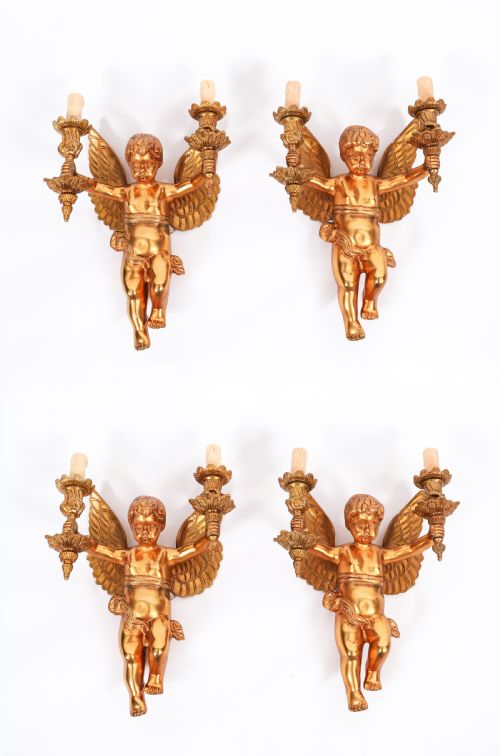
When you search for antique angel lights, you are looking at figural lighting and candleholders shaped around cherubs, cupids, and winged figures. These pieces range from ceiling chandeliers and wall sconces to table lamps and candelabra.
The versions you are most likely to meet on this page span the nineteenth century, including Victorian and Gothic revival pieces, alongside twentieth-century items from the nineteen-twenties and thirties. Materials lean towards brass, gilt metal, ormolu, and spelter, often paired with glass or crystal.
Forms vary from single wall lights and pairs of candlesticks to multi-branch chandeliers with cut glass crystal spikes. Origins stretch across British and continental European workshops, taking in styles from Rococo and Baroque revivals to French chateau aesthetics.
How they were made
Metalworking formed the backbone of these pieces, utilising cast brass, gilt metal, ormolu, and spelter to shape the winged figures and structural frames. Artisans chased and gilded the surfaces to catch the light from candles or early electric bulbs.
Glass and crystal elements added brilliance through cut glass spikes, shades, and vaseline glass components. These optical parts were hand-cut or moulded to scatter light across a room from chandeliers and wall lights.
Antique Angel Lights Retail Price Guide 2026
Typical asking prices for angel lights among the pieces listed under this phrase on Sellingantiques today, from the lower quarter to the upper quarter. They describe what is for sale here now, not the wider market.
Flying cherubs dangle permanently from ceilings, keeping watch over rooms with glass crystal wings and perpetual frozen smiles.
What varies in quality
The integration of glass components dictates the overall presence of the fixture, with intact cut glass crystal spikes and coloured vaseline glass elevating the piece. Superior examples maintain balanced proportions between the figural body and the lighting branches.
The Antique Angel Lights Glossary
- Spelter
- A zinc alloy commonly used as a cost-effective alternative to bronze or brass for casting decorative figures. It takes gilding and patination well, appearing frequently in nineteenth-century decorative objects.
- Ormolu
- Finely chopped gold applied to a bronze or brass base through a mercury amalgamation process, or simply high-status golden brass casting. It provides a rich, warm surface finish that resists tarnish.
- Vaseline glass
- A type of glass containing uranium dioxide, glowing a distinct yellowish-green under ultraviolet light. It adds translucent colour to Victorian lighting fixtures.
- Candelabra
- A branched candlestick holder designed to hold multiple candles at once. These often share stylistic motifs with electrified wall lights and chandeliers.
- Gothic Revival
- An architectural and decorative style drawing on medieval forms, featuring pointed arches and heavy ecclesiastical detailing. It appears in nineteenth-century metalwork and lighting.
Antique Angel Lights: Frequently Asked Questions
What periods do antique angel lights come from?
These pieces date primarily from the nineteenth century, including Victorian and Gothic revival eras, extending into the nineteen-twenties and thirties. Early examples include seventeenth-century carved wooden or metal candlesticks.
Stylistic markers help place them, with Rococo and Baroque revival forms sitting alongside French chateau designs.
How were angel lights originally used?
They served functional roles as chandeliers, wall sconces, and table lamps to illuminate rooms by candlepower or early gas and electric lighting. Pairs of wall lights and candelabra were often arranged symmetrically in principal rooms.
Figural designs turned everyday illumination into a decorative display of winged cherubs and putti.
How do you clean gilt metal and ormolu?
Dusting gently with a soft brush prevents the buildup of grime without harming the delicate gilt surfaces. Avoid harsh chemical cleaners that can strip away the metallic finish.
Preserving the original surface retains the character and age of the cast metal.
Can antique angel lights be rewired?
Many ceiling lights, chandeliers, and table lamps are adapted for modern electrical standards by professional electricians. Existing channels and hollow cast arms often accommodate modern wiring.
Retaining original sockets and components is balanced against the need for safety in daily use.
What is the difference between spelter and brass?
Spelter is a softer, lighter zinc-based metal that was frequently cast into decorative figures during the nineteenth century. Brass is an alloy of copper and zinc known for greater durability and structural strength.
Closer inspection of the base metal reveals the heavier weight and distinct patination of brass compared to spelter.