
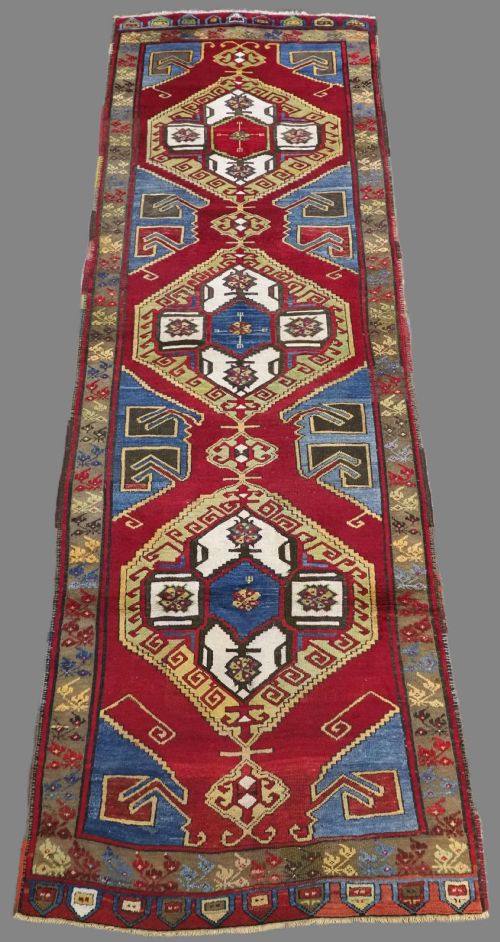


Antique Anatolian Runner
An antique anatolian runner brings warmth and distinct tribal character to a narrow hallway through time-tested weaving traditions.
Antique Anatolian Runner
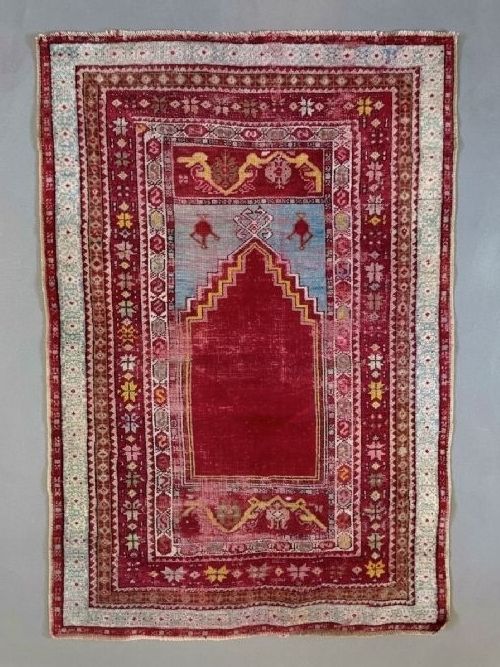
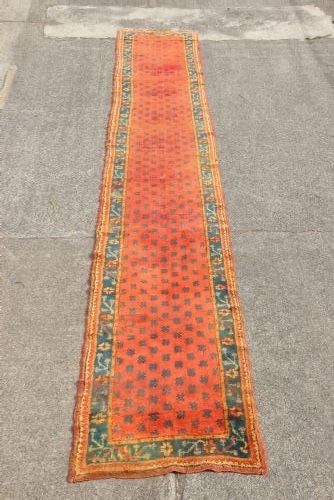
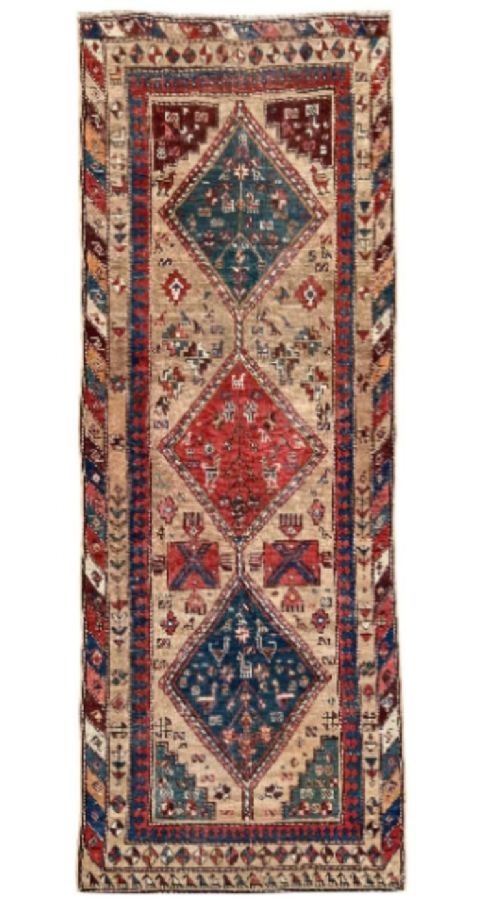
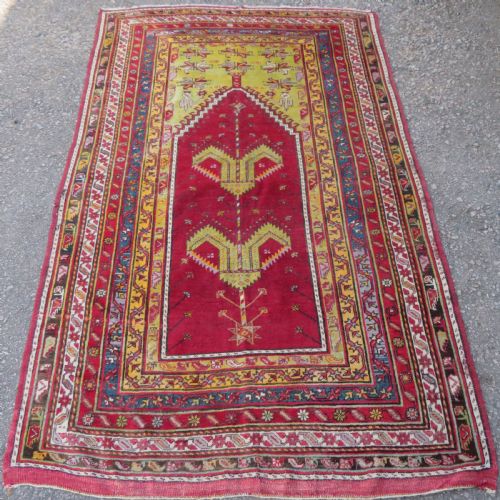
When searching for an antique anatolian runner, a buyer encounters long, narrow textiles originating from weaving centres across Turkey and Anatolia. These pieces span periods from the nineteenth century into the early twentieth century, reflecting traditional village and tribal designs.
The formats vary from room-sized long rugs to elongated runners suited for corridors, alongside related prayer rugs and kilims. Common regional attributions include Ushak, Konya, Kirsehir, and Kurdish workshops, each bringing distinct local motifs to the surface.
Most examples found in these listings date from the late nineteenth century up through the nineteen-thirties. They bridge utilitarian floor coverings and decorative folk art, shaped by the cultural practices of the weavers who made them.
Materials and construction
The foundation and pile rely primarily on wool, cotton, hand-spun wool, and angora wool. Weavers utilised these natural fibres to build durable structures capable of withstanding generations of foot traffic.
Many items incorporate hand-spun wool which absorbs natural dye variations with depth and irregularity. Flatweave kilim sections and pile-woven areas occasionally appear together, demonstrating specialised regional construction methods.
Materials recorded across the inventory include wool, cotton, hand-spun wool, and angora wool.
Variations in quality
Quality rests upon the fineness of the knotting, the handling of the wool, and the integrity of the foundation threads. Tighter construction and carefully prepared natural fibres generally signal a more accomplished weaving origin.
The depth of the dye palette and the clarity of the tribal motifs also divide standard village pieces from exceptional town workshops. Wear patterns naturally affect each piece differently depending on its age and prior domestic use.
Ushak·Konya·Kirsehir·Malatya·Sivas
The Antique Anatolian Runner Glossary
- Kilim
- A flatwoven textile produced without a pile by tightly interweaving warp and weft threads. These pieces often feature geometric patterns and serve as floor coverings or light hangings.
- Prayer Rug
- A devotional textile featuring a mihrab or niche design that indicates the direction of prayer. These formats typically measure smaller than full carpets.
- Warp
- The vertical threads stretched tightly on the loom that form the structural foundation of the rug. Fringe ends usually consist of these exposed parallel threads.
- Weft
- The horizontal threads passed across the warp strands to secure the knots in place. They bind the entire weave together row by row.
- Mihrab
- The arched architectural niche depicted on prayer rugs, symbolising a doorway or focal point. Its orientation guides the visual reading of the design.
Antique Anatolian Runner: Frequently Asked Questions
How do I care for my runner?
Protect the textile by placing a breathable rug underlay beneath it to prevent slipping and reduce friction against the floor. Vacuum gently using low suction without a rotating brush roll.
Keep the piece out of direct sunlight to prevent fading of the wool fibres. Professional cleaning by a specialist in antique textiles ensures safe maintenance.
How can I tell the age of a rug?
Age is assessed through material analysis, structural evidence in the foundation, and dye characteristics. Hand-spun wool and natural dye palettes generally point towards nineteenth-century production.
Stylistic conventions and regional weaving traits also help place pieces within specific decades. Comparing structural quirks to documented examples refines the date.
Where were these pieces made?
These textiles originate from various provinces and nomadic communities across Anatolia, now modern Turkey. Major production centres included Ushak, Konya, Kirsehir, and Sivas.
Village workshops and Kurdish tribal groups contributed distinct regional colour palettes and geometric vocabularies. Each locale utilised local sheep breeds and native dye plants.