

Antique Analog Watch
These antique analog watch selections are traditional timepieces driven by mechanical or automatic movements, offering enduring craftsmanship that collectors prize.
Antique Analog Watch
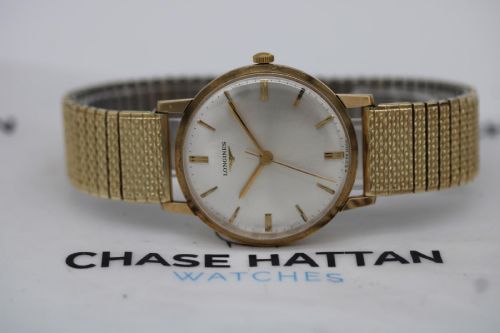
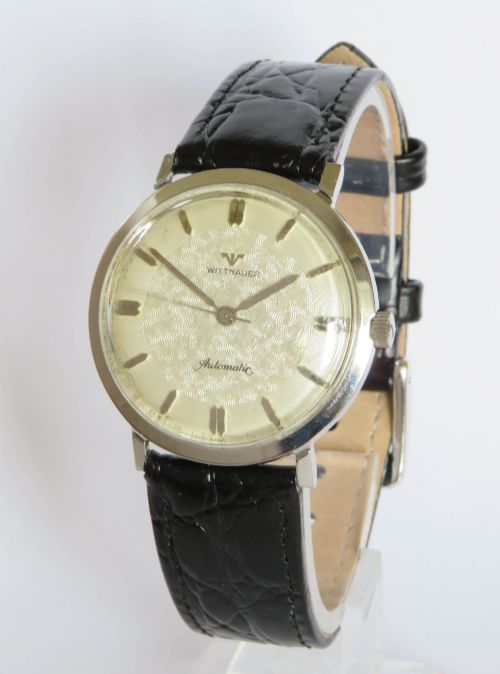
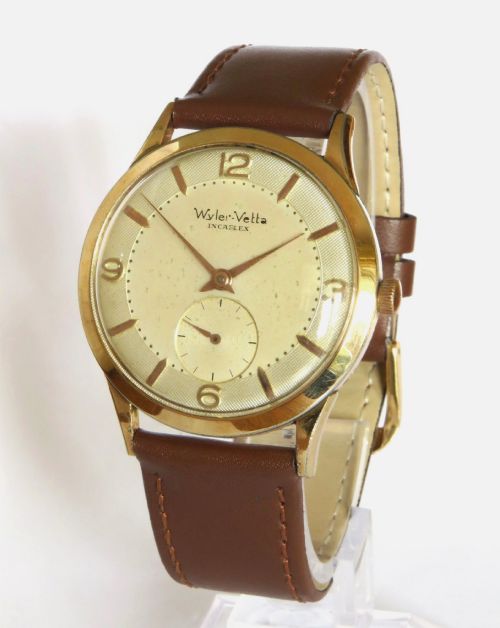
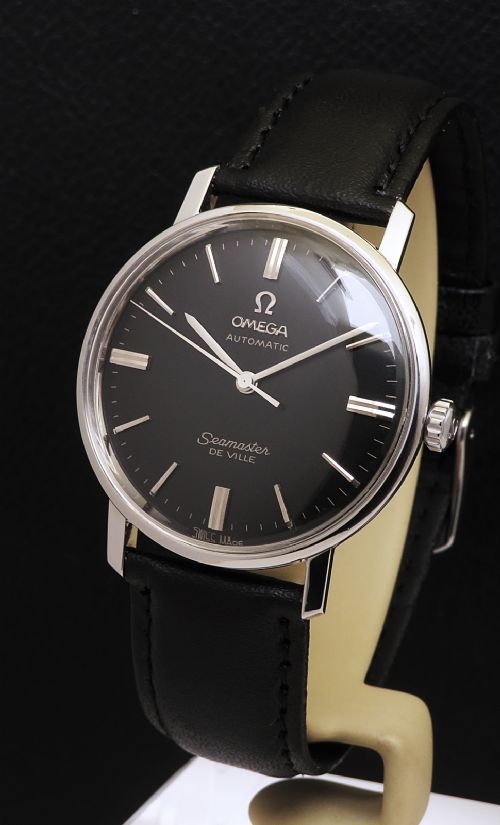
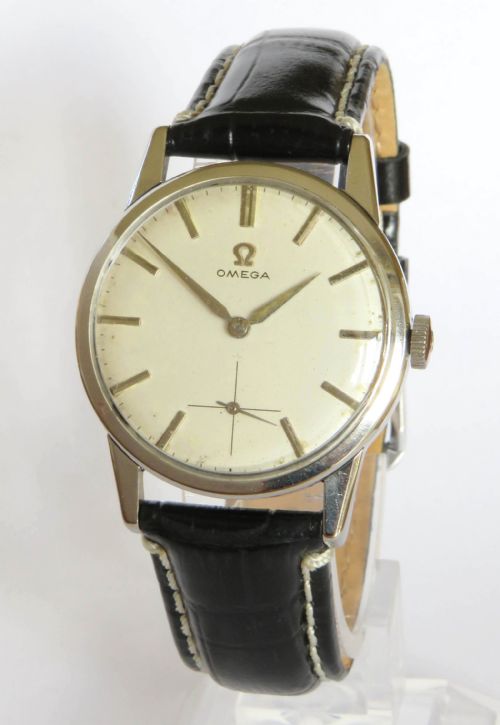
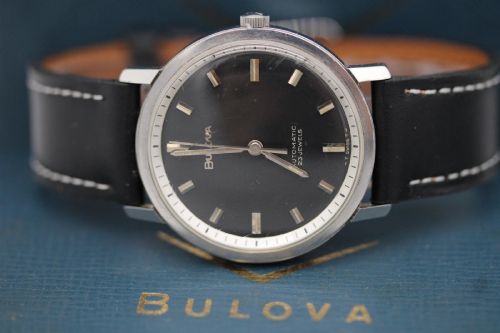
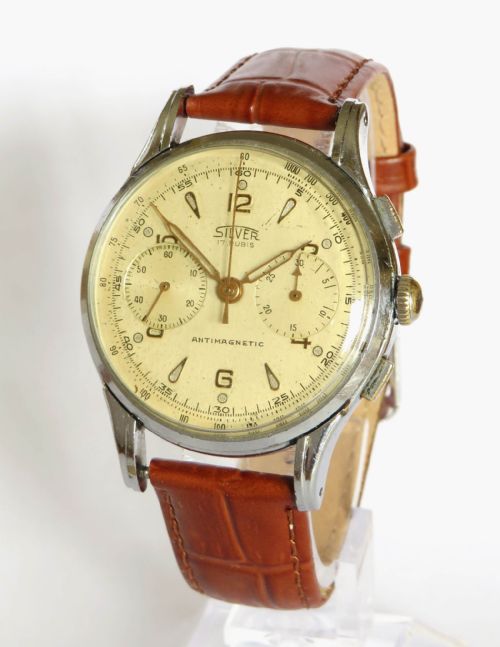
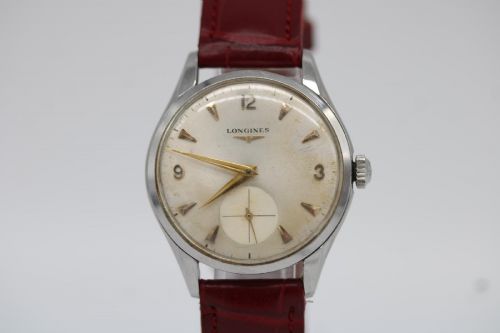
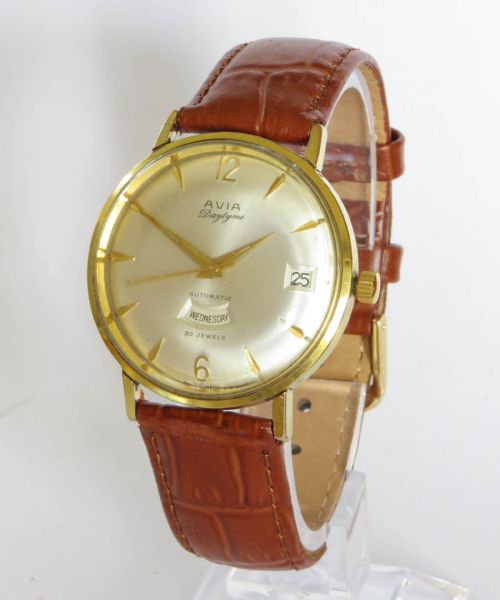
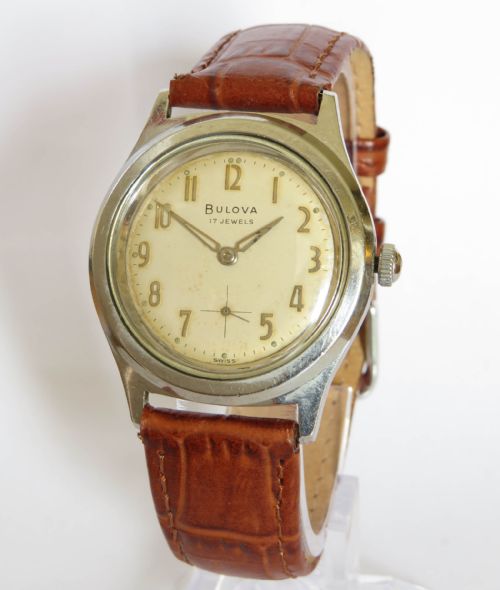
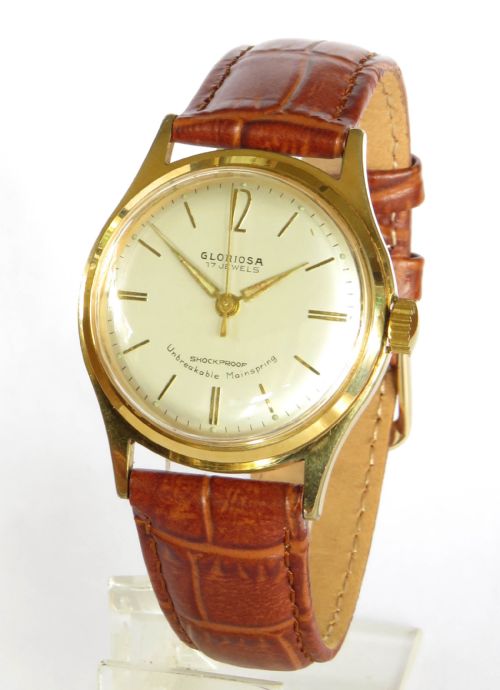
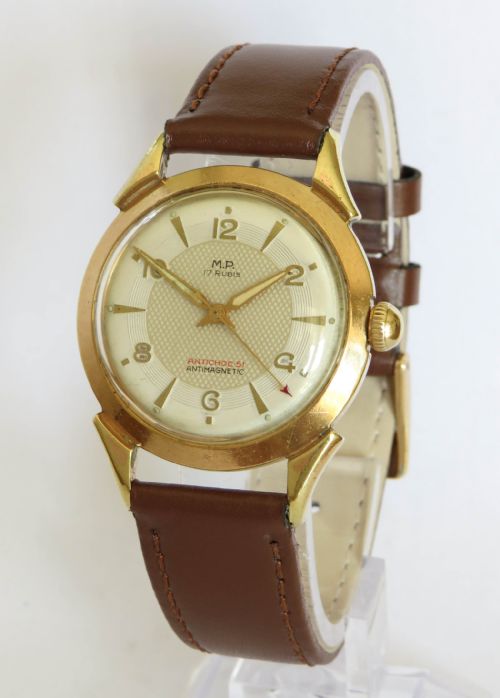
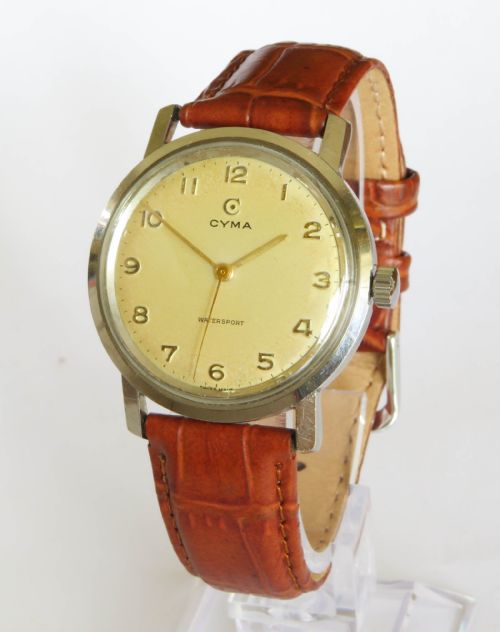
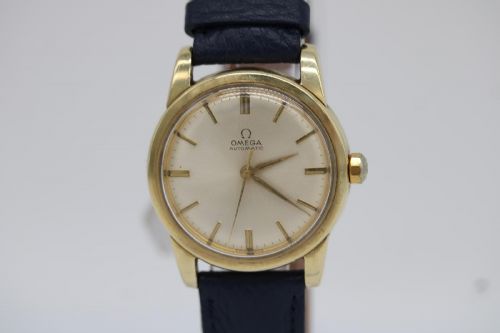
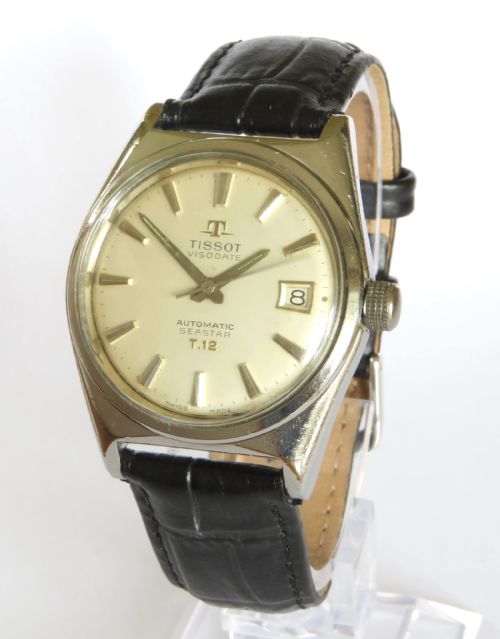
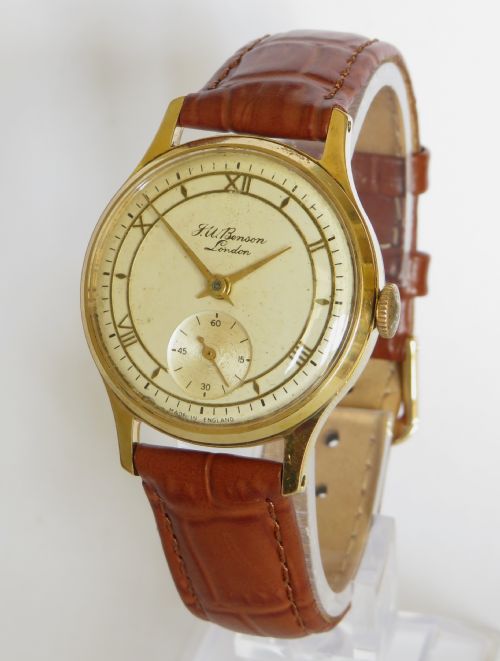
When you search for an antique analog watch, you encounter mechanical and automatic timepieces primarily originating from the nineteen-forties through the nineteen-sixties. The most common version you meet on this page is the gents wristwatch, often housed in a stainless steel, gold plate, or chrome-plated steel case.
The aesthetic leans heavily towards Mid-Century Modern and Art Deco design principles, showcasing clean dials and distinct markers. These wristwatches reflect the everyday wear and formal styles of their respective decades.
How they were made
Cases are shaped from durable metals such as stainless steel, gold plate, and chrome-plated steel, designed to protect the internal mechanical movements. Dials are shielded beneath glass or acrylic glass crystals, maintaining visibility while guarding the face.
Strap construction relies on leather to secure the watch comfortably to the wrist. Internal mechanics involve intricate manual wind or automatic calibres, such as the calibre twelve point sixty-eight Z, built to track time accurately.
Antique Analog Watch Retail Price Guide 2026
Typical asking prices for analog watch among the pieces listed under this phrase on Sellingantiques today, from the lower quarter to the upper quarter. They describe what is for sale here now, not the wider market.
Current listings span the nineteen-forties, nineteen-fifties, and nineteen-sixties, featuring stainless steel, gold plate, leather, and acrylic.
What varies in quality
The calibre of the internal movement and the precision of the mechanics separate standard examples from finer pieces. A properly maintained manual wind or automatic movement demonstrates superior engineering and dedication to horological standards.
Case materials and dial preservation also dictate the tier of the piece. Clean metalwork, well-preserved acrylic glass or glass crystals, and unblemished dials reflect better original manufacture and careful ownership.
The Antique Analog Watch Glossary
- Calibre
- The specific internal movement or design of a watch mechanism. This term helps identify the exact mechanical engine driving the timepiece.
- Manual wind
- A movement that requires regular hand-winding via the crown to store energy in the mainspring. It is a traditional mechanism found in many mid-century timepieces.
- Acrylic glass
- A lightweight, shatter-resistant transparent material used for watch crystals. It can be polished to remove surface scratches.
- Gold plate
- A layer of gold applied to a base metal case. This technique offered the appearance of solid gold at a more accessible production cost.
Antique Analog Watch: Frequently Asked Questions
What is an antique analog watch?
An antique analog watch is a mechanical or automatic timepiece that displays time with hands moving across a graduated dial. These watches rely on springs and gears rather than electronic quartz circuits.
Most examples date from the mid-twentieth century and are housed in metals like stainless steel, gold plate, or chrome-plated steel, fitted with leather straps.
How do I wind a manual watch?
You wind a manual watch by turning the crown clockwise between your thumb and forefinger until you feel gentle resistance. Do not force the crown once resistance starts, as this can damage the mainspring.
Wind the watch around the same time each day to maintain consistent tension and accurate timekeeping throughout wear.
Are these watches water resistant?
Most mid-century analog watches lack modern rubber gaskets and screw-down crowns, meaning they offer little to no protection against moisture. Exposure to water can rust the delicate internal steel components and ruin the dial.
Keep these vintage timepieces away from rain, swimming pools, and hand-washing to preserve their internal mechanics.
How do I clean the crystal?
You can clean acrylic glass or glass crystals by wiping them gently with a soft, dry microfibre cloth to remove dust and smudges. Avoid harsh chemical cleaners that might degrade the metal case or strip finishes.
If the crystal is acrylic, specialised polishing pastes can reduce the appearance of minor surface scratches.