



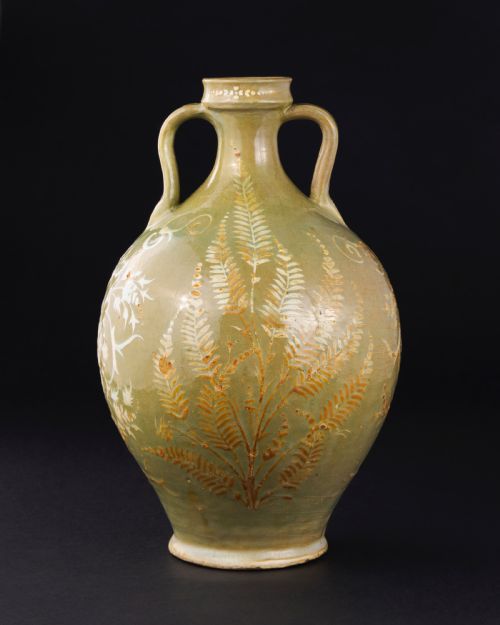


Antique Amphora Urns
These antique amphora urns bring classical form and weathered earthen texture directly into modern rooms.
Antique Amphora Urns
These antique amphora urns encompass utilitarian vessels and decorative objects spanning multiple centuries. Buyers encounter domestic oil jars, garden planters, and porcelain display pieces carrying the dual-handled silhouette characteristic of classical antiquity.
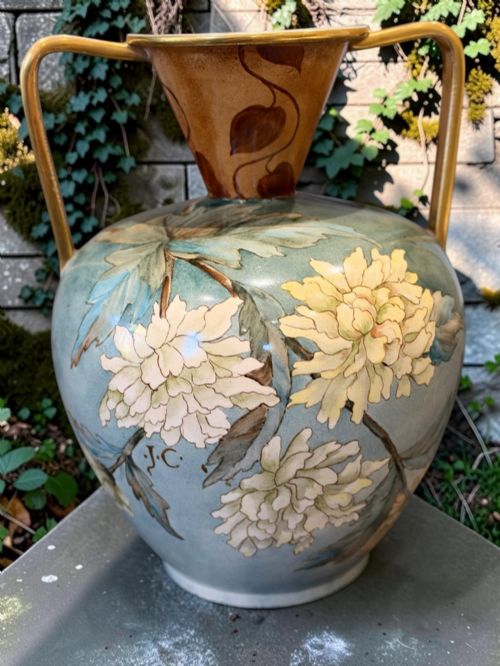
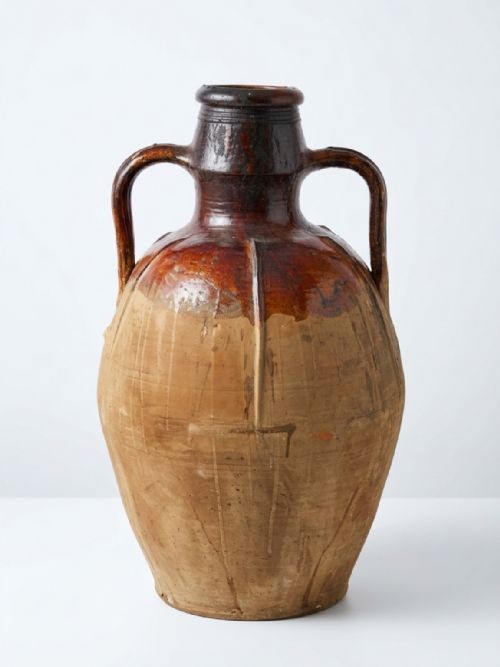
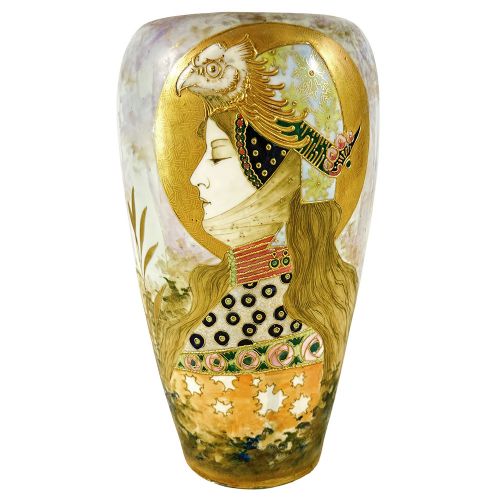
The selection here draws heavily on nineteenth-century production alongside earlier earthenware. Pieces range from large Italian terracotta wine jars and Turkish olive pots to delicate porcelain items decorated in the Empire and Art Nouveau styles.
Makers and workshops across Europe and the Middle East adapted ancient forms for domestic utility and Grand Tour souvenirs. Collectors find both rugged unglazed clay vessels and refined bronze or ceramic showpieces.
Materials and construction methods
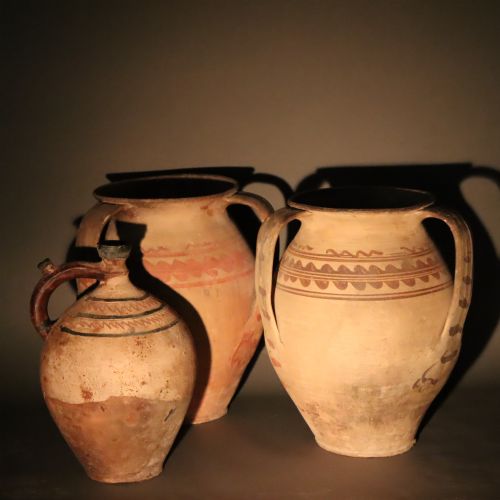
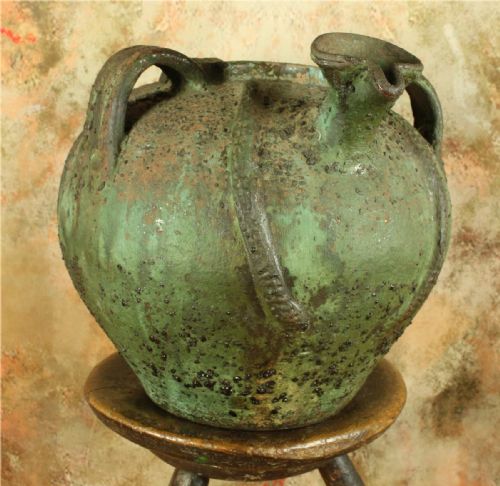
Potters shaped the earthen vessels from terracotta, clay, and earthenware, frequently leaving the surfaces unglazed or applying simple glazes to contain liquids. Larger storage jars required robust walls to support their own weight during drying and firing.
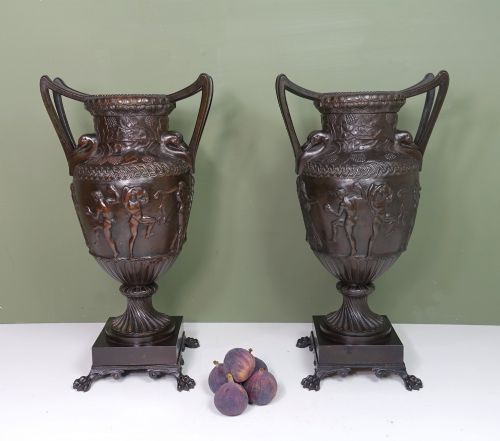
More formal pieces utilise porcelain, bronze, marble, and alabaster, often incorporating applied details like gold leaf, enamel, or gilt metal mounts. These decorative variations reflect the historic tastes of Neoclassical revivalists and Empire designers.
Antique Amphora Urns Retail Price Guide 2026
Typical asking prices for amphora urns among the pieces listed under this phrase on Sellingantiques today, from the lower quarter to the upper quarter. They describe what is for sale here now, not the wider market.
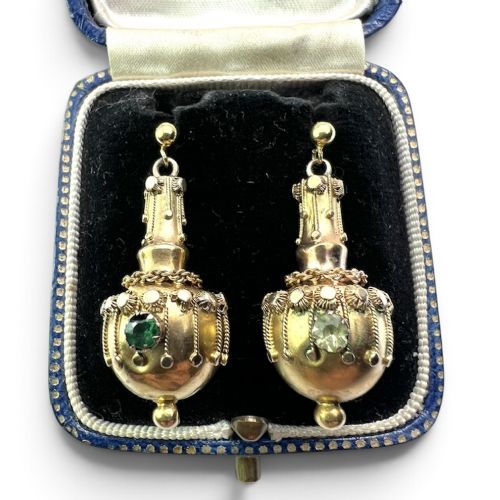
Several nineteenth-century jewellers even repurposed classical amphora motifs into tiny wearable earrings.
Assessing quality and craftsmanship
Quality rests in the precision of the form and the integrity of the materials. Hand-painted porcelain demands crisp detail and secure gilding, while bronze castings show clarity in their chased ornamentation and structural joins.
For terracotta and earthenware, the distinction lies in the balance of the proportions and the character of the surface weathering. Functional jars display the authentic marks of historic utility rather than manufactured distress.
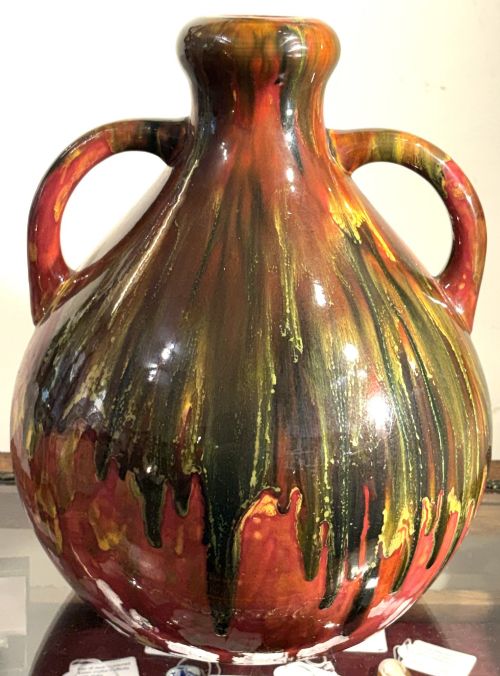
Burmantofts·Reissner Stellmacher and Kessel
The Antique Amphora Urns Glossary
- Amphora
- A two-handled jar with a narrow neck used in antiquity for the storage and transport of oil or wine. Later periods revived the shape for decorative urns and vases.
- Terracotta
- A porous, brownish-red fired clay utilised for garden planters, large oil jars, and architectural ornaments. It weathers distinctively when exposed to the elements.
- Grand Tour
- A cultural journey undertaken by nineteenth-century travellers who collected souvenir items such as alabaster and bronze classical vases.
- Empire Style
- An early nineteenth-century design movement drawing inspiration from the classical antiquity of Greece and Rome, marked by formal symmetry and military motifs.
- Cassolette
- A decorative vase or urn featuring a perforated lid, historically designed to hold scented perfumes or potpourri.
Antique Amphora Urns: Frequently Asked Questions
Are terracotta oil jars suitable for garden use?
Terracotta oil jars handle outdoor placement well provided they receive protection during freezing winter conditions. Trapped moisture inside porous clay expands as ice, which can crack the historic walls.
Placing them on stone feet or raising them off damp soil prevents moisture absorption. Many owners prefer keeping them indoors or within conservatories to preserve fragile surface patinas.
How do I identify a Grand Tour souvenir?
Grand Tour pieces typically date from the nineteenth century and replicate ancient Greek or Roman artefacts. They utilise materials like carved alabaster, marble, and patinated bronze suited for travellers to transport home.
These decorative vessels often reflect the classical enthusiasm of the Victorian era. Their scale makes them ideal for tabletop display rather than floor placement.
What is the difference between porcelain and earthenware urns?
Earthenware and terracotta vessels feature porous fired clay with rustic, tactile surfaces suited to Mediterranean or country interiors. They often show the marks of historic agricultural or domestic use.
Porcelain urns involve refined ceramic production with glazed surfaces, hand-painted decoration, and gilded accents. These delicate pieces belong in formal reception rooms rather than rugged garden settings.