





Antique Altar Shrine
These antique altar shrine examples offer intimate spaces for devotion, bringing centuries of sacred craftsmanship and spiritual focus directly into your home.
Antique Altar Shrine
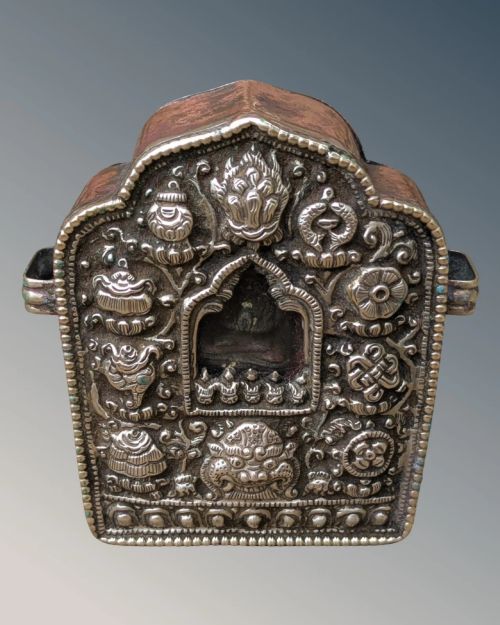
An antique altar shrine brings together sacred objects and portable devotion spaces spanning diverse global traditions, from Himalayan travel boxes to European devotional furniture. When you search for an antique altar shrine, you encounter everything from miniature travel containers to architectural household focal points.
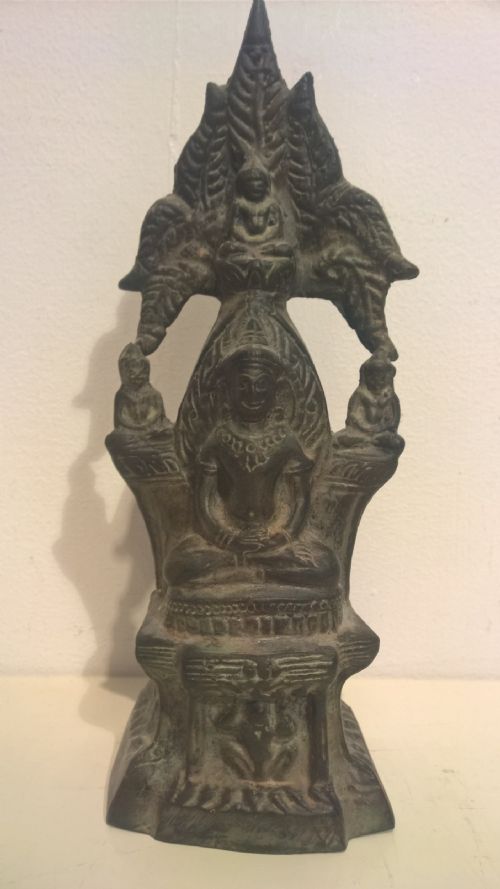
The pieces appearing here range widely across origins and eras, covering Tibetan travel boxes, South Asian bronze statues, and Spanish folk art. You are most likely to meet portable shrines, home altars, and devotional cabinets created for personal prayer or domestic sacred spaces.
The geographical spread includes Tibetan, Italian, Spanish, and South Asian aesthetics, reflecting both Himalayan Buddhist traditions and European Christian devotion. These works demonstrate how different cultures structured sacred space for private worship and contemplation.
Materials and construction methods
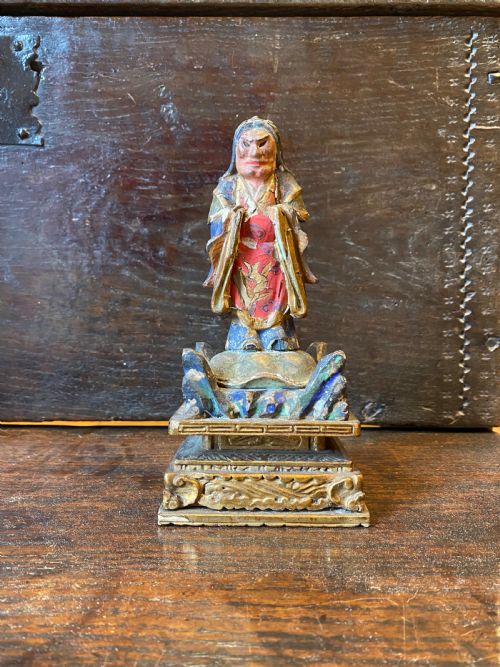
Carved wood forms the structural backbone of these pieces, often finished with gesso, gold leaf, or hand-painted floral decorations. Artisans shaped these timbers into architectural tabernacles, folding cabinets, and portable prayer boxes.
Metalworking traditions appear prominently through copper alloy, bronze, silver, and other alloy metals shaped into deities and sacred vessels. These cast bronze and copper elements frequently accompany the wooden shrines to house or represent religious figures.
Antique Altar Shrine Retail Price Guide 2026
Typical asking prices for altar shrine among the pieces listed under this phrase on Sellingantiques today, from the lower quarter to the upper quarter. They describe what is for sale here now, not the wider market.
Some travel shrines were built so well that the tiny deities inside have spent centuries staring at the inside of a wooden lid.
Assessing quality and execution
The refinement of surface decoration distinguishes finer examples, particularly where hand-painted floral details or delicate gilding remain intact. Superior pieces display crisp carving in wood and precise casting in bronze rather than hurried or soft execution.
Cohesion of architectural structure and decorative program dictates the success of larger pieces like tabernacles and home altars. The most satisfying examples maintain an integrated relationship between the enclosing shrine and the devotional figures within.
The Antique Altar Shrine Glossary
- Tabernacle
- A fixed or portable ornamented receptacle for housing sacred objects or relics. In architectural terms, these pieces often mimic the classical facade of a small temple.
- Gau
- A traditional Tibetan portable shrine or amulet box used by travellers to carry sacred images. These small metal or wooden containers protect personal deities during journeys.
- Reliquary
- A vessel or structure designed to house and display holy relics. They frequently incorporate mirrors, glass panels, or precious metals to draw the eye inward.
- Polychrome
- Decoration executed in multiple colours on wood, stone, or plaster surfaces. This technique brings warmth and narrative detail to folk art home altars.
- Gesso
- A plaster-like mixture applied to wood surfaces as a base for paint or gold leaf gilding. It provides a smooth ground for intricate surface ornamentation.
Antique Altar Shrine: Frequently Asked Questions
What is a portable shrine?
A portable shrine is a small, enclosed box or cabinet designed for personal devotion while travelling. These pieces protect sacred images and allow worshippers to establish a temporary sacred space anywhere.
Such containers range from Tibetan travel boxes to European folding travel altars, often fitted with secure latches and specialised interior compartments.
How were home altars used?
Home altars served as the central focus for daily family prayers, offerings, and meditation within domestic interiors. Households gathered around these structures to pay respects to deities or saints.
Depending on the cultural tradition, the central platform held statues, reliquaries, painted panels, or burning incense.
How do I identify Italian Baroque pieces?
Italian Baroque religious pieces emphasise theatrical drama, rich ornamentation, and strong architectural elements such as columns and pediments. They frequently incorporate gilded surfaces and expressive sacred imagery.
Look for architectural structures like tabernacles or flaming heart reliquary mirrors that prioritize emotional resonance and ornate display.
What distinguishes Tibetan shrines?
Tibetan shrines typically feature cast bronze deities, such as Green Tara or Buddha figures, often housed within travel prayer boxes or gau containers. Their iconography follows strict Himalayan spiritual traditions.
These pieces combine durable metals with portable wooden or leather-lined structures designed to withstand constant movement.