

Antique Allegorical Art
Antique allegorical art uses mythological figures, personified virtues, and symbolic imagery to convey moral, political, or philosophical ideas through painting, sculpture, and print.
Antique Allegorical Art
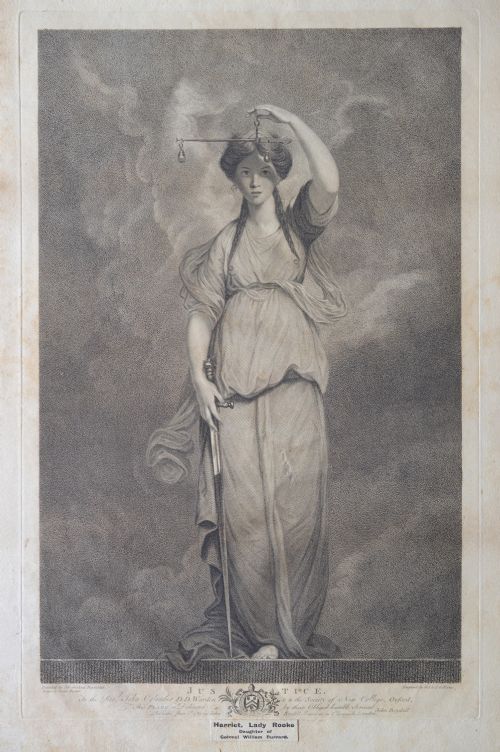
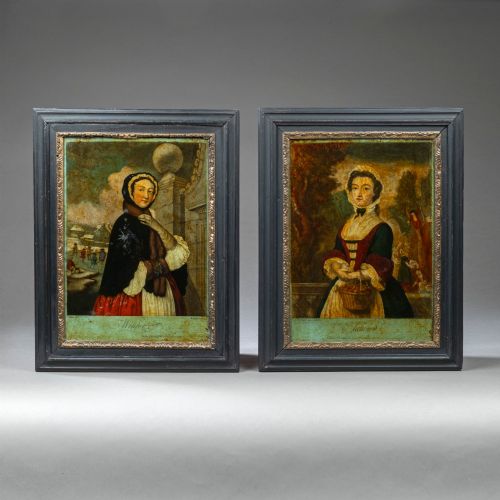
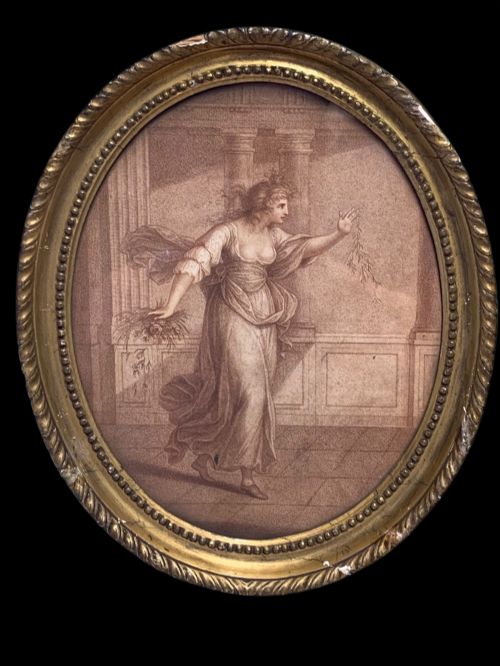
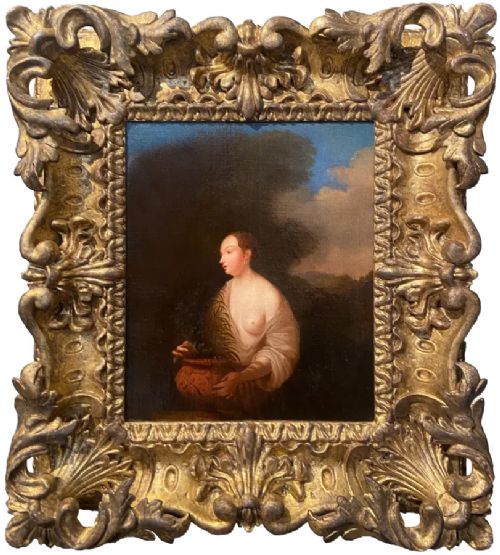
When searching for antique allegorical art, collectors encounter a diverse array of mediums spanning several centuries, from classical oil paintings to delicate reverse glass prints. The pieces on this page heavily feature mythological subjects, personifications of the seasons, and symbolic depictions of virtues or nature.
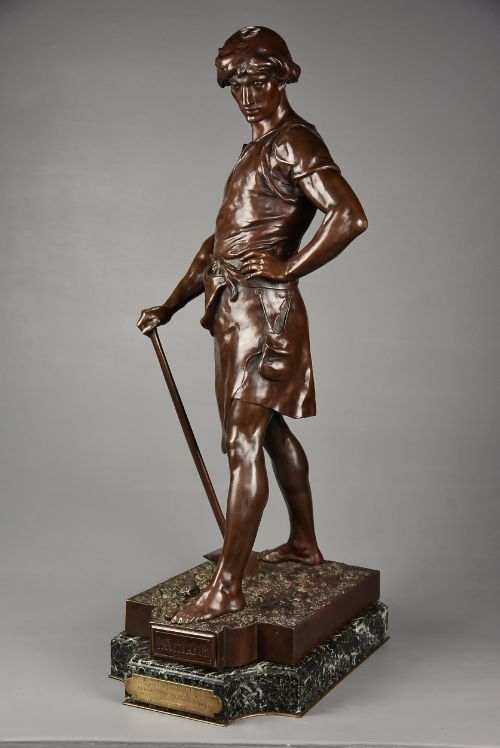
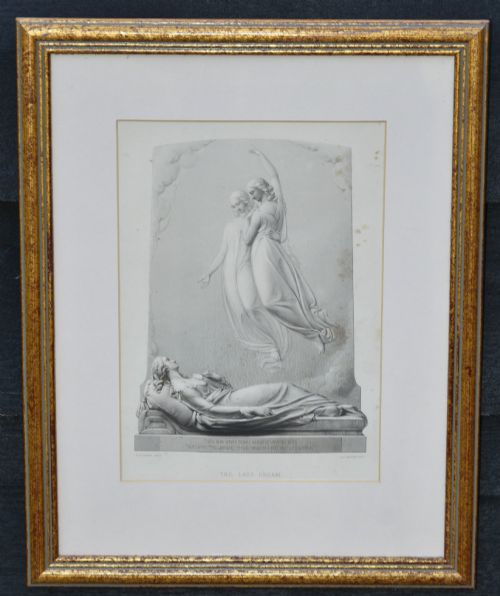
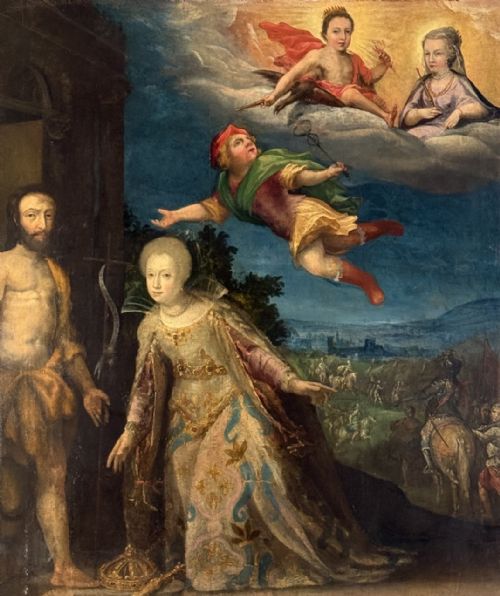
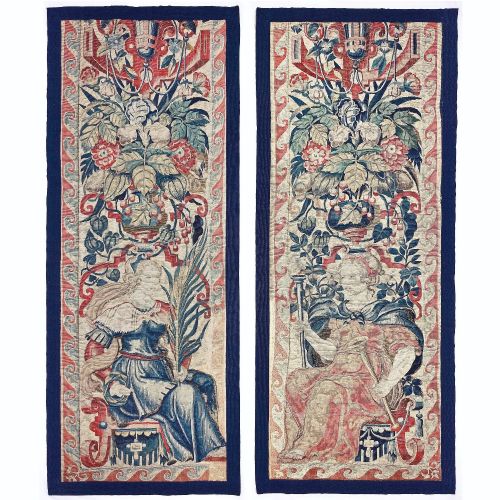
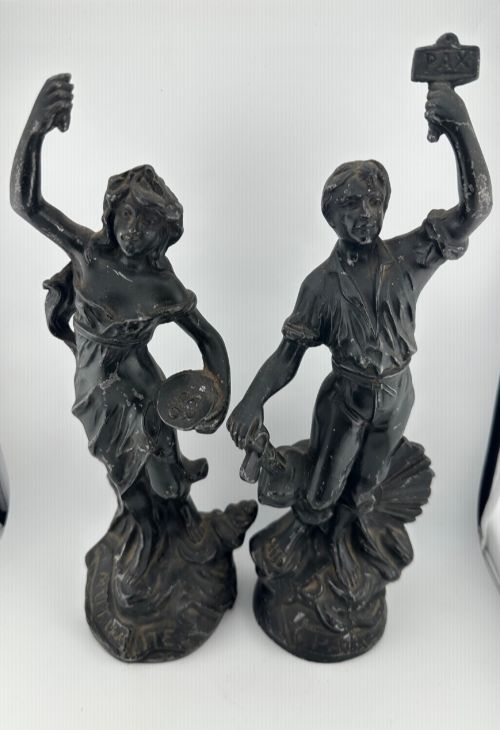
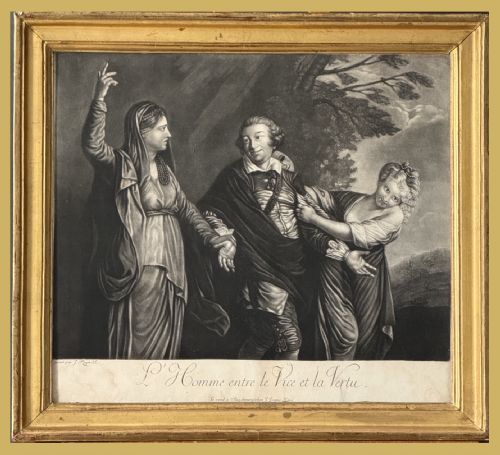
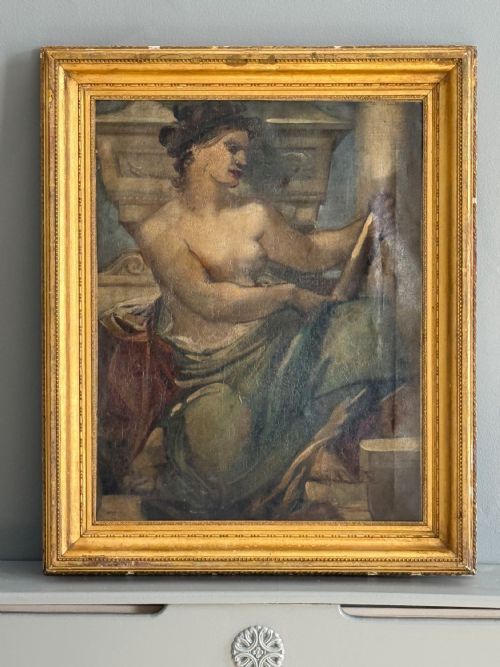
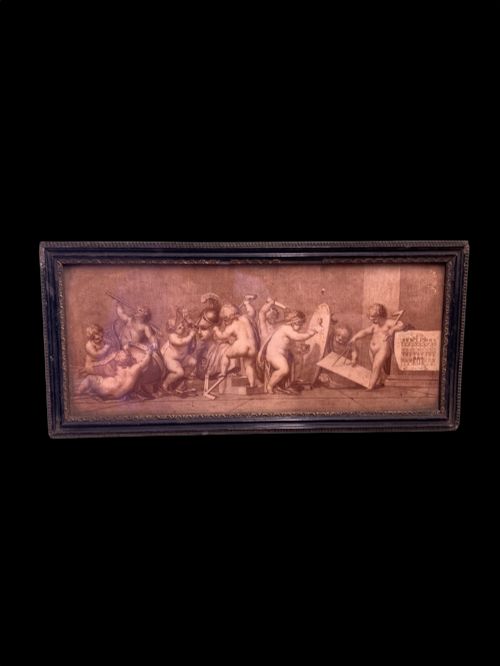
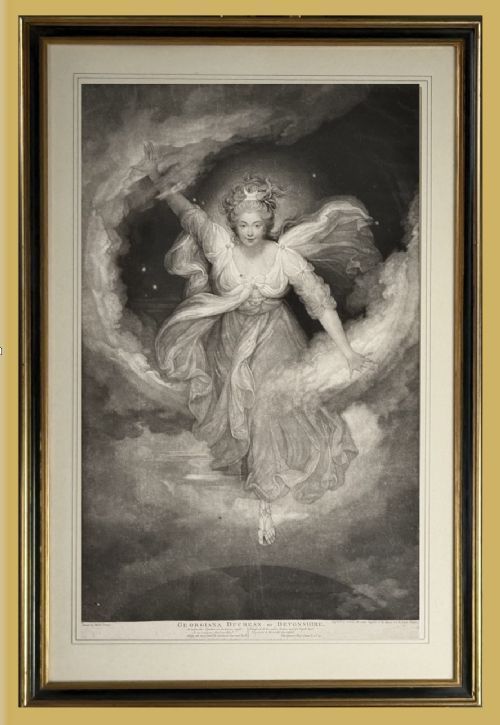
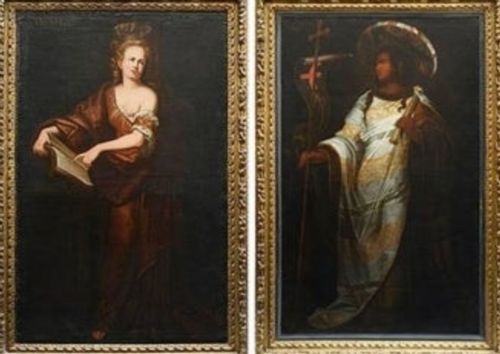
The selection ranges from seventeenth-century portraits of ladies disguised as classical goddesses to nineteenth-century bronze sculptures portraying nymphs and figures like Selene. Eighteenth-century mezzotints, engravings, and embroidered works frequently depict cherubs, cupids, and allegorical pairs such as the Cumaean and Delphic Sibyls.
Works originate from various European schools, including French, Italian, Dutch, and British traditions, utilising styles that progress from Baroque and Neoclassical to Art Nouveau and Arts and Crafts. Buyers find both intimate framed prints and monumental canvases or relief sculptures designed to communicate elevated intellectual themes.
How they were made
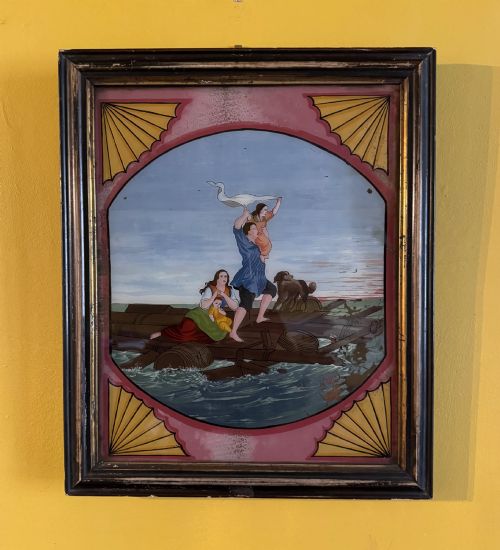
Painters utilised oil on canvas or board, applying pigments to capture layered mythological scenes, while printmakers employed mezzotint, stipple engraving, lithography, and collotype techniques on paper. Reverse glass prints required meticulous painting directly onto the glass surface, often incorporating metallic leaf details.
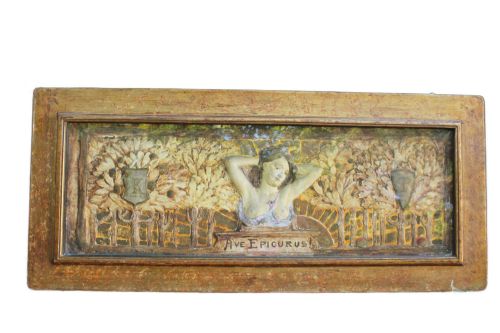
Sculptors worked in diverse mediums including cast bronze, carved alabaster, polychrome plaster relief, terracotta, and porcelain to form figurative groups and wall panels. Textile works combined silk and metal thread embroidery applied to fabric grounds to render intricate symbolic compositions.
Antique Allegorical Art Retail Price Guide 2026
Typical asking prices for allegorical art among the pieces listed under this phrase on Sellingantiques today, from the lower quarter to the upper quarter. They describe what is for sale here now, not the wider market.
Listings feature works spanning from the seventeenth century through the early twentieth century, encompassing oil paintings, bronzes, and reverse glass prints.
What varies in quality
The hierarchy of these works depends heavily on the finesse of the draughtsmanship and the expressive depth given to the allegorical figures. Sculptural castings demonstrate quality through the crispness of the chasing on bronze surfaces and the sensitivity of the carving in stone or terracotta.
In painted and printed works, quality shows in the subtlety of the colour palette, the preservation of delicate mediums like reverse glass, and the strength of attribution to established artists or notable European print publishers.
Jiohan Elis Haid·Sir Joshua Reynolds·Valentine Green·Maria Hadfield Cosway·John Opie·August Moreau·Toussaint Gelton·Mathurin Moreau·Auguste Moreau·Nicolas Fouche·Jean Baptiste Isabey·Ernst Barrias·Pugi·Del Buono·Guiseppe Mazzolini·Achille Mollica·Peter Paul Rubens
The Antique Allegorical Art Glossary
- Mezzotint
- A printmaking process of the intaglio family where the surface is roughened evenly to produce tones of grey and black, allowing for smooth gradations of light and shadow. It was frequently utilised in the eighteenth century for reproducing portraits and allegorical subjects.
- Sibyl
- A prophetess in ancient Greece and Rome who uttered divine pronouncements. They appear commonly in classical art as symbols of wisdom and foreknowledge.
- Reverse glass print
- An artwork created by painting or printing an image on the rear side of a piece of glass so that it is viewed through the transparent front. This technique gives the surface a glossy, luminous finish.
- Allegory
- A symbolic narrative or representation in which persons, places, or things act as metaphors for moral, political, or spiritual meanings. It forms the core conceptual framework for this genre.
- Terracotta
- Fired clay used for sculptural reliefs and figures, valued for its ability to retain fine modelling details. Artists often left the material in its natural reddish-brown state or applied polychrome finishes.
Antique Allegorical Art: Frequently Asked Questions
What is an allegorical painting?
An allegorical painting uses symbolic figures, animals, and objects to communicate an abstract idea, moral lesson, or philosophical concept rather than a literal scene.
These works often draw on classical mythology and historical tropes to represent virtues, seasons, or intangible human experiences.
How were reverse glass prints made?
Reverse glass printing required the artist to paint or apply an engraved image onto the back of a glass pane in reverse order, starting with the fine details and finishing with the background.
When turned over and viewed through the front, the glass protected the pigments while imparting a distinct sheen to the artwork.
Who are the most common subjects in these pieces?
The most frequent subjects include classical deities, personifications of the four seasons or elements, cherubs, cupids, and prophetic figures such as the sibyls.
Artists utilised these recognizable archetypes to engage educated viewers in intellectual and moral contemplation.
How do I care for antique bronze sculptures?
Bronze sculptures require minimal intervention, needing only gentle dusting with a soft, dry cloth to prevent the accumulation of airborne particles.
Avoid using liquid cleaners, polishes, or abrasive materials that can strip the historic patination developed over centuries.