

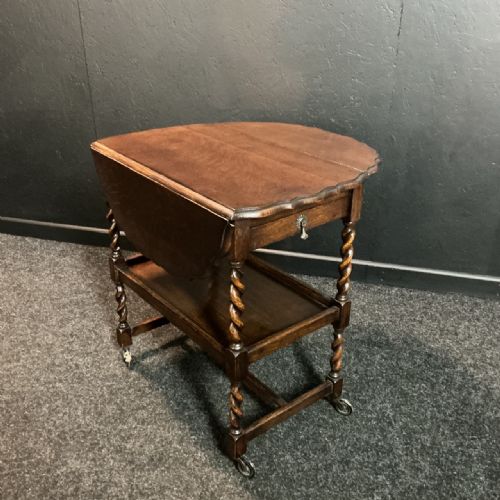


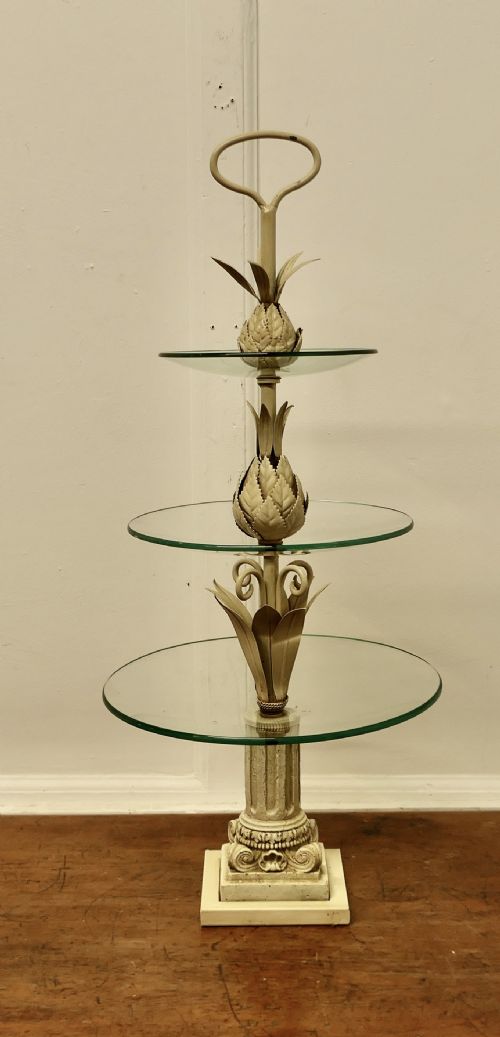
Antique Afternoon Tea Table
An antique afternoon tea table is a practical piece designed for hospitality, bringing period charm and tiered surface space to any room.
Antique Afternoon Tea Table
When you search for an antique afternoon tea table, you encounter a varied selection of occasional furniture designed specifically for serving refreshments. These tables span several centuries, including Georgian, Regency, Victorian, and Edwardian periods.
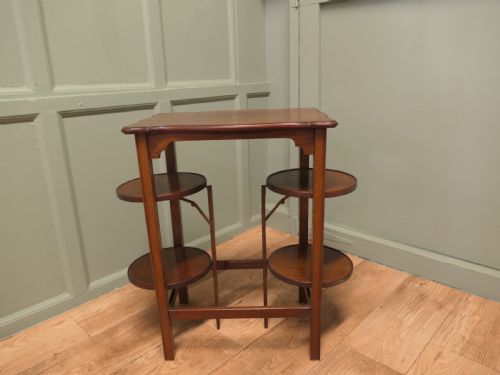
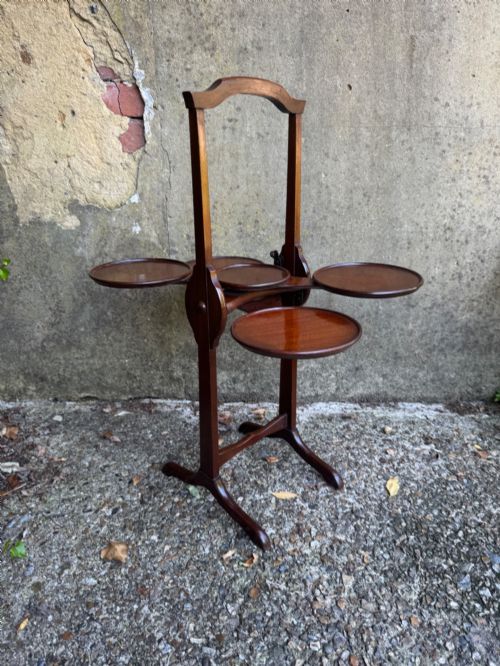
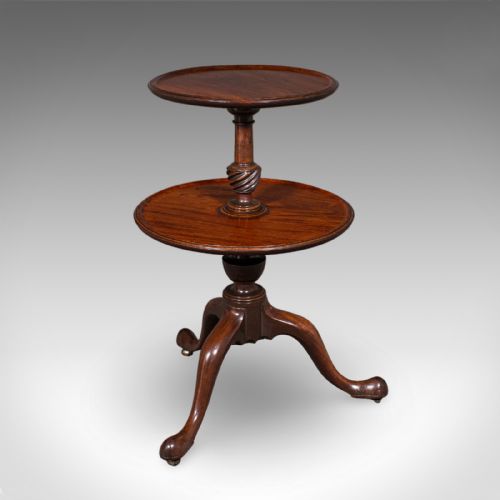
The forms on this page include folding cake stands, tiered dumb waiters, tea trolleys, and Sutherland tables. Each type served a distinct domestic purpose during social gatherings and afternoon tea rituals.
You are most likely to meet Edwardian and Victorian examples, alongside earlier Georgian and Regency pieces. Their construction reflects the social habits of the eras in which they were built, from multi-tier serving stands to compact side tables.
How they were made
Timbers such as mahogany, oak, walnut, burr walnut, and rosewood form the primary structure of these tables. Cabinetmakers selected these hardwoods for both their durable qualities and their rich grain patterns.
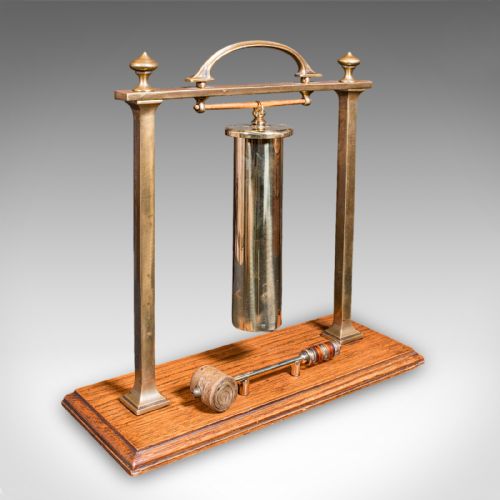
Metal elements like brass and iron appear in supporting hardware, hinges, presentation trays, and hanging gongs. Folding mechanisms and tilt-top designs demonstrate the mechanical ingenuity applied to utilitarian domestic furniture.
Antique Afternoon Tea Table Retail Price Guide 2026
Typical asking prices for afternoon tea table among the pieces listed under this phrase on Sellingantiques today, from the lower quarter to the upper quarter. They describe what is for sale here now, not the wider market.
Listings feature Edwardian, Victorian, Regency, and Georgian periods, utilising mahogany, oak, walnut, rosewood, and brass.
What varies in quality
The grade of timber selection and the precision of cabinetmaking separate standard examples from finer pieces. Superior tables display carefully matched wood veneers, tight joinery, and well-executed turning on legs and supports.
Hardware integration and the smoothness of folding or tilting mechanisms indicate the original maker's skill. Finer examples retain their original surface patination and structural integrity through decades of domestic use.
The Antique Afternoon Tea Table Glossary
- Sutherland table
- A narrow drop-leaf table with wide flaps supported by pivoting swing legs. This design allows the table to fold down into a compact footprint when not in use for tea.
- Dumb waiter
- A multi-tiered serving stand used to hold food and beverage items without the need for constant attendant staff. These pieces feature stacked circular trays supported on a central column or pillar.
- Tilt-top table
- An occasional table featuring a mechanism that allows the tabletop to pivot into a vertical position. This saved floor space in period drawing rooms.
- Campaign style
- Furniture constructed with portability in mind, often featuring folding frames and robust timbers. These pieces were adapted for travel or flexible placement within the home.
- Occasional table
- A general term for a small, movable table used for specific domestic tasks rather than permanent placement. They include tea tables, lamp tables, and wine stands.
Antique Afternoon Tea Table: Frequently Asked Questions
What is an afternoon tea table?
An afternoon tea table is a specialised piece of antique furniture designed to hold tea services, cakes, and serving accessories during social visits. These tables vary from small side tables to multi-tiered stands and folding cake stands.
Their primary function was to provide convenient surface space that could be moved or folded away as household routines required.
How do I date an afternoon tea table?
Dating relies on observing the timber types, construction methods, and stylistic details characteristic of specific periods like Georgian, Victorian, or Edwardian. For example, earlier Georgian pieces often feature solid mahogany and tilt-top mechanisms, while Edwardian versions frequently utilise folding frames and lighter woods.
Comparing the hardware, leg style, and overall proportions against documented period examples helps confirm the era of manufacture.
Where were these tables used?
These tables were principally used in drawing rooms, parlors, and sitting rooms for the formal or informal service of afternoon tea. Their portable nature meant servants could position them beside seating areas and remove them afterward.
Today, they function well in living spaces as lamp tables, side tables, or display stands for decorative objects.
Are folding cake stands the same as tea tables?
Folding cake stands belong to the same functional family of afternoon tea furniture, specifically designed to hold multiple plates of pastries without occupying permanent floor space. They often feature tiered shelves that collapse vertically.
While traditional tea tables provide a wider surface area for a tea service, cake stands prioritize vertical tiering for food display.