


Antique Aesthetic Bedroom Chair
An antique aesthetic bedroom chair brings refined late nineteenth-century design to a private space, offering distinct proportions and stylistic detail.
Antique Aesthetic Bedroom Chair
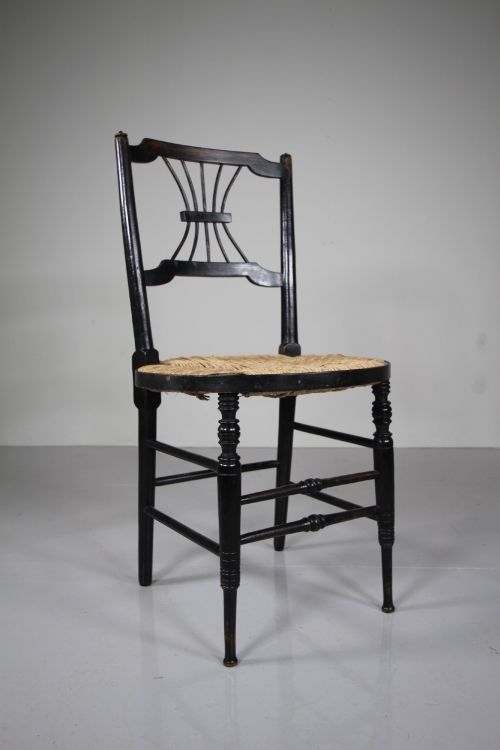
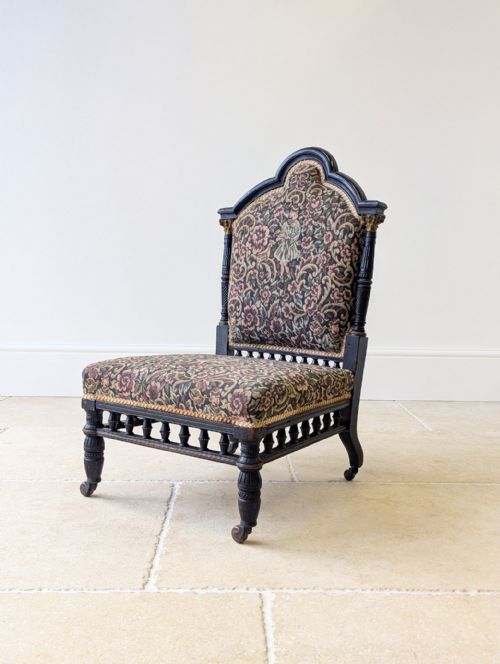
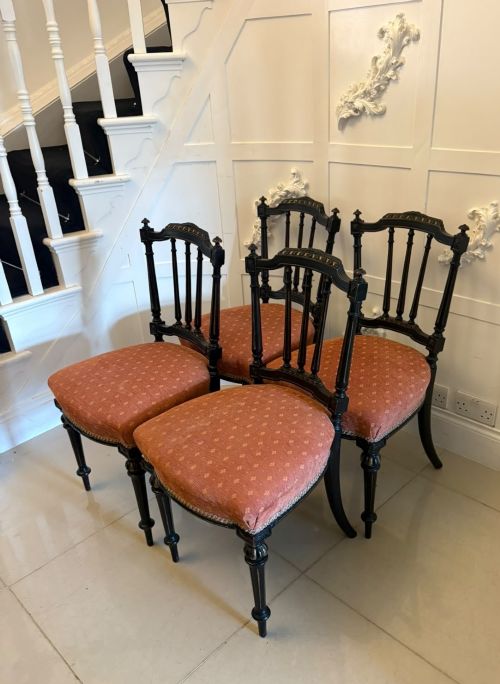
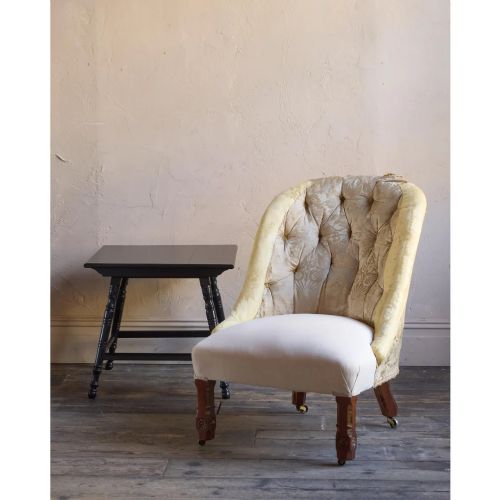
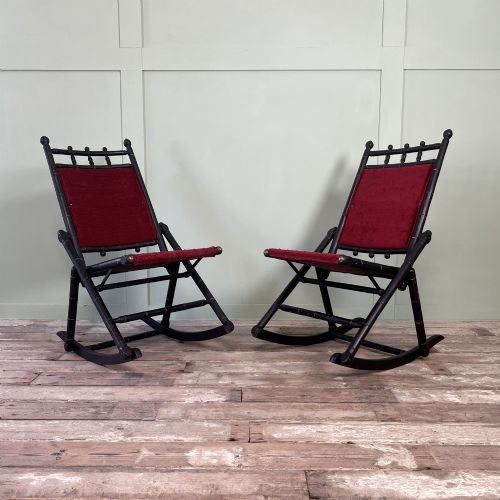
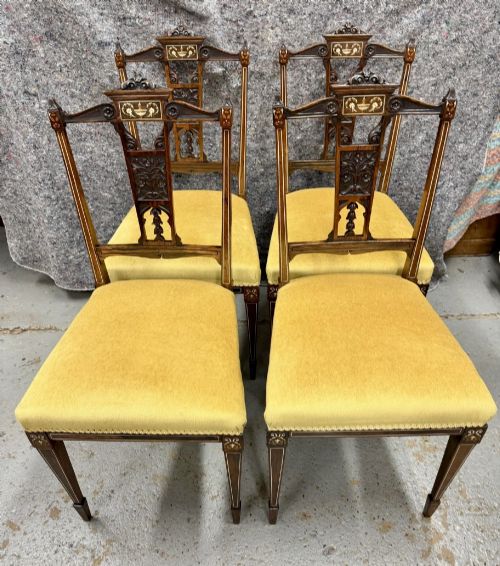
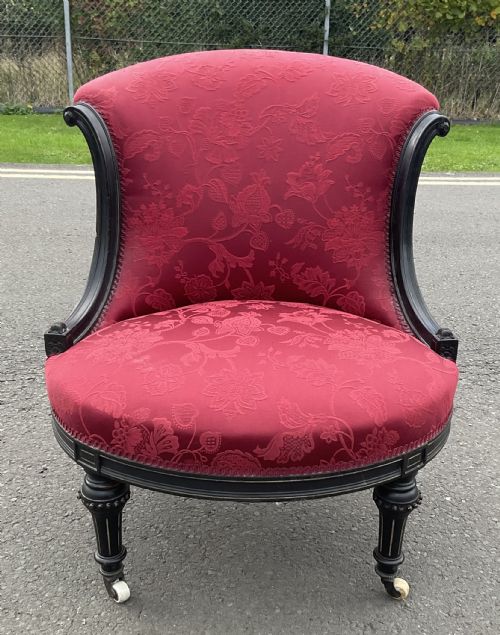
An antique aesthetic bedroom chair is a seating form created during the Victorian period, appearing in styles linked to the Aesthetic Movement, Arts and Crafts, and Sheraton Revival. These pieces encompass various forms such as low salon chairs, nursing chairs, and occasional bedroom seating, dating predominantly from the 1870s to 1900.
The pieces on this page reflect the visual vocabulary of the late nineteenth century, spanning low-slung profiles suited for private chambers and lighter decorative forms. Makers and designers of the period drew upon diverse influences, producing both side chairs and armchairs intended for domestic repose.
Buyers encountering this search phrase will find examples ranging from ebonised wood frames to inlaid rosewood and faux bamboo structures. The selection represents the varied output of Victorian workshops and notable designers interpreting aesthetic principles for the bedroom.
Materials and construction methods
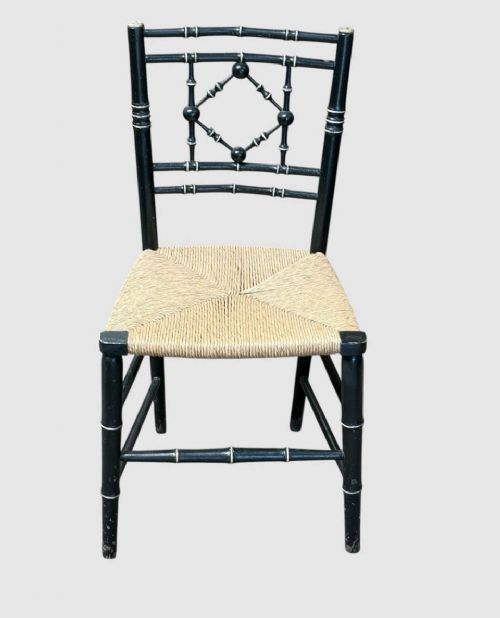
Cabinetmakers utilised ebonised wood, mahogany, rosewood, and beech to construct the frames, frequently applying gilding or contrasting details to accentuate the linear forms. Ebonisation created the characteristic dark finish prized by aesthetic designers seeking to emulate Japanese lacquered wares.
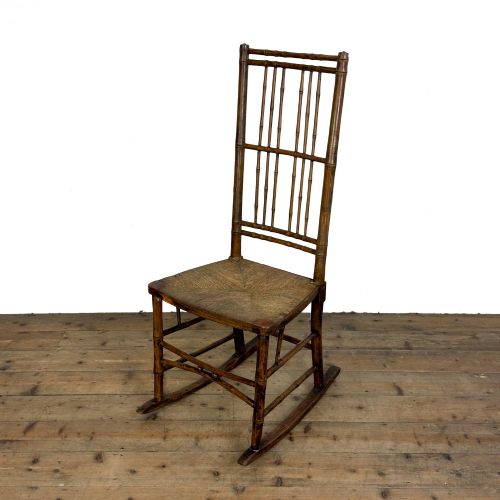
Seating surfaces typically combined traditional upholstery fabric, velvet, or woven rush supported by brass hardware and robust internal joinery. The physical construction relies on period woodworking techniques suited to slender proportions, such as turned spindles and faux bamboo moulding.
Listings incorporate ebonised wood, mahogany, rosewood, and rush, spanning the Victorian period from 1870 through 1900.
Distinctions in craftsmanship and design
Quality varies according to the refinement of the carved or inlaid details upon the frame and the integrity of the original wood finish. Pieces associated with specific design circles or documented makers exhibit superior handling of materials and more complex decorative programs.
The balance of the proportions and the survival of period upholstery materials or appropriate textiles separate standard production pieces from those displaying higher artistic ambition.
William Morris·Rossetti·Bruce J. Talbert·Godwin·Maple & Co
The Antique Aesthetic Bedroom Chair Glossary
- Aesthetic Movement
- A late nineteenth-century design current that prioritised visual beauty and artistic expression over strict moral or narrative purpose in domestic objects.
- Ebonised Wood
- Timber treated with a dark stain or finish to imitate expensive ebony, a technique widely used in Victorian furniture to create sharp silhouettes.
- Nursing Chair
- A low-seated Victorian chair designed for comfort, historically used for feeding infants or personal grooming in a bedroom setting.
- Faux Bamboo
- Wood turned and carved to resemble natural bamboo stalks, reflecting the Victorian fascination with Japanese and Eastern design motifs.
- Salon Chair
- A light, decorative chair intended for formal reception rooms rather than heavy daily use, often featuring slender legs and ornamental backrests.
Antique Aesthetic Bedroom Chair: Frequently Asked Questions
What defines an aesthetic bedroom chair?
An aesthetic bedroom chair is a nineteenth-century seat produced during the height of the Aesthetic Movement, characterised by slender proportions, dark ebonised finishes, and artistic decoration.
These pieces were specifically built for private chambers, offering lower seating heights and distinctive stylistic references ranging from Japanese bamboo imitation to classical revival motifs.
How do I identify a nursing chair?
Nursing chairs are readily identified by their noticeably low seat heights, which allowed Victorians to sit comfortably while tending to domestic tasks in the bedroom.
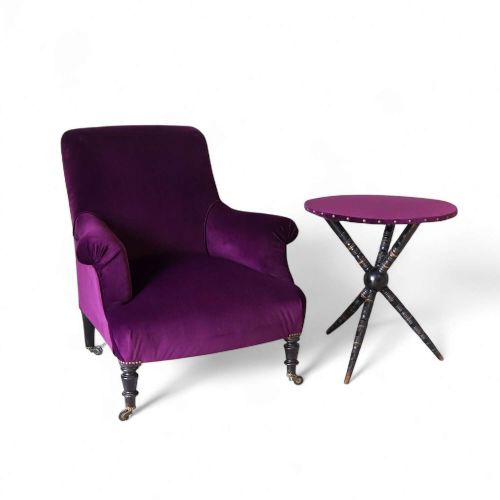
They frequently feature upholstered backs and compact frames designed to fit easily beside a fireplace or dressing table.
Where should I place these chairs today?
These compact seats suit modern bedrooms, dressing rooms, or quiet corners where their historical design can be appreciated without overcrowding the floor space.
Because many were originally designed for lighter domestic duties, they function best as occasional accent pieces rather than primary lounging seats.
Are ebonised finishes original?
Many Victorian aesthetic chairs were manufactured with ebonised beech or other woods to achieve a fashionable black finish that contrasted with gilt or colourful upholstery.
Examining the wear patterns and the integration of the finish into the wood grain helps confirm whether the ebonisation dates to the nineteenth century.