




Antique Advertising Enamel
Antique advertising enamel signs are durable commercial markers of early twentieth century trade, offering bold graphics that anchor a modern room with industrial character.
Antique Advertising Enamel
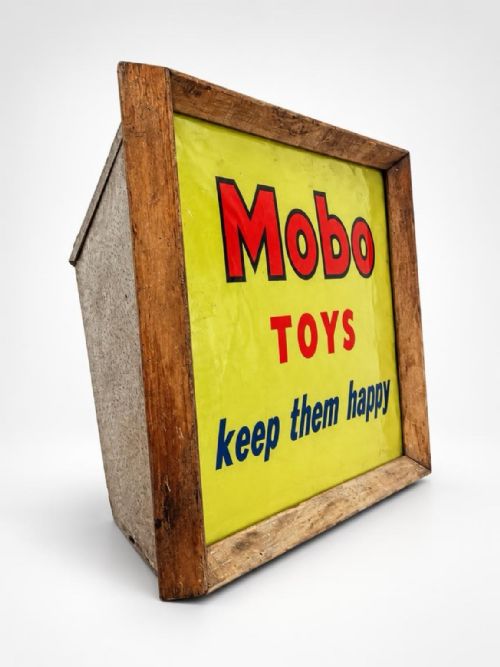
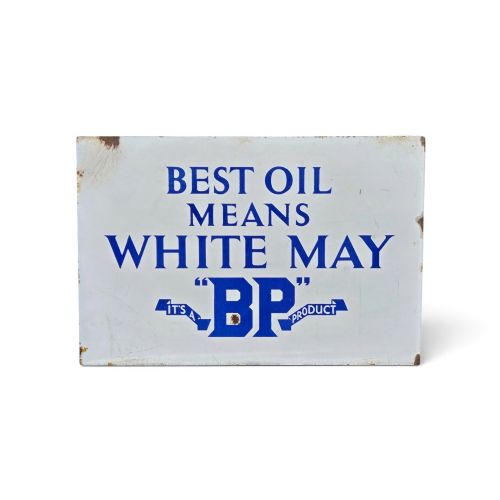
When you search for antique advertising enamel, you encounter sturdy vitreous enamel signs, wall plaques, and shop displays issued by prominent brands and local businesses. These robust markers publicised everyday commodities ranging from motoring oils and sausages to household starch and footwear.
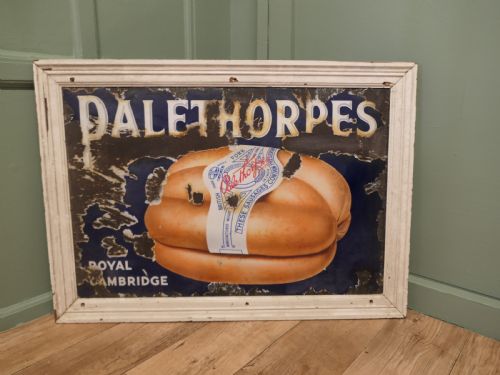
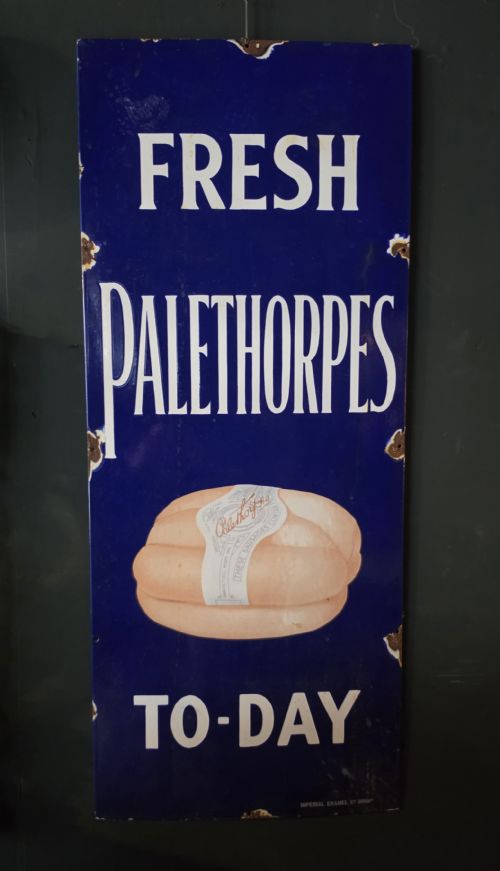
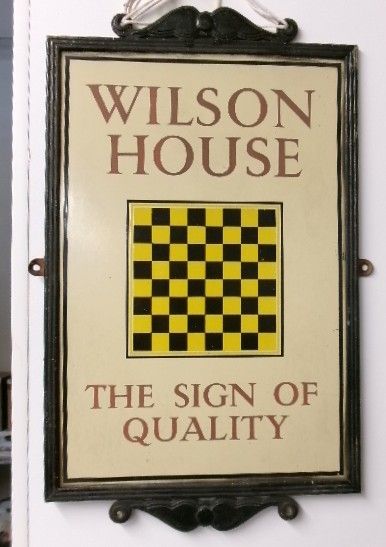
The pieces appearing on this page span from the Victorian era through the Edwardian period and deep into the early twentieth century. You meet double-sided projecting flange signs, framed wall boards, and pictorial notices designed to catch the eye of the bustling Victorian and Edwardian street.
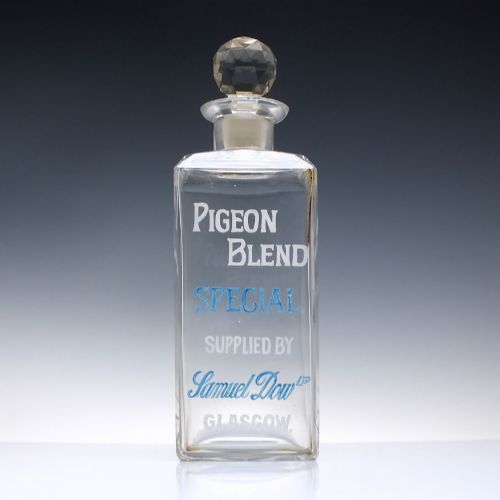
Alongside the predominant wall signs, the selection occasionally encompasses related commercial survivals such as branded shop chairs and enamelled glass decanters. Each format reflects the aggressive commercial competition of the period, executed in resilient media built to withstand decades of outdoor exposure.
Materials and manufacture
The foundation of these pieces relies upon heavy sheet iron and steel plates, beaten and pressed into flat or curved panels. Manufacturers fused powdered glass enamel directly to the metal core at high temperatures, creating a vitreous surface that resists weather and wear.
Sign makers applied rich coloured pigments layer by layer, firing the iron plates repeatedly to bake the brilliant lettering and pictorial details into a permanent glaze. Wooden frames and original iron mounting brackets frequently accompany the enamel panels to facilitate shopfront or wall installation.
Antique Advertising Enamel Retail Price Guide 2026
Typical asking prices for advertising enamel among the pieces listed under this phrase on Sellingantiques today, from the lower quarter to the upper quarter. They describe what is for sale here now, not the wider market.
Even mustard, soap, and sausages needed a handsome sign to catch the eye of the Victorian street.
Factors of quality
Quality in these commercial pieces rests upon the crispness of the lithographic or stencil transfer and the complexity of the pictorial design. Multi-coloured pictorials featuring detailed illustrations demand greater skill from the enameller than simple text-based notices.
The survival of the glossy vitreous surface without extensive chipping or rust at the fixing holes dictates desirability. Original mounting brackets, frames, and retaining flanges intact on the piece elevate its historical integrity.
The Antique Advertising Enamel Glossary
- Vitreous Enamel
- A durable glass coating fused to a metal substrate at high heat. This glossy compound protects the underlying iron from rust while retaining bright commercial colours.
- Flange Sign
- A sign featuring a perpendicular metal tab or flange designed to mount flat against a wall. This configuration allows pedestrians to view the double-sided advertising panel from both directions along a pavement.
- Pictorial Sign
- An advertising board incorporating an illustrated image of the product or brand mascot rather than plain text alone. These graphical notices represent the more ambitious end of commercial sign production.
- Trade Sign
- A functional marker displayed outside or inside a shop to identify the specific goods sold within. These objects bridged the gap between utilitarian street furniture and commercial art.
Antique Advertising Enamel: Frequently Asked Questions
How do I hang a heavy enamel sign?
These vitreous enamel panels on iron bases require secure fixings into solid masonry or studwork to support their substantial weight.
Utilise the original mounting holes or bracket flanges where present, ensuring you avoid over-tightening the screws to prevent chipping the glass surface around the edges.
Where were these signs originally displayed?
Businesses mounted these durable iron plaques on exterior shop walls, railway platforms, and projecting corners to attract passing pedestrian and vehicular traffic.
Smaller examples hung inside retail premises near the counter to promote specific household goods, tobacco, or pharmaceutical products.
How should I clean my antique enamel sign?
Wash the vitreous surface gently with warm water and a mild soap to remove accumulated street grime without scratching the glossy glass glaze.
Dry the metal backing thoroughly and avoid abrasive scouring pads or harsh chemical solvents that might dull the original baked colours.
How do I date an enamel sign?
Examine the typography, brand history, and mounting style, as early twentieth century and Victorian designs often employ specific serif lettering and rich pictorial motifs.
The weight of the sheet iron substrate and the manufacturing techniques visible on the reverse also provide clues to the production era.