


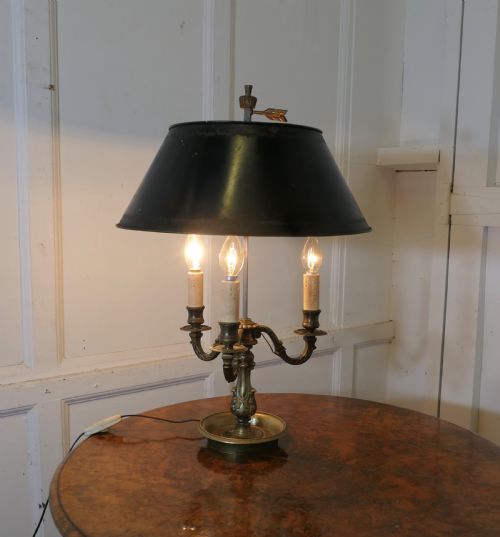

Antique Adjustable Candlesticks
Antique adjustable candlesticks are clever mechanical lighting pieces that let you raise, lower, or angle the light precisely where you require it.
Antique Adjustable Candlesticks
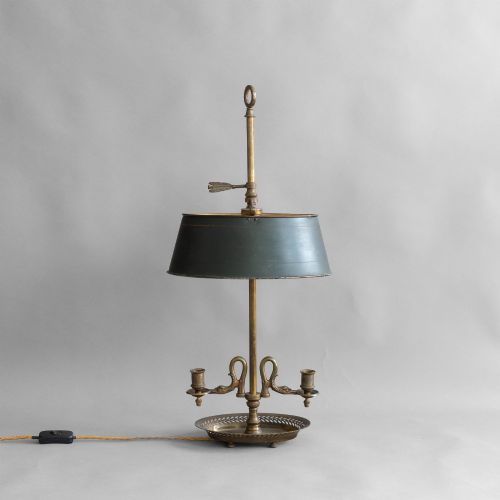
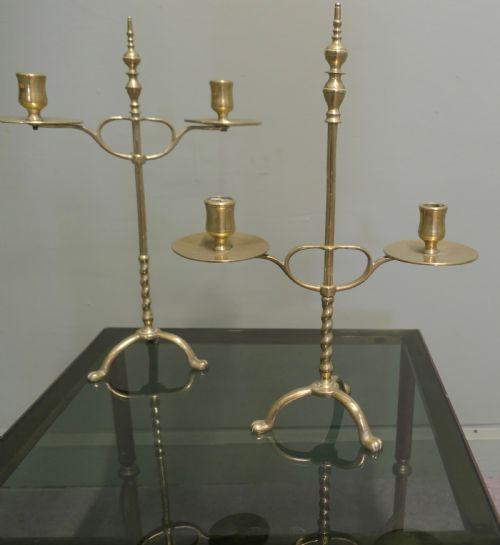
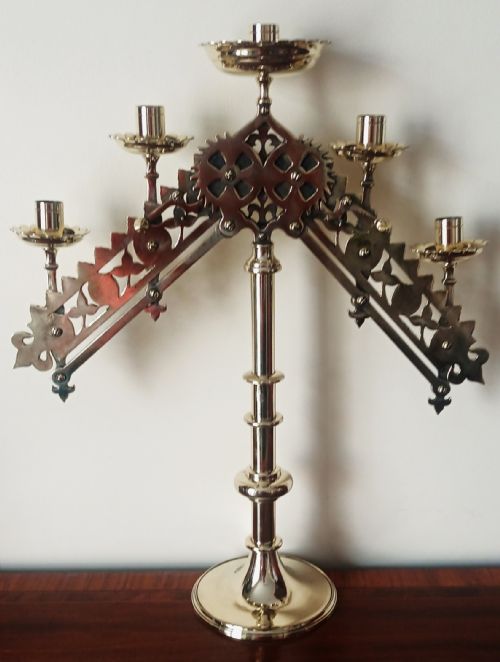
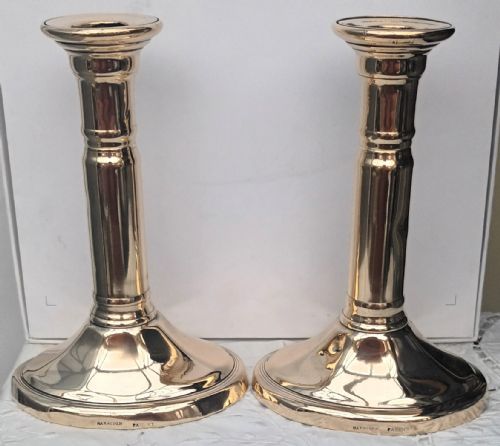
When you search for antique adjustable candlesticks, you encounter practical lighting devices designed to alter height or reach through telescopic mechanisms, articulated arms, or sliding shades. The pieces listed here span the Georgian, Regency, and Victorian periods up through the early twentieth century, taking forms such as desk lamps, bouillotte lamps, and standard pairs of candlesticks.
Brass and Sheffield plate dominate the earlier examples, while later nineteenth-century items introduce iron, bronze, and painted toleware. You are most likely to meet telescopic brass pairs from the Georgian era or green toleware bouillotte lamps featuring adjustable shades from French and English workshops.
How they were made
Metalworking techniques dictate the construction of these items, utilising cast brass, spun Sheffield plate, and beaten copper. Telescopic columns rely on snug inner and outer sleeves that hold their position by friction or small keys, while articulated arms employ threaded joints and pivots.
Surface treatments range from polished or patinated brass to painted metal shades in toleware. Bronze and ormolu receive careful finishing to contrast matte and bright metallic surfaces on decorative table lights.
An iron spiral candlestick invites you to wind the candle upward like a tiny metal staircase as the wax burns down.
What varies in quality
The precision of the mechanical action determines much of the merit in an adjustable piece, separating smooth, secure telescopic movement from loose or binding slides. Heavier gauge metalwork and crisper casting detail in bases and joints distinguish finer examples from standard production.
Originality of components, including matching shades, keys, and screw fittings, elevates an object above pieces with later replacements. The quality of the plating on Sheffield plate or the depth of hand-applied paint on toleware further separates ordinary items from superior ones.
Harrison Patent
The Antique Adjustable Candlesticks Glossary
- Telescopic
- Design featuring nested sliding tubes that allow the height of the candlestick to extend or contract.
- Bouillotte
- A type of adjustable desk lamp featuring multiple candle arms beneath an adjustable central shade, traditionally used for card games.
- Toleware
- Lacquered or painted sheet metal, frequently green or dark finishes, utilised for shades and bases.
- Sheffield Plate
- An early composite material made by fusing a thin sheet of silver to a thicker copper base.
- Articulated
- Constructed with joints that pivot or swivel to alter the direction of the light sources.
Antique Adjustable Candlesticks: Frequently Asked Questions
How do telescopic candlesticks work?
Telescopic candlesticks operate with an inner sliding shaft that moves vertically inside a stationary outer column. A friction fit or a thumb screw holds the inner shaft at the desired height.
This mechanism allows the user to raise the flame higher above a table or lower it for closer tasks.
What is a bouillotte lamp?
A bouillotte lamp is a traditional desk or table light fitted with a central shaft holding two or three candle arms. A painted metal shade slides up and down on this central rod to control the glare.
These lamps originated in France and were commonly placed on gaming tables.
How do I clean brass candlesticks?
Cleaning antique brass requires a soft cloth and mild soapy water to remove dust and surface grime. Avoid harsh abrasive polishes that strip away the aged patina built up over centuries.
Preserving this natural darker tone maintains the character and age of the metal.
Are these lamps wired for electricity?
Many surviving examples retain their original configuration for wax candles, while others have received later conversions for electric bulbs. Desk lamps and student lights frequently show evidence of adaptation for modern wiring.
Buyers should examine the physical description to determine whether a piece remains intended for candles or holds a lamp fitting.