

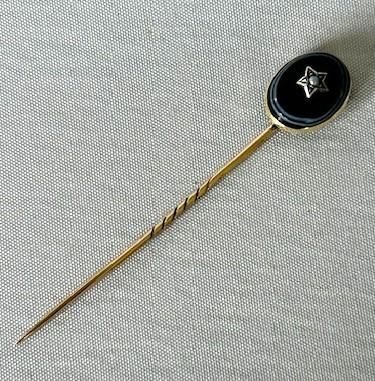
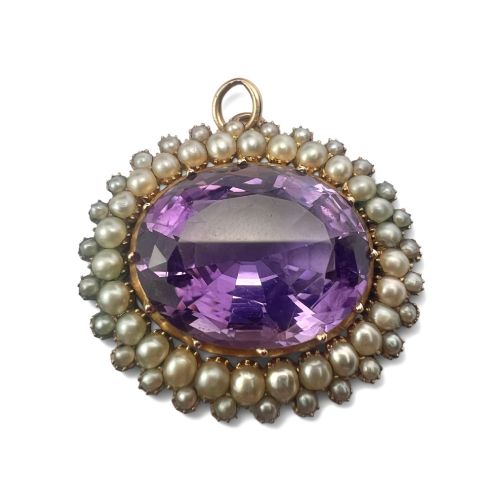
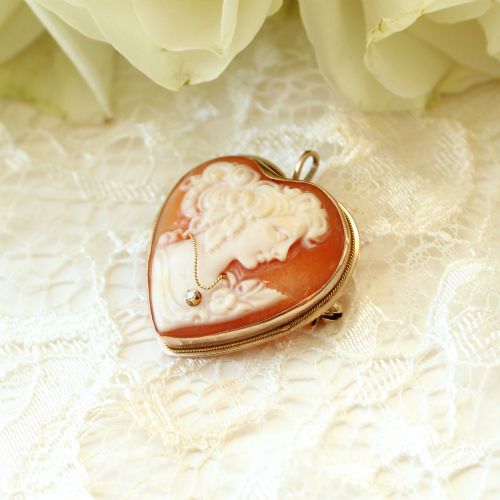
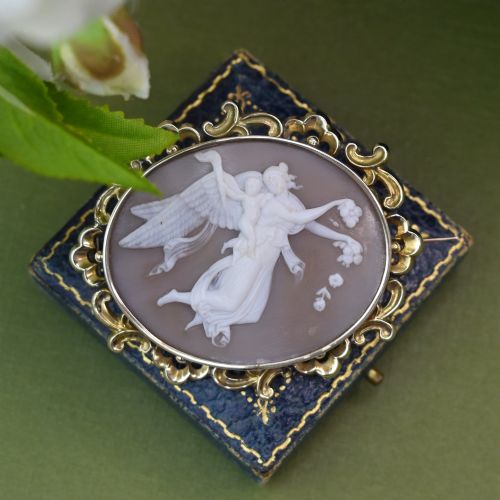
Antique 9ct Brooch
When you search for an antique 9ct brooch, you uncover a world of gold work and gem-set pin designs spanning the Georgian era to the mid-twentieth century.
Antique 9ct Brooch
An antique 9ct brooch is a wearable pin fastening fashioned from nine-carat gold, serving both ornamental and functional purposes across historical periods. These pieces range from simple bar brooches to elaborate figurative designs set with precious stones.
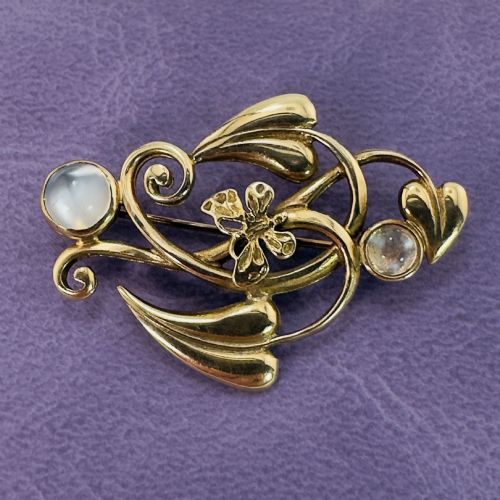
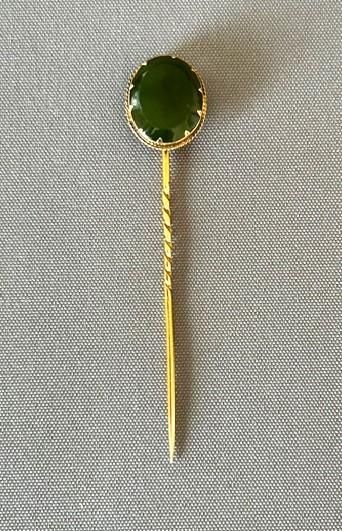
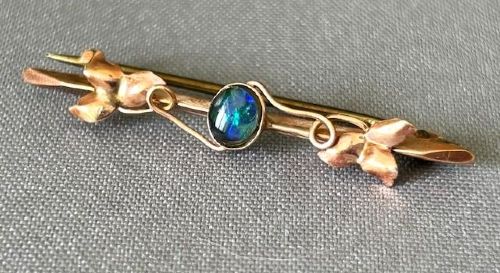
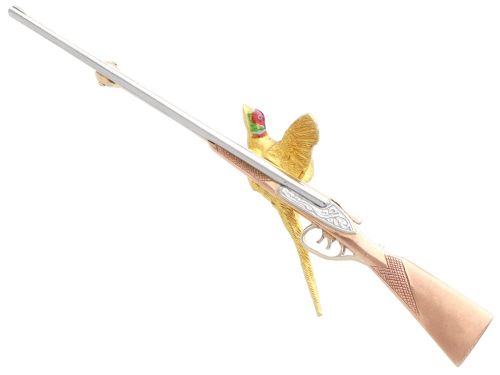
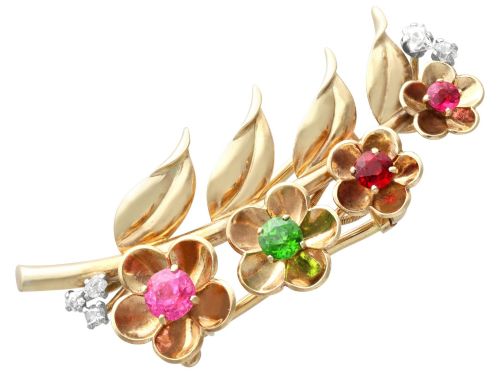
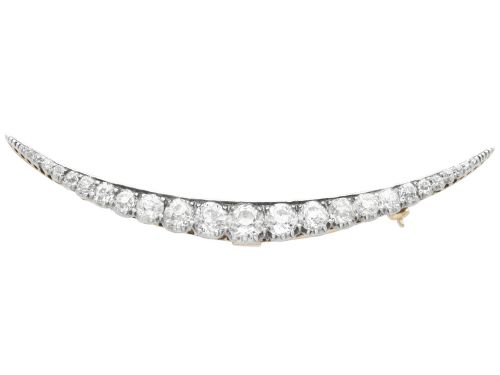
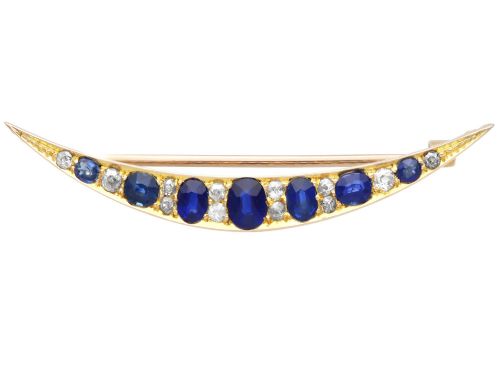
On this page, the most frequent items you meet date from the Victorian and Edwardian eras, alongside later twentieth-century iterations. They appear in forms such as crescents, floral clusters, insects, and initial sliders.
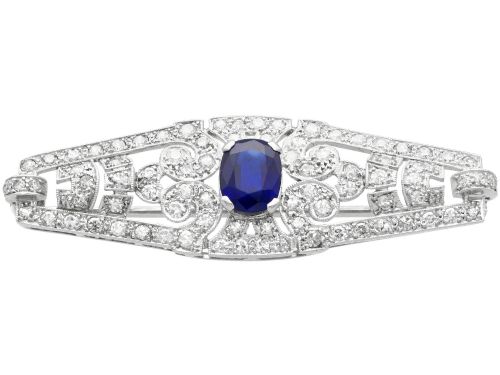
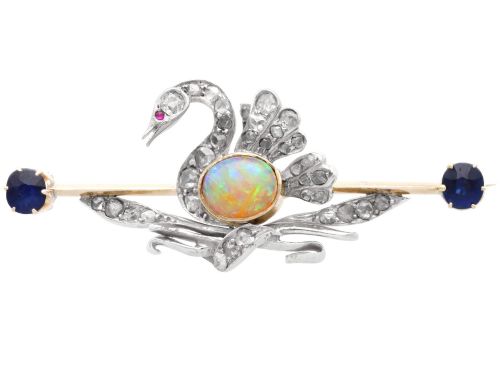
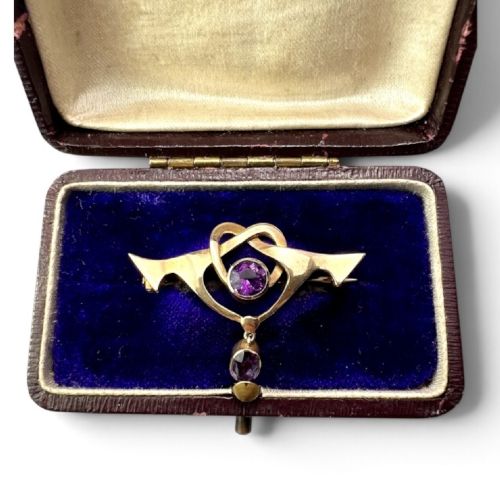
Makers utilised nine-carat gold alongside silver backups, incorporating gemstones like diamond, amethyst, pearl, ruby, and opal. These jewels reflect changing aesthetic movements from Art Nouveau curves to Art Deco geometries.
How they were made
Goldsmiths shaped nine-carat yellow, rose, and white gold into intricate mounts, utilising casting, stamping, and wire-working techniques. Gemstones such as diamonds, amethysts, garnets, and peridots were then flush-set, claw-set, or bead-set into the metalwork.
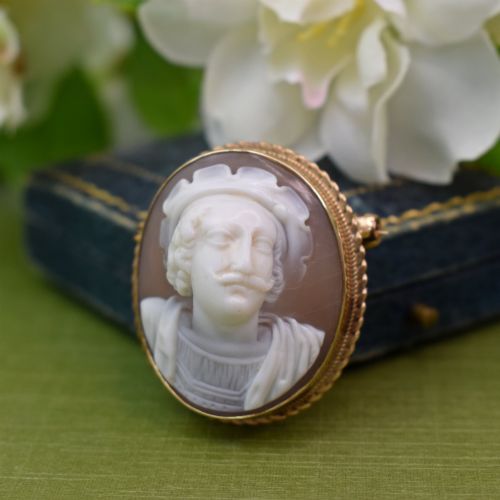
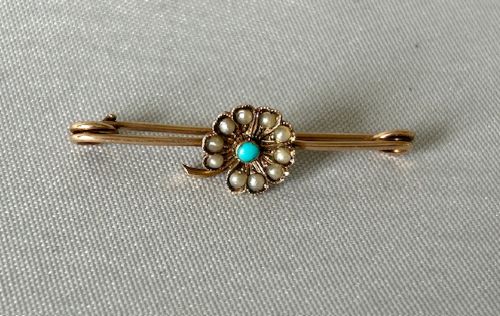
Delicate additions like seed pearls and turquoise beads required meticulous hand-drilling and pegging or gluing onto gold stalks. Shell cameos were hand-carved from layered mollusc shells and secured within bespoke bezels.
Antique 9ct Brooch Retail Price Guide 2026
Typical asking prices for 9ct brooch among the pieces listed under this phrase on Sellingantiques today, from the lower quarter to the upper quarter. They describe what is for sale here now, not the wider market.
Among the fauna are tiny gold chicks, leaping stags, and hunting bugles, proving Victorians loved pinning entire menagerie scenes to their lapels.
What varies in quality
The standard of an antique 9ct brooch rests upon the crispness of its metal chasing, the security of its gemstone settings, and the artistry of its composition. Finer examples display balanced proportions, clean soldering, and stones matched carefully for colour and cut.
Lesser pieces may show heavy-handed repairs, indistinct stamping, or uneven stone retention that detracts from the original maker's intent. The presence of documented makers or specific regional assay marks further distinguishes superior craftsmanship.
Deakin & Francis·Cartier
The Antique 9ct Brooch Glossary
- 9ct Gold
- An alloy of gold containing 37.5 percent pure gold mixed with base metals such as silver, copper, or zinc. This alloy provided a durable and accessible material for Victorian and Edwardian jewellers.
- Seed Pearl
- Very small, naturally occurring or cultured pearls often used in clusters or bordering central gems. They were widely favoured in Edwardian floral and starburst designs.
- Bar Brooch
- A horizontal pin configuration featuring a central decorative element mounted on a narrow metal bar. This style was prominent throughout the late nineteenth and early twentieth centuries.
- Cameo
- A method of carving an object such as a shell or stone so that a raised relief image stands out from a background of a different colour. Classic motifs include classical profiles and mythological scenes.
- Suffragette Chain Brooch
- Jewellery incorporating specific gemstone combinations - typically green, white, and violet representing green for give, white for women, and violet for votes. These pieces were worn by supporters of the women's suffrage movement.
Antique 9ct Brooch: Frequently Asked Questions
How do I date an antique 9ct brooch?
Dating relies on examining the pin mechanism, the style of the metalwork, and any accompanying hallmarks or maker marks. Earlier Victorian pieces often feature long pins extending beyond the safety catch, whilst Edwardian and later pieces adopted more secure locking clasps.
Assay office marks and stylistic clues such as Art Nouveau asymmetrical plant motifs or Art Deco geometric lines also help narrow down the period of manufacture.
How were these brooches worn historically?
Historical wear varied by era, with Victorian and Edwardian ladies pinning them to the collars of high-necked blouses, lapels of tailored jackets, or at the centre of necklines. They also fastened sashes, secured lace fichus, or adorned hats and cloaks.
Later mid-century examples were frequently pinned to heavier wool coats or cardigan collars as focal accessories.
Can I wear an antique brooch every day?
Wearing these pieces daily is possible provided you take care with fragile materials like seed pearls, opals, and shell cameos. Ensuring the pin mechanism and catch are secure will prevent accidental loss during regular wear.
Store them separately in soft pouches to avoid scratches from harder gemstones or neighbouring jewellery.
What is the difference between a brooch and a pendant?
A traditional brooch is designed strictly with a pin and catch on the reverse for fastening to fabric. Many antique pieces, however, were constructed as convertible pendant brooches featuring a hidden loop or fold-down bale.
This dual functionality allowed the owner to pin the item to clothing or suspend it from a neck chain.