




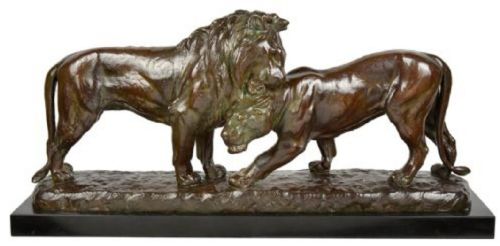

Animalier Lion Sculpture
These animalier lion sculpture pieces capture fierce feline energy in bronze and marble, bringing dramatic 19th-century realism to a mantelpiece.
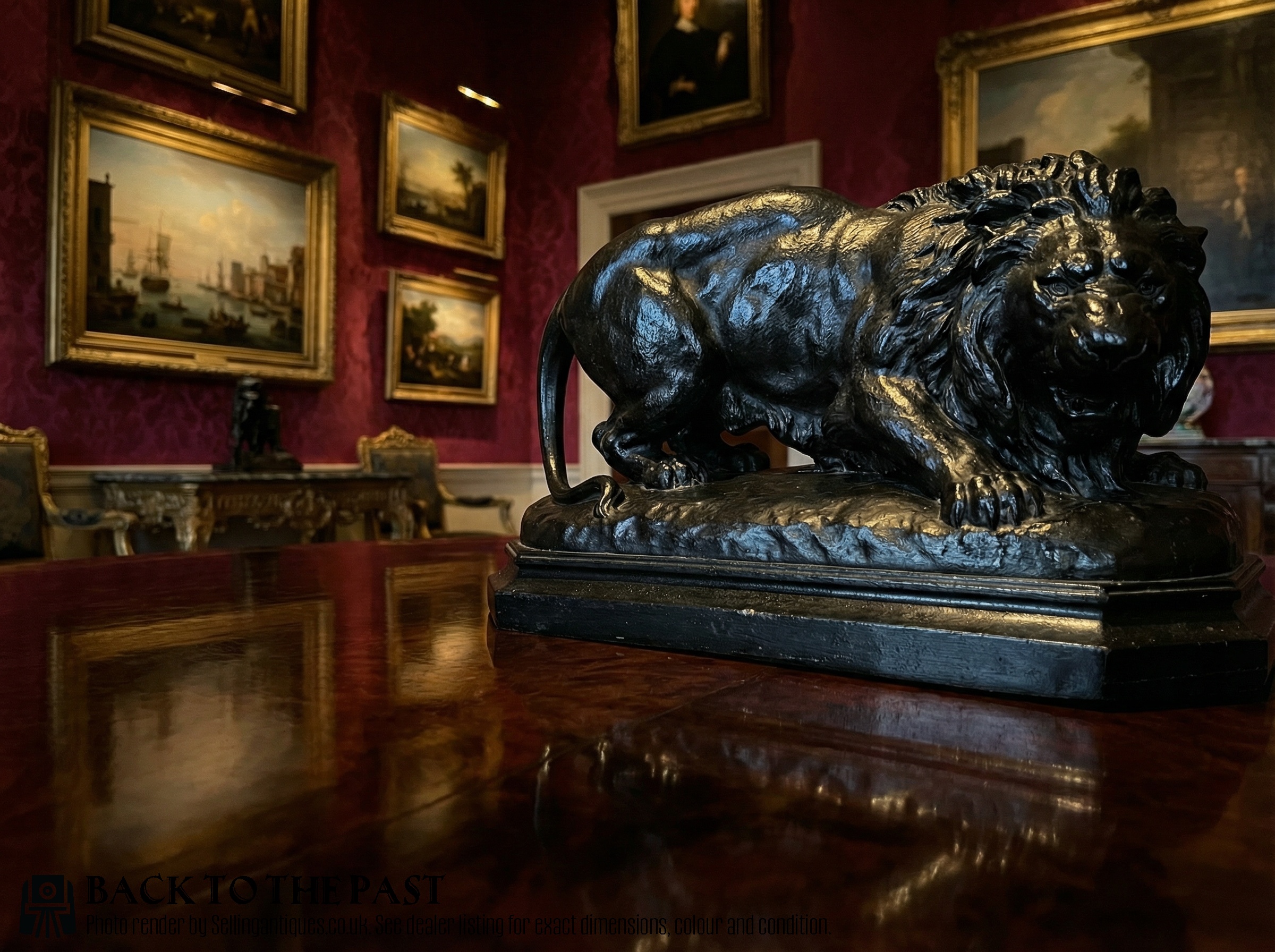
Animalier Lion Sculpture
An animalier lion sculpture represents the powerful form of the great cat, rendered with careful attention to muscle and posture. These figures emerge primarily from the nineteenth and early twentieth centuries, spanning French animalier, Grand Tour, Art Deco, and Victorian traditions.
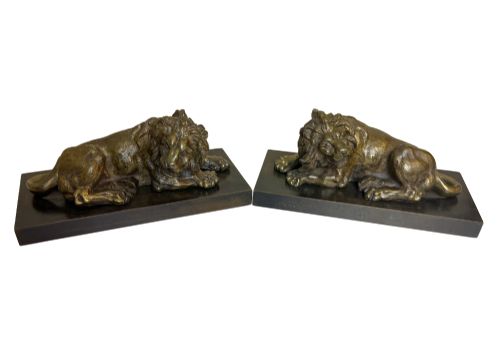
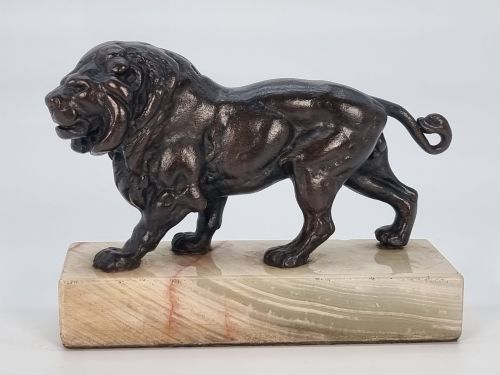
The objects take several distinct functional and decorative forms on this page. Collectors encounter standalone studies of prowling or resting beasts, paired mantelbookends, inkstands, and sculptural figures mounted upon marble or onyx plinths.
How they were made
Foundries typically employed the lost-wax casting method to shape molten bronze into lifelike animal studies, allowing intricate detail in the mane and claws. Artisans then chased the metal surface by hand to refine textures before applying patination, cold-painted pigments, or gilt finishes.
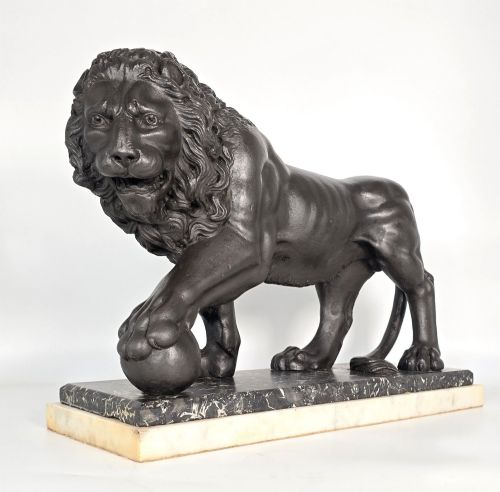
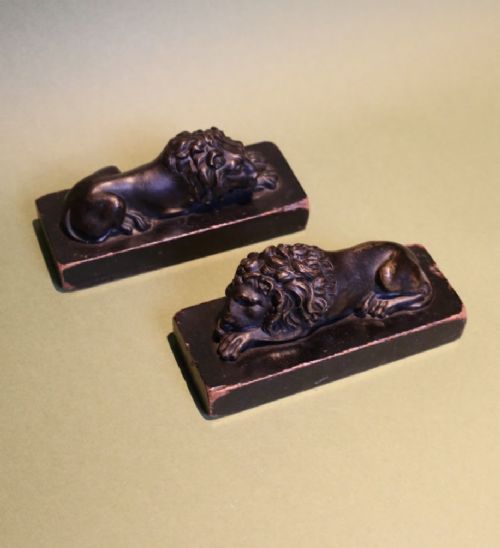
Many works combine cast metal with heavy stone supports, mounting bronze figures securely onto bases of green marble, onyx, or alabaster. Alternative materials appear occasionally, including carved wood and bronzed plaster.
Listings feature works spanning the nineteenth and early twentieth centuries, utilising materials such as bronze, marble, onyx, alabaster, and wood.
What varies in quality
The integration between the sculpture and its plinth matters significantly. Top-tier examples feature substantial stone bases that complement the scale of the metalwork, maintaining stability and proportional harmony.
Franz Bergman·C Omin·Eugene Emile Borga·Paul-Édouard Delabrièrre·G.Gardet·Louis Riche·Al Barye·Barbedienne·Le Courtier·Antoine-Felix Bouré
The Animalier Lion Sculpture Glossary
- Animalier
- A nineteenth-century artistic movement dedicated to the realistic portrayal of animals, particularly predators in motion or repose. Sculptors in this tradition focused on accurate anatomy and natural behaviour rather than idealised forms.
- Cold-painted bronze
- A technique where bronze figures receive polychrome paint finishes applied without heat, often associated with Viennese foundries. The paint adheres directly to the metal surface, creating vibrant coloration.
- Grand Tour
- Souvenirs and classical replicas acquired by wealthy travellers touring European cultural sites during the nineteenth century. These pieces often emulate ancient monuments, such as the Medici lions.
- Lost-wax casting
- A historic metalworking process where a molten substance is poured into a mould created by a wax model, which melts away during preparation. This method allows complex undercuts and fine surface details.
- Patination
- The chemical or natural colouration of a metal surface resulting from age, wear, or intentional treatment by the maker. Artisans use patination to highlight texture and simulate aged bronze.
Animalier Lion Sculpture: Frequently Asked Questions
Where should I display a heavy bronze lion?
These sculptures suit sturdy wooden surfaces such as sideboards, desks, or mantelpieces where their weight can rest securely. Placing them away from direct heat sources protects any integrated marble or onyx bases.
Ensure the display level allows comfortable viewing of the fine details in the casting and patination. Positioning the piece where adequate light falls across the surface enhances the muscular definition.
How do I clean nineteenth-century bronze?
Dust the sculpture gently with a soft, dry brush to prevent particulate buildup in crevices and chased textures. Avoid using commercial metal polishes, which can strip the historic patination.
If deeper cleaning is necessary, consult a professional conservator to preserve the original surface finish. Moisture should be kept away from stone bases like alabaster and onyx.
What distinguishes Art Deco lion sculptures?
Art Deco pieces from the early twentieth century often employ stylised lines and alternative materials such as carved wood or alabaster. They emphasise streamlined forms rather than the rigorous anatomical realism of nineteenth-century animalier works.
These later sculptures frequently sit on geometric marble plinths that reflect the design vocabulary of the period. The poses tend to be more abstract or decorative.
Are these sculptures signed by the artist?
Many cast bronzes bear an inscribed signature or foundry mark directly on the metal base or plinth. These signatures help attribute the work to specific sculptors and casting houses active in the nineteenth and early twentieth centuries.
Unsigned pieces remain common, often representing quality workshop production where the design rather than the individual maker's name takes prominence.