

Animal Desk Ornament
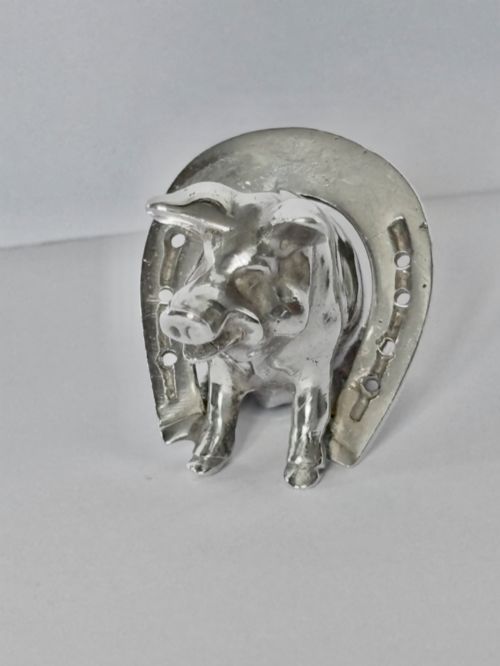
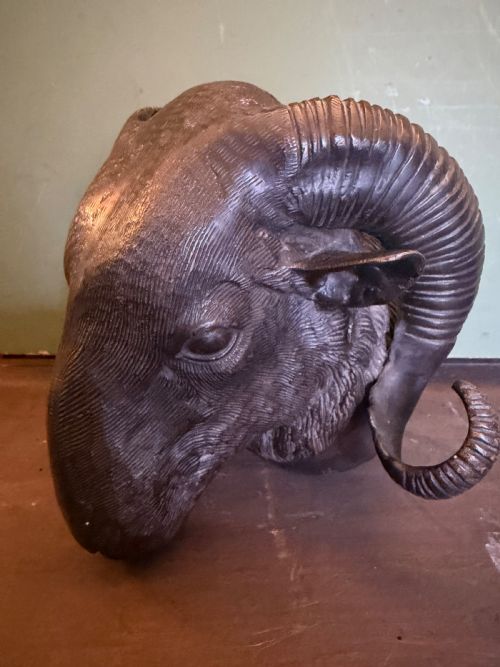
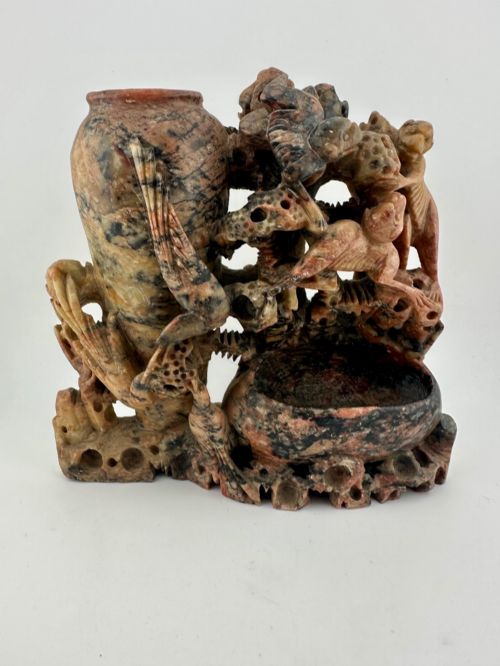
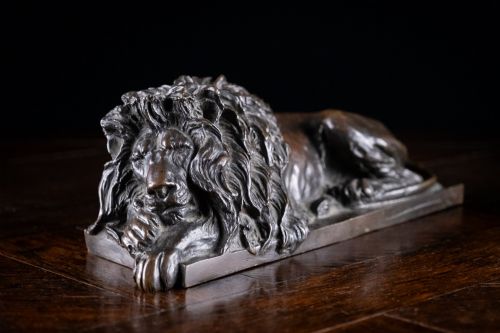
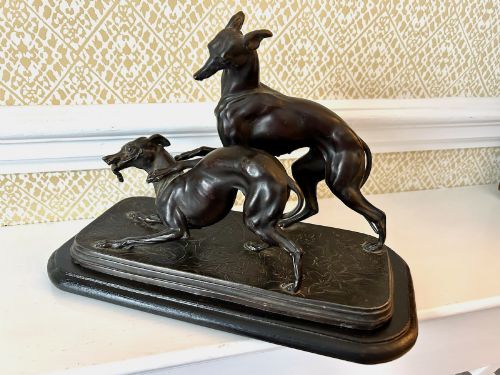
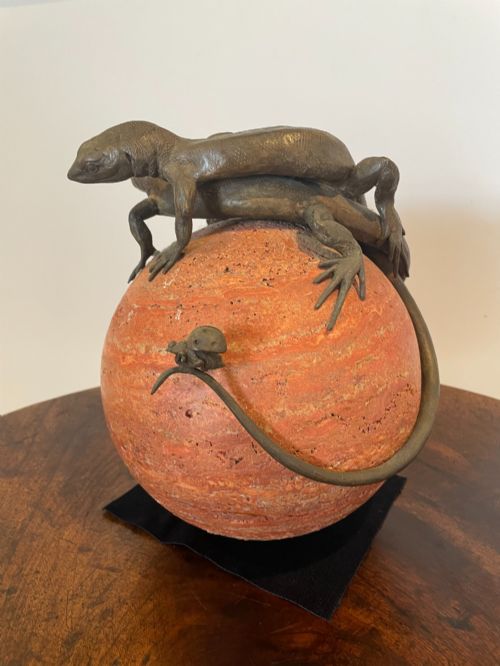
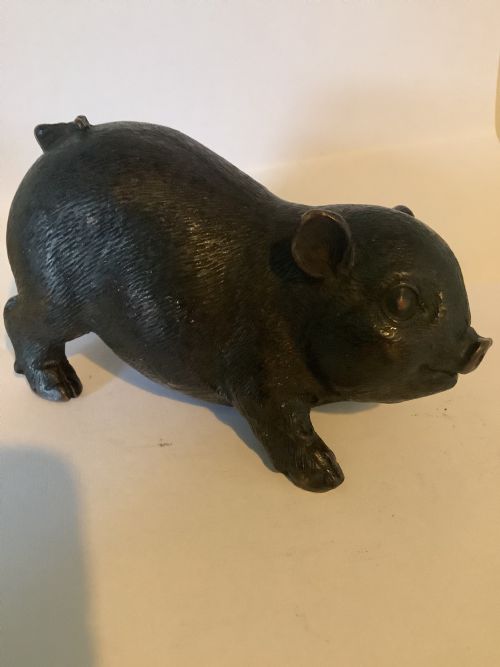
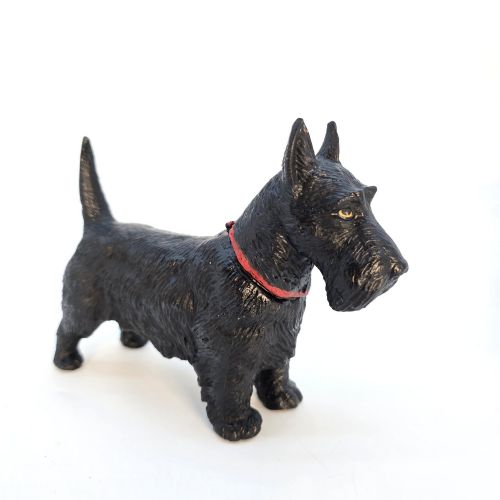
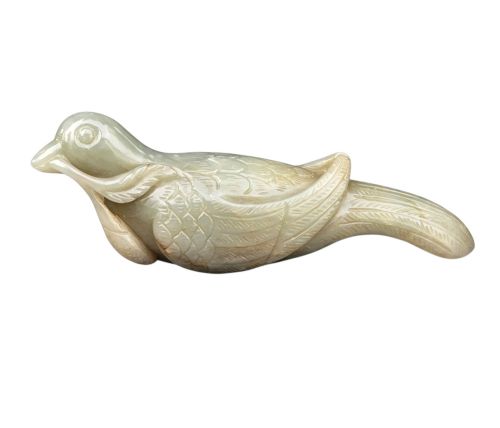
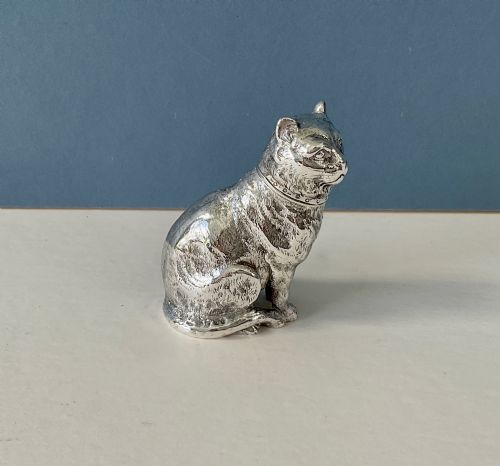
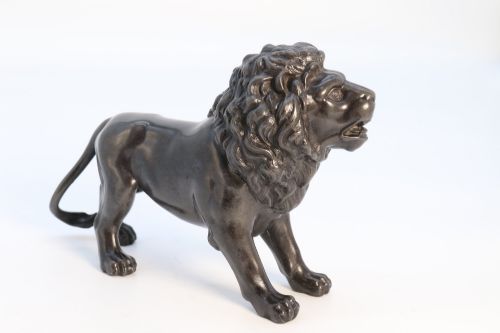
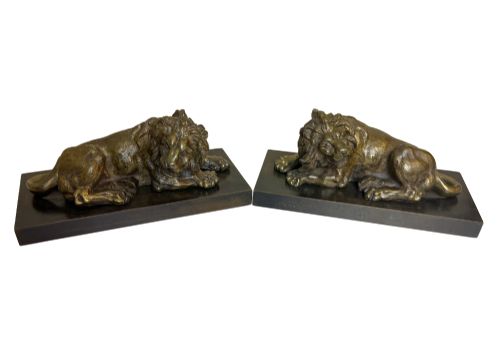
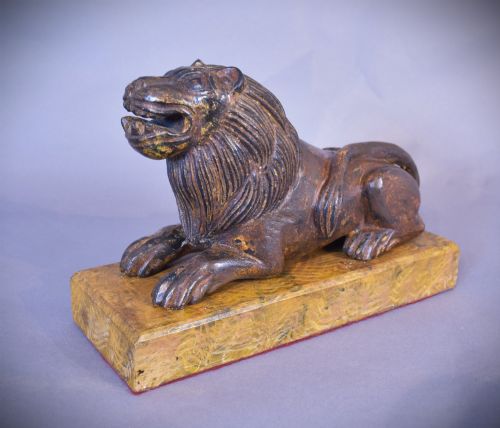
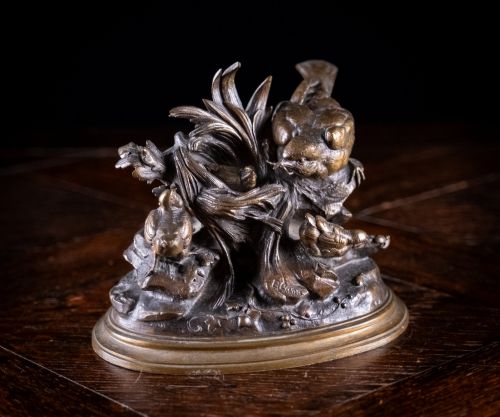
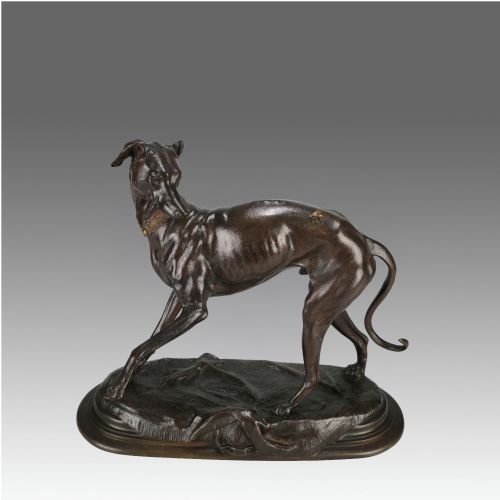
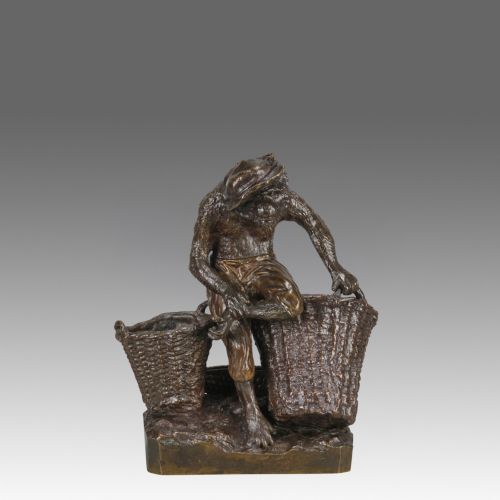
An animal desk ornament brings character and focus to a workspace, taking the form of a cast metal figure, carved stone, or carved wood resting beside inkwells and papers.
Animal Desk Ornament
An animal desk ornament serves a functional or decorative purpose in a study, often doubling as a paperweight, inkwell, or small sculpture. The examples collected under this heading range from Victorian pieces to twentieth-century items.
The selection includes subjects like lions, dogs, birds, and elephants, rendered in varied postures from resting to prowling. Materials span cast metals, stone, and carved wood.
Origin points are diverse, reaching across European workshops, Austrian foundries, and Asian carving traditions, producing small-scale works designed for desktop placement.
Materials and Construction
Natural materials are well represented through carved wood, soapstone, jade, and marble. Black Forest woodcarving yields dynamic figures like mountain goats and owls, while stone bases provide weight and support for metal sculptures.
Animal Desk Ornament Retail Price Guide 2026
Typical asking prices for animal desk ornament among the pieces listed under this phrase on Sellingantiques today, from the lower quarter to the upper quarter. They describe what is for sale here now, not the wider market.
Listings feature cold-painted bronze alongside carved wood, marble bases, and cast spelter.
Distinctions in Execution
Quality rests upon the crispness of the casting or carving and the fidelity of the animal's anatomy. Superior items exhibit careful surface finish, retaining the subtle texture of fur or plumage rather than a smooth, generalised surface.
Colour application creates a further division, particularly in cold-painted bronze where intact, original polychrome enrichment elevates the piece. The integration of the subject with its base, whether marble, onyx, or carved wood, dictates the overall coherence of the object.
Louis Emile Cana·Christophe Fratin·Antoine Louis Barye·Alfred Barye·Franz Bergman·Isadore Bonheur·Clovis Masson
The Animal Desk Ornament Glossary
- Animalier
- A nineteenth-century artistic movement focusing on the realistic depiction of animals. Sculptors in this tradition studied anatomy closely at menageries.
- Cold Painted Bronze
- A technique where bronze figures receive paint layers without subsequent kiln firing. The finish remains delicate and prone to chipping if handled roughly.
- Black Forest
- A nineteenth-century German and Swiss woodcarving style. Artisans produced realistic figures of animals, often incorporating functional elements like inkwells.
- Spelter
- A zinc alloy utilised as a cheaper alternative to bronze. It takes patination well but proves more brittle under stress.
- Patination
- The surface coloration of metal developed through age or chemical treatment. It provides protective qualities and aesthetic depth to bronze and iron.
Animal Desk Ornament: Frequently Asked Questions
What were animal desk ornaments used for?
Many of these pieces served practical functions on writing desks in addition to their decorative appeal. Items incorporated inkwells, pen holders, lighters, or acted as heavy paperweights to secure loose correspondence.
Smaller figures simply added individuality to a study or library. Their scale allowed them to sit among books and writing implements without cluttering the workspace.
How do I distinguish cold painted bronze from other metals?
Cold painted bronze typically shows a layer of hand-applied paint over a bronze or brass core. Under magnification, the paint sits on the metal surface rather than integrating into an alloy.
Cheaper substitutes like spelter feel lighter and show a greyish metal underneath worn areas. Bronze retains a warm, golden-brown tone where the surface finish has thinned.
Where were Black Forest carvings made?
Black Forest carvings originated primarily in the wooded mountain regions of Germany and Switzerland during the nineteenth and early twentieth centuries. Local craftsmen utilised native timbers, predominantly linden and walnut, to carve realistic animals.
These pieces frequently served domestic utility, functioning as inkstands, match strikers, or pipe holders. The style is recognised by its deep relief and textured rendering of fur.
How should I clean antique bronze figures?
Antique bronze should be dusted gently with a soft, dry brush to prevent the accumulation of grit in crevices. Avoid using commercial metal polishes, as these strip away historical patination and damage the underlying surface.
If the metal requires more attention, a microcrystalline wax can protect the surface. Painted bronzes demand particular care to avoid lifting the fragile polychrome finish.