


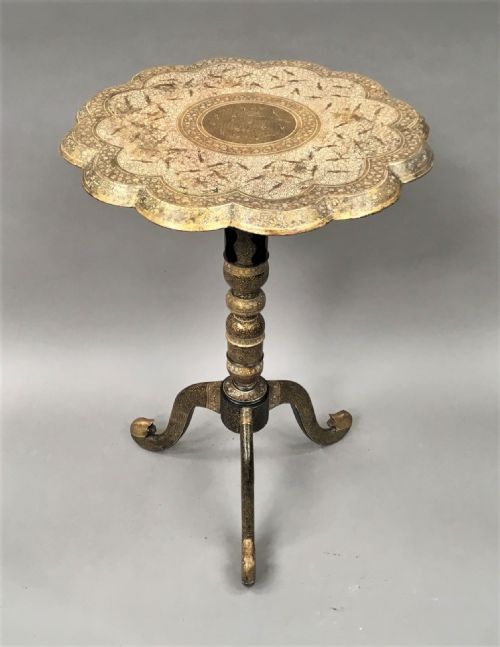
Anglo Indian Papier Mache Table
These anglo indian papier mache table items are hand-painted Kashmiri works from the nineteenth and early twentieth centuries that bring vibrant colour to a room.
Anglo Indian Papier Mache Table
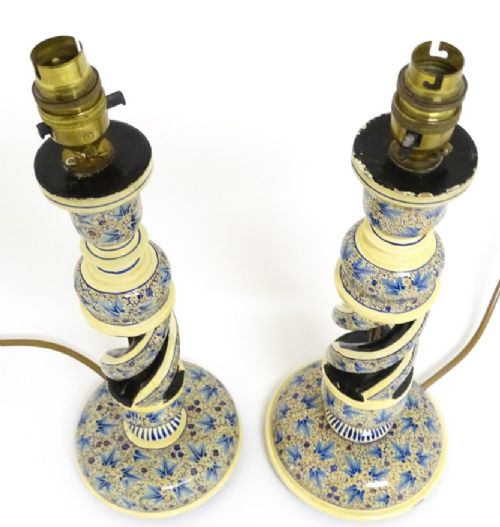
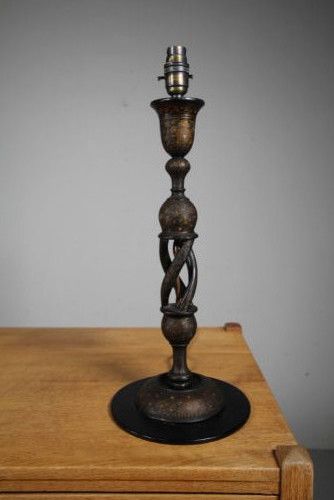
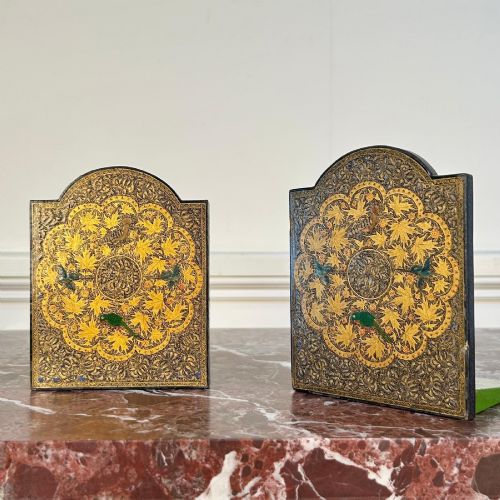
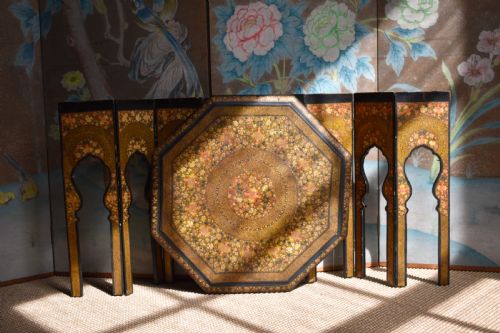
An anglo indian papier mache table search brings up pieces originating from Kashmir, spanning the nineteenth century through to the nineteen-thirties. The selection includes occasional tables alongside related items like table lamps and bookends.
Buyers most frequently encounter side tables and lamps bearing hand-painted surfaces and lacquer finishes. These objects reflect the intersection of traditional Kashmiri craftsmanship with British colonial tastes of the period.
Materials and construction
Makers utilised papier-mache and wood as the primary structural bodies, applying detailed hand-painted designs directly onto the prepared surfaces. Protective lacquer layers sealed the intricate floral and patterned motifs.
Secondary elements incorporate brass, carved wood, and fabric components to complete the functional forms of tables and lamps.
The listings span from eighteen eighty through to nineteen thirty, featuring lacquer, wood, and papier-mache across tables and lamps.
Judging quality
The distinction between standard and superior pieces rests entirely upon the precision of the hand-painted detail and the preservation of the original lacquer surface. Finer examples display intricate, crisp brushwork that remains clear across the entire object.
Structural integrity of the underlying wood and papier-mache core further separates robust items from those showing extensive wear or later repainting.
The Anglo Indian Papier Mache Table Glossary
- Papier-mache
- A composite material consisting of paper pieces or pulp reinforced with glue or paste. It provides a lightweight yet durable base for decorative painting.
- Lacquer
- A clear or coloured varnish applied in multiple coats and polished to a hard finish. This technique protects the delicate painted decoration underneath.
- Kashmiri
- Pertaining to the region of Kashmir in northern India, renowned for distinctive painted wooden and papier-mache goods. Artisans there developed specialised surface decoration traditions.
- Anglo-Indian
- A descriptive term for artefacts created in India during the British colonial period to suit European domestic interiors. These pieces blend Eastern motifs with Western furniture forms.
Anglo Indian Papier Mache Table: Frequently Asked Questions
How do I clean an antique Kashmiri table?
Dust the surface gently with a dry, soft microfibre cloth to prevent any scratching of the delicate lacquer. Avoid using water, chemical sprays, or abrasive polishes which can damage the historic paint.
Keep the piece away from direct sunlight and excessive humidity to preserve the integrity of the materials.
How can I date an 19th century piece?
Examine the style of the hand-painting, the type of wood used in the construction, and any underlying wear on the lacquer. Nineteenth-century examples typically show softer patination and distinct regional pigment choices.
Comparing the decorative motifs with documented examples helps narrow down the production era.
Where should I place these items at home?
Side tables and small lamps suit corners or alcoves where their colourful hand-painted surfaces can catch natural light without being crowded. Pair them with neutral furnishings to let the detailed floral patterns stand out.
Avoid placing them in areas subject to heavy traffic or direct moisture.