

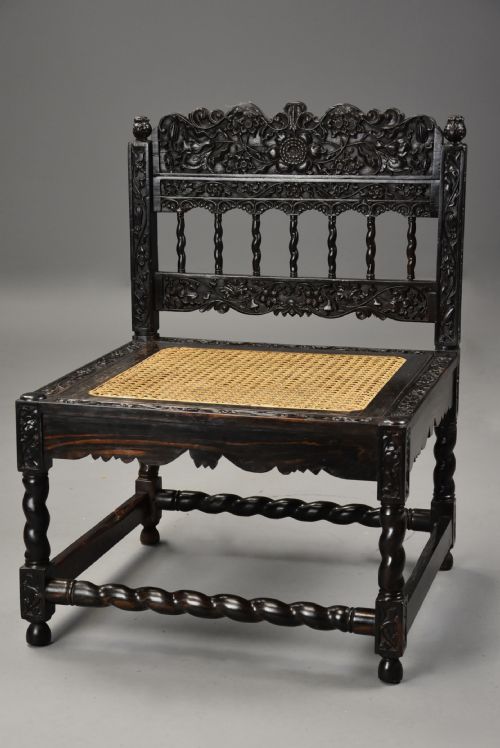


Anglo Indian Chairs
Anglo indian chairs bring exotic timber and intricate carving together, offering distinct seating with deep historical roots.
What Anglo Indian Chairs Are
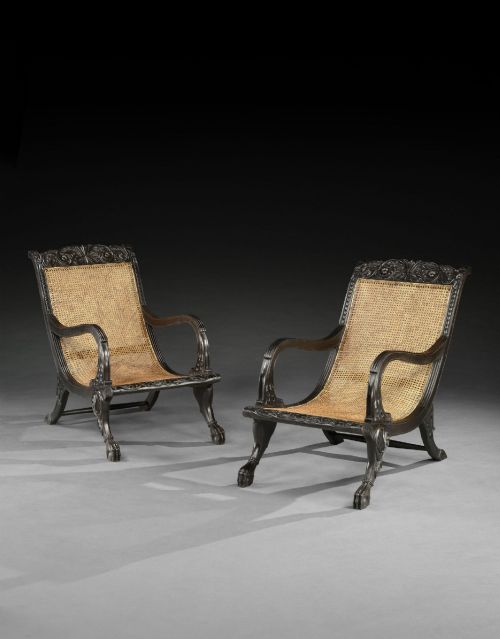
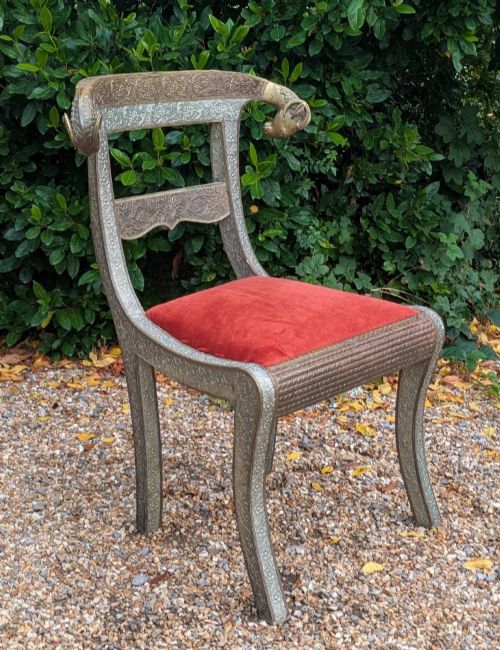
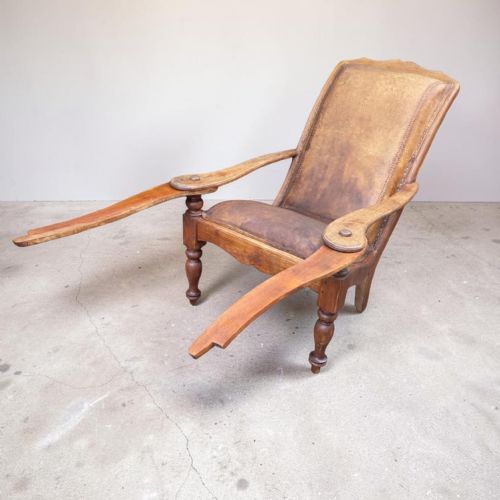
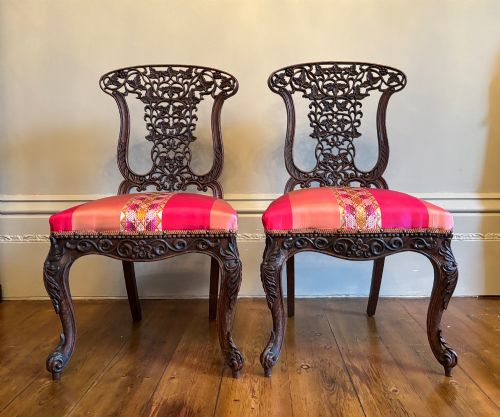
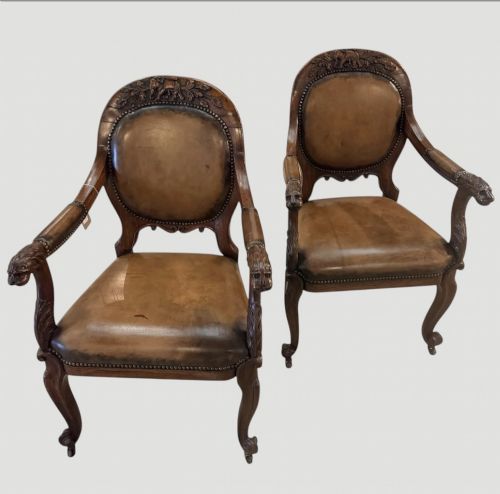
When you search for anglo indian chairs, you encounter seating produced during the British colonial period, primarily in the nineteenth century. These pieces merge traditional British furniture forms with local craftsmanship and native Asiatic woods. The inventory ranges from substantial armchairs and plantation chairs to sets of dining chairs and low side chairs.
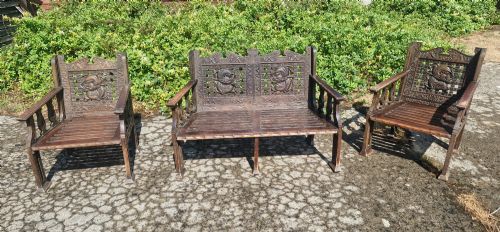
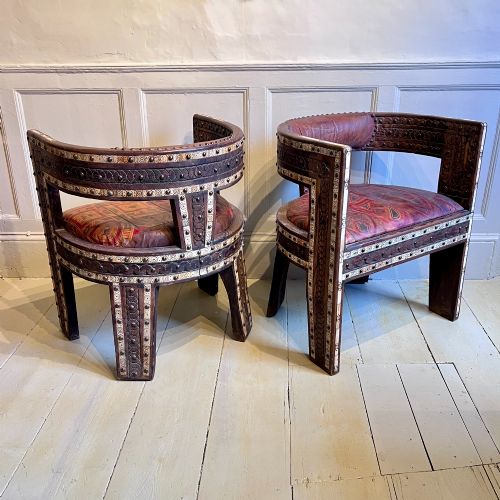
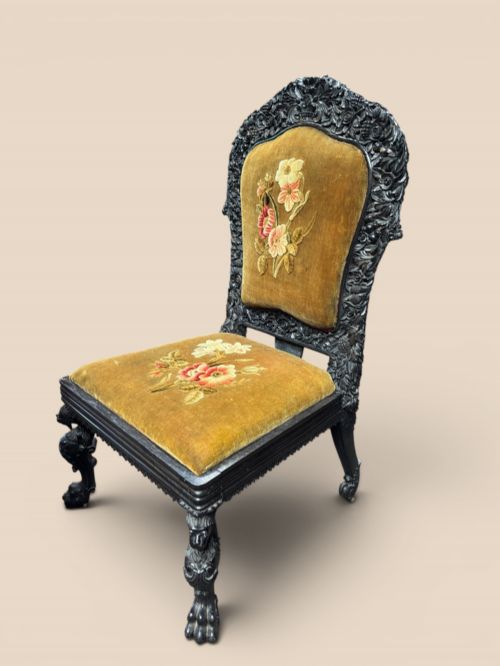
The most common examples on this page date from the nineteenth century, including specific years like 1870 and 1900. Styles span Anglo-Indian Colonial, Burmese, and Moorish Revival, reflecting the diverse regional workshops of the subcontinent. Forms include side chairs, armchairs, accent chairs, and dining chairs designed for domestic comfort or veranda use.
How They Were Made
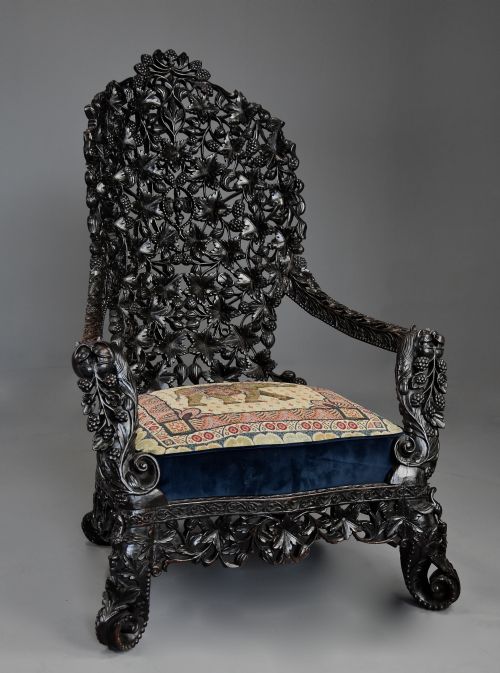
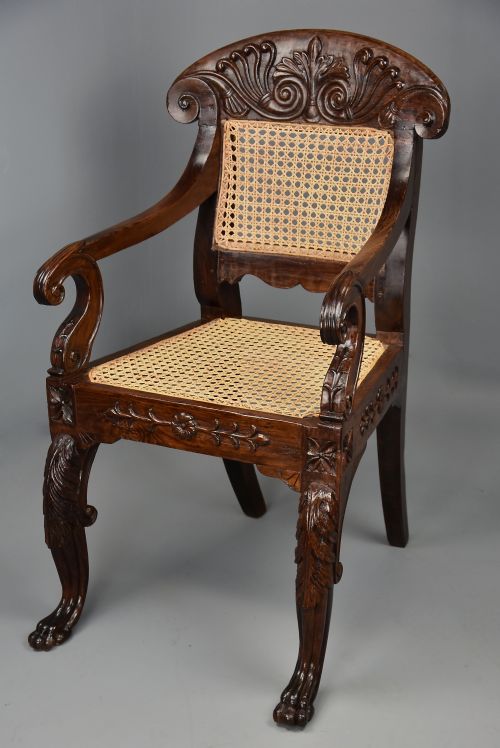
The construction relies on dense tropical hardwoods recorded in the listings as teak, rosewood, padauk, ebony, and general hardwood. Artisans utilised these heavy timbers to support deep, intricate relief carving across the frames, often incorporating floral and geometric motifs. Joinery matches traditional cabinet-making standards adapted to local workshop methods.
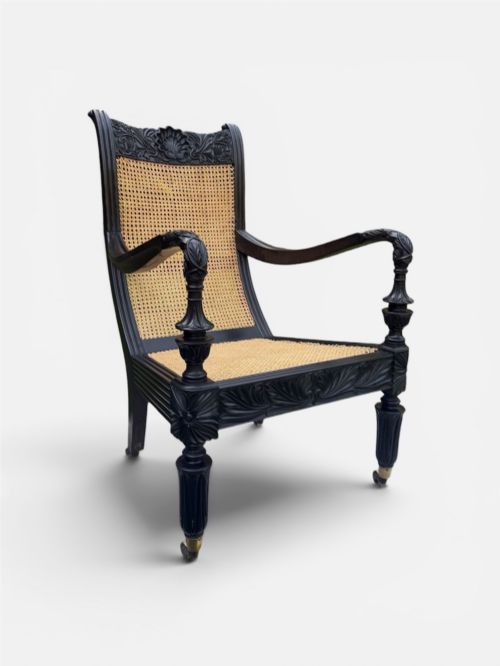
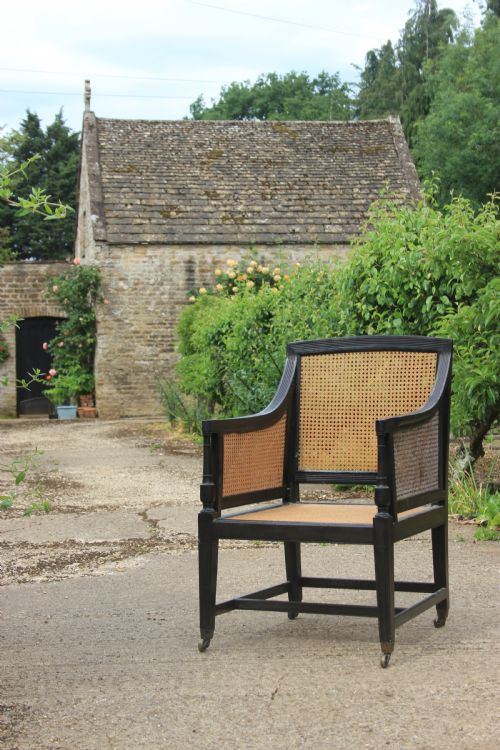
Surfaces feature specialised decorative elements such as bone inlay and brass detailing, while seating areas frequently employ woven cane or upholstery in leather and silk. Certain forms, such as plantation chairs and folding garden chairs, incorporate mechanical adjustments or extended armrests for reclining.
Retail Price Guide 2026
Typical UK retail prices for anglo indian chairs, calculated from the Sellingantiques database of over a million retail prices indexed since 2003. This retail price guide relies exclusively on Sellingantiques data; no external sources or auction records are used, so the figures do not describe the wider market.
Materials recorded in the inventory include teak, rosewood, padauk, bone inlay, brass, silk, and leather.
What Varies in Quality
The depth and crispness of the hand-carving separate standard utility seating from masterwork pieces. Superior examples exhibit sharp relief work where every leaf and scroll retains distinct edges, whereas lesser pieces show softer, shallower incisions.
The selection of timber grain and the integrity of structural joins dictate the longevity of the chair. Uniformity across larger sets, such as dining chairs or matching pairs, commands greater interest than mismatched or heavily altered individual items.
The Anglo Indian Chairs Glossary
- Padauk
- A heavy tropical hardwood known for its reddish-brown colour and dense grain. It provides a stable base for detailed carving.
- Bergere
- An enclosed upholstered armchair with a wooden frame. Many colonial examples incorporate cane panels into the sides and back.
- Caning
- A seating material woven from split rattan cane. It offers flexible support suited to warm climates.
- Squab cushion
- A loose, removable cushion placed on a chair seat for comfort. These often accompany caned dining and plantation chairs.
- Plantation chair
- A deep armchair with extended flat arms designed for resting feet. They often feature folding mechanisms or reclining backs.
Frequently Asked Questions
How do I clean caned seats?
Wipe the woven cane gently with a damp cloth using warm water. Avoid soaking the material to prevent the natural fibres from becoming brittle.
Allow the cane to dry naturally in a well-ventilated space before sitting on the chair again.
Where were these chairs made?
Workshops operated across various regions of the Indian subcontinent during the British colonial era. Specific regional influences include Burmese and Moorish Revival designs.
Production centres catered to both local European residents and export markets in Britain.
Can I use them for daily dining?
Many sets of dining chairs and side chairs remain sturdy enough for regular use. Solid hardwood frames provide robust structural support.
Ensure joints remain tight and check caning or upholstery condition before placing them into heavy service.
What woods were commonly used?
Cabinet makers utilised native Asiatic timbers such as teak, rosewood, padauk, and ebony. These dense woods resisted local insects and supported deep carving.
Surfaces were occasionally left polished to highlight the natural grain or painted in regional styles.