






Anglo Indian Bench
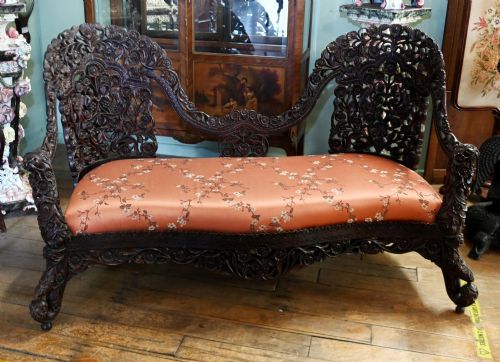
An anglo indian bench brings deep colonial character and dense carving into a room, offering sturdy seating built from exotic timbers.
Anglo Indian Bench
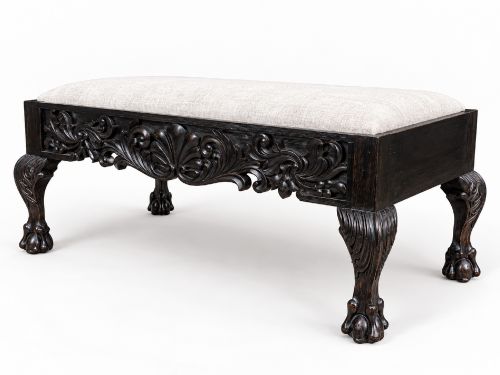
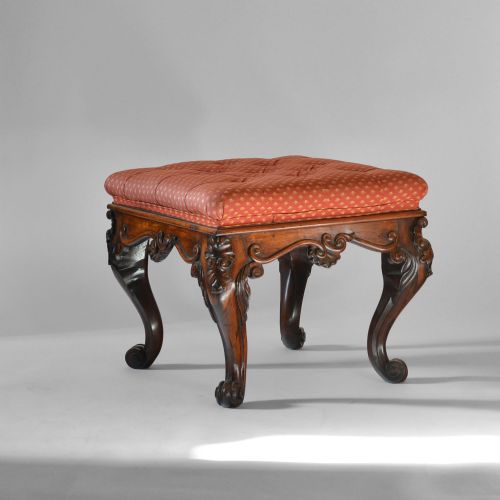
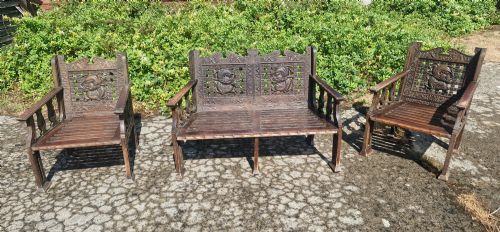
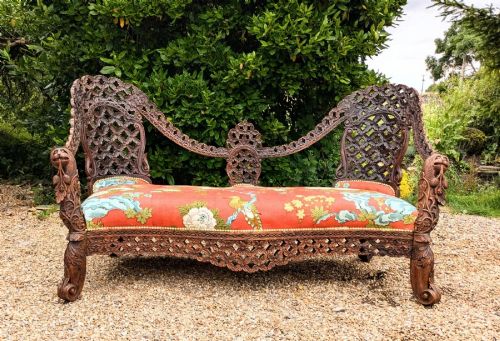
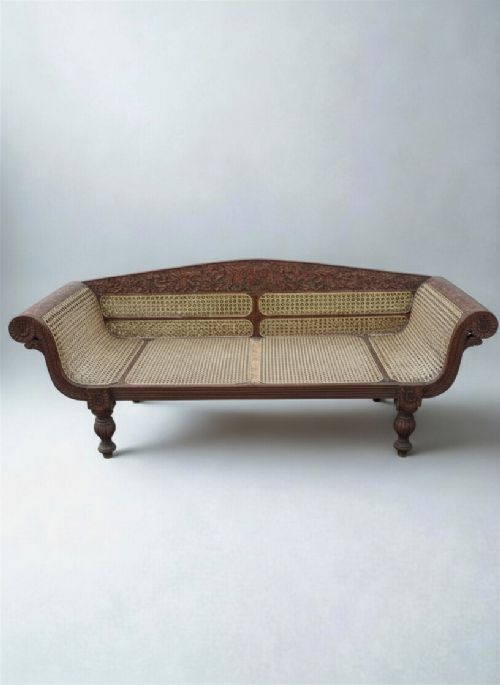
An anglo indian bench appears in forms ranging from daybeds and hall seats to heavy settles and window seats. The pieces on this page span the nineteenth century, including Regency and Victorian eras, alongside work from around nineteen-twenty.
Most examples originate from regions like Ceylon and Burma, showcasing regional woodwork traditions blended with British seating forms. Buyers frequently encounter robust hardwood frames, caned seats, and ornate carved details upon these platforms.
How they were made
Cabinetmakers utilised dense timbers such as teak, rosewood, and mahogany to construct these heavy frames. These woods withstand heavy carving while maintaining structural integrity over decades of use.
Workshops incorporated cane panels for seating surfaces alongside intricate bone or pearl inlay work. Brass mounts and decorative brass decoration frequently reinforced joints and embellished the hardwood panels.
Anglo Indian Bench Retail Price Guide 2026
Typical asking prices for anglo indian bench among the pieces listed under this phrase on Sellingantiques today, from the lower quarter to the upper quarter. They describe what is for sale here now, not the wider market.
Several benches feature hand-carved elephants, proving that local fauna found its way into colonial upholstery.
What varies in quality
The depth and crispness of the carving dictate the artistic merit of the piece. Crisp, deeply undercut relief work on scrolls and figures separates superior workshop output from simpler production.
The selection and density of the timber influence the weight and longevity of the seating. Solid rosewood or teak framing with intact original caning or intricate inlay represents the upper tier of surviving examples.
The Anglo Indian Bench Glossary
- Caning
- Woven rattan material used to form breathable seat and back panels. It provides a flexible surface that complements heavy hardwood frames.
- Settle
- A wooden wooden bench featuring a high back, solid arms, and often a storage box beneath the seat. This form blocks drafts and offers enclosed space.
- Daybed
- A dual-purpose piece designed for both sitting and reclining during the day. These elongated frames often feature scrolled ends or campaign styling.
- Inlay
- Decorative technique where contrasting materials like bone or pearl are embedded into recesses within the wood surface. This creates intricate geometric or floral patterns.
- Hardwood
- Dense timber sourced from broad-leaved deciduous trees. Teak, rosewood, and mahogany fall into this category.
Anglo Indian Bench: Frequently Asked Questions
Where were these benches placed originally?
These seating pieces served colonial households in verandas, hallways, and large reception rooms. Their sturdy construction suited warmer climates where breathable caning offered comfort.
Today, they function as statement pieces in modern entryways, living rooms, and sunrooms. Their varied forms adapt easily to contemporary interior spaces.
How do I care for the hardwood and cane?
Maintain the timber by applying appropriate natural wax polish periodically to preserve the grain and prevent drying. Keep the furniture away from direct heat sources.
Gentle dusting protects delicate carvings and pearl inlay work. Caned panels benefit from occasional light moisture to keep the rattan supple.
Are these benches comfortable for daily sitting?
Many examples feature deep seats designed for relaxed lounging, particularly daybeds and large sofas. Adding loose cushions provides extra support for everyday use.
Firm wooden hall benches and settles prioritise upright posture and structural presence over cushioned softness. They suit transitional spaces like hallways and landings.
How can I tell the nineteenth century pieces apart?
Examine the timber choice, joinery techniques, and carving style to gauge the era. Earlier nineteenth-century examples often utilise solid rosewood or finely figured teak with classical Regency or early Victorian proportions.
Later Victorian and nineteen-twenty items frequently display bolder regional motifs, such as elephants or elaborate scrolling. Inlay work and hardware details also shift across these decades.