
Anglo Indian Accent Table
An anglo indian accent table brings intricate regional carving and exotic timber into a room.
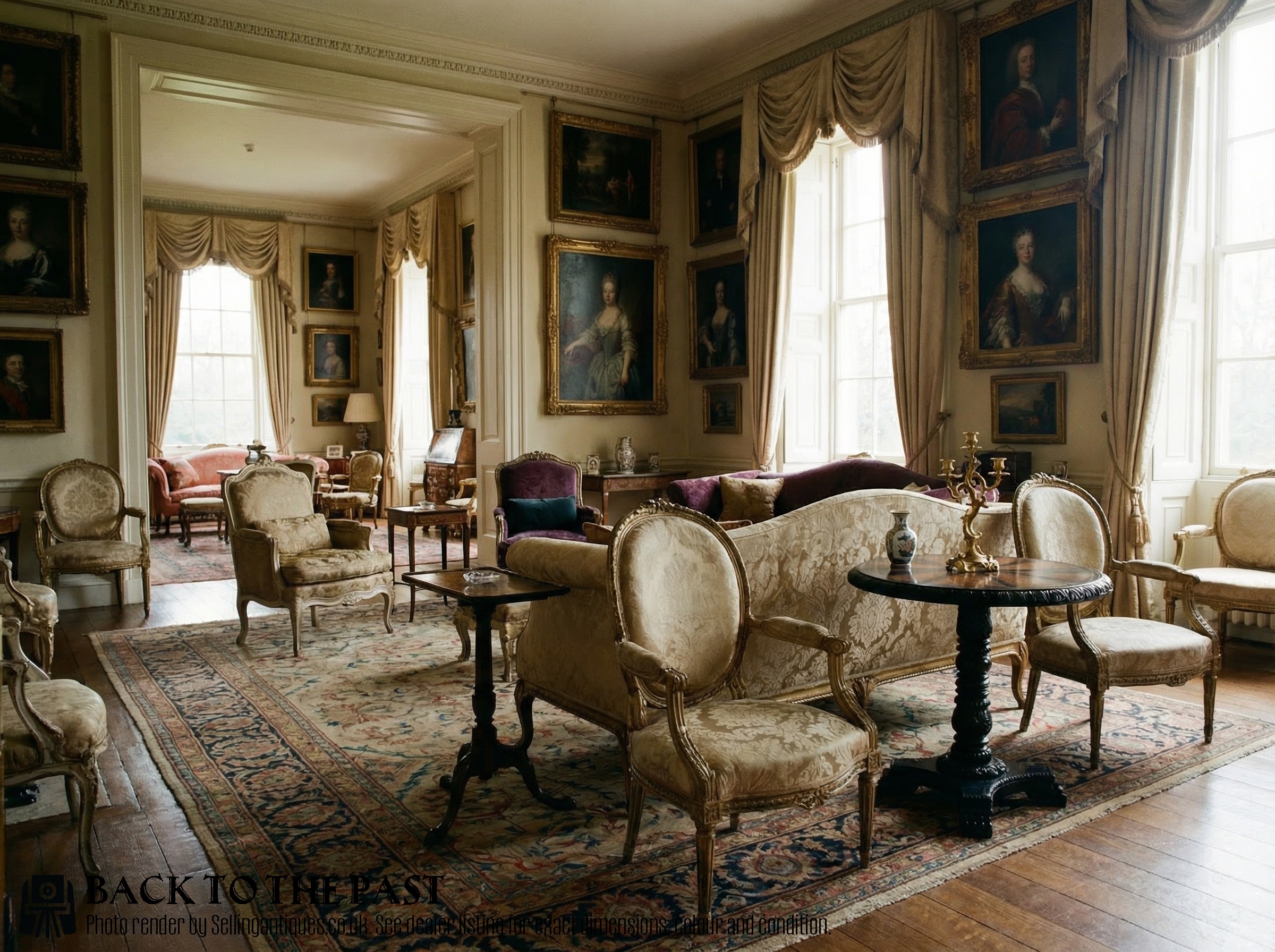
Anglo Indian Accent Table
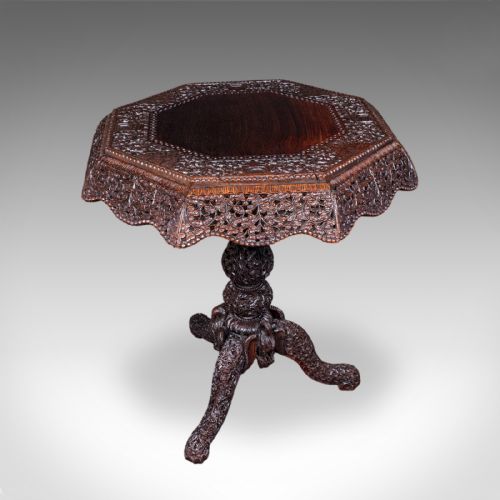
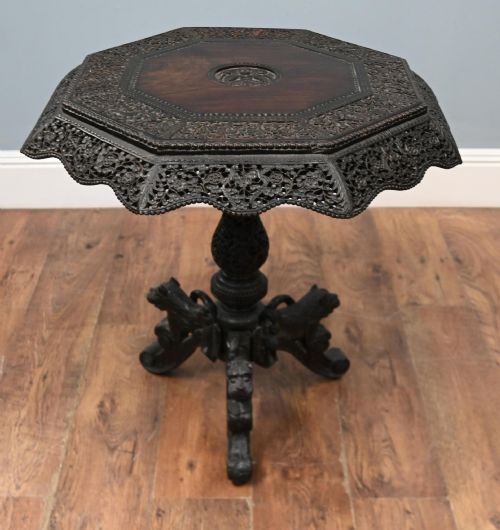
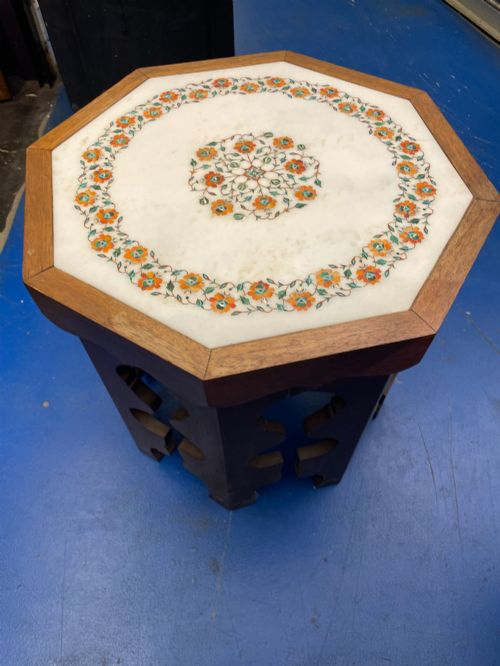
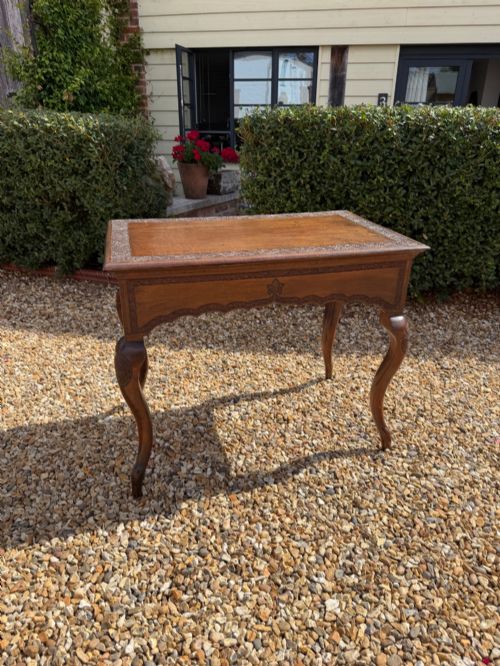
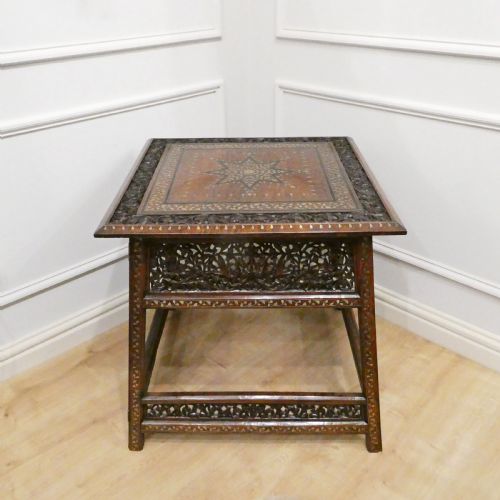
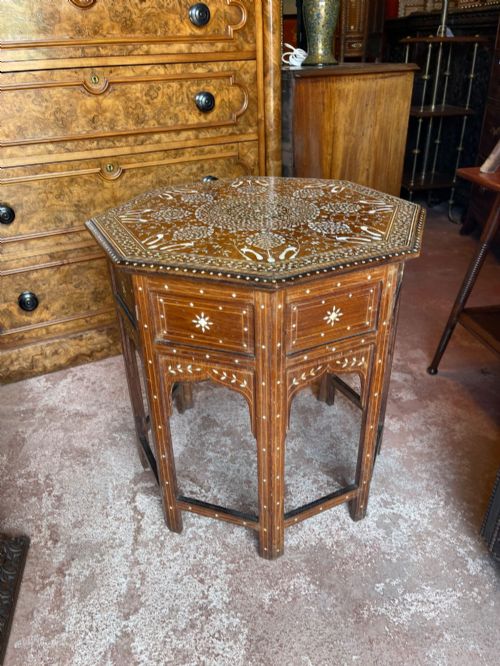
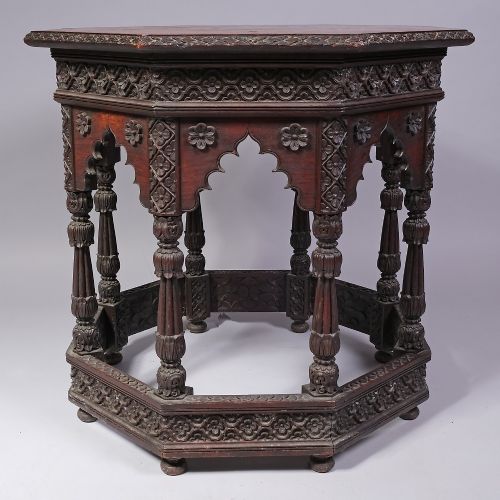
An anglo indian accent table combines traditional craftsmanship from the Indian subcontinent with British domestic furniture forms of the nineteenth and early twentieth centuries. These pieces appear most frequently as octagonal side tables, occasional tables, and coffee tables intended for display or practical use in a sitting room.
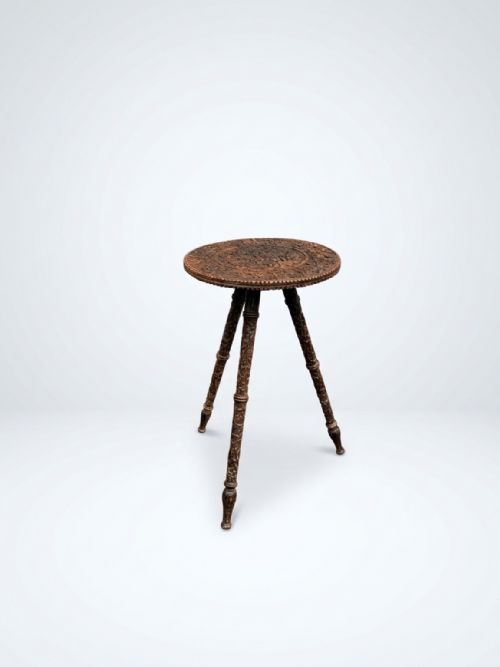
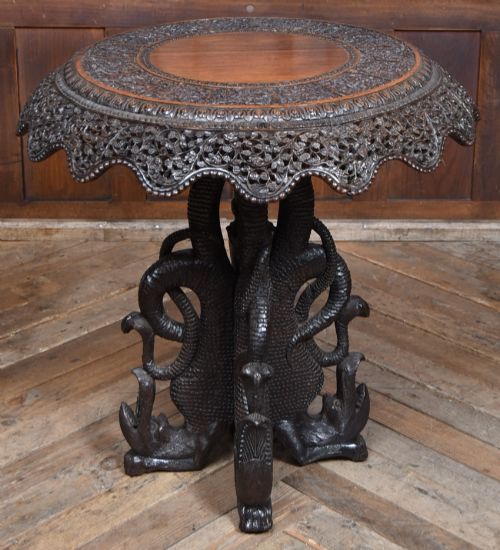
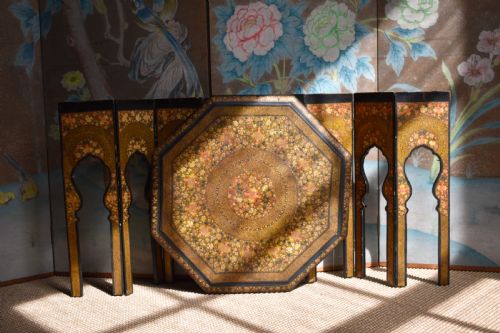
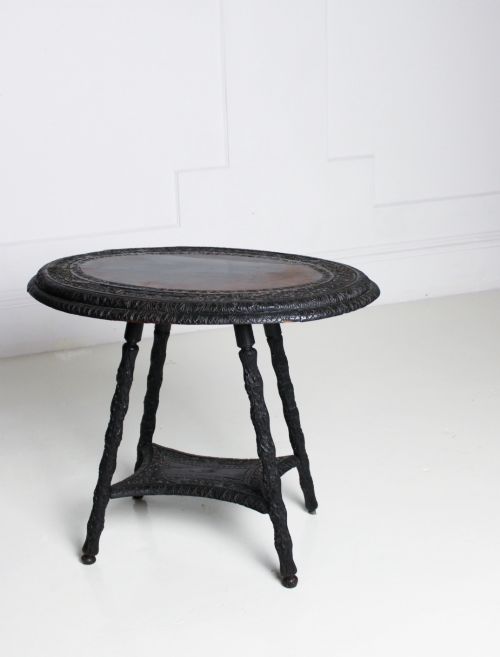
Makers utilised dense timbers such as teak, padauk, and rosewood, shaping them into folding bases, pedestal supports, and low coffee forms. Surviving examples date from the Victorian era onward, often reflecting regional workshops in Hoshiarpur or Burma.
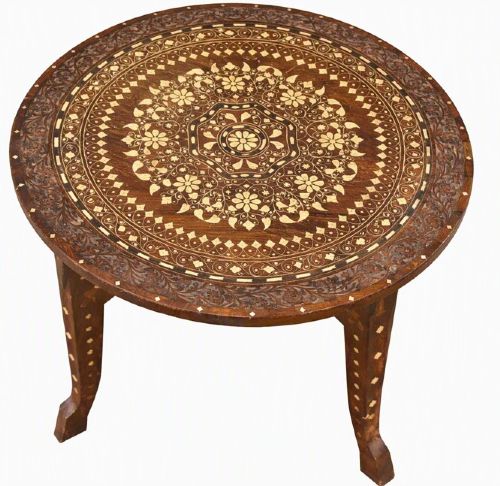
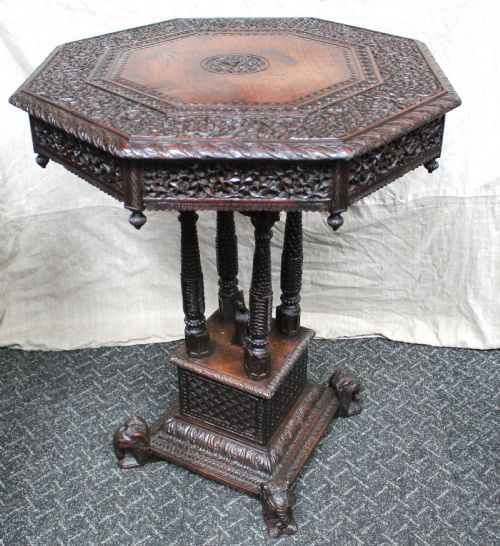
The decorative vocabulary encompasses deep floral carving, animal motifs including elephants and dragons, and geometric arrangements suited to both formal interiors and eclectic spaces.
Materials and construction methods
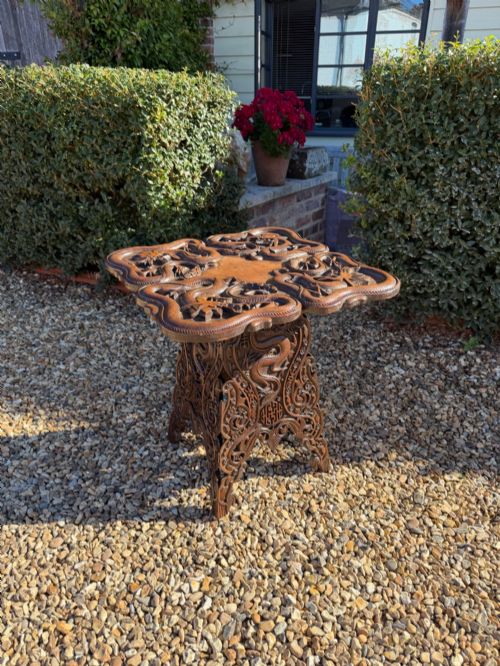
The construction relies heavily on durable hardwoods like teak, rosewood, and padauk, which provide a stable foundation for intricate hand-carving. Workshops employed skilled joinery such as folding X-frames and pegged tenons to allow movement and transport.
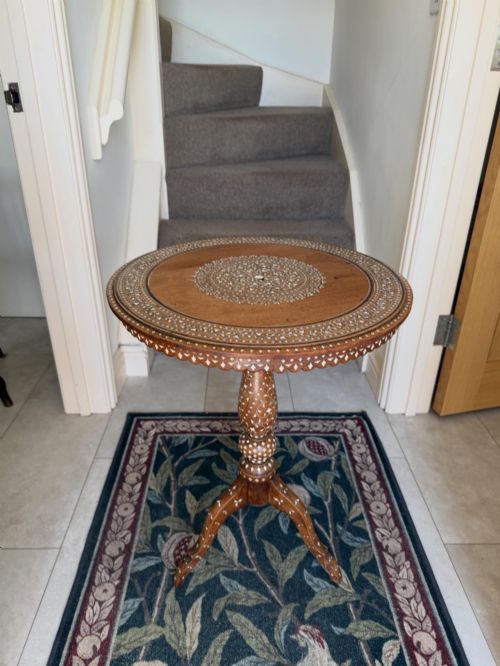
Surface ornamentation distinguishes these works through detailed chip-carving and complex inlay work. Artisans set camel bone, brass wire, and mother-of-pearl into the wooden substrate to create contrasting geometric patterns and pictorial scenes.
Listings feature timbers including teak, rosewood, and padauk alongside decorative accents of bone and brass inlay.
Factors influencing quality
The depth and crispness of the hand-carving dictate the visual success of the piece, with superior examples showing sharp undercutting and well-defined motifs rather than shallow or mechanical pressing. The choice of timber also matters, as heavy solid rosewood or padauk commands more presence than lighter secondary woods.
The precision and completeness of the inlay work separate standard production from master craftsmanship. When bone, brass, and mother-of-pearl sit flush within tight recesses without excessive filler, the piece demonstrates superior origin and execution.
Liberty And Co
The Anglo Indian Accent Table Glossary
- Hoshiarpur
- A city in Punjab renowned for intricate woodwork. Tables attributed to this centre typically feature dense geometric bone and brass inlay.
- Padauk
- A heavy, durable tropical hardwood with a distinctive reddish hue. It provides a stable base for deep relief carving.
- Octagonal
- Having eight sides. This geometric plan is common in folding occasional tables originating from the Bombay Presidency.
- Inlay
- A technique where contrasting materials are inserted into depressions flush with the wood surface. Bone and mother-of-pearl are frequent choices.
- Tip top
- A table construction featuring a hinged top that pivots vertically. This mechanism allows the surface to fold away flat when not in use.
Anglo Indian Accent Table: Frequently Asked Questions
How do I care for inlaid wood?
Keep these tables away from direct heat sources and strong sunlight to prevent the timber from drying and cracking. Dust gently with a dry cloth and avoid harsh liquid polishes that might loosen the bone or brass inlay.
Applying a light coat of natural beeswax occasionally helps nourish dense hardwoods like teak and rosewood. Take care around inlaid sections so moisture does not seep beneath the surface materials.
Are folding tables structurally stable?
Many tables from this tradition utilise folding or removable bases designed for easy transport during the colonial period. When assembled correctly, the interlocking wooden lattice or tripod legs provide a secure base for lamps and decorative objects.
Check that the hinge pins or slot joints fit snugly without excessive wobble. Placing the table on an even floor ensures the weight distributes correctly across the carved supports.
What is an elephant table?
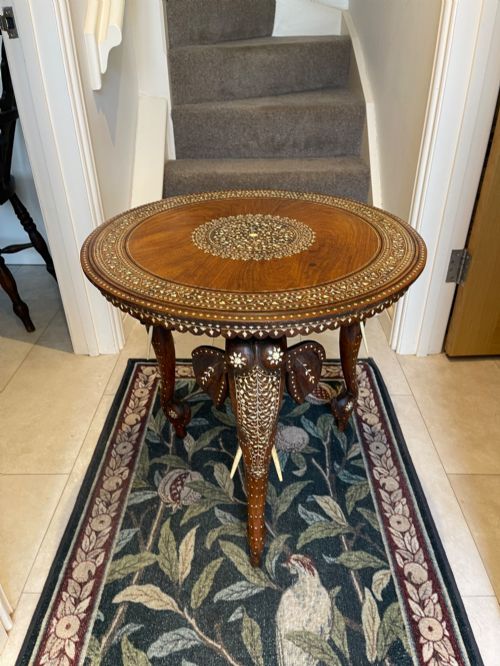
An elephant table incorporates carved elephant heads or figures into the structural support of the base. These regional designs often feature the animal's trunk forming a bracket or leg.
Such pieces reflect the export trade of the late nineteenth century aimed at British buyers. They serve as striking focal points in an interior while retaining standard tabletop utility.
How do I date these tables?
Dating relies on examining the timber, the style of the carving, and any surviving stamps or labels. Most pieces span from the mid-nineteenth century through the early twentieth century.
Earlier examples often display heavier padauk or rosewood with hand-forged iron or brass fixings. Later twentieth-century items may show lighter construction and simpler surface decoration.