


Anatolian Floor Rug
An anatolian floor rug brings centuries of weaving heritage into a room, offering tactile warmth through traditional wool and silk construction.
Anatolian Floor Rug
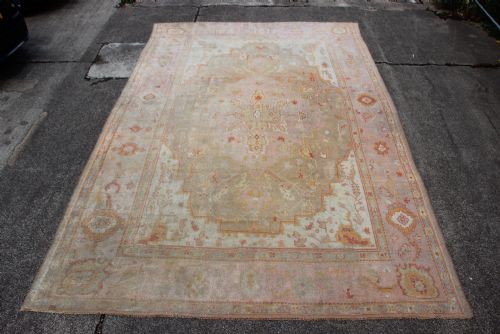
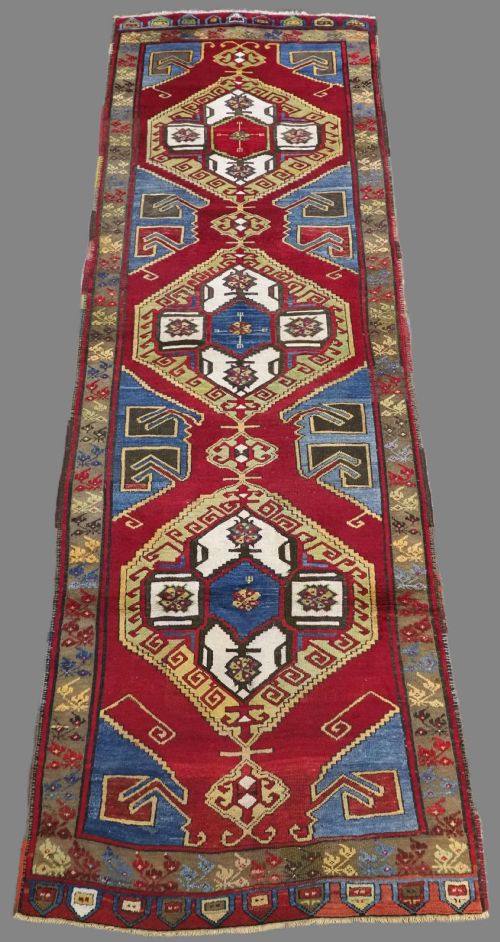
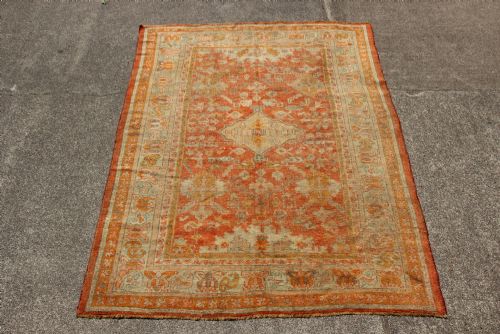
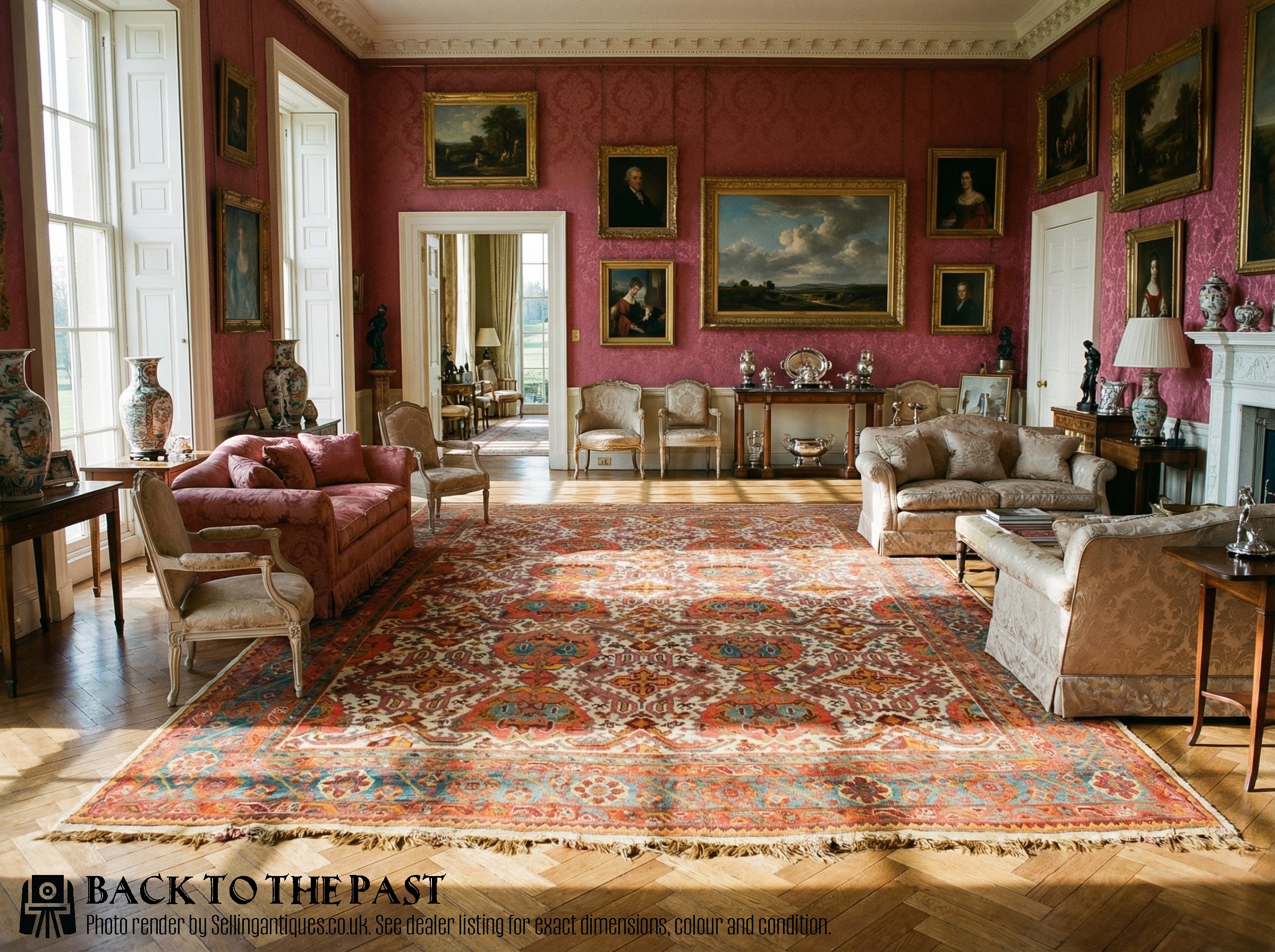
An anatolian floor rug encompasses large carpets, long runners, and flat-woven kilims originating from Turkish weaving centres. The selection on this page leans heavily towards nineteenth-century and early twentieth-century examples, particularly large Oushak carpets alongside regional village pieces.
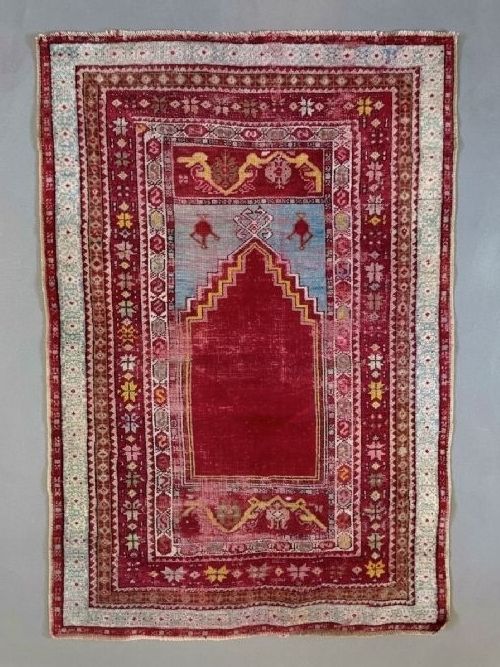
Buyers encounter distinct traditional styles such as prayer rugs, Melas, Bergama, and Konya Karapınar designs. These textiles served functional roles in homes and public spaces, evolving through distinct regional patterns and colour palettes.
Materials and construction methods
Weavers constructed these pieces primarily using wool, cotton, and hand-spun wool, occasionally incorporating angora wool, silk, art silk, mercerised cotton, and floss silk. These natural fibres provided durability for domestic use while supporting intricate knotting and flat-weaving techniques.
The integration of cotton foundations with wool pile gave stability to large carpets and runners. Workshops utilised locally sourced dyes and materials appropriate to specific towns and nomadic groups across Anatolia.
Some nineteenth-century weavers hid tiny intentional asymmetry in their borders to ward off the evil eye.
Assessing quality in antique rugs
Quality separates examples by the fineness of the knotting and the handling of the wool, which dictates how the pile wears over generations. Superior pieces maintain structural integrity in the foundation while retaining suppleness in the textile.
The depth and balance of the dye work distinguish better examples, along with the precision and balance of the traditional design execution. Harmony between the field colours and border motifs indicates skilled workshop or village production.
The Anatolian Floor Rug Glossary
- Oushak
- A classification of carpet originating from the town of Usak in western Turkey, known for large-scale floral motifs and soft wools. These pieces often display muted or faded colour palettes.
- Kilim
- A flat-woven carpet or rug produced without a pile, created by tightly interweaving warp and weft strands. This technique results in a lightweight textile with geometric patterns visible on both sides.
- Prayer rug
- A textile featuring a distinct mihrab or arch design indicating the direction of prayer. These pieces were traditionally utilised for personal devotion in domestic settings.
- Warp
- The vertical threads stretched tightly on a loom before weaving begins. The foundation yarns hold the tension and determine the structural width of the rug.
- Weft
- The horizontal threads passed through the warp strands to lock the knots and structure in place. Together with the warp, it forms the grid of the textile.
Anatolian Floor Rug: Frequently Asked Questions
How do I clean an antique rug?
Maintenance requires gentle vacuuming without a rotating brush to protect the historic fibres. Professional specialist cleaning is necessary for deep washing.
Harsh chemical detergents and excessive moisture damage wool and silk piles irreversibly. Regular rotation ensures even wear across high-traffic areas.
Can I place these rugs in heavy traffic areas?
Sturdier wool carpets handle moderate foot traffic well when placed over an appropriate underlay. Thinner flat-woven kilims or delicate silk pieces suit low-traffic spaces.
Placing a protective pad underneath prevents sliding and reduces friction against hard flooring.
How do I identify an Oushak carpet?
Oushak carpets typically feature looser knots, softer lustrous wool, and expansive open fields with subtle floral designs. The palette frequently relies on terracotta, saffron, and muted blues.
Scale is often generous, distinguishing these pieces from smaller village rugs.
What is the difference between a rug and a kilim?
Rugs possess a knotted pile that creates a plush, tactile surface texture. Kilims are entirely flat-woven without pile, constructed by interlocking coloured weft threads.
This structural difference affects weight, thickness, and how the geometric patterns appear on the fabric.