



Amber Shade Ceiling Light
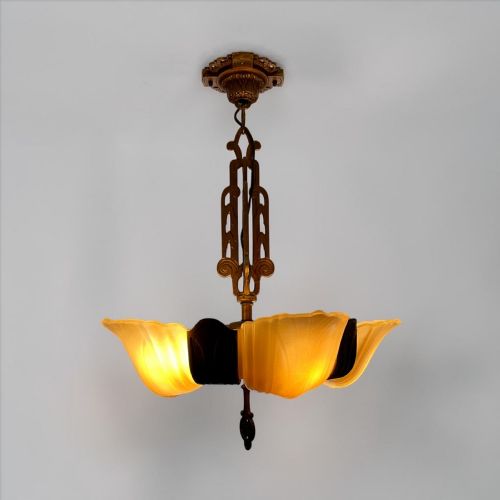
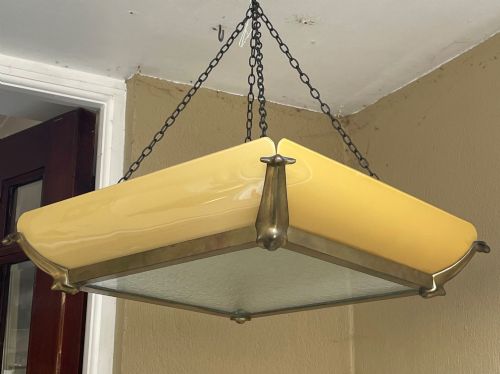
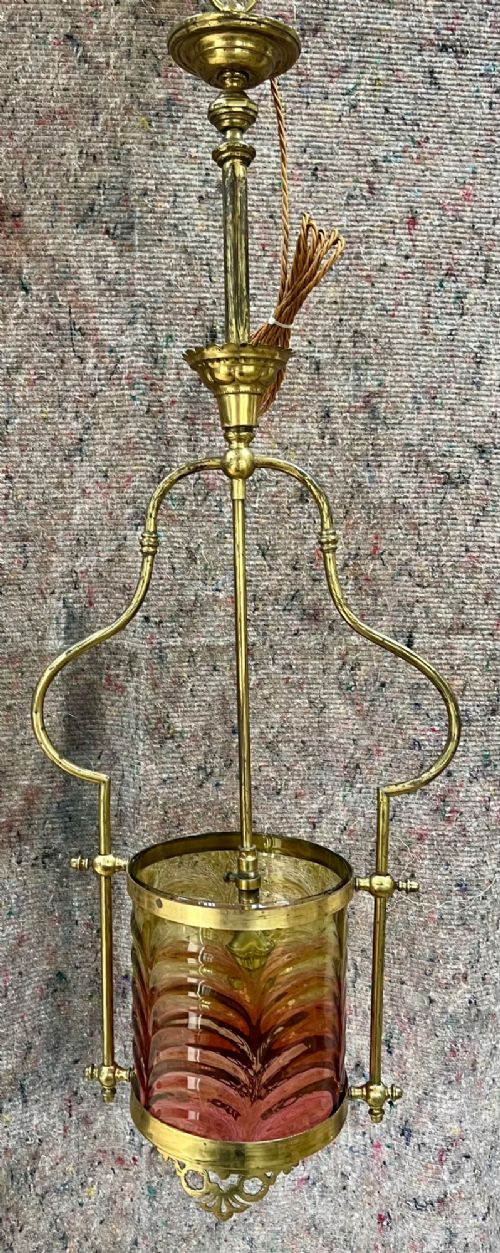
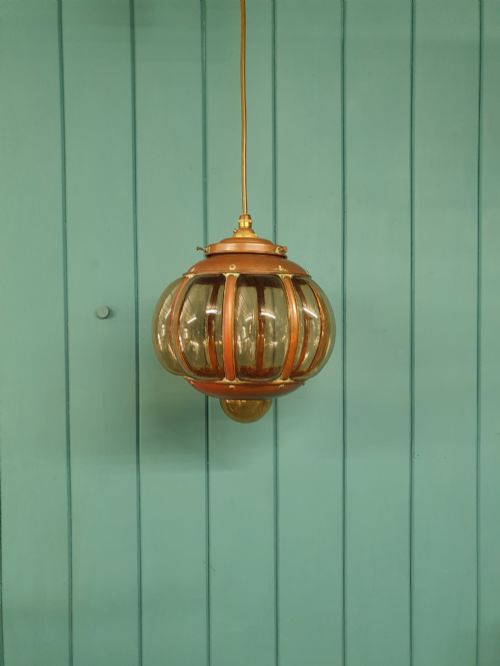
These amber shade ceiling light fixtures cast a warm glow, combining period brass, copper, and glass to transform a room.
Amber Shade Ceiling Light
When you search for an amber shade ceiling light, you encounter a range of forms spanning the Edwardian era through the nineteen thirties. The selection includes pendant lights, flush ceiling lights, hall lanterns, and chandeliers suited to various spaces.
Art Deco and Edwardian examples dominate the offerings, alongside Victorian, Art Nouveau, French Chateau, and nautical styles. Materials span brass, copper, cast metal, and carved alabaster paired with glass.
Most pieces utilise glass shades, ranging from frosted and smoked varieties to amber glass beads and etched designs. You also find specialised forms such as American slip shade lights and Swedish carved alabaster dishes.
Materials and construction
Makers constructed these fixtures using robust metals such as brass, copper, and cast metal for the frames, mounts, and chains. These metals often support glass shades or alabaster bowls hung from fabric cords.
Glass techniques include moulding, etching, and beadwork to create frosted, smoked, or amber finishes. Carved alabaster provides an alternative translucent bowl material found in specific pendant designs.
Amber Shade Ceiling Light Retail Price Guide 2026
Typical asking prices for amber shade ceiling light among the pieces listed under this phrase on Sellingantiques today, from the lower quarter to the upper quarter. They describe what is for sale here now, not the wider market.
Materials recorded on this site include brass, copper, cast metal, alabaster, and various forms of glass and fabric cord.
Judging quality in period lighting
Quality rests in the weight and finish of the metal components, such as heavy cast brass or copper compared to lighter pressed alternatives. The finesse of the glasswork, from intricate etching to deep amber tones, defines the upper tier.
Design cohesion also separates standard pieces from exceptional ones, particularly where carved alabaster bowls or specialised slip shades integrate seamlessly with original metalwork.
Verrerie Des Vosge
The Amber Shade Ceiling Light Glossary
- Slip shade
- A type of pressed glass shade that slots directly into a metal frame, common in Art Deco fixtures. These shades rely on the metal structure for support rather than a central fitter screw.
- Alabaster
- A fine-grained mineral carved into translucent bowls and dishes for hanging lights. It diffuses light evenly across a room.
- Hall lantern
- An enclosed ceiling-hung light designed for narrow spaces like corridors and entryways. They frequently combine glass panels with brass or copper frames.
- Pendant light
- A single light fixture suspended from the ceiling by a cord, chain, or metal rod. They bring direct illumination downwards into a specific area.
Amber Shade Ceiling Light: Frequently Asked Questions
What rooms suit an amber shade ceiling light?
These fixtures work well in hallways, dining spaces, and living rooms where a warm, diffused glow is desirable.
Smaller pendants fit compact areas, while larger chandeliers and hall lanterns anchor bigger rooms.
How do I identify an Art Deco ceiling light?
Art Deco lights typically feature geometric lines, stepped forms, and slip shades made of pressed glass.
They frequently date from the nineteen twenties and thirties and utilise brass or chrome-finished metalwork.
Are these lights compatible with modern wiring?
Many period fixtures are rewired to meet current electrical standards while retaining their original metal and glass components.
It is advisable to consult a qualified electrician to install vintage lighting safely.
What is the difference between a pendant and a flush light?
Pendant lights hang down from the ceiling on a cord, chain, or rod, creating a distinct focal point.
Flush lights mount directly against the ceiling surface, making them suitable for rooms with lower ceiling heights.