


Allegorical Portrait Art
Allegorical portrait art combines portraiture with symbolic imagery, offering buyers a window into classical myths, political commentary and personified virtues.
Allegorical Portrait Art
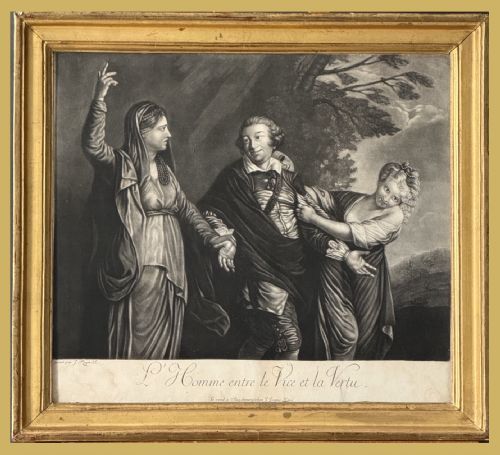
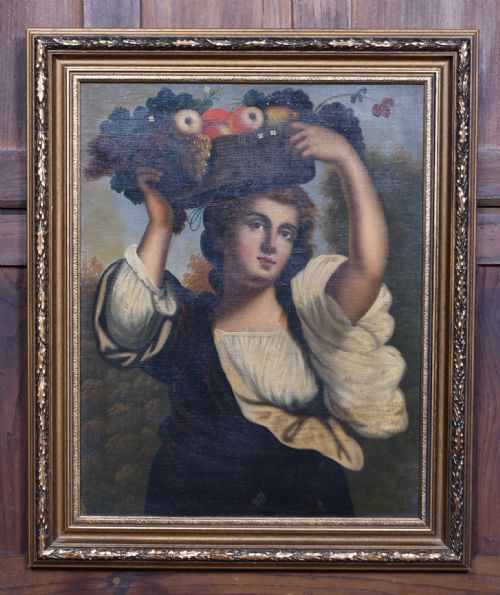
Allegorical portrait art depicts real individuals disguised as mythological figures, historical personages, or abstract concepts such as the seasons or virtues. The works on this page span from the seventeenth century through the nineteenth century, encompassing distinct periods including the Georgian era and the seventeenth century.
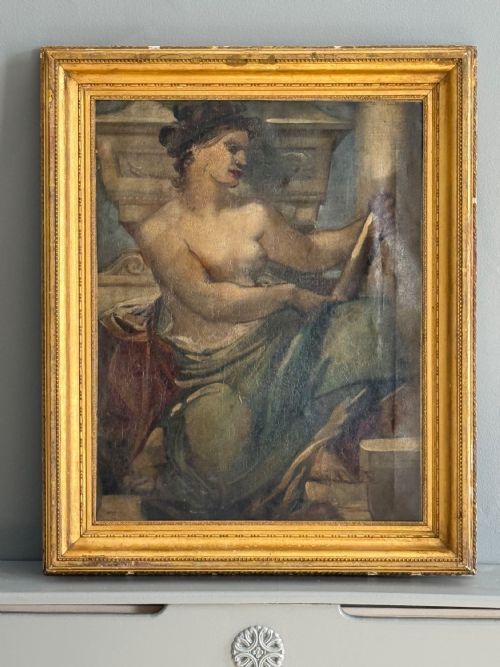
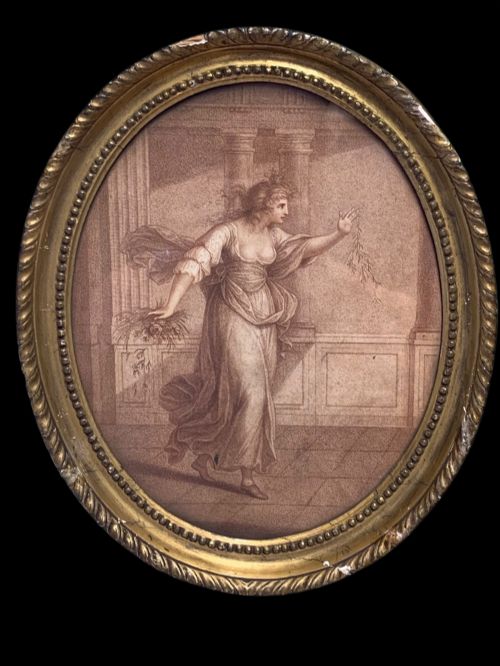
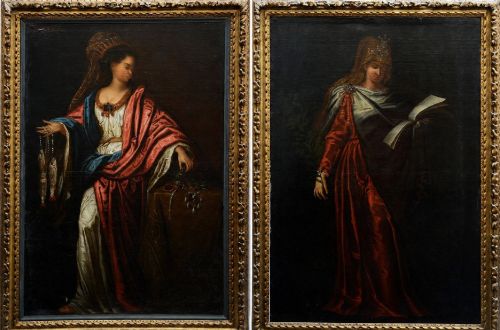
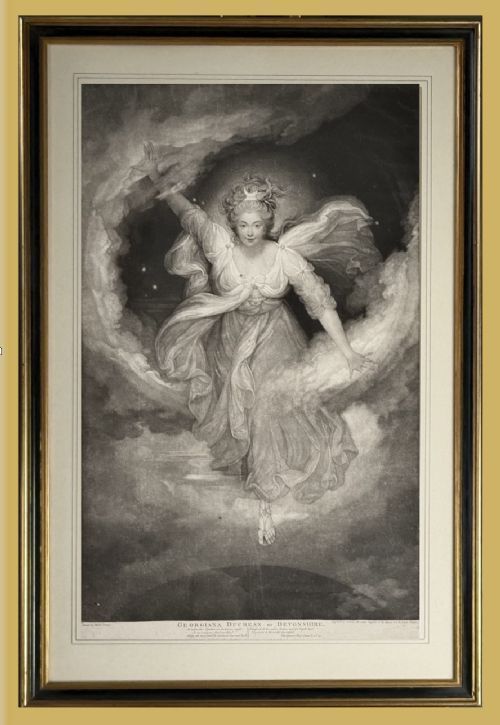
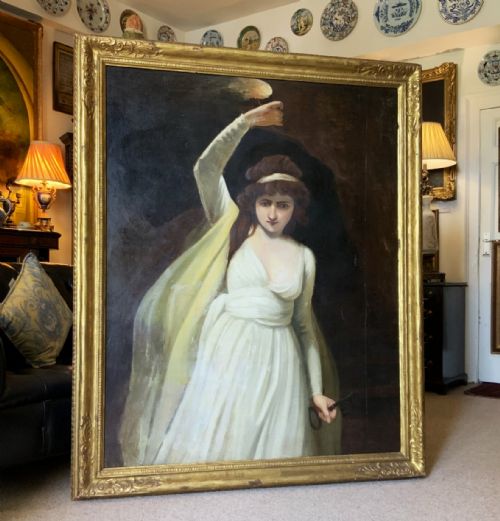
Buyers will encounter several formats within allegorical portrait art, ranging from large oil paintings on canvas and board to delicate works on paper. Prints such as mezzotints and stipple engravings appear alongside reverse glass prints, offering varied visual interpretations of symbolic themes.
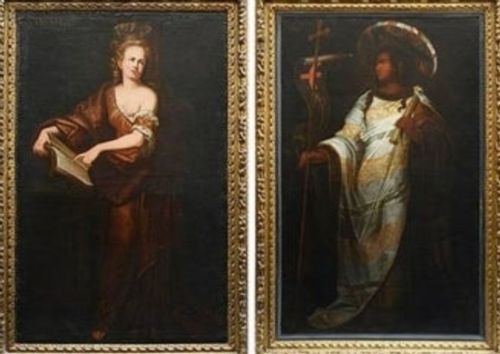
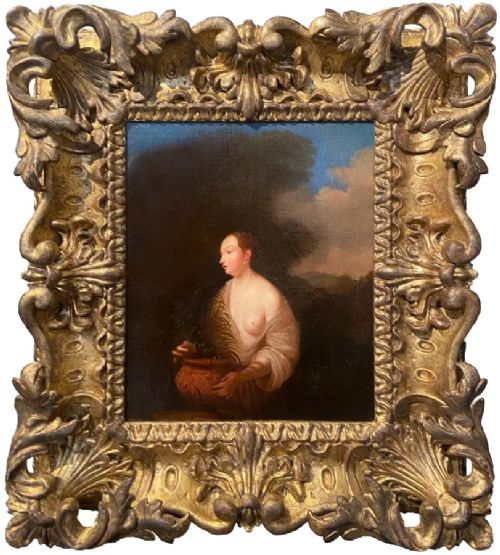
Origins vary across European traditions, including French schools and Italian Renaissance revival works. These pieces often draw upon classical iconography, presenting subjects like the Cumaean Sibyl or Flora, goddess of spring, in structured compositions.
Distinctions in execution
The quality of allegorical portrait art rests upon the precision of the draughtsmanship and the subtlety of the allegorical attributes. Superior examples render symbolic elements with anatomical clarity and expressive depth, avoiding stiff or formulaic postures.
Materials and preservation dictate the standing of a piece, with undisturbed surfaces on oil paintings and crisp impressions in engravings distinguishing finer works. The integration of sitter and symbol reveals the hand of a more accomplished artist or printmaker.
Listings feature works spanning the seventeenth, eighteenth, and nineteenth centuries, executed in oil on canvas, reverse glass, and paper print formats.
Jiohan Elis Haid·Sir Joshua Reynolds·Valentine Green·Maria Hadfield Cosway·John Opie RA·Toussaint Gelton·Nicolas Fouché·Del Buono·Guiseppe Mazzolini·Sir Godfrey Kneller
The Allegorical Portrait Art Glossary
- Mezzotint
- A printmaking process of the intaglio family where the plate is roughened to achieve rich dark tones and subtle gradations of light. This technique allows for velvety shadows well suited to portraiture.
- Stipple engraving
- An engraving method using dots rather than lines to form the image, creating soft transitions and tonal depth. It gained popularity for reproducing delicate portraits.
- Reverse glass print
- An image painted or printed directly onto the back of a glass sheet, then viewed from the front for a glossy finish. This method protects the pigment from surface damage.
- Allegory
- A narrative or visual representation that has a symbolic meaning beneath the surface, often using personified concepts. In these works, sitters assume roles such as Flora or the Four Seasons.
- Renaissance revival
- A nineteenth-century style drawing inspiration from the art and architecture of the fifteenth and sixteenth-century Renaissance. Works in this vein often adopt classical poses and mythological subjects.
Allegorical Portrait Art: Frequently Asked Questions
What is allegorical portrait art?
Allegorical portrait art combines the likeness of a real person with symbolic imagery, often depicting them as a mythological figure, deity, or personified concept. These works use recognizable attributes to convey moral, political, or seasonal themes.
Created across multiple centuries, these pieces merge portraiture with broader philosophical ideas, utilising subjects from classical antiquity and traditional iconography.
How do I care for antique oil paintings?
Antique oil paintings require stable environmental conditions with minimal fluctuations in temperature and humidity to protect the canvas and wood supports. Keep them out of direct sunlight to prevent fading and degradation of the pigments.
Dust the surface gently with a soft, dry brush and avoid using chemical cleaners or water on the paint layer. Professional conservation is recommended for any structural repairs or cleaning.
What subjects are common in these portraits?
Common subjects include mythological figures such as the Cumaean Sibyl, classical goddesses like Flora representing spring, and personifications of the Four Seasons. Political allegories also appear, using historical figures to comment on contemporary events.
These themes allowed artists and sitters to express complex ideas regarding morality, authority, and the natural cycle of time through familiar cultural references.