



Aged Brass Lighting
Aged brass lighting brings warmth and utility into a room, offering functional pieces forged in brass, bronze, and cast iron.
Aged Brass Lighting
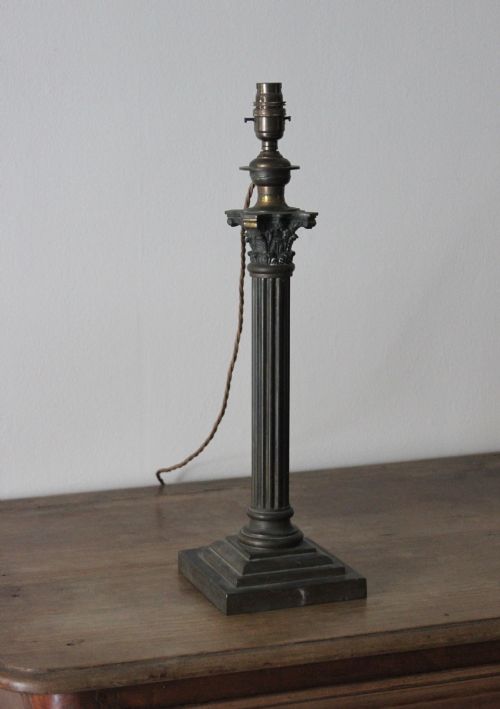
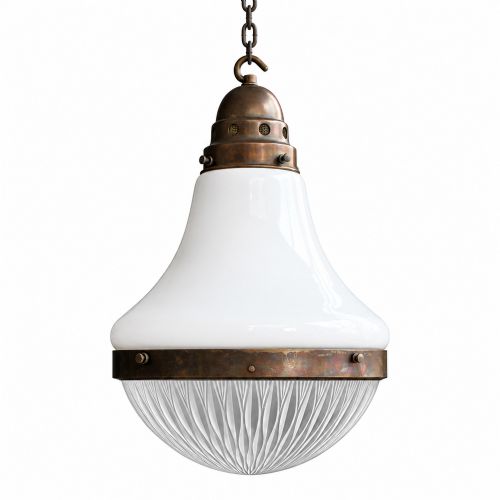
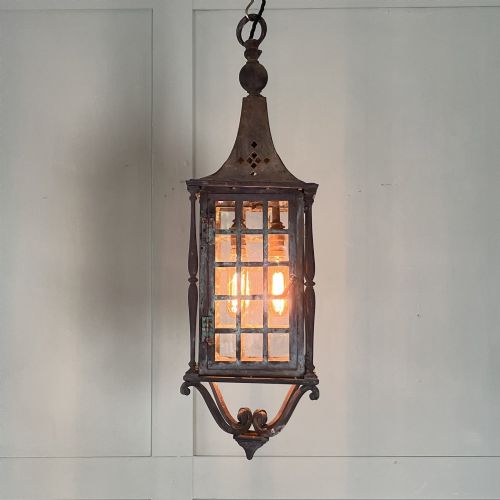
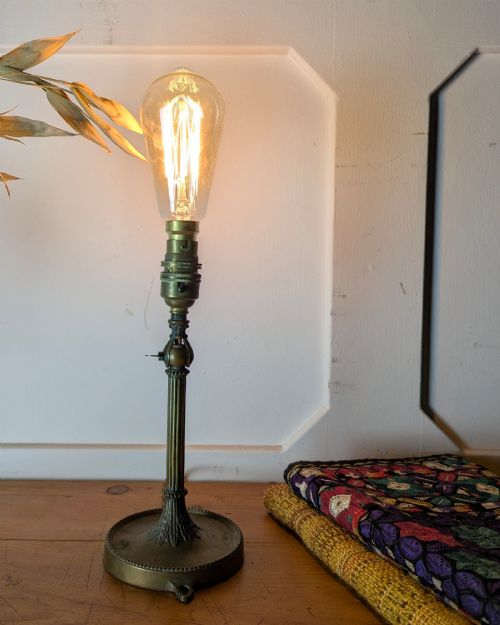
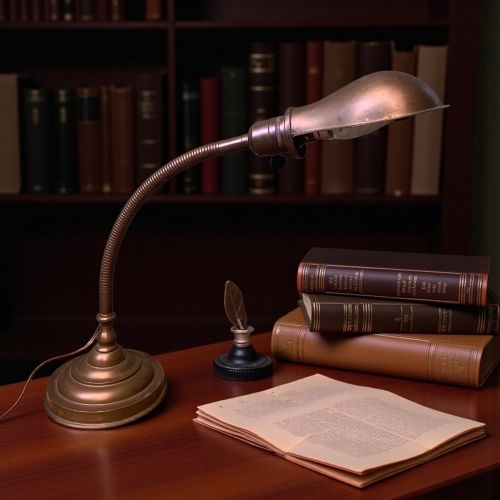
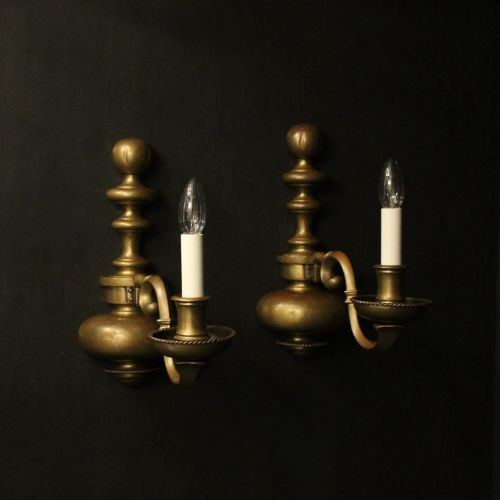
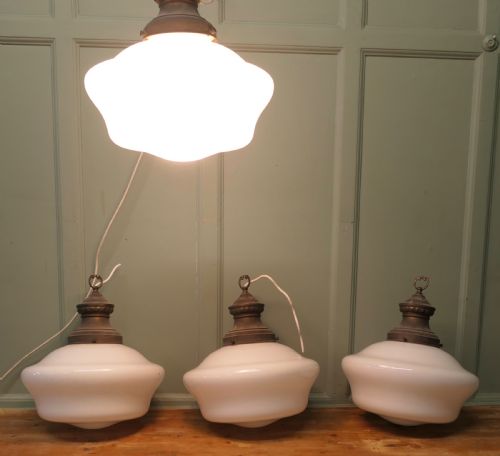
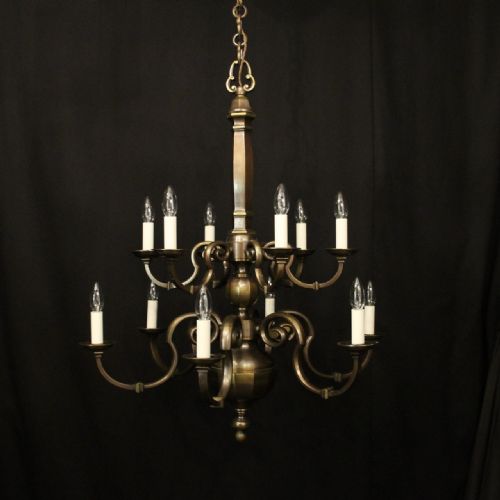
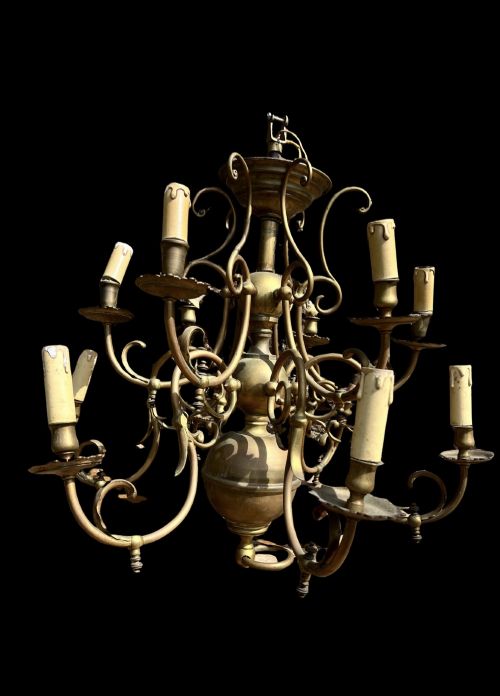
Aged brass lighting encompasses table lamps, wall lights, ceiling lights, desk lamps, chandeliers, floor lamps, and pendant lights spanning the nineteenth century through the 1950s. These fixtures range from Edwardian lantern pendants and French carriage lights to industrial ceiling fixtures and modernist desk lamps.
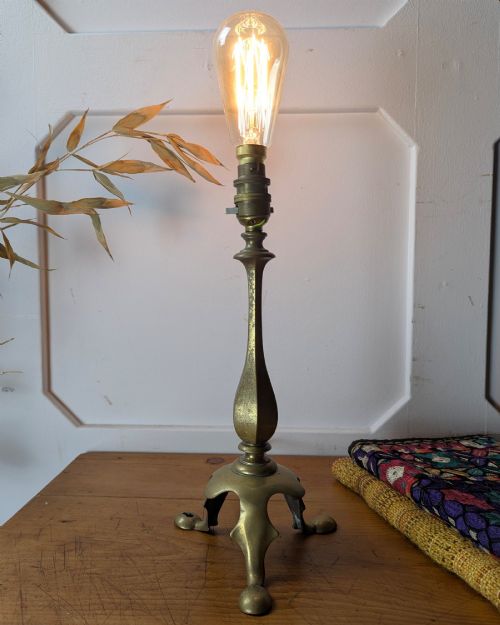
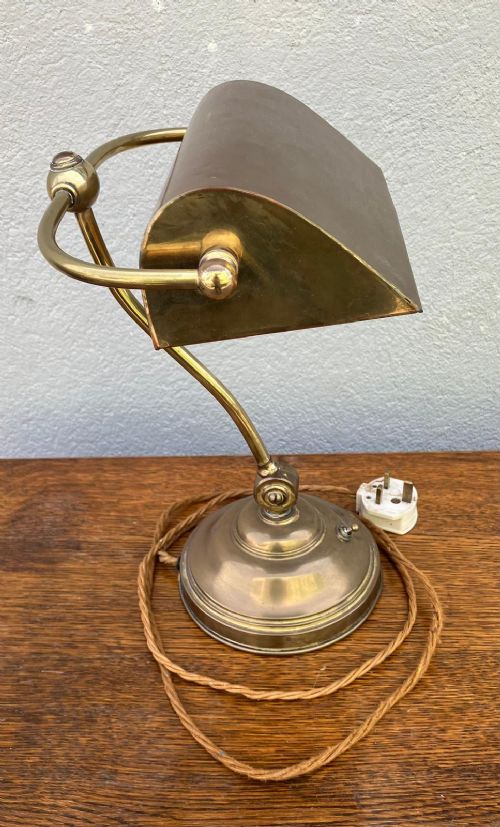
Buyers meet versatile forms suited for both task lighting and ambient illumination, including swing-arm pullman lamps, hexagonal baluster table lamps, and multi-light chandeliers. The selection reflects periods such as the Edwardian era, Art Deco, Victorian, and mid-century design.
The aesthetic bridges formal English and French styles with utilitarian industrial and streamlined modernist interpretations. Pieces frequently incorporate glass, opal glass, and fabric elements alongside metal frameworks.
How They Were Made
Construction relies heavily on cast and spun brass, solid bronze, and cast iron, often paired with glass, opal glass, and fabric flex. Metals are shaped into structural components like swan necks, baluster stems, and lantern frames.
Surface treatments and patination give these fixtures their aged character, spanning polished metals to faded bronze and gilded spelter. Fixtures such as floor lamp stands and wall brackets combine structural durability with decorative casting.
Aged Brass Lighting Retail Price Guide 2026
Typical asking prices for aged brass lighting among the pieces listed under this phrase on Sellingantiques today, from the lower quarter to the upper quarter. They describe what is for sale here now, not the wider market.
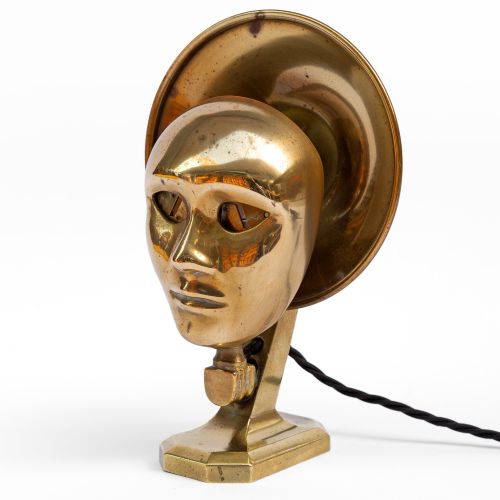
One brass table lamp draws direct inspiration from the dystopian architecture of Fritz Lang's 1927 silent film Metropolis.
What Varies in Quality
Quality depends upon the weight and integrity of the metal casting, alongside the complexity of the decorative ornamentation seen in items like French chandeliers and ornate lanterns. Finer examples display crisp detail in repetitive motifs and robust structural joints.
The integration of secondary materials, such as mercury mirrored glass shades or specialist fabric flex wiring, distinguishes standard production from more substantial examples. Maker attribution and stylistic coherence within matched pairs further define the hierarchy of these pieces.
Rene Mathieu
The Aged Brass Lighting Glossary
- Baluster
- A moulded shaft with a swelling base, commonly seen supporting the bodies of table lamps.
- Gasoliere
- A ceiling or wall fixture originally designed to burn coal gas for illumination before the widespread adoption of electricity.
- Spelter
- An alloy of zinc and other metals cast to imitate bronze or brass, frequently used in decorative light bases.
- Swan Neck
- A curved metal arm directing light downward, typical of industrial and task-oriented wall lamps.
- Pullman
- A compact, adjustable wall or table lamp designed for limited spaces such as railway carriages.
Aged Brass Lighting: Frequently Asked Questions
How do I date an aged brass lamp?
Dating relies on stylistic clues, manufacturing methods, and material choices associated with periods from the nineteenth century to the 1950s. Edwardian pieces often display ornate casting, while 1930s examples lean toward modernist or industrial lines.
Examining switches, mounting brackets, and the integration of fabric flex helps separate older gas-converted fixtures from twentieth-century electrical designs.
Are these lights compatible with modern wiring?
Many vintage fixtures arrive with updated electrical components or modern fabric flex while retaining their original metal bodies.
A qualified electrician can assess older internal wiring to ensure safe installation in contemporary domestic settings.
Can I mix different brass lighting styles?
Combining styles such as industrial ceiling pendants with Edwardian table lamps adds visual depth to a room. Unified metal tones help disparate periods sit comfortably together.
Balance heavily ornate chandeliers with simpler task lighting to maintain a coherent interior scheme.
What is the difference between brass and bronze?
Brass is an alloy primarily composed of copper and zinc, yielding a brighter golden tone that darkens gracefully over time. Bronze consists mainly of copper and tin, producing a heavier, deeper metallic quality.
Both materials develop distinct patinas through age and handling.